
Back to Powers

Animal Powers

Adaptation

Breathe through the strange.

Animals grouped here express a similar power through their behavior in nature. Each species still has its own principle, lesson, meaning, and field-guide page.

71 species

Saiga Antelope (Saiga tatarica) thumbnail image on AnimalDex

Saiga Antelope

Species principle: Harsh-Air Filtering

Breathe through the strange.

Odd features often exist because the world asked a harsh question.

Saiga Antelope have enlarged flexible noses that help filter dust and condition air during life on cold, dusty steppe environments.
Sand Cat (Felis margarita) thumbnail image on AnimalDex

Sand Cat

Species principle: Desert Silence

Step without heat.

The harshest ground can be crossed by the feet that make no noise.

Sand Cats live in desert habitats and have dense fur on their footpads that helps insulate them from hot sand. They hunt mostly at night and use large ears to detect small prey moving under sparse cover.

Sea Krait (Laticauda colubrina) thumbnail image on AnimalDex

Sea Krait

Species principle: Amphibious Passage

Cross the reef border.

The right body crosses the border between worlds.

Sea Kraits have paddle-like tails for swimming and still return to land for digestion, egg-laying, and rest, moving between marine and terrestrial environments.

Senegal Bichir (Polypterus senegalus) thumbnail image on AnimalDex

Senegal Bichir

Species principle: Ancient Design

Keep the old design.

Old designs endure when they keep solving present problems.

Senegal Bichirs are ancient-looking fish with lungs or lung-like air-breathing capacity, armored scales, and dorsal finlets, allowing survival in low-oxygen waters.

Sidewinder (Crotalus cerastes) thumbnail image on AnimalDex

Sidewinder

Species principle: Sideways Strategy

Move sideways.

The smartest path may look wrong to everything built for straight lines.

Sidewinders move across loose hot sand using sidewinding locomotion, reducing contact with the ground and improving traction on unstable desert surfaces.

Snowy Sheathbill (Chionis albus) thumbnail image on AnimalDex

Snowy Sheathbill

Species principle: Polar Opportunism

Use what the ice gives.

Harsh places become workable for the one willing to use what appears.

Snowy Sheathbills survive around Antarctic and subantarctic coasts by scavenging from penguin and seal colonies, eating scraps, eggs, waste, and small food items.

Southern Alligator Lizard (Elgaria multicarinata) thumbnail image on AnimalDex

Southern Alligator Lizard

Species principle: Flexible Passage

Slip through leaves.

A bendable body finds routes that rigid force cannot enter.

Southern Alligator Lizards have long flexible bodies and move through leaf litter, logs, shrubs, and garden cover while hunting small animals.

Southern Flying Squirrel animal lesson image on AnimalDex

Southern Flying Squirrel

Species principle: Night Glide

Use the gap.

Adaptation turns falling space into controlled movement.

Southern Flying Squirrels glide at night using a skin membrane between limbs, steering between trees while foraging and avoiding predators.

Southern Lechwe animal lesson image on AnimalDex

Southern Lechwe

Species principle: Wetland Footing

Run the floodplain.

The right feet can turn sinking ground into a path.

Southern Lechwe live in floodplains and wetlands, using elongated hooves and long legs to move through shallow water and marshy grasslands.

Spider Crab animal lesson image on AnimalDex

Spider Crab

Species principle: Decorator Patience

Wear the seabed.

Camouflage works best when the boundary between body and place becomes unclear.

Spider Crabs move slowly over rocky seabeds and may carry algae or growth that helps them blend with surroundings.

Stoat (Mustela erminea) thumbnail image on AnimalDex

Stoat

Species principle: Seasonal Shift

Wear the season.

Change your covering when the world changes its color.

Stoats in colder regions molt from a brown summer coat to a white winter coat called ermine, helping them blend into snowy environments while hunting through tunnels and cover.

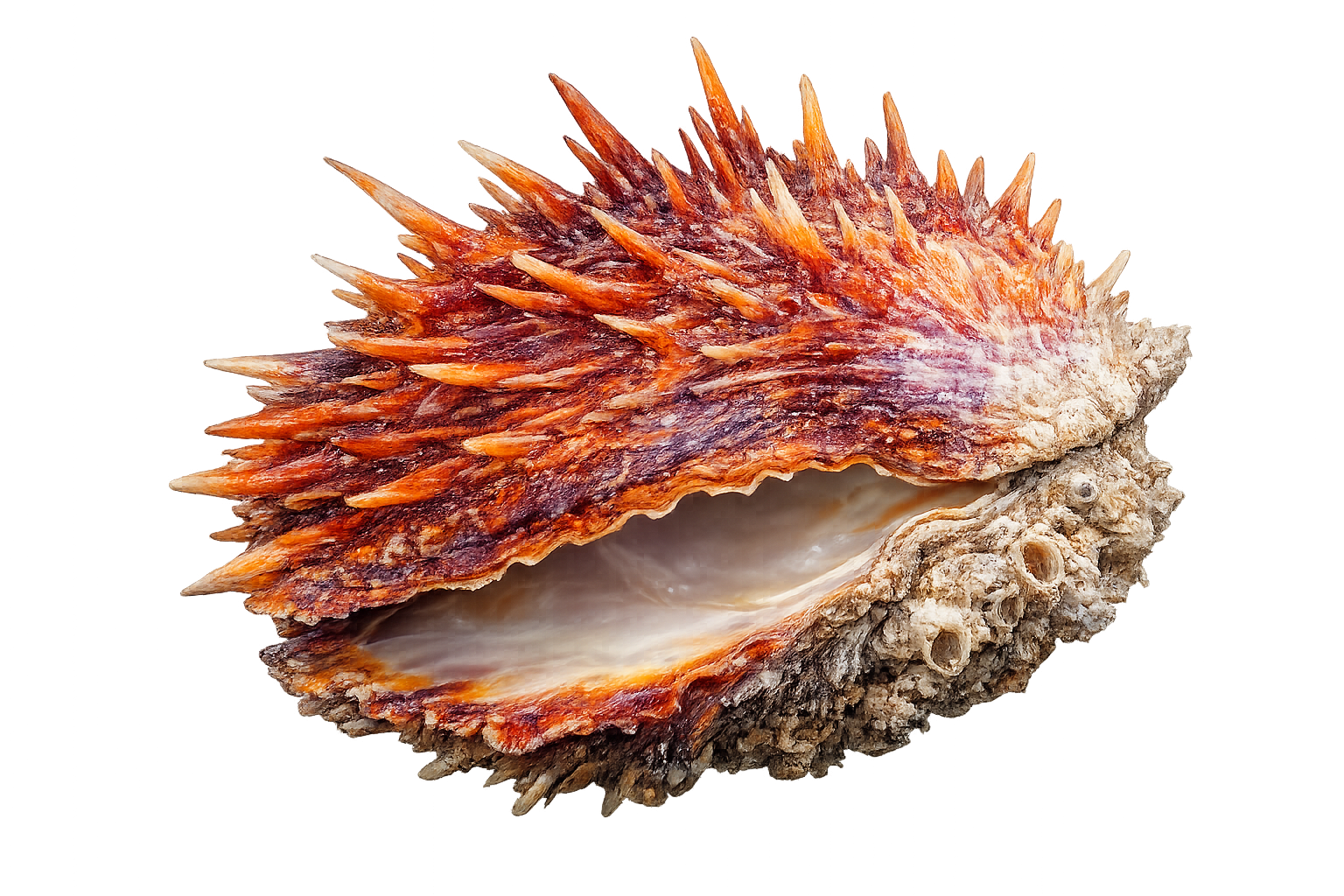
Thorny Oyster animal lesson image on AnimalDex

Thorny Oyster

Species principle: Spined Display

Stand spined.

Strong defenses can still be vivid and hard to ignore.

Thorny oysters cement to reef and grow long spines that deter predators while showing bold color on tropical hard bottoms.

Titicaca Water Frog (Telmatobius culeus) thumbnail image on AnimalDex

Titicaca Water Frog

Species principle: Folded-Skin Breathing

Breathe through the folds.

Unusual surfaces can solve what ordinary lungs cannot.

Titicaca Water Frogs have loose folded skin that increases surface area for cutaneous respiration in cold, oxygen-rich high-altitude lake water.

Verreaux's Sifaka animal lesson image on AnimalDex

Verreaux's Sifaka

Species principle: Sideways Grace

Hop with grace.

Movement does not need to look ordinary when it solves the terrain.

Verreaux's Sifakas are lemurs that leap between trees and move across open ground with distinctive sideways bipedal hops in dry Malagasy habitats.

Vulture Bee animal lesson image on AnimalDex

Vulture Bee

Species principle: Carrion Honey

Transform the remains.

Adaptation sometimes means transforming difficult material into food for the group.

Vulture Bees are stingless bees that feed on carrion and process unusual protein resources for colony needs.

Water Monitor (Varanus salvator) thumbnail image on AnimalDex

Water Monitor

Species principle: Sustained Range

Keep moving the edge.

Lasting effort wins by moving through every edge without drama.

Water Monitors are large semi-aquatic lizards that swim, climb, scavenge, hunt, and thrive along rivers, mangroves, wetlands, and urban edges.

Wilson's Phalarope animal lesson image on AnimalDex

Wilson's Phalarope

Species principle: Spinning Partnership

Turn the pattern.

Flexibility can redistribute care, movement, and leadership.

Wilson's Phalaropes reverse many typical shorebird sex roles, with females often brighter and males providing much parental care.

Explore related indexes