Back to Powers

Animal Powers

Canopy Life

Take the long step.

Animals grouped here express a similar power through their behavior in nature. Each species still has its own principle, lesson, meaning, and field-guide page.

64 species

Aldabra Giant Tortoise (Aldabrachelys gigantea) thumbnail image on AnimalDex

Aldabra Giant Tortoise

Species principle: Giant-Tortoise Longevity

Take the long step.

A long life is built by slow steps repeated under the same sun.

Aldabra Giant Tortoises are long-lived island reptiles with massive shells and slow grazing habits that shape vegetation through browsing and movement.
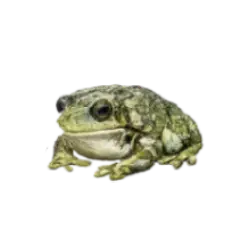
Amazon Milk Frog (Trachycephalus resinifictrix) thumbnail image on AnimalDex

Amazon Milk Frog

Species principle: Canopy Vigilance

Watch the hidden water.

Awareness deepens when the watcher knows where hidden water lives.

Amazon Milk Frogs are arboreal frogs that breed in water-filled tree holes and use adhesive toe pads, large eyes, and defensive secretions in the canopy.

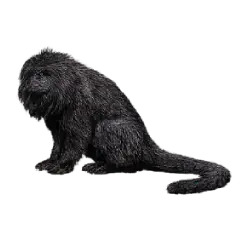
Black Howler Monkey (Alouatta caraya) thumbnail image on AnimalDex

Black Howler Monkey

Species principle: Canopy Resonance

Boom through leaves.

A voice can hold territory without rushing the body.

Black Howler Monkeys use enlarged hyoid bones to produce loud calls that carry through forest canopy, helping maintain spacing and social communication.

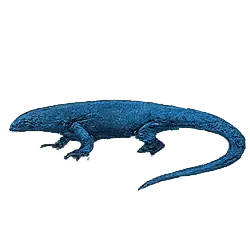
Blue Tree Monitor (Varanus macraei) thumbnail image on AnimalDex

Blue Tree Monitor

Species principle: Sapphire Stealth

Climb in blue silence.

Brightness can still move quietly when it knows the branches.

Blue Tree Monitors are arboreal monitor lizards with vivid blue coloration, long claws, and climbing habits in island forest trees.

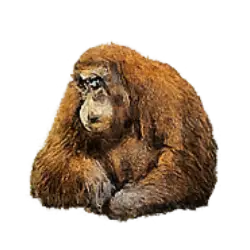
Bornean Orangutan (Pongo pygmaeus) thumbnail image on AnimalDex

Bornean Orangutan

Species principle: Nestcraft

Build the night bed.

Home becomes a practice when it is built again with intention.

Bornean Orangutans build sleeping nests in trees using branches and leaves, often making new nests regularly while traveling and foraging in the canopy.

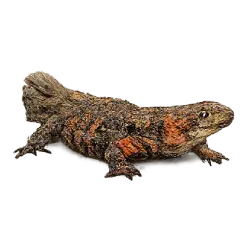
Chinese Crocodile Lizard (Shinisaurus crocodilurus) thumbnail image on AnimalDex

Chinese Crocodile Lizard

Species principle: Stream Stillness

Wait by the stream.

Small dragons become serious when they know exactly where to wait.

Chinese Crocodile Lizards are semi-aquatic lizards that perch near cool forest streams and often remain still for long periods before moving or hunting.

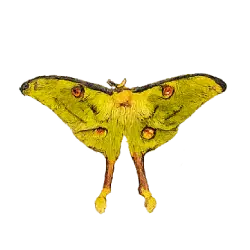
Comet Moth (Argema mittrei) thumbnail image on AnimalDex

Comet Moth

Species principle: Soft Drama

Float the comet.

A dramatic shape can still move with silence.

Comet Moths have large yellow wings and long trailing tails. As adult silk moths, they live briefly and focus on reproduction rather than feeding.

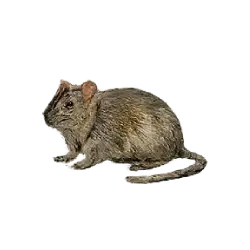
Degu (Octodon degus) thumbnail image on AnimalDex

Degu

Species principle: Daylight Trust

Trust the colony.

A hard place becomes livable when trust has tunnels and voices.

Degus are social, diurnal rodents that live in burrow systems, use vocal communication, and cooperate in colonies in dry Chilean habitats.

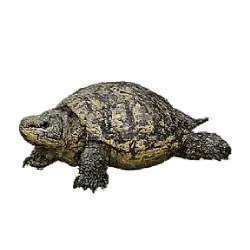
Diamondback Terrapin (Malaclemys terrapin) thumbnail image on AnimalDex

Diamondback Terrapin

Species principle: Brackish Strength

Hold the mixed water.

Mixed waters build creatures that can hold more than one world.

Diamondback Terrapins live in brackish coastal marshes, using patterned shells, strong swimming, and salt-tolerant habits to navigate tidal creeks and marsh habitats.

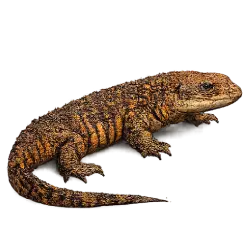
Earless Monitor Lizard (Lanthanotus borneensis) thumbnail image on AnimalDex

Earless Monitor Lizard

Species principle: Hidden Relic

Stay the secret dragon.

Mystery survives best when it does not announce itself.

Earless Monitor Lizards are rare semi-aquatic lizards from Borneo with secretive habits, moving around streams and damp forest habitats.

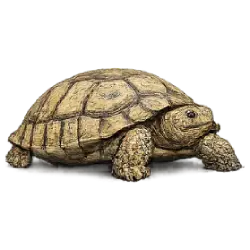
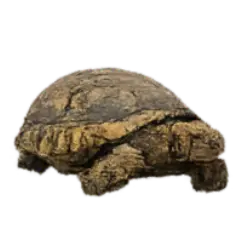
Elongated Tortoise (Indotestudo elongata) thumbnail image on AnimalDex

Elongated Tortoise

Species principle: Long-Shell Travel

Roam the leaf floor.

Slow movement still becomes a life when it keeps crossing the leaf litter.

Elongated Tortoises have long shells and roam forest floors, feeding on plant material, fungi, and fallen fruit with slow steady movement.

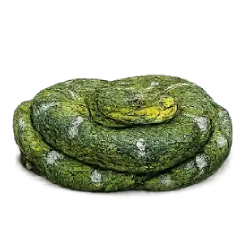
Emerald Tree Boa (Corallus caninus) thumbnail image on AnimalDex

Emerald Tree Boa

Species principle: Branch Patience

Coil into green.

Patience deepens when the body becomes part of the branch.

Emerald Tree Boas coil over branches in rainforest canopies and use stillness, camouflage, and ambush strikes to capture prey.

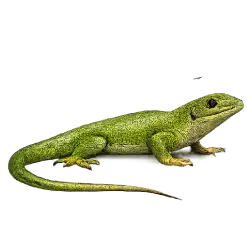
Emerald Tree Skink (Lamprolepis smaragdina) thumbnail image on AnimalDex

Emerald Tree Skink

Species principle: Invitation

Greet the branch.

A bright presence can make the branches feel open.

Emerald Tree Skinks are active arboreal lizards with bright green coloration and quick climbing behavior through trunks and branches in tropical habitats.

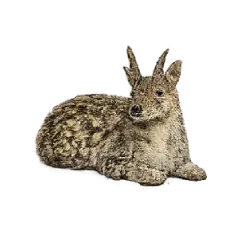
Four-horned Antelope (Tetracerus quadricornis) thumbnail image on AnimalDex

Four-horned Antelope

Species principle: Rare Signature

Carry the four.

A rare feature becomes power when it cannot be mistaken for anything else.

Four-horned Antelope males are unusual among bovids for having two pairs of horns, and they move through dry woodland and scrub with secretive habits.

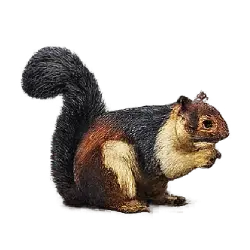
Giant Malabar Squirrel animal lesson image on AnimalDex

Giant Malabar Squirrel

Species principle: Canopy Balance

Leap in color.

Bright motion stays powerful when balance carries it branch to branch.

Giant Malabar Squirrels are large colorful tree squirrels that leap through forest canopies using strong limbs and long tails for balance.

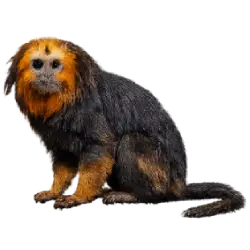
Golden-headed Lion Tamarin (Leontopithecus chrysomelas) thumbnail image on AnimalDex

Golden-headed Lion Tamarin

Species principle: Golden Kinship

Carry the golden young.

Bright energy lasts when the family carries the work together.

Golden-headed Lion Tamarins live in family groups and use cooperative care, including shared infant carrying, while foraging in Atlantic Forest canopies.

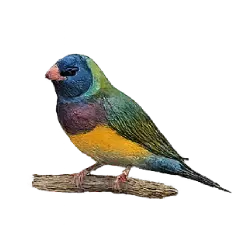
Gouldian Finch (Erythrura gouldiae) thumbnail image on AnimalDex

Gouldian Finch

Species principle: Small Brilliance

Flash the seedlight.

A tiny body can still carry color bright enough to be remembered.

Gouldian Finches are small seed-eating finches of northern Australian grasslands, known for vivid plumage and social flocking around grass seed resources.

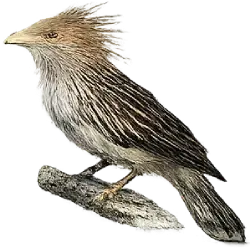
Guira Cuckoo (Guira guira) thumbnail image on AnimalDex

Guira Cuckoo

Species principle: Scruffy Alliance

Hunt with the scruffs.

The strange little team can become stronger than the polished loner.

Guira Cuckoos are social cuckoos that often move and forage in groups, using calls and cooperative behavior in open scrub and woodland habitats.

Explore related indexes