Back to Powers

Animal Powers

Canopy Life

Wear the watching face.

Animals grouped here express a similar power through their behavior in nature. Each species still has its own principle, lesson, meaning, and field-guide page.

64 species

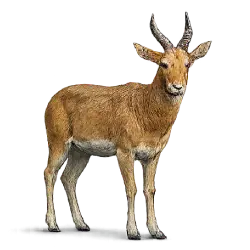
Hirola (Beatragus hunteri) thumbnail image on AnimalDex

Hirola

Species principle: Grassland False Eyes

Wear the watching face.

A memorable face can help the body speak before it moves.

Hirolas have distinctive pale facial markings that can look like spectacles or extra eyes, along with herd life and grazing in open grassland.
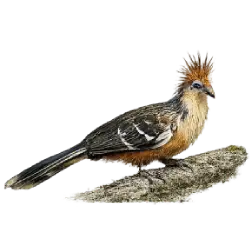
Hoatzin (Opisthocomus hoazin) thumbnail image on AnimalDex

Hoatzin

Species principle: Odd Fit

Trust the odd fit.

A strange solution is not strange when it fits the life exactly.

Hoatzins eat large amounts of leaves and use foregut fermentation, unusual among birds, to digest plant material in swamp forest habitats.

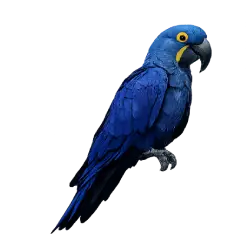
Hyacinth Macaw (Anodorhynchus hyacinthinus) thumbnail image on AnimalDex

Hyacinth Macaw

Species principle: Blue Devotion

Crack the palm together.

A brilliant life is strongest when loyalty and strength share the same branch.

Hyacinth Macaws form strong pair bonds and use powerful beaks to crack hard palm nuts, often moving through savanna and palm habitats in pairs or family groups.

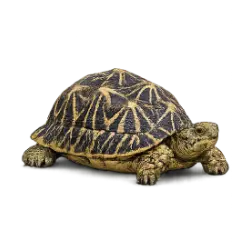
Indian Star Tortoise (Geochelone elegans) thumbnail image on AnimalDex

Indian Star Tortoise

Species principle: Radiant Armor

Wear the stars.

A beautiful pattern can protect as much as it decorates.

Indian Star Tortoises have star-like shell patterns that may help break up their outline among dry grasses and scrub while also making them visually distinctive.

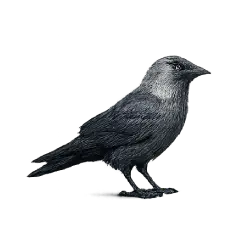
Jackdaw (Coloeus monedula) thumbnail image on AnimalDex

Jackdaw

Species principle: Adaptation

Use the opening.

New doors open for the one willing to make a home where others see only gaps.

Jackdaws are social corvids that nest in cavities such as cliffs, tree holes, chimneys, ruins, and buildings. Their flexible nesting habits help them live close to human structures as well as wild places.

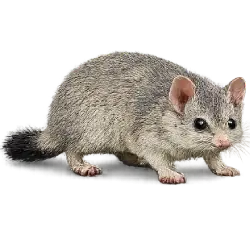
Kowari (Dasyuroides byrnei) thumbnail image on AnimalDex

Kowari

Species principle: Desert Boldness

Hunt with the tuft.

A tiny hunter becomes bold when the night belongs to its feet.

Kowaris are small carnivorous marsupials with black tail tufts that hunt insects and small animals at night in arid stony habitats.

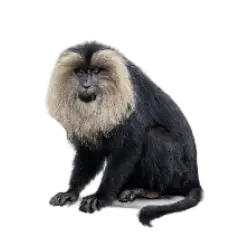
Lion-tailed Macaque (Macaca silenus) thumbnail image on AnimalDex

Lion-tailed Macaque

Species principle: Canopy Intelligence

Think through the canopy.

A sharp mind climbs best when it stays close to its kin.

Lion-tailed Macaques live in social groups in wet evergreen forests, using clever foraging behavior, vocal communication, and canopy movement.

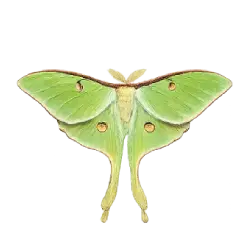
Luna Moth (Actias luna) thumbnail image on AnimalDex

Luna Moth

Species principle: Soft Impression

Leave soft light.

Softness can still leave a shape the night remembers.

Luna Moths are large pale green silk moths with long tails; adults live briefly, do not feed, and fly at night to reproduce.

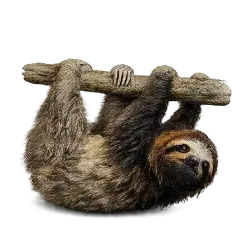
Maned Sloth animal lesson image on AnimalDex

Maned Sloth

Species principle: Canopy Patience

Cling slowly.

A gentle pace can fit a complex world when every grip is deliberate.

Maned Sloths are slow-moving arboreal mammals that cling to forest branches with curved claws and feed on leaves in Atlantic Forest habitats.

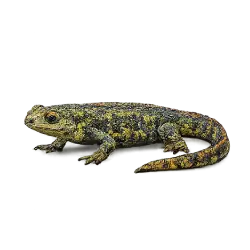
Marbled Newt (Triturus marmoratus) thumbnail image on AnimalDex

Marbled Newt

Species principle: Seasonal Passage

Follow the season.

Growth continues when the path changes with the season.

Marbled Newts move between terrestrial woodland habitats and aquatic breeding ponds, developing crests and aquatic behaviors during the breeding season.

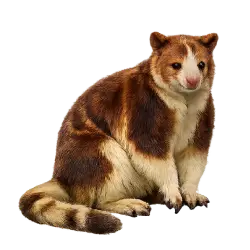
Matschie's Tree Kangaroo (Dendrolagus matschiei) thumbnail image on AnimalDex

Matschie's Tree Kangaroo

Species principle: Body Reimagined

Take the body upward.

An old design can find a new direction when it learns the trees.

Matschie’s Tree Kangaroos are arboreal marsupials with strong forelimbs, gripping paws, and long tails that help them climb and move through cloud forest trees.

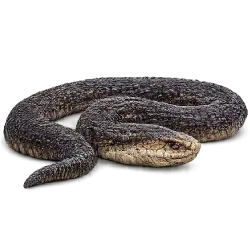
Mole Viper (Atractaspis microlepidota) thumbnail image on AnimalDex

Mole Viper

Species principle: Subterranean Power

Strike below.

The surface never sees the strength gathering below it.

Mole Vipers are burrowing snakes with specialized skulls and unusual side-stabbing fangs that allow them to bite prey in confined underground spaces.

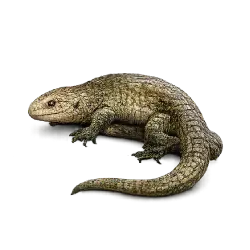
Monkey-tailed Skink (Corucia zebrata) thumbnail image on AnimalDex

Monkey-tailed Skink

Species principle: Grasp

Grip the branch.

A strong grip opens a vertical world.

Monkey-tailed Skinks are large arboreal lizards with prehensile tails and strong claws, feeding largely on leaves in forest canopies.

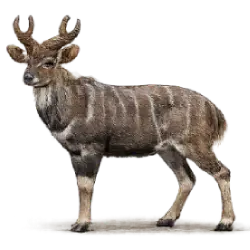
Mountain Nyala (Tragelaphus buxtoni) thumbnail image on AnimalDex

Mountain Nyala

Species principle: Highland Elegance

Walk the high stripe.

Strong patterns can move gently when the highlands are home.

Mountain Nyalas are antelope of Ethiopian highlands, with pale stripes, spiral horns in males, and browsing habits in montane woodland and grassland edges.

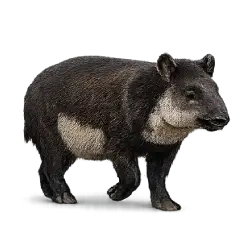
Mountain Tapir (Tapirus pinchaque) thumbnail image on AnimalDex

Mountain Tapir

Species principle: Cloud Covering

Wear the cloud.

The right covering can turn cold mist into home.

Mountain Tapirs have woolly coats and flexible snouts, browsing in cold Andean cloud forests and high-elevation habitats.

Northern Luzon Giant Cloud Rat animal lesson image on AnimalDex

Northern Luzon Giant Cloud Rat

Species principle: Canopy-Night Weight

Belong to branches.

Habitat dependence becomes strength when the whole body fits the canopy.

Cloud Rats are arboreal rodents of Philippine forests, often nocturnal and adapted to life in trees.

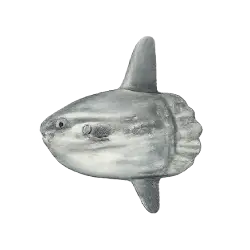
Ocean Sunfish (Mola mola) thumbnail image on AnimalDex

Ocean Sunfish

Species principle: Odd Thriving

Thrive strange.

A strange shape can thrive when it stops apologizing for its design.

Ocean Sunfish have huge flattened bodies, swim with dorsal and anal fins, bask near the surface, and feed largely on gelatinous prey such as jellyfish.

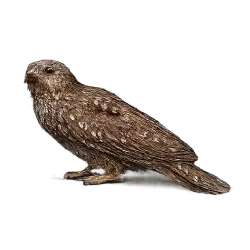
Oilbird (Steatornis caripensis) thumbnail image on AnimalDex

Oilbird

Species principle: Cave Echolocation

Hear the cave.

The dark becomes navigable when you learn to hear its shape.

Oilbirds are nocturnal fruit-eating birds that nest in caves and use audible clicks for echolocation while navigating in darkness.

Explore related indexes