Back to Powers

Animal Powers

Canopy Life

Emerge in mist.

Animals grouped here express a similar power through their behavior in nature. Each species still has its own principle, lesson, meaning, and field-guide page.

64 species

Olinguito animal lesson image on AnimalDex

Olinguito

Species principle: Mist-Canopy Discovery

Emerge in mist.

Wonder can be real, biological, and quietly adapted to a narrow place.

Olinguitos are small Andean cloud-forest mammals recognized as a distinct species in recent scientific history, living in high wet forests.
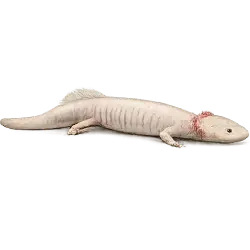
Olm (Proteus anguinus) thumbnail image on AnimalDex

Olm

Species principle: Cave Adaptation

Learn the dark water.

A strange world becomes livable when the senses change to meet it.

Olms are cave-dwelling salamanders with reduced eyes, pale skin, and sensory adaptations for life in dark subterranean waters.

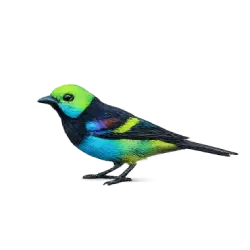
Paradise Tanager animal lesson image on AnimalDex

Paradise Tanager

Species principle: Canopy Mosaic

Color in motion.

A vivid identity can still belong to a moving group.

Paradise Tanagers are brightly colored canopy birds that forage in tropical forests, often moving with mixed-species flocks.

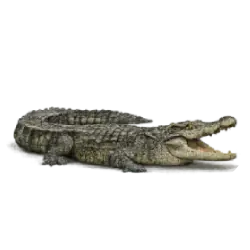
Philippine Crocodile (Crocodylus mindorensis) thumbnail image on AnimalDex

Philippine Crocodile

Species principle: Small Stronghold

Hold the small river.

A small stronghold can matter deeply when few safe waters remain.

Philippine Crocodiles are critically endangered freshwater crocodiles that inhabit rivers, marshes, and ponds in limited remaining habitats.

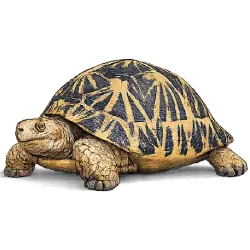
Radiated Tortoise (Astrochelys radiata) thumbnail image on AnimalDex

Radiated Tortoise

Species principle: Shell Radiance

Carry the sunburst.

Beauty can travel slowly and still command the eye.

Radiated Tortoises have striking star-patterned shells and move through dry thorn scrub habitats in southern Madagascar.

Red-shanked Douc (Pygathrix nemaeus) thumbnail image on AnimalDex

Red-shanked Douc

Species principle: Color Composure

Stay bright and calm.

Brightness becomes stronger when it travels with calm control.

Red-shanked Doucs are brightly colored arboreal primates that live in social groups and feed largely on leaves in forest canopies.

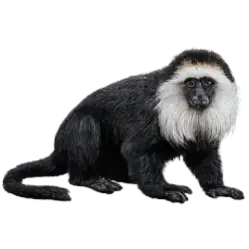
Roloway Monkey animal lesson image on AnimalDex

Roloway Monkey

Species principle: Canopy Cohesion

Signal through leaves.

A group holds together when its signals are visible through the leaves.

Roloway Monkeys are arboreal primates that live in social groups and move through forest canopy. Their striking facial markings and calls support recognition and group coordination.

Saimaa Ringed Seal (Phoca hispida saimensis) thumbnail image on AnimalDex

Saimaa Ringed Seal

Species principle: Breathing Openings

Keep the ice open.

Tiny openings can keep life alive through a frozen world.

Saimaa Ringed Seals live in freshwater Lake Saimaa and maintain breathing holes in ice, also using snow and ice lairs for breeding.

Scarlet Macaw (Ara macao) thumbnail image on AnimalDex

Scarlet Macaw

Species principle: Colorful Labor

Work in color.

Bright color can still belong to practical work.

Scarlet Macaws use powerful curved bills to crack nuts and seeds while moving through rainforest canopies in pairs or flocks, showing vivid red, yellow, and blue plumage.

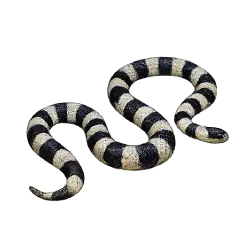
Sea Krait (Laticauda colubrina) thumbnail image on AnimalDex

Sea Krait

Species principle: Amphibious Passage

Cross the reef border.

The right body crosses the border between worlds.

Sea Kraits have paddle-like tails for swimming and still return to land for digestion, egg-laying, and rest, moving between marine and terrestrial environments.

Silky Anteater (Cyclopes didactylus) thumbnail image on AnimalDex

Silky Anteater

Species principle: Soft Utility

Sip softly.

Gentleness can still be shaped for useful work.

Silky Anteaters are small arboreal anteaters with hooked claws and long tongues used to feed on ants and termites while moving quietly through trees.

Silvery Gibbon animal lesson image on AnimalDex

Silvery Gibbon

Species principle: Canopy Song

Sing through branches.

A voice travels farther when the body is built for open branches.

Silvery Gibbons move through forest canopies by brachiation and use loud calls to communicate, maintain pair bonds, and mark territories.

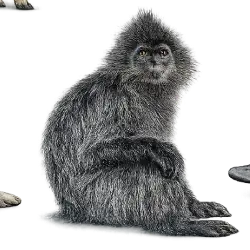
Silvery Lutung (Trachypithecus cristatus) thumbnail image on AnimalDex

Silvery Lutung

Species principle: Dietary Fit

Fit the leaf.

A narrow diet becomes strength when the body is built for it.

Silvery Lutungs are leaf-eating primates with digestive adaptations for processing foliage and social arboreal lives in mangroves and forests.

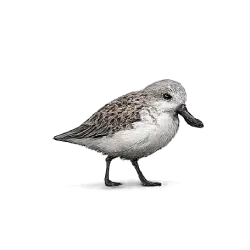
Spoon-billed Sandpiper (Calidris pygmaea) thumbnail image on AnimalDex

Spoon-billed Sandpiper

Species principle: Spoon Precision

Sweep the mud.

One special tool can turn mud into a map of hidden food.

Spoon-billed Sandpipers have distinctive spoon-shaped bills used to probe and sweep shallow mudflats for tiny invertebrates during migration and feeding.

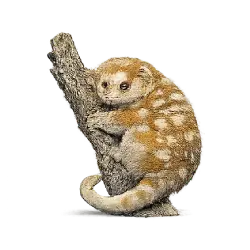
Spotted Cuscus (Spilocuscus maculatus) thumbnail image on AnimalDex

Spotted Cuscus

Species principle: Slow Grip

Clasp the branch.

Slow movement sees what hurried bodies pass beneath.

Spotted Cuscuses are nocturnal arboreal marsupials with strong gripping paws and slow deliberate movement through forest canopies.

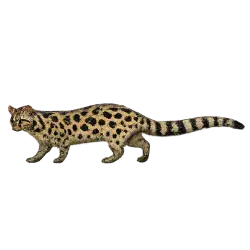
Spotted Linsang animal lesson image on AnimalDex

Spotted Linsang

Species principle: Branch Secrecy

Slip above shadow.

Hidden paths open to the body that moves softly above the ground.

Spotted Linsangs are slender, nocturnal, arboreal carnivores with spotted coats and long tails used for balance in forest canopies.

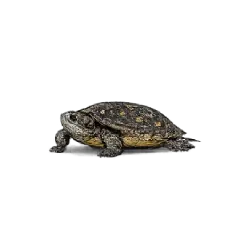
Spotted Turtle (Clemmys guttata) thumbnail image on AnimalDex

Spotted Turtle

Species principle: Small Signatures

Carry the stars.

Tiny marks can make a quiet life unmistakable.

Spotted Turtles have dark shells marked with yellow spots and live in shallow wetlands, bogs, marshes, and ponds.

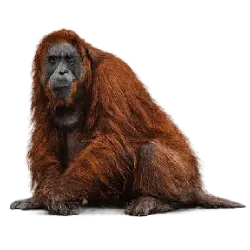
Sumatran Orangutan (Pongo abelii) thumbnail image on AnimalDex

Sumatran Orangutan

Species principle: Canopy Thought

Think in branches.

Careful thought shapes the world one branch at a time.

Sumatran Orangutans are intelligent arboreal apes known for tool use, complex foraging behavior, and regular nest building in rainforest canopies.

Explore related indexes