AnimalDex
en
Back to Powers

Animal Powers

Confidence

Raise the sail.

Animals grouped here express a similar power through their behavior in nature. Each species still has its own principle, lesson, meaning, and field-guide page.

24 species

Amboina Sailfin Lizard animal lesson image on AnimalDex

Amboina Sailfin Lizard

Species principle: Amboina Sailfin Lizard · Crested Display

Raise the sail.

Visible confidence can turn vulnerability into presence.

Amboina Sailfin Lizards have prominent sail-like crests and are strong swimmers that use display, size, and habitat movement.

Ballan Wrasse animal lesson image on AnimalDex

Ballan Wrasse

Species principle: Rocky Assurance

Work the rocks.

Confidence grows from familiarity with shelter, food, and terrain.

Ballan Wrasse live around rocky reefs and kelp, using strong jaws to feed on shellfish and other hard prey.

Belted Kingfisher (Megaceryle alcyon) thumbnail image on AnimalDex

Belted Kingfisher

Species principle: Rattle Signature

Rattle, then dive.

Confidence sharpens when your method is unmistakably your own.

Belted Kingfishers use loud rattling calls, large bills, shaggy crests, and plunge-diving behavior to catch fish from rivers, lakes, and shorelines.

Betta animal lesson image on AnimalDex

Betta

Species principle: Territorial Display

Flare first.

Clear presence can reduce wasted conflict when boundaries are visible early.

Betta fish are known for territorial males, vivid fin displays, and aggressive posturing toward rivals.

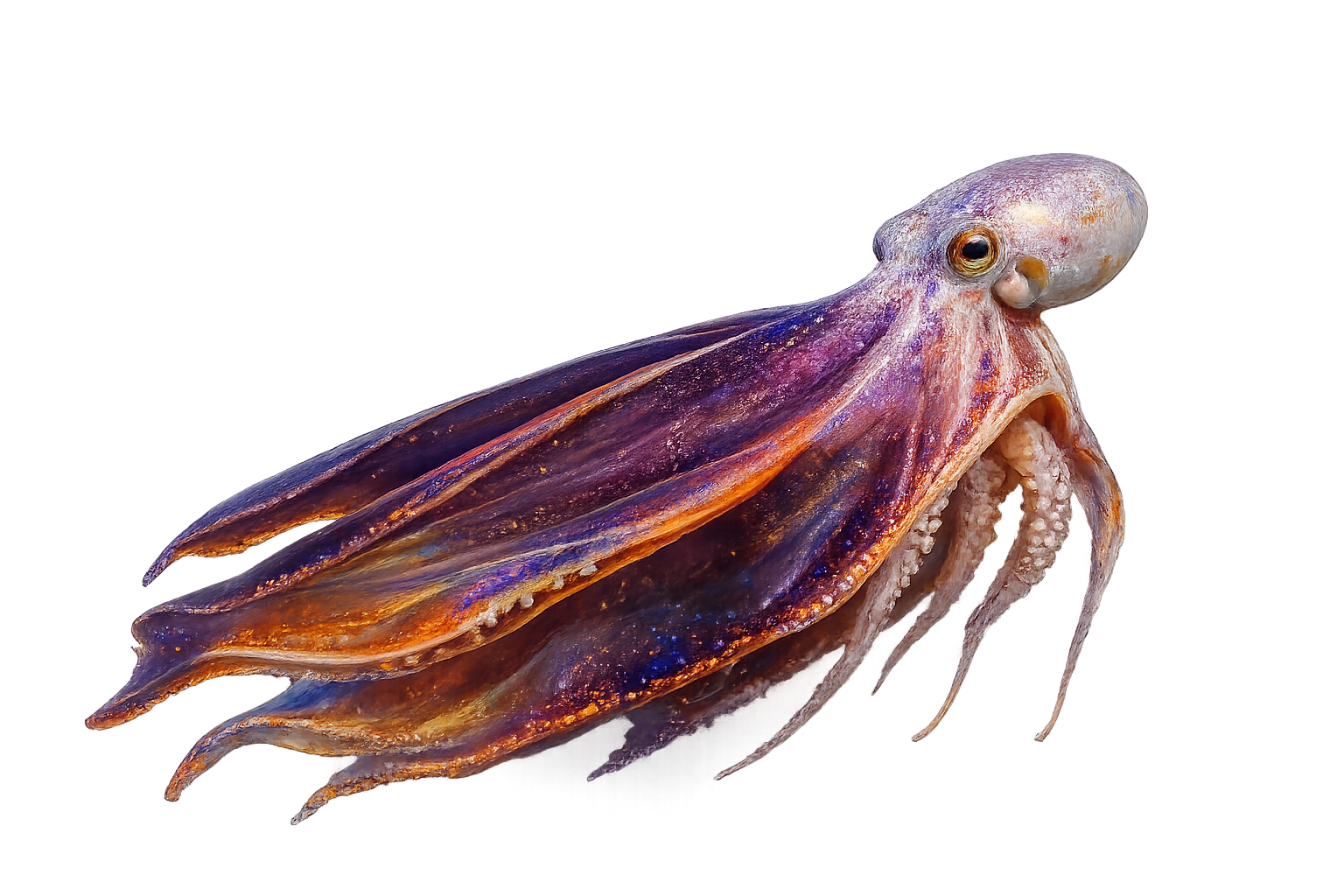
Blanket Octopus animal lesson image on AnimalDex

Blanket Octopus

Species principle: Display

Unfurl your power.

Softness does not mean weakness; sometimes the best defense is visible confidence.

Blanket octopuses can spread dramatic webbing to appear larger and more difficult to attack in open water.

Cetti's Warbler animal lesson image on AnimalDex

Cetti's Warbler

Species principle: Hidden Voice

Be heard from cover.

A small voice can define a whole space without stepping into the open.

Cetti's Warblers are secretive wetland birds that are often heard before they are seen, using loud explosive song from dense cover.

Crowntail Betta animal lesson image on AnimalDex

Crowntail Betta

Species principle: Fringed Defiance

Flare your edges.

A dramatic boundary can prevent a needless fight.

Crowntail Bettas have spiked fin edges and are associated with territorial display and ornamental intensity.

Delta Guppy animal lesson image on AnimalDex

Delta Guppy

Species principle: Fan Presence

Open the fan.

Display is strongest when form and timing work together.

Delta Guppies are ornamental guppies selected for broad tail shape and visual display.

Eastern Collared Lizard animal lesson image on AnimalDex

Eastern Collared Lizard

Species principle: Footing

Know the rock.

Confidence begins when the body knows exactly where it belongs.

Eastern Collared Lizards are fast, alert lizards of rocky habitats. They use strong limbs, balancing tails, basking sites, and quick sprints across rocks to hunt and escape.

Emperor Scorpion (Pandinus imperator) thumbnail image on AnimalDex

Emperor Scorpion

Species principle: Pincer Protection

Lead with armor.

A strong outside lets you move with confidence.

Emperor scorpions rely heavily on large pincers, armored bodies, and defensive posture, with venom as a secondary defense.

Garut sheep animal lesson image on AnimalDex

Garut sheep

Species principle: Brave Push

Push with purpose.

Strength works best when it is guided, not wasted.

Garut sheep are known for strong bodies and controlled head-to-head contests, where balance and timing matter as much as force.

Great Tit animal lesson image on AnimalDex

Great Tit

Species principle: Boldness

Learn the feeder.

Curiosity becomes useful when it is paired with repeatable field sense.

Great Tits are adaptable cavity-nesting birds that learn quickly, explore feeding sites, and adjust well to gardens, woods, and parks.

Halfmoon Betta animal lesson image on AnimalDex

Halfmoon Betta

Species principle: Full Display

Open fully.

Confidence becomes convincing when it is whole, clear, and timed.

Halfmoon Bettas are ornamental bettas selected for wide semicircular tail spread and dramatic display.

Hog Badger (Arctonyx collaris) thumbnail image on AnimalDex

Hog Badger

Species principle: Snout Labor

Plow with purpose.

Confidence comes from using the exact tool the body was given.

Hog Badgers use pig-like snouts and strong claws to root and dig for food in soil and leaf litter.

Lionhead Rabbit animal lesson image on AnimalDex

Lionhead Rabbit

Species principle: Crowned Boldness

Wear the mane.

Confidence can be grown through shape, posture, and display.

Lionhead Rabbits are small domestic rabbits with woolly manes that create a distinctive lion-like appearance.

Mainland Serow (Capricornis sumatraensis) thumbnail image on AnimalDex

Mainland Serow

Species principle: Slope Certainty

Trust the edge.

Confidence grows where the feet can trust the edge.

Mainland Serows are goat-antelopes adapted to steep forested slopes, using strong hooves, muscular bodies, and cautious movement through rugged terrain.

Mistle Thrush animal lesson image on AnimalDex

Mistle Thrush

Species principle: Berryguard

Guard the winter tree.

Protection matters most when one food source anchors a hard season.

Mistle Thrushes feed on berries and insects and may defend berry-rich trees, holding winter resources with loud calls and bold presence.

Nilgai (Boselaphus tragocamelus) thumbnail image on AnimalDex

Nilgai

Species principle: Quiet Stride

Stride the plain.

Quiet confidence can cross a plain without asking the world to move aside.

Nilgai are large Asian antelopes that move through open scrub, farmland, and woodland edges with long legs, herd behavior, and steady walking or running.

Explore related indexes