Back to Powers

Animal Powers

Dense Environments

Be costly to attack.

Animals grouped here express a similar power through their behavior in nature. Each species still has its own principle, lesson, meaning, and field-guide page.

14 species

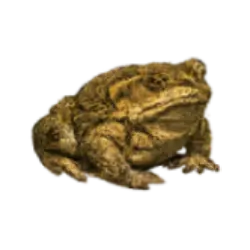
Cane Toad (Rhinella marina) thumbnail image on AnimalDex

Cane Toad

Species principle: Deterrence

Be costly to attack.

Some boundaries work because crossing them has a real cost.

Cane Toads have large parotoid glands that secrete potent toxins. This chemical defense deters many predators and helps the toad survive despite being slow-moving.
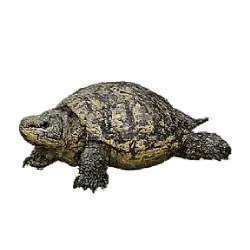
Diamondback Terrapin (Malaclemys terrapin) thumbnail image on AnimalDex

Diamondback Terrapin

Species principle: Brackish Strength

Hold the mixed water.

Mixed waters build creatures that can hold more than one world.

Diamondback Terrapins live in brackish coastal marshes, using patterned shells, strong swimming, and salt-tolerant habits to navigate tidal creeks and marsh habitats.

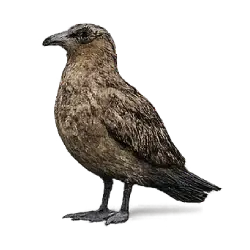
Great Skua (Stercorarius skua) thumbnail image on AnimalDex

Great Skua

Species principle: Kleptoparasitism

Raid the sky.

Boldness can become a feeding strategy.

Great skuas are aggressive seabirds known for stealing food from other birds and defending nesting territories fiercely.

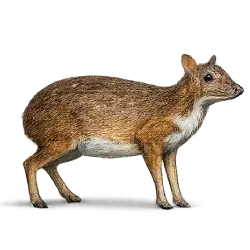
Greater Mouse-deer animal lesson image on AnimalDex

Greater Mouse-deer

Species principle: Small Stealth

Tiptoe through cover.

Smallness becomes power when it can pass where noise cannot follow.

Greater Mouse-deer are small, secretive ungulates that move quietly through dense Southeast Asian forest cover, relying on concealment and quick retreat.

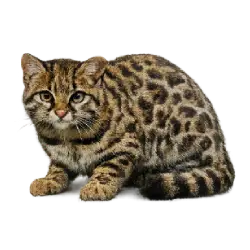
Kodkod animal lesson image on AnimalDex

Kodkod

Species principle: Small Passage

Fit the thicket.

Smallness becomes strength when the path is too tight for giants.

Kodkods are among the smallest wild cats, using compact bodies, spotted camouflage, and climbing ability in dense forests and thickets of southern South America.

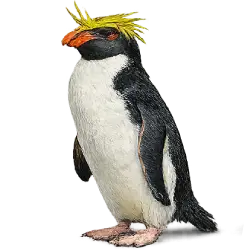
Macaroni Penguin animal lesson image on AnimalDex

Macaroni Penguin

Species principle: Crested Identity

Keep the crest.

A bold sign can keep its shape even inside the crowd.

Macaroni Penguins breed in dense colonies and are recognized by bright yellow crest feathers, strong diving ability, and highly social colony behavior.

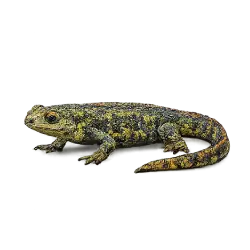
Marbled Newt (Triturus marmoratus) thumbnail image on AnimalDex

Marbled Newt

Species principle: Seasonal Passage

Follow the season.

Growth continues when the path changes with the season.

Marbled Newts move between terrestrial woodland habitats and aquatic breeding ponds, developing crests and aquatic behaviors during the breeding season.

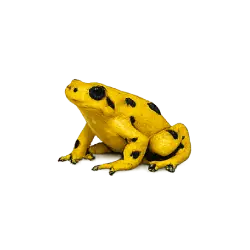
Panamanian Golden Frog (Atelopus zeteki) thumbnail image on AnimalDex

Panamanian Golden Frog

Species principle: Gesture Signaling

Wave above the noise.

When one message is drowned out, the body can become the signal.

Panamanian Golden Frogs use visual semaphore-like hand and foot waving, especially useful near noisy streams where calls may be masked.

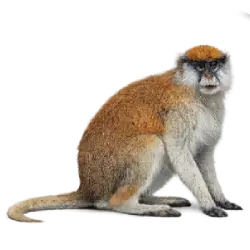
Patas Monkey (Erythrocebus patas) thumbnail image on AnimalDex

Patas Monkey

Species principle: Ground Speed

Run the grassland.

A new landscape rewards the body willing to change how it moves.

Patas Monkeys are unusually terrestrial and fast-running primates, adapted to open savanna and grassland habitats more than dense canopy life.

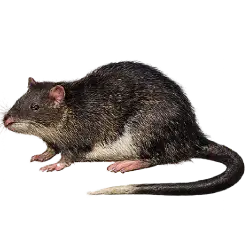
Rakali animal lesson image on AnimalDex

Rakali

Species principle: Two-World Skill

Hunt both edges.

Advantage grows where one body learns two worlds.

Rakali are semi-aquatic rodents that use webbed feet, strong swimming, and sharp senses to hunt along streams, wetlands, and riverbanks.

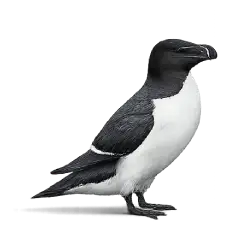
Razorbill (Alca torda) thumbnail image on AnimalDex

Razorbill

Species principle: Dual Mastery

Dive from the cliff.

Living between two worlds becomes strength when each world trains a different skill.

Razorbills nest on sea cliffs and use their wings underwater to pursue fish, moving between crowded breeding ledges and cold marine feeding grounds.

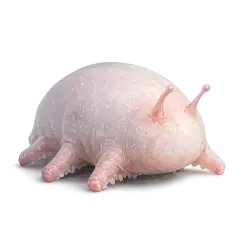
Sea Pig animal lesson image on AnimalDex

Sea Pig

Species principle: Grounding

Walk the deep floor.

Progress does not need glamour; it needs contact with the ground beneath you.

Sea pigs use tube feet to move across deep soft sediments while feeding on organic material in the mud.

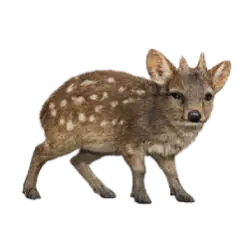
Southern Pudu (Pudu puda) thumbnail image on AnimalDex

Southern Pudu

Species principle: Miniaturization

Slip through small spaces.

Smallness becomes power when it lets you pass where larger bodies cannot.

Southern Pudus are among the smallest deer. Their compact bodies and shy movement help them move through dense temperate forest undergrowth where larger deer would be more exposed.

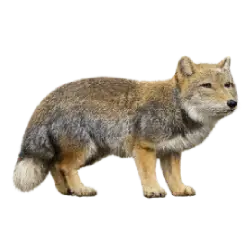
Tibetan Fox animal lesson image on AnimalDex

Tibetan Fox

Species principle: Plateau Focus

Stare down the plateau.

In a wide empty place, focus becomes the path.

Tibetan Foxes hunt on high plateaus, often targeting pikas with patient watching, careful steps, and a distinctive square-faced profile suited to open grasslands.

Explore related indexes