
Back to Powers

Animal Powers

Long Journeys

Ride the cliff wind.

Animals grouped here express a similar power through their behavior in nature. Each species still has its own principle, lesson, meaning, and field-guide page.

27 species

Andean Condor (Vultur gryphus) thumbnail image on AnimalDex

Andean Condor

Species principle: Mountain Lift

Ride the cliff wind.

Great wings go farther when they let the mountain air do some of the carrying.

Andean Condors use huge wings and rising air currents along mountains and cliffs to soar long distances while searching for carrion.
Arctic Tern (Sterna paradisaea) thumbnail image on AnimalDex

Arctic Tern

Species principle: Great Passage

Follow the light.

A small body can belong to the whole world when it follows the light.

Arctic Terns make one of the longest migrations of any animal, traveling between Arctic breeding grounds and Antarctic waters each year.

Baya Weaver animal lesson image on AnimalDex

Baya Weaver

Species principle: Careful Craft

Build it well.

Good things last longer when you make them with care.

Baya weavers create complex hanging nests through repeated weaving, selection, testing, and careful construction.

Black-browed Albatross (Thalassarche melanophris) thumbnail image on AnimalDex

Black-browed Albatross

Species principle: Ocean Handling

Turn over waves.

Far travel belongs to the one that can turn lightly over rough water.

Black-browed Albatrosses use long narrow wings and dynamic soaring to travel over Southern Ocean winds and waves while foraging across large distances.

Common Raven (Corvus corax) thumbnail image on AnimalDex

Common Raven

Species principle: Foresight

Store for winter.

Store value before hunger teaches you its price.

Common Ravens cache food and can remember hidden stores. Like other corvids, they use memory, observation, and flexible behavior when storing and recovering food.

Dromedary Camel (Camelus dromedarius) thumbnail image on AnimalDex

Dromedary Camel

Species principle: Fortitude

Cross the heat.

Hard places are crossed by the body built to conserve what matters.

Dromedary Camels are adapted for desert travel with humps storing fat, tolerance for dehydration, wide feet for sand, closable nostrils, and physiological heat management.

Elongated Tortoise (Indotestudo elongata) thumbnail image on AnimalDex

Elongated Tortoise

Species principle: Long-Shell Travel

Roam the leaf floor.

Slow movement still becomes a life when it keeps crossing the leaf litter.

Elongated Tortoises have long shells and roam forest floors, feeding on plant material, fungi, and fallen fruit with slow steady movement.

Fruit Bat animal lesson image on AnimalDex

Fruit Bat

Species principle: Renewal

Spread the forest.

Influence can be indirect; what you spread may matter more than what you keep.

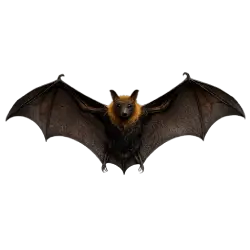
Many fruit bats disperse seeds and pollinate plants, supporting forest regeneration.

Galápagos Tortoise animal lesson image on AnimalDex

Galápagos Tortoise

Species principle: Longevity

Outlast the island.

A long life is built by moving slowly enough to keep going.

Galápagos Tortoises are long-lived island giants with slow metabolism, large shells, and adaptations to varied island habitats.

Greater Rhea animal lesson image on AnimalDex

Greater Rhea

Species principle: Stewardship

Guard what grows.

Protection becomes sacred when you choose to guard what is still becoming.

Greater Rheas are flightless grassland birds. Males build nests, incubate eggs from multiple females, and guard the chicks after hatching.

Green Sea Turtle (Chelonia mydas) thumbnail image on AnimalDex

Green Sea Turtle

Species principle: Natal Return

Return to the shore.

Some journeys are completed by finding the shore that began you.

Green Sea Turtles migrate long distances between feeding areas and nesting beaches, with females returning to beaches near where they hatched to lay eggs.

Hamilton's Frog (Leiopelma hamiltoni) thumbnail image on AnimalDex

Hamilton's Frog

Species principle: Primitive Persistence

Last through ages.

Lasting can be its own triumph when the world keeps changing around you.

Hamilton's Frogs belong to an ancient New Zealand frog lineage with primitive traits and survive in extremely limited rocky island habitats.

Humpback Whale (Megaptera novaeangliae) thumbnail image on AnimalDex

Humpback Whale

Species principle: Ocean Song

Sing the ocean road.

A long journey can still carry music across the deep.

Humpback Whales migrate long distances between feeding and breeding grounds and are known for complex songs, social behavior, and dramatic surface displays.

Kemp's Ridley Sea Turtle animal lesson image on AnimalDex

Kemp's Ridley Sea Turtle

Species principle: Arribada

Return with many.

Commitment can be ancient, collective, and guided by place.

Kemp Ridley sea turtles are known for synchronized arribada nesting, long ocean movement, and strong natal beach instincts.

Leopard Tortoise (Stigmochelys pardalis) thumbnail image on AnimalDex

Leopard Tortoise

Species principle: Slow Distance

Step the long ground.

Small steps still cross long ground when they never abandon the path.

Leopard Tortoises are large terrestrial tortoises of African savannas and scrublands, moving slowly with domed protective shells across dry landscapes.

Loggerhead Sea Turtle (Caretta caretta) thumbnail image on AnimalDex

Loggerhead Sea Turtle

Species principle: Ocean Continuance

Stroke by stroke.

A long life is crossed one stroke at a time.

Loggerhead Sea Turtles migrate across large ocean distances using powerful front flippers, strong shells, and navigational ability between feeding and nesting areas.

Marsh Deer animal lesson image on AnimalDex

Marsh Deer

Species principle: Marsh Passage

Cross the wet grass.

The right shape turns flooded ground into a road.

Marsh Deer are wetland deer with long legs and splayed hooves that help them move through marshes, flooded grasslands, and aquatic vegetation.

Monarch Butterfly (Danaus plexippus) thumbnail image on AnimalDex

Monarch Butterfly

Species principle: Inherited Migration

Carry the route.

Small bodies can carry enormous direction.

Monarch butterflies complete long migrations across generations using inherited navigation and seasonal movement cues.

Explore related indexes