
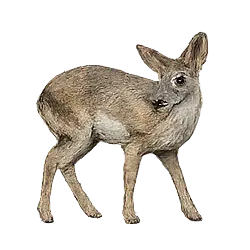
Beira
Species principle: Rock Mastery
Master the hard ground.
Small climbers master hard ground by placing each step with care.
Beira are small antelope adapted to dry rocky hills, using nimble movement, alertness, and sure footing in arid terrain.
Animal Powers
Master the hard ground.
Animals grouped here express a similar power through their behavior in nature. Each species still has its own principle, lesson, meaning, and field-guide page.
5 species
Species principle: Rock Mastery
Master the hard ground.
Small climbers master hard ground by placing each step with care.
Beira are small antelope adapted to dry rocky hills, using nimble movement, alertness, and sure footing in arid terrain.

Species principle: Cliffside Cache
Cache on stone.
Preparedness matters most where footing and food are both uncertain.
Cliff Chipmunks live among rocky slopes, forage actively, and cache seeds or other foods while using crevices for cover.
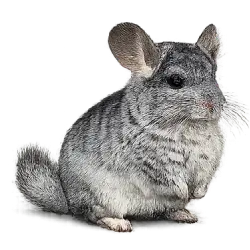
Species principle: Soft Toughness
Stay soft on stone.
Softness survives when it knows how to move over hard stone.
Long-tailed Chinchillas have extremely dense soft fur and agile movement across rocky Andean slopes, where they shelter in crevices and avoid predators.
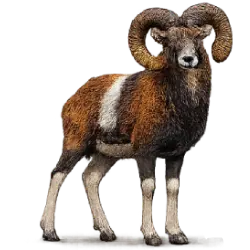
Species principle: Horn Boundary
Hold the horn line.
A strong boundary can prevent a contest from becoming chaos.
Mouflon males have large curved horns used in dominance contests, while sure-footed bodies help them move through rocky hills and slopes.
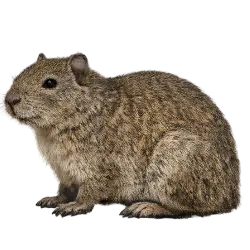
Species principle: Rock-Shelter Alarm
Warn from stone.
Safety improves when many eyes use the same cover.
Rock Cavies live among rocky outcrops in groups, using crevices, alertness, and quick movement to avoid predators.