
Back to Powers

Animal Powers

Visibility

Raise the sail.

Animals grouped here express a similar power through their behavior in nature. Each species still has its own principle, lesson, meaning, and field-guide page.

22 species

Amboina Sailfin Lizard animal lesson image on AnimalDex

Amboina Sailfin Lizard

Species principle: Crested Display

Raise the sail.

Visible confidence can turn vulnerability into presence.

Amboina Sailfin Lizards have prominent sail-like crests and are strong swimmers that use display, size, and habitat movement.
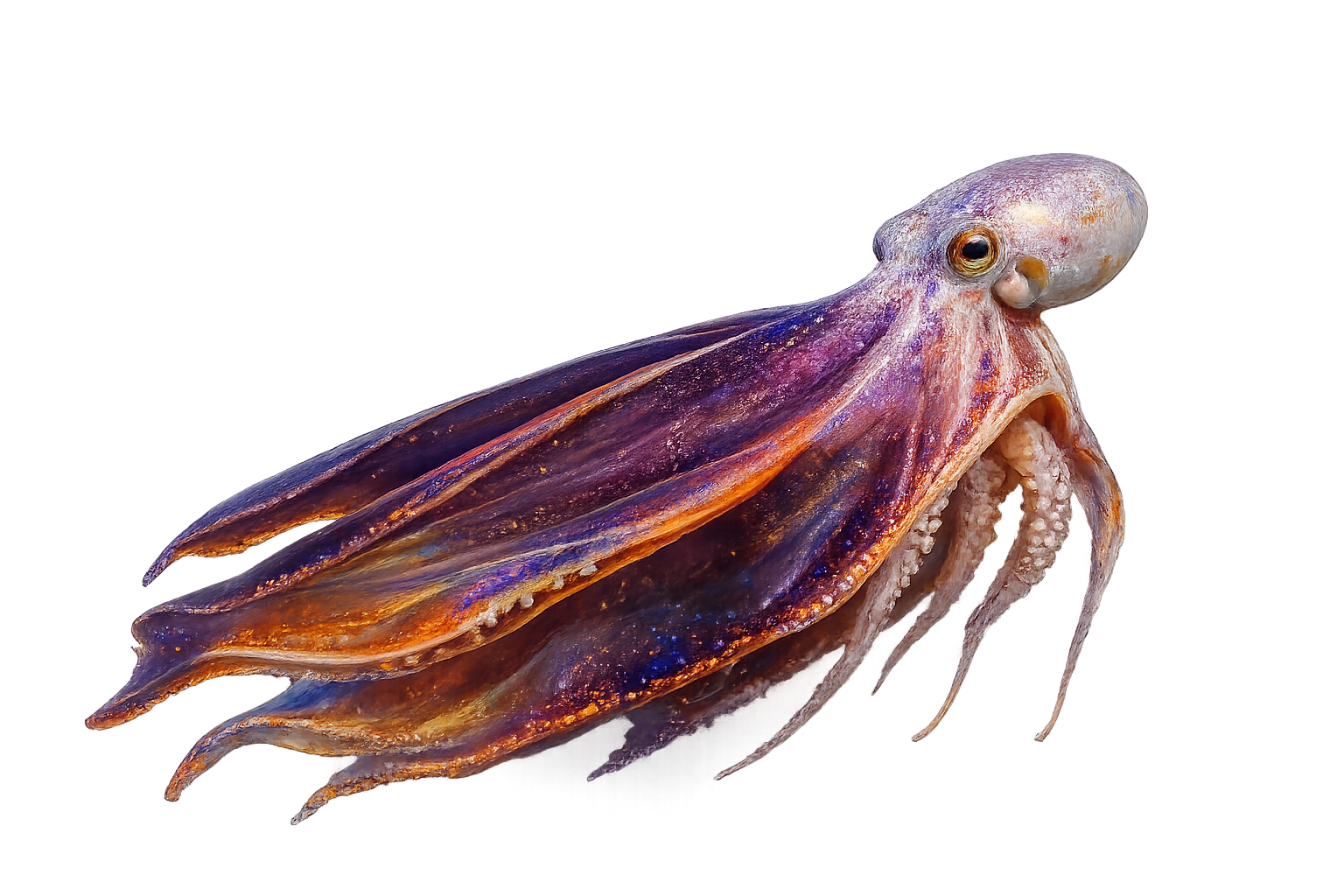
Blanket Octopus animal lesson image on AnimalDex

Blanket Octopus

Species principle: Display

Unfurl your power.

Softness does not mean weakness; sometimes the best defense is visible confidence.

Blanket octopuses can spread dramatic webbing to appear larger and more difficult to attack in open water.

Californian Rabbit animal lesson image on AnimalDex

Californian Rabbit

Species principle: Marked Composure

Marked, yet calm.

A clear identity can remain calm under attention.

Californian Rabbits are domestic rabbits with distinctive dark points and calm production-breed traits.

Cobra Guppy animal lesson image on AnimalDex

Cobra Guppy

Species principle: Patterned Flash

Flash the pattern.

Visibility can protect and attract when it is quick, bright, and readable.

Cobra Guppies are ornamental guppies selected for striking body patterns and display traits.

Diana Monkey animal lesson image on AnimalDex

Diana Monkey

Species principle: Crownwatch

Keep the crown alert.

Visibility works best when display and vigilance stay connected.

Diana Monkeys are colorful forest monkeys that live in social groups and use calls and canopy movement to respond to predators.

Eclectus Parrot animal lesson image on AnimalDex

Eclectus Parrot

Species principle: Color Contrast

Show the contrast.

Identity can be strengthened when contrast is visible instead of hidden.

Eclectus Parrots are sexually dimorphic parrots with striking color differences and strong social communication.

Fire Salamander (Salamandra salamandra) thumbnail image on AnimalDex

Fire Salamander

Species principle: Warning Beauty

Wear the flame.

Being visible can protect you when the signal is honest.

Fire Salamanders have bright yellow or orange warning markings and toxic skin secretions, often active in moist forests after rain.

Foxface Rabbitfish animal lesson image on AnimalDex

Foxface Rabbitfish

Species principle: Chosen Visibility

Bright by day, gone by dark.

Standing out is safe when you can stop doing it.

Foxface Rabbitfish grazes in daylight in brilliant yellow and shifts to mottled brown blotching within seconds when it is alarmed or bedding down for the night, with venomous dorsal spines covering the moment in between.

Garibaldi Fish animal lesson image on AnimalDex

Garibaldi Fish

Species principle: Territorial Brightness

Guard what you build.

A clear, visible claim can prevent confusion and protect what matters.

Garibaldi fish are vivid orange damselfish known for strongly defending territories, especially nesting areas.

Green-winged Macaw animal lesson image on AnimalDex

Green-winged Macaw

Species principle: Crimson Bonding

Color keeps close.

Visible affection can become a stabilizing force.

Green-winged Macaws are intelligent social parrots with strong pair bonds, loud calls, and vivid red-green plumage.

Harlequin Rabbit animal lesson image on AnimalDex

Harlequin Rabbit

Species principle: Split Pattern

Balance the contrast.

Identity can hold two sides without becoming confused.

Harlequin Rabbits are domestic rabbits known for bold patterned coloration and show-breed distinctiveness.

Hecale Longwing animal lesson image on AnimalDex

Hecale Longwing

Species principle: Warning Beauty

Beauty warns.

A clear pattern can protect as much as it attracts.

Hecale Longwings are Heliconius butterflies with warning coloration linked to chemical defense and predator learning.

Malachite butterfly animal lesson image on AnimalDex

Malachite butterfly

Species principle: Green Flash

Flash green.

Visibility is most effective when it arrives as timing, not constant display.

Malachite Butterflies have striking green markings and move through tropical habitats where color and flight create noticeability.

Mediterranean Feather Star animal lesson image on AnimalDex

Mediterranean Feather Star

Species principle: Feathered Current

Feather the current.

Gentle movement can still be a feeding strategy.

Feather Stars use many feathery arms to cling, crawl, swim, and filter food particles from moving water.

Narrow-bordered Bee Hawkmoth animal lesson image on AnimalDex

Narrow-bordered Bee Hawkmoth

Species principle: Glasswing

Flash through clear wings.

Visibility and transparency can work together when movement stays quick.

Clearwing moths have partly transparent wings and many species mimic wasps or bees while visiting flowers.

Pied Crow animal lesson image on AnimalDex

Pied Crow

Species principle: Clever Contrast

Stand out smartly.

A clear difference can make your message easier to notice.

Pied crows use sharp contrast, intelligence, memory, and flexible feeding to adapt across many places.

Postman butterfly animal lesson image on AnimalDex

Postman butterfly

Species principle: Signal Memory

Color teaches.

A repeated signal becomes protection when others learn to remember it.

Postman Butterflies are Heliconius butterflies with warning coloration and learned predator avoidance associated with chemical defense.

Snow Bunting animal lesson image on AnimalDex

Snow Bunting

Species principle: White-Field Brightness

Stay bright in snow.

Resilience can stay visible even when the season is severe.

Snow Buntings breed in Arctic and subarctic habitats and forage in open snowy landscapes with plumage suited to cold environments.

Explore related indexes