

100 Smartest Animals Ranked
Dolphins, chimpanzees, orcas, octopuses and ravens lead the 100 smartest animals. See how each one solves problems, uses tools and communicates.
Animal intelligence is multidimensional. Social learning, memory, communication, tool use, and solitary puzzle solving are different capabilities, so this ranking does not pretend they collapse into one IQ.
The table is an AnimalDex intelligence ranking: 100 species ordered by the intelligence profile used across the catalog. The write-up explains which kind of smart each top animal is actually demonstrating.
What are the smartest animals?
Dolphin ranks #1 in this AnimalDex list. Dolphins combine communication, play, memory, and social learning at a very high level.
There is no single scientific intelligence score that covers every animal equally. Dolphins, chimpanzees, orcas, octopuses, ravens, and crows all belong in the top tier, depending on whether you mean social intelligence, tool use, communication, or solitary problem solving.
Elite social cognition
Tool and social problem solving
Pod-scale strategic learning
Tier-list table
This tier-list table includes 100 ranked species, animal icons, tier labels, and links back into species pages.
Showing 100 of 100
| Rank | Animal | Tier | Primary metric | Why it ranks | Read species guide |
|---|---|---|---|---|---|
| #1 | S | Elite social cognition | Dolphins combine communication, play, memory, and social learning at a very high level. | Read species guide | |
| #2 | S | Tool and social problem solving | Chimpanzees stay near the top because they pair hard-edged manipulation with sophisticated group behavior. | Read species guide | |
| #3 | A | Pod-scale strategic learning | Orcas convert shared memory and coordinated hunting into one of the ocean's strongest intelligence profiles. | Read species guide | |
| #4 | A | Solitary puzzle intelligence | Octopus is one of the best solitary problem-solving animals in the world. | Read species guide | |
| #5 | A | High-level corvid problem solving | Ravens repeatedly appear in advanced puzzle and planning discussions for a reason. | Read species guide | |
| #6 | B | Urban and tool-linked intelligence | Crows are elite real-world adapters, especially in human-modified environments. | Read species guide | |
| #7 | B | Memory and social awareness | Elephants keep a place near the top because memory, sociality, and environmental reading all run deep in the species. | Read species guide | |
| #8 | B | Calm strategic social intelligence | Gorilla intelligence is less flashy than some species above it, but still substantial and socially rich. | Read species guide | |
| #9 | B | Rapid adaptive signaling | Cuttlefish turns perception and body-display control into one of the most impressive adaptive systems in the sea. | Read species guide | |
| #10 | B | Pack coordination intelligence | Wolf belongs because social hunting and pressure management still count as serious cognition. | Read species guide | |
| #11 | C | 87/100 intelligence stat | 87/100 intelligence profile. White-faced Capuchin is a primate known for clever grasping hands, strong social teamwork, and forest problem-solving behavior, which places it in C tier for this list. | Read species guide | |
| #12 | C | 86/100 intelligence stat | 86/100 intelligence profile. Woolly Monkey is a primate known for prehensile tail like an extra hand, soft thick fur, and large social canopy groups, which places it in C tier for this list. | Read species guide | |
| #13 | C | 83/100 intelligence stat | 83/100 intelligence profile. Red-shanked Douc is a primate known for bright multi-colored fur, leaf-eating monkey diet, and high-canopy social life, which places it in C tier for this list. | Read species guide | |
| #14 | C | 83/100 intelligence stat | 83/100 intelligence profile. Ring-tailed lemurs are ground-using Malagasy primates recognized for striped tails, social groups, and heavy reliance on scent and sunning behavior, which places it in C tier for this list. | Read species guide | |
| #15 | C | 83/100 intelligence stat | 83/100 intelligence profile. Mandrill is a primate known for bright blue-and-red face, powerful forest-ground body, and complex troop social life, which places it in C tier for this list. | Read species guide | |
| #16 | C | 80/100 intelligence stat | 80/100 intelligence profile. Bonobo is a primate known for slender ape body, high social intelligence, and peace-making group behavior, which places it in C tier for this list. | Read species guide | |
| #17 | C | 80/100 intelligence stat | 80/100 intelligence profile. Proboscis monkeys are riverine Bornean primates famous for large noses, strong swimming ability, and social groups tied to mangroves and lowland forest edges, which places it in C tier for this list. | Read species guide | |
| #18 | C | 79/100 intelligence stat | 79/100 intelligence profile. The western lowland gorilla is a large forest ape recognized by its great strength, dark fur, and social family groups, which places it in C tier for this list. | Read species guide | |
| #19 | C | 79/100 intelligence stat | 79/100 intelligence profile. Japanese Macaque is a primate known for thick seasonal coat, troop social reading, and cold-island adaptability, which places it in C tier for this list. | Read species guide | |
| #20 | C | 69/100 intelligence stat | 69/100 intelligence profile. Naked Mole-rat is a mammal known for hairless wrinkled body, protruding digging incisors, and eusocial tunnel-colony life, which places it in C tier for this list. | Read species guide | |
| #21 | C | 69/100 intelligence stat | 69/100 intelligence profile. Meerkats are small desert mongooses known for upright vigilance, social digging, and cooperative group living in open dry habitats, which places it in C tier for this list. | Read species guide | |
| #22 | C | 68/100 intelligence stat | 68/100 intelligence profile. Orangutans are large arboreal apes famous for deliberate movement, long learning periods, and strong dependence on complex tropical forest canopies, which places it in C tier for this list. | Read species guide | |
| #23 | C | 68/100 intelligence stat | 68/100 intelligence profile. The scarlet macaw is a large brilliantly colored parrot known for loud social flight, strong bill power, and canopy foraging in Neotropical forests, which places it in C tier for this list. | Read species guide | |
| #24 | C | 68/100 intelligence stat | 68/100 intelligence profile. Boxer crabs are small reef crabs famous for carrying tiny sea anemones in their claws, turning borrowed stinging partners into defensive and feeding tools, which places it in C tier for this list. | Read species guide | |
| #25 | C | 68/100 intelligence stat | 68/100 intelligence profile. Spotted hyenas are powerful social carnivores with strong jaws, efficient endurance, and complex clan behavior that extends far beyond simple scavenging, which places it in C tier for this list. | Read species guide | |
| #26 | C | 68/100 intelligence stat | 68/100 intelligence profile. The prairie dog is a social burrowing rodent that builds colonies, raises alarms, and shapes grassland life above and below ground, which places it in C tier for this list. | Read species guide | |
| #27 | C | 68/100 intelligence stat | 68/100 intelligence profile. The North American raccoon is a clever omnivore known for masked faces, nimble paws, and success in both wild and urban habitats, which places it in C tier for this list. | Read species guide | |
| #28 | C | 67/100 intelligence stat | 67/100 intelligence profile. Golden Snub-nosed Monkey is a mammal known for blue face with upturned nose, thick cold-mountain fur, and large social troop behavior, which places it in C tier for this list. | Read species guide | |
| #29 | C | 67/100 intelligence stat | 67/100 intelligence profile. Kea is a bird known for clever mountain parrot mind, curved probing bill, and snow-country curiosity, which places it in C tier for this list. | Read species guide | |
| #30 | C | 67/100 intelligence stat | 67/100 intelligence profile. The greater flamingo is a tall filter-feeding wader recognized for pink-white plumage, long legs, and dense social flocks in saline wetlands, which places it in C tier for this list. | Read species guide | |
| #31 | C | 67/100 intelligence stat | 67/100 intelligence profile. Zebra Finch is a bird known for barred tail and chest patterning, bright orange beak, and constant social chirping, which places it in C tier for this list. | Read species guide | |
| #32 | C | 66/100 intelligence stat | 66/100 intelligence profile. Lions are social big cats recognized for pride living, coordinated hunts, and heavy-bodied strength on open African landscapes and a small remnant Asian range, which places it in C tier for this list. | Read species guide | |
| #33 | C | 66/100 intelligence stat | 66/100 intelligence profile. Green Jay is a bird known for green-blue-yellow patchwork plumage, bold social intelligence, and fruit-and-insect woodland foraging, which places it in C tier for this list. | Read species guide | |
| #34 | C | 66/100 intelligence stat | 66/100 intelligence profile. The alpaca is a small camelid bred for soft fiber, gentle herd behavior, and cool high-elevation living, which places it in C tier for this list. | Read species guide | |
| #35 | C | 65/100 intelligence stat | 65/100 intelligence profile. Spectral Tarsier is a primate known for enormous night-adapted eyes, vertical leaping body, and insect-catching precision, which places it in C tier for this list. | Read species guide | |
| #36 | C | 65/100 intelligence stat | 65/100 intelligence profile. Burrowing Parrot is a bird known for cliff-tunneling nest habit, long-distance flock flight, and strong social chatter, which places it in C tier for this list. | Read species guide | |
| #37 | C | 64/100 intelligence stat | 64/100 intelligence profile. Drill is a primate known for powerful dark body, bold face markings, and large troop forest life, which places it in C tier for this list. | Read species guide | |
| #38 | C | 64/100 intelligence stat | 64/100 intelligence profile. Bald Uakari is a primate known for bright red bare face, short tail, and flooded-forest troop life, which places it in C tier for this list. | Read species guide | |
| #39 | C | 64/100 intelligence stat | 64/100 intelligence profile. The sea otter is a coastal marine mammal recognized by dense fur, floating behavior, and tool use while eating shellfish, which places it in C tier for this list. | Read species guide | |
| #40 | C | 64/100 intelligence stat | 64/100 intelligence profile. Squirrel Monkey is a primate known for tiny fast canopy body, large group movement, and alert fruit-and-insect foraging, which places it in C tier for this list. | Read species guide | |
| #41 | C | 64/100 intelligence stat | 64/100 intelligence profile. Degu is a mammal known for whiskered social rodent body, brush-tipped tail, and day-active burrow colony life, which places it in C tier for this list. | Read species guide | |
| #42 | C | 63/100 intelligence stat | 63/100 intelligence profile. The Maine Coon is a large domestic cat breed known for its robust frame, tufted ears, thick tail, and adaptable, social temperament, which places it in C tier for this list. | Read species guide | |
| #43 | C | 63/100 intelligence stat | 63/100 intelligence profile. Pigeon is a bird known for fast homing flight memory, compact urban-adapted body, and strong flock navigation behavior, which places it in C tier for this list. | Read species guide | |
| #44 | C | 63/100 intelligence stat | 63/100 intelligence profile. The llama is a South American camelid known for its long neck, woolly coat, and sure-footed movement in high landscapes, which places it in C tier for this list. | Read species guide | |
| #45 | C | 62/100 intelligence stat | 62/100 intelligence profile. The African grey parrot is a highly intelligent parrot known for gray plumage, red tail, and advanced vocal learning, which places it in C tier for this list. | Read species guide | |
| #46 | C | 62/100 intelligence stat | 62/100 intelligence profile. Black Vulture is a bird known for dark broad-winged soaring, bare black scavenger head, and social roosting and carcass-search behavior, which places it in C tier for this list. | Read species guide | |
| #47 | C | 62/100 intelligence stat | 62/100 intelligence profile. Pig is a mammal known for sensitive rooting snout, social learning behavior, and adaptable omnivore feeding, which places it in C tier for this list. | Read species guide | |
| #48 | C | 61/100 intelligence stat | 61/100 intelligence profile. Emperor Tamarin is a primate known for long white mustache, tiny branch-running body, and cooperative family care, which places it in C tier for this list. | Read species guide | |
| #49 | C | 61/100 intelligence stat | 61/100 intelligence profile. Coati is a mammal known for long flexible nose, ringed balancing tail, and social daytime foraging, which places it in C tier for this list. | Read species guide | |
| #50 | C | 61/100 intelligence stat | 61/100 intelligence profile. Goose is a bird known for long-distance migratory v-form flight, strong social call coordination, and grazing wetland adaptation, which places it in C tier for this list. | Read species guide | |
| #51 | C | 61/100 intelligence stat | 61/100 intelligence profile. The common raven is a large intelligent black bird known for problem-solving, deep calls, and acrobatic flight, which places it in C tier for this list. | Read species guide | |
| #52 | C | 60/100 intelligence stat | 60/100 intelligence profile. Sumatran Orangutan is a primate known for slimmer canopy build, long flexible reach, and fine-scale branch navigation, which places it in C tier for this list. | Read species guide | |
| #53 | C | 60/100 intelligence stat | 60/100 intelligence profile. The beluga whale is a small Arctic whale known for its white body, flexible neck, and wide range of social sounds, which places it in C tier for this list. | Read species guide | |
| #54 | C | 60/100 intelligence stat | 60/100 intelligence profile. Coyote is a mammal known for narrow canid muzzle, adaptable edge-habitat movement, and high-pitched social calls, which places it in C tier for this list. | Read species guide | |
| #55 | C | 59/100 intelligence stat | 59/100 intelligence profile. Golden Lion Tamarin is a primate known for bright orange mane-like fur, tiny agile tree body, and family-group canopy life, which places it in C tier for this list. | Read species guide | |
| #56 | C | 59/100 intelligence stat | 59/100 intelligence profile. The African wild dog is a highly social carnivore with distinctive patchy coat patterns and cooperative pack behavior, which places it in C tier for this list. | Read species guide | |
| #57 | C | 59/100 intelligence stat | 59/100 intelligence profile. Mantled Howler Monkey is a primate known for deep carrying roar, leaf-eating forest lifestyle, and slow deliberate canopy travel, which places it in C tier for this list. | Read species guide | |
| #58 | C | 58/100 intelligence stat | 58/100 intelligence profile. Tapanuli Orangutan is a primate known for shaggy mountain coat, isolated forest adaptation, and careful branch and ridge travel, which places it in C tier for this list. | Read species guide | |
| #59 | C | 58/100 intelligence stat | 58/100 intelligence profile. Bornean Orangutan is a primate known for heavy arboreal frame, long grasping arms, and deliberate canopy travel, which places it in C tier for this list. | Read species guide | |
| #60 | C | 58/100 intelligence stat | 58/100 intelligence profile. The aye-aye is a rare Madagascan primate known for huge ears, ever-growing teeth, and a long thin middle finger used to find food in wood, which places it in C tier for this list. | Read species guide | |
| #61 | C | 58/100 intelligence stat | 58/100 intelligence profile. Pygmy Slow Loris is a primate known for huge night-looking eyes, very slow branch movement, and strong gripping hands, which places it in C tier for this list. | Read species guide | |
| #62 | C | 58/100 intelligence stat | 58/100 intelligence profile. Gelada is a primate known for grass-eating monkey diet, cliffside troop living, and red chest patch, which places it in C tier for this list. | Read species guide | |
| #63 | C | 58/100 intelligence stat | 58/100 intelligence profile. The sulphur-crested cockatoo is a loud white parrot known for its yellow crest, intelligence, and strong social flocks, which places it in C tier for this list. | Read species guide | |
| #64 | C | 57/100 intelligence stat | 57/100 intelligence profile. Black-and-white Colobus is a primate known for dramatic black-and-white coat, high canopy leaf feeding, and tail used for balance in leaps, which places it in C tier for this list. | Read species guide | |
| #65 | C | 57/100 intelligence stat | 57/100 intelligence profile. Senegal Bushbaby is a primate known for huge night-adapted eyes, spring-like leaping legs, and tree-gum and insect feeding, which places it in C tier for this list. | Read species guide | |
| #66 | C | 56/100 intelligence stat | 56/100 intelligence profile. Siamang is a primate known for swinging brachiation through canopy, inflatable throat sac, and paired duet calling, which places it in C tier for this list. | Read species guide | |
| #67 | C | 55/100 intelligence stat | 55/100 intelligence profile. Pygmy Marmoset is a mammal known for tiny fingertip-sized primate body, long ringed tail, and tree-sap gouging behavior, which places it in C tier for this list. | Read species guide | |
| #68 | C | 55/100 intelligence stat | 55/100 intelligence profile. Patas Monkey is a primate known for long running legs, open-savannah monkey lifestyle, and fast ground escape, which places it in C tier for this list. | Read species guide | |
| #69 | C | 51/100 intelligence stat | 51/100 intelligence profile. Clown Loach is a fish known for orange body with bold black bands, downturned barbels, and social river-bottom shoaling, which places it in C tier for this list. | Read species guide | |
| #70 | C | 50/100 intelligence stat | 50/100 intelligence profile. Termites are social insects that process plant material, build climate-regulating mounds, and quietly reshape soil and nutrient systems, which places it in C tier for this list. | Read species guide | |
| #71 | C | 48/100 intelligence stat | 48/100 intelligence profile. Honey bees are social pollinators that collect nectar and pollen, coordinate foraging through shared signals, and help connect flowering plants to wider food systems, which places it in C tier for this list. | Read species guide | |
| #72 | C | 47/100 intelligence stat | 47/100 intelligence profile. Earless Monitor Lizard is a reptile known for bead-scaled dark brown body, small external-earless head, and secretive streamside burrowing, which places it in C tier for this list. | Read species guide | |
| #73 | C | 47/100 intelligence stat | 47/100 intelligence profile. Addax is a mammal known for pale desert coat, wide spreading hooves, and slow-energy dryland survival, which places it in C tier for this list. | Read species guide | |
| #74 | C | 47/100 intelligence stat | 47/100 intelligence profile. Red Wolf is a mammal known for slim reddish canid frame, long-legged wetland stride, and pair-and-pack territory calling, which places it in C tier for this list. | Read species guide | |
| #75 | C | 47/100 intelligence stat | 47/100 intelligence profile. Baird's Tapir is a mammal known for short trunk-like nose, forest seed-spreading habit, and strong swimming ability, which places it in C tier for this list. | Read species guide | |
| #76 | C | 47/100 intelligence stat | 47/100 intelligence profile. The Malayan tapir is a large nocturnal forest browser with a distinctive black-and-white body pattern, flexible snout, and dependence on wet tropical cover, which places it in C tier for this list. | Read species guide | |
| #77 | C | 47/100 intelligence stat | 47/100 intelligence profile. Coquerel's Sifaka is a mammal known for sideways ground bounding, long balancing tail, and powerful vertical leaps, which places it in C tier for this list. | Read species guide | |
| #78 | C | 47/100 intelligence stat | 47/100 intelligence profile. Victoria Crowned Pigeon is a bird known for huge lace-like blue crest, large ground-walking pigeon body, and deep forest floor life, which places it in C tier for this list. | Read species guide | |
| #79 | C | 47/100 intelligence stat | 47/100 intelligence profile. Markhor is a mammal known for spiraling corkscrew horns, climbing skill on steep rock, and sure-footed mountain balance, which places it in C tier for this list. | Read species guide | |
| #80 | C | 47/100 intelligence stat | 47/100 intelligence profile. Long-nosed Potoroo is a mammal known for pointed scenting snout, strong hind-leg hopping, and fungus-digging forest foraging, which places it in C tier for this list. | Read species guide | |
| #81 | C | 47/100 intelligence stat | 47/100 intelligence profile. The sloth bear is a shaggy bear of South Asia known for insect feeding, a pale chest mark, and strong digging abilities, which places it in C tier for this list. | Read species guide | |
| #82 | C | 47/100 intelligence stat | 47/100 intelligence profile. Blue Whale is a marine mammal known for largest body on earth, filter-feeding on tiny prey, and long-distance ocean movement, which places it in C tier for this list. | Read species guide | |
| #83 | C | 47/100 intelligence stat | 47/100 intelligence profile. Wolverines are powerful northern mustelids known for stamina, scavenging skill, and the ability to travel huge snowy ranges with little support, which places it in C tier for this list. | Read species guide | |
| #84 | C | 47/100 intelligence stat | 47/100 intelligence profile. Goitered Gazelle is a mammal known for light tan desert coat, slender ringed horns, and fast open-steppe sprinting, which places it in C tier for this list. | Read species guide | |
| #85 | C | 47/100 intelligence stat | 47/100 intelligence profile. Himalayan Goral is a mammal known for compact gray mountain body, short backward horns, and nimble rock-slope movement, which places it in C tier for this list. | Read species guide | |
| #86 | C | 47/100 intelligence stat | 47/100 intelligence profile. Sitatunga is a mammal known for elongated splayed hooves, shaggy water-resistant coat, and reedbed hiding behavior, which places it in C tier for this list. | Read species guide | |
| #87 | C | 47/100 intelligence stat | 47/100 intelligence profile. The ocelot is a beautifully patterned cat of the Americas known for rosettes, stealth, and dense-cover hunting, which places it in C tier for this list. | Read species guide | |
| #88 | C | 47/100 intelligence stat | 47/100 intelligence profile. The aardvark is a nocturnal African mammal known for its long snout, strong digging claws, and ant-and-termite diet, which places it in C tier for this list. | Read species guide | |
| #89 | C | 47/100 intelligence stat | 47/100 intelligence profile. Red Kite is a bird of prey known for forked tail, russet body sheen, and effortless scavenging and mouse-hunting glide, which places it in C tier for this list. | Read species guide | |
| #90 | C | 47/100 intelligence stat | 47/100 intelligence profile. Northern Tamandua is a mammal known for curved claws for nest opening, long sticky tongue, and tree-and-ground termite feeding, which places it in C tier for this list. | Read species guide | |
| #91 | C | 47/100 intelligence stat | 47/100 intelligence profile. Great Gray Owl is a bird of prey known for huge facial disc, silent forest flight, and deep-snow listening hunt, which places it in C tier for this list. | Read species guide | |
| #92 | C | 47/100 intelligence stat | 47/100 intelligence profile. The European hedgehog is a small nocturnal mammal covered in spines and known for curling into a defensive ball, which places it in C tier for this list. | Read species guide | |
| #93 | C | 47/100 intelligence stat | 47/100 intelligence profile. Vicuna is a mammal known for fine high-altitude coat, slender mountain build, and cold plateau endurance, which places it in C tier for this list. | Read species guide | |
| #94 | C | 47/100 intelligence stat | 47/100 intelligence profile. Klipspringer is a mammal known for rubbery cliff-gripping hooves, compact rock-hopping body, and paired lookout behavior, which places it in C tier for this list. | Read species guide | |
| #95 | C | 47/100 intelligence stat | 47/100 intelligence profile. Hog Badger is a mammal known for piglike digging snout, heavy low-set body, and powerful clawed foraging, which places it in C tier for this list. | Read species guide | |
| #96 | C | 47/100 intelligence stat | 47/100 intelligence profile. The American bison is a huge grassland grazer recognized by its massive front end, shaggy head, and prairie herd life, which places it in C tier for this list. | Read species guide | |
| #97 | C | 47/100 intelligence stat | 47/100 intelligence profile. Otter is a mammal known for elongated flexible body, dense water-shedding fur, and playful but efficient swimming, which places it in C tier for this list. | Read species guide | |
| #98 | C | 47/100 intelligence stat | 47/100 intelligence profile. Patagonian Hog-nosed Skunk is a mammal known for pig-like rooting snout, bold black-and-white coat, and chemical defense spray, which places it in C tier for this list. | Read species guide | |
| #99 | C | 47/100 intelligence stat | 47/100 intelligence profile. Common Gundi is a mammal known for flattened rock-hugging body, comb-like grooming claws, and communal sun-basking, which places it in C tier for this list. | Read species guide | |
| #100 | C | 47/100 intelligence stat | 47/100 intelligence profile. Springhare is a mammal known for kangaroo-like hopping legs, big reflective night eyes, and burrow-based open-ground life, which places it in C tier for this list. | Read species guide |
Dolphins combine communication, play, memory, and social learning at a very high level.
Read species guideChimpanzees stay near the top because they pair hard-edged manipulation with sophisticated group behavior.
Read species guideOrcas convert shared memory and coordinated hunting into one of the ocean's strongest intelligence profiles.
Read species guideOctopus is one of the best solitary problem-solving animals in the world.
Read species guideRavens repeatedly appear in advanced puzzle and planning discussions for a reason.
Read species guideCrows are elite real-world adapters, especially in human-modified environments.
Read species guideElephants keep a place near the top because memory, sociality, and environmental reading all run deep in the species.
Read species guideGorilla intelligence is less flashy than some species above it, but still substantial and socially rich.
Read species guideCuttlefish turns perception and body-display control into one of the most impressive adaptive systems in the sea.
Read species guideWolf belongs because social hunting and pressure management still count as serious cognition.
Read species guide87/100 intelligence profile. White-faced Capuchin is a primate known for clever grasping hands, strong social teamwork, and forest problem-solving behavior, which places it in C tier for this list.
Read species guide86/100 intelligence profile. Woolly Monkey is a primate known for prehensile tail like an extra hand, soft thick fur, and large social canopy groups, which places it in C tier for this list.
Read species guide83/100 intelligence profile. Red-shanked Douc is a primate known for bright multi-colored fur, leaf-eating monkey diet, and high-canopy social life, which places it in C tier for this list.
Read species guide83/100 intelligence profile. Ring-tailed lemurs are ground-using Malagasy primates recognized for striped tails, social groups, and heavy reliance on scent and sunning behavior, which places it in C tier for this list.
Read species guide83/100 intelligence profile. Mandrill is a primate known for bright blue-and-red face, powerful forest-ground body, and complex troop social life, which places it in C tier for this list.
Read species guide80/100 intelligence profile. Bonobo is a primate known for slender ape body, high social intelligence, and peace-making group behavior, which places it in C tier for this list.
Read species guide80/100 intelligence profile. Proboscis monkeys are riverine Bornean primates famous for large noses, strong swimming ability, and social groups tied to mangroves and lowland forest edges, which places it in C tier for this list.
Read species guide79/100 intelligence profile. The western lowland gorilla is a large forest ape recognized by its great strength, dark fur, and social family groups, which places it in C tier for this list.
Read species guide79/100 intelligence profile. Japanese Macaque is a primate known for thick seasonal coat, troop social reading, and cold-island adaptability, which places it in C tier for this list.
Read species guide69/100 intelligence profile. Naked Mole-rat is a mammal known for hairless wrinkled body, protruding digging incisors, and eusocial tunnel-colony life, which places it in C tier for this list.
Read species guide69/100 intelligence profile. Meerkats are small desert mongooses known for upright vigilance, social digging, and cooperative group living in open dry habitats, which places it in C tier for this list.
Read species guide68/100 intelligence profile. Orangutans are large arboreal apes famous for deliberate movement, long learning periods, and strong dependence on complex tropical forest canopies, which places it in C tier for this list.
Read species guide68/100 intelligence profile. The scarlet macaw is a large brilliantly colored parrot known for loud social flight, strong bill power, and canopy foraging in Neotropical forests, which places it in C tier for this list.
Read species guide68/100 intelligence profile. Boxer crabs are small reef crabs famous for carrying tiny sea anemones in their claws, turning borrowed stinging partners into defensive and feeding tools, which places it in C tier for this list.
Read species guide68/100 intelligence profile. Spotted hyenas are powerful social carnivores with strong jaws, efficient endurance, and complex clan behavior that extends far beyond simple scavenging, which places it in C tier for this list.
Read species guide68/100 intelligence profile. The prairie dog is a social burrowing rodent that builds colonies, raises alarms, and shapes grassland life above and below ground, which places it in C tier for this list.
Read species guide68/100 intelligence profile. The North American raccoon is a clever omnivore known for masked faces, nimble paws, and success in both wild and urban habitats, which places it in C tier for this list.
Read species guide67/100 intelligence profile. Golden Snub-nosed Monkey is a mammal known for blue face with upturned nose, thick cold-mountain fur, and large social troop behavior, which places it in C tier for this list.
Read species guide67/100 intelligence profile. Kea is a bird known for clever mountain parrot mind, curved probing bill, and snow-country curiosity, which places it in C tier for this list.
Read species guide67/100 intelligence profile. The greater flamingo is a tall filter-feeding wader recognized for pink-white plumage, long legs, and dense social flocks in saline wetlands, which places it in C tier for this list.
Read species guide67/100 intelligence profile. Zebra Finch is a bird known for barred tail and chest patterning, bright orange beak, and constant social chirping, which places it in C tier for this list.
Read species guide66/100 intelligence profile. Lions are social big cats recognized for pride living, coordinated hunts, and heavy-bodied strength on open African landscapes and a small remnant Asian range, which places it in C tier for this list.
Read species guide66/100 intelligence profile. Green Jay is a bird known for green-blue-yellow patchwork plumage, bold social intelligence, and fruit-and-insect woodland foraging, which places it in C tier for this list.
Read species guide66/100 intelligence profile. The alpaca is a small camelid bred for soft fiber, gentle herd behavior, and cool high-elevation living, which places it in C tier for this list.
Read species guide65/100 intelligence profile. Spectral Tarsier is a primate known for enormous night-adapted eyes, vertical leaping body, and insect-catching precision, which places it in C tier for this list.
Read species guide65/100 intelligence profile. Burrowing Parrot is a bird known for cliff-tunneling nest habit, long-distance flock flight, and strong social chatter, which places it in C tier for this list.
Read species guide64/100 intelligence profile. Drill is a primate known for powerful dark body, bold face markings, and large troop forest life, which places it in C tier for this list.
Read species guide64/100 intelligence profile. Bald Uakari is a primate known for bright red bare face, short tail, and flooded-forest troop life, which places it in C tier for this list.
Read species guide64/100 intelligence profile. The sea otter is a coastal marine mammal recognized by dense fur, floating behavior, and tool use while eating shellfish, which places it in C tier for this list.
Read species guide64/100 intelligence profile. Squirrel Monkey is a primate known for tiny fast canopy body, large group movement, and alert fruit-and-insect foraging, which places it in C tier for this list.
Read species guide64/100 intelligence profile. Degu is a mammal known for whiskered social rodent body, brush-tipped tail, and day-active burrow colony life, which places it in C tier for this list.
Read species guide63/100 intelligence profile. The Maine Coon is a large domestic cat breed known for its robust frame, tufted ears, thick tail, and adaptable, social temperament, which places it in C tier for this list.
Read species guide63/100 intelligence profile. Pigeon is a bird known for fast homing flight memory, compact urban-adapted body, and strong flock navigation behavior, which places it in C tier for this list.
Read species guide63/100 intelligence profile. The llama is a South American camelid known for its long neck, woolly coat, and sure-footed movement in high landscapes, which places it in C tier for this list.
Read species guide62/100 intelligence profile. The African grey parrot is a highly intelligent parrot known for gray plumage, red tail, and advanced vocal learning, which places it in C tier for this list.
Read species guide62/100 intelligence profile. Black Vulture is a bird known for dark broad-winged soaring, bare black scavenger head, and social roosting and carcass-search behavior, which places it in C tier for this list.
Read species guide62/100 intelligence profile. Pig is a mammal known for sensitive rooting snout, social learning behavior, and adaptable omnivore feeding, which places it in C tier for this list.
Read species guide61/100 intelligence profile. Emperor Tamarin is a primate known for long white mustache, tiny branch-running body, and cooperative family care, which places it in C tier for this list.
Read species guide61/100 intelligence profile. Coati is a mammal known for long flexible nose, ringed balancing tail, and social daytime foraging, which places it in C tier for this list.
Read species guide61/100 intelligence profile. Goose is a bird known for long-distance migratory v-form flight, strong social call coordination, and grazing wetland adaptation, which places it in C tier for this list.
Read species guide61/100 intelligence profile. The common raven is a large intelligent black bird known for problem-solving, deep calls, and acrobatic flight, which places it in C tier for this list.
Read species guide60/100 intelligence profile. Sumatran Orangutan is a primate known for slimmer canopy build, long flexible reach, and fine-scale branch navigation, which places it in C tier for this list.
Read species guide60/100 intelligence profile. The beluga whale is a small Arctic whale known for its white body, flexible neck, and wide range of social sounds, which places it in C tier for this list.
Read species guide60/100 intelligence profile. Coyote is a mammal known for narrow canid muzzle, adaptable edge-habitat movement, and high-pitched social calls, which places it in C tier for this list.
Read species guide59/100 intelligence profile. Golden Lion Tamarin is a primate known for bright orange mane-like fur, tiny agile tree body, and family-group canopy life, which places it in C tier for this list.
Read species guide59/100 intelligence profile. The African wild dog is a highly social carnivore with distinctive patchy coat patterns and cooperative pack behavior, which places it in C tier for this list.
Read species guide59/100 intelligence profile. Mantled Howler Monkey is a primate known for deep carrying roar, leaf-eating forest lifestyle, and slow deliberate canopy travel, which places it in C tier for this list.
Read species guide58/100 intelligence profile. Tapanuli Orangutan is a primate known for shaggy mountain coat, isolated forest adaptation, and careful branch and ridge travel, which places it in C tier for this list.
Read species guide58/100 intelligence profile. Bornean Orangutan is a primate known for heavy arboreal frame, long grasping arms, and deliberate canopy travel, which places it in C tier for this list.
Read species guide58/100 intelligence profile. The aye-aye is a rare Madagascan primate known for huge ears, ever-growing teeth, and a long thin middle finger used to find food in wood, which places it in C tier for this list.
Read species guide58/100 intelligence profile. Pygmy Slow Loris is a primate known for huge night-looking eyes, very slow branch movement, and strong gripping hands, which places it in C tier for this list.
Read species guide58/100 intelligence profile. Gelada is a primate known for grass-eating monkey diet, cliffside troop living, and red chest patch, which places it in C tier for this list.
Read species guide58/100 intelligence profile. The sulphur-crested cockatoo is a loud white parrot known for its yellow crest, intelligence, and strong social flocks, which places it in C tier for this list.
Read species guide57/100 intelligence profile. Black-and-white Colobus is a primate known for dramatic black-and-white coat, high canopy leaf feeding, and tail used for balance in leaps, which places it in C tier for this list.
Read species guide57/100 intelligence profile. Senegal Bushbaby is a primate known for huge night-adapted eyes, spring-like leaping legs, and tree-gum and insect feeding, which places it in C tier for this list.
Read species guide56/100 intelligence profile. Siamang is a primate known for swinging brachiation through canopy, inflatable throat sac, and paired duet calling, which places it in C tier for this list.
Read species guide55/100 intelligence profile. Pygmy Marmoset is a mammal known for tiny fingertip-sized primate body, long ringed tail, and tree-sap gouging behavior, which places it in C tier for this list.
Read species guide55/100 intelligence profile. Patas Monkey is a primate known for long running legs, open-savannah monkey lifestyle, and fast ground escape, which places it in C tier for this list.
Read species guide51/100 intelligence profile. Clown Loach is a fish known for orange body with bold black bands, downturned barbels, and social river-bottom shoaling, which places it in C tier for this list.
Read species guide50/100 intelligence profile. Termites are social insects that process plant material, build climate-regulating mounds, and quietly reshape soil and nutrient systems, which places it in C tier for this list.
Read species guide48/100 intelligence profile. Honey bees are social pollinators that collect nectar and pollen, coordinate foraging through shared signals, and help connect flowering plants to wider food systems, which places it in C tier for this list.
Read species guide47/100 intelligence profile. Earless Monitor Lizard is a reptile known for bead-scaled dark brown body, small external-earless head, and secretive streamside burrowing, which places it in C tier for this list.
Read species guide47/100 intelligence profile. Addax is a mammal known for pale desert coat, wide spreading hooves, and slow-energy dryland survival, which places it in C tier for this list.
Read species guide47/100 intelligence profile. Red Wolf is a mammal known for slim reddish canid frame, long-legged wetland stride, and pair-and-pack territory calling, which places it in C tier for this list.
Read species guide47/100 intelligence profile. Baird's Tapir is a mammal known for short trunk-like nose, forest seed-spreading habit, and strong swimming ability, which places it in C tier for this list.
Read species guide47/100 intelligence profile. The Malayan tapir is a large nocturnal forest browser with a distinctive black-and-white body pattern, flexible snout, and dependence on wet tropical cover, which places it in C tier for this list.
Read species guide47/100 intelligence profile. Coquerel's Sifaka is a mammal known for sideways ground bounding, long balancing tail, and powerful vertical leaps, which places it in C tier for this list.
Read species guide47/100 intelligence profile. Victoria Crowned Pigeon is a bird known for huge lace-like blue crest, large ground-walking pigeon body, and deep forest floor life, which places it in C tier for this list.
Read species guide47/100 intelligence profile. Markhor is a mammal known for spiraling corkscrew horns, climbing skill on steep rock, and sure-footed mountain balance, which places it in C tier for this list.
Read species guide47/100 intelligence profile. Long-nosed Potoroo is a mammal known for pointed scenting snout, strong hind-leg hopping, and fungus-digging forest foraging, which places it in C tier for this list.
Read species guide47/100 intelligence profile. The sloth bear is a shaggy bear of South Asia known for insect feeding, a pale chest mark, and strong digging abilities, which places it in C tier for this list.
Read species guide47/100 intelligence profile. Blue Whale is a marine mammal known for largest body on earth, filter-feeding on tiny prey, and long-distance ocean movement, which places it in C tier for this list.
Read species guide47/100 intelligence profile. Wolverines are powerful northern mustelids known for stamina, scavenging skill, and the ability to travel huge snowy ranges with little support, which places it in C tier for this list.
Read species guide47/100 intelligence profile. Goitered Gazelle is a mammal known for light tan desert coat, slender ringed horns, and fast open-steppe sprinting, which places it in C tier for this list.
Read species guide47/100 intelligence profile. Himalayan Goral is a mammal known for compact gray mountain body, short backward horns, and nimble rock-slope movement, which places it in C tier for this list.
Read species guide47/100 intelligence profile. Sitatunga is a mammal known for elongated splayed hooves, shaggy water-resistant coat, and reedbed hiding behavior, which places it in C tier for this list.
Read species guide47/100 intelligence profile. The ocelot is a beautifully patterned cat of the Americas known for rosettes, stealth, and dense-cover hunting, which places it in C tier for this list.
Read species guide47/100 intelligence profile. The aardvark is a nocturnal African mammal known for its long snout, strong digging claws, and ant-and-termite diet, which places it in C tier for this list.
Read species guide47/100 intelligence profile. Red Kite is a bird of prey known for forked tail, russet body sheen, and effortless scavenging and mouse-hunting glide, which places it in C tier for this list.
Read species guide47/100 intelligence profile. Northern Tamandua is a mammal known for curved claws for nest opening, long sticky tongue, and tree-and-ground termite feeding, which places it in C tier for this list.
Read species guide47/100 intelligence profile. Great Gray Owl is a bird of prey known for huge facial disc, silent forest flight, and deep-snow listening hunt, which places it in C tier for this list.
Read species guide47/100 intelligence profile. The European hedgehog is a small nocturnal mammal covered in spines and known for curling into a defensive ball, which places it in C tier for this list.
Read species guide47/100 intelligence profile. Vicuna is a mammal known for fine high-altitude coat, slender mountain build, and cold plateau endurance, which places it in C tier for this list.
Read species guide47/100 intelligence profile. Klipspringer is a mammal known for rubbery cliff-gripping hooves, compact rock-hopping body, and paired lookout behavior, which places it in C tier for this list.
Read species guide47/100 intelligence profile. Hog Badger is a mammal known for piglike digging snout, heavy low-set body, and powerful clawed foraging, which places it in C tier for this list.
Read species guide47/100 intelligence profile. The American bison is a huge grassland grazer recognized by its massive front end, shaggy head, and prairie herd life, which places it in C tier for this list.
Read species guide47/100 intelligence profile. Otter is a mammal known for elongated flexible body, dense water-shedding fur, and playful but efficient swimming, which places it in C tier for this list.
Read species guide47/100 intelligence profile. Patagonian Hog-nosed Skunk is a mammal known for pig-like rooting snout, bold black-and-white coat, and chemical defense spray, which places it in C tier for this list.
Read species guide47/100 intelligence profile. Common Gundi is a mammal known for flattened rock-hugging body, comb-like grooming claws, and communal sun-basking, which places it in C tier for this list.
Read species guide47/100 intelligence profile. Springhare is a mammal known for kangaroo-like hopping legs, big reflective night eyes, and burrow-based open-ground life, which places it in C tier for this list.
Read species guideTier guide
Tier labels summarize category fit for this list. They are not interchangeable across unrelated measurements such as speed, bite force, cognition, or body size.
category leaders with the strongest evidence or AnimalDex stat profile
high-ranking specialists that remain near the top of the comparison
strong fits with clear category relevance
credible entries with narrower or more contextual advantages
Methodology
This section matters. It explains what the ranking is really measuring, where category boundaries matter, and why the page should not be read like junk SEO filler.
What this ranking measures
- AnimalDex intelligence profile score
- Social learning and communication
- Problem solving, memory, and tool-linked behavior
- Table order uses the AnimalDex intelligence profile score, not a published scientific IQ test and not a viral anecdote score.
- The editorial notes weigh social intelligence, communication, problem solving, memory, tool-linked behavior, and adaptability so the ranking stays readable when those skills diverge.
- That is why the page gives a top tier rather than one fake absolute winner.
Breakdown and nuance
The strongest ranking pages explain where the headline answer is solid, where the category splits, and where readers should avoid overclaiming.
If the page asked only for social intelligence, dolphin and orca rise quickly. If it asked for solitary puzzle solving, octopus becomes much harder to displace. If it asked for avian intelligence, raven and crow dominate the conversation.
That is why the best version of this page gives readers a top tier rather than one fake absolute. The ranking still helps, but the methodology keeps it honest.
Animal highlights
Each highlight links to the animal's AnimalDex guide: its five stats, its story and the lesson it teaches.
Dolphin
Dolphins combine communication, play, memory, and social learning at a very high level.
Dolphins are fast, social marine mammals known for echolocation, coordinated hunting, and flexible behavior in dynamic coastal and open-water systems.
Read species guideChimpanzee
Chimpanzees stay near the top because they pair hard-edged manipulation with sophisticated group behavior.
The chimpanzee is an intelligent African ape famous for tool use, social politics, and expressive communication.
Read species guideOrca
Orcas convert shared memory and coordinated hunting into one of the ocean's strongest intelligence profiles.
The orca is a powerful ocean predator known for black-and-white patterning, high intelligence, and coordinated hunting.
Read species guideOctopus
Octopus is one of the best solitary problem-solving animals in the world.
Octopuses are soft-bodied marine hunters known for flexible problem-solving, camouflage, dexterous arms, and rapid escape through tight spaces.
Read species guideRaven
Ravens repeatedly appear in advanced puzzle and planning discussions for a reason.
Raven is a bird known for heavy black bill, wedge-shaped tail, and deep resonant calls.
Read species guideCrow
Crows are elite real-world adapters, especially in human-modified environments.
Crows are highly adaptable songbirds known for strong memory, social learning, and unusual problem-solving ability in both wild and human-shaped environments.
Read species guideElephant
Elephants keep a place near the top because memory, sociality, and environmental reading all run deep in the species.
Elephants are large social herbivores with remarkable memory, trunk dexterity, and major influence on habitat structure wherever they still roam freely.
Read species guideGorilla
Gorilla intelligence is less flashy than some species above it, but still substantial and socially rich.
Gorillas are the largest living primates, built around immense upper-body strength, social family groups, and forest-based foraging rather than predatory violence.
Read species guideFive stats, one lesson
Read intelligence as a lesson
This tier list leans on intelligence, one of the five stats every AnimalDex animal carries. Here is how it changes the way an animal's lesson is lived.
High · Chimpanzee INT 96
Think it through. A smart animal's lesson is mindful and mental: notice, plan, adjust.
Low · Koala INT 32
Trust the routine. Instinct and habit carry this lesson: repeat what works without overthinking it.
Observed problem solving, memory, learning, tool use and communication in the species.
The other four stats
SPD · Speed
How fast should you move?
DOM · Dominance
How hard should you push?
SIZE · Size
How big a step should you take?
RAR · Rarity
When will the lesson show up?
Why did some animals evolve to be so smart?
Intelligence tends to evolve where problems keep changing. Food that is hidden, seasonal or hard to extract rewards animals that can learn and invent, such as chimpanzees fishing for termites with sticks or crows shaping twigs into hooks. Complex social groups add another pressure: animals that live with allies and rivals benefit from remembering who did what and predicting how others will act. Octopuses show that intelligence can also evolve without social life, in hunters that must solve puzzle-like prey hidden in crevices.
Brains are expensive. In humans the brain is about 2 percent of body weight but uses roughly 20 percent of resting energy, and big-brained animals face similar costs. Smart species usually have long childhoods, fewer offspring and heavy parental care, because learned skills take years to acquire. A young chimpanzee may need several years to master cracking nuts with stones.
Instinct is cheap and fast but rigid, while intelligence is flexible but slow to build. The smartest animals mix both: they rely on learned traditions, such as the distinct hunting cultures passed down within orca groups, to handle situations instinct alone cannot.
How to copy the smartest animals' strengths in your life
Animal intelligence is practical. It shows up as tool use, planning, learning from others, testing ideas and keeping what works. Each of those habits can be built deliberately in how you learn and solve problems.
Build tools you can reuse
Some crows shape twigs and leaves into tools and keep using them. Turn repeated tasks into reusable tools: checklists, templates, scripts and saved searches that make the next round faster.
Meet the crowPlan for tomorrow's problem
Ravens cache food and, in experiments, have saved tools for use later instead of taking a small reward now. Spend a few minutes each evening preparing for tomorrow's hardest task.
Meet the ravenLearn by watching skilled people
Young chimpanzees learn to crack nuts by watching their mothers for years before they succeed. Find people who do what you want to do well, watch how they actually work and copy the details before improvising.
Meet the chimpanzeeRun small, safe experiments
Octopuses explore new objects with their arms, testing what moves, opens or tastes like food. Try new ideas in small, low-cost versions first so you learn quickly without betting everything on a guess.
Meet the octopusWrite down what works
Elephant herds led by older matriarchs are better at finding water in droughts and judging threats, because experience is remembered and shared. Keep a decision journal or team playbook so lessons are not lost.
Meet the elephantWhat the smartest animals can teach us
The top 10 animals in this list, each with its AnimalDex power: a behavior that solves a real survival problem, translated into something you can use in daily life.
Dolphin
Principle: Echo Social Intelligence
Clear communication becomes power when the environment is noisy.
Best for: Communication, Leadership
What the dolphin teachesPrinciple: Adaptability
A flexible mind becomes even more powerful when knowledge can spread through a whole group.
Best for: Resilience, Creativity
What the chimpanzee teachesOrca
Principle: Teamwork
Shared intelligence lets a group attempt things no single body could solve alone.
Best for: Coordination, Communication
What the orca teachesOctopus
Principle: Distributed Nervous Intelligence
Flexible awareness beats rigid control when conditions change fast.
Best for: Creativity, Adaptability
What the octopus teachesRaven
Principle: Pattern Messenger
Intelligence becomes power when memory, timing, and communication meet.
Best for: Intelligence, Mystery
What the raven teachesCrow
Principle: Adaptability
Flexible thinking compounds when you keep learning from feedback.
Best for: Resilience, Creativity
What the crow teachesElephant
Principle: Living Archive
Memory becomes wisdom when it protects the future.
Best for: Long-Term Thinking, Family
What the elephant teachesGorilla
Principle: Memory
Strength is most stable when it does not need to prove itself constantly. The best-positioned systems often lead by clarity, not by endless escalation.
Best for: Strategy, Discipline
What the gorilla teachesPrinciple: Adaptability
Presentation is not superficial when it directly changes survival, access, and interpretation.
Best for: Resilience, Creativity
What the cuttlefish teachesWolf
Principle: Teamwork
Endurance and coordination beat isolated bursts of talent. A disciplined group with shared direction can reshape a landscape over time.
Best for: Coordination, Communication
What the wolf teachesRelated tier lists
Continue into nearby tier-list pages to compare more categories without losing context.
100 Most Adaptable Animals
The red fox is the most adaptable animal in our ranking, ahead of crows, wolves, peregrine falcons and leopards: the generalists that thrive anywhere.
Read tier list100 Animals with the Best Teamwork
Orcas are nature's best team players, ahead of wolves, African wild dogs, leafcutter ants and honey bees. All 100 ranked by how they hunt and build together.
Read tier listAnimals That Work Together
Animals that work together, from wolf packs and orca pods to weaver ants and penguin huddles, ranked from AnimalDex teamwork and community data.
Read tier listRelated comparisons
These comparison pages help turn a ranking headline into more specific animal-vs-animal comparisons.

Dolphin vs Octopus: Which Is Smarter?
Dolphin gets the edge in social intelligence, communication, and group learning. Octopus gets the edge in solitary problem solving, manipulation, and flexible immediate adaptation. The smartest answer still depends on the task.
Read comparison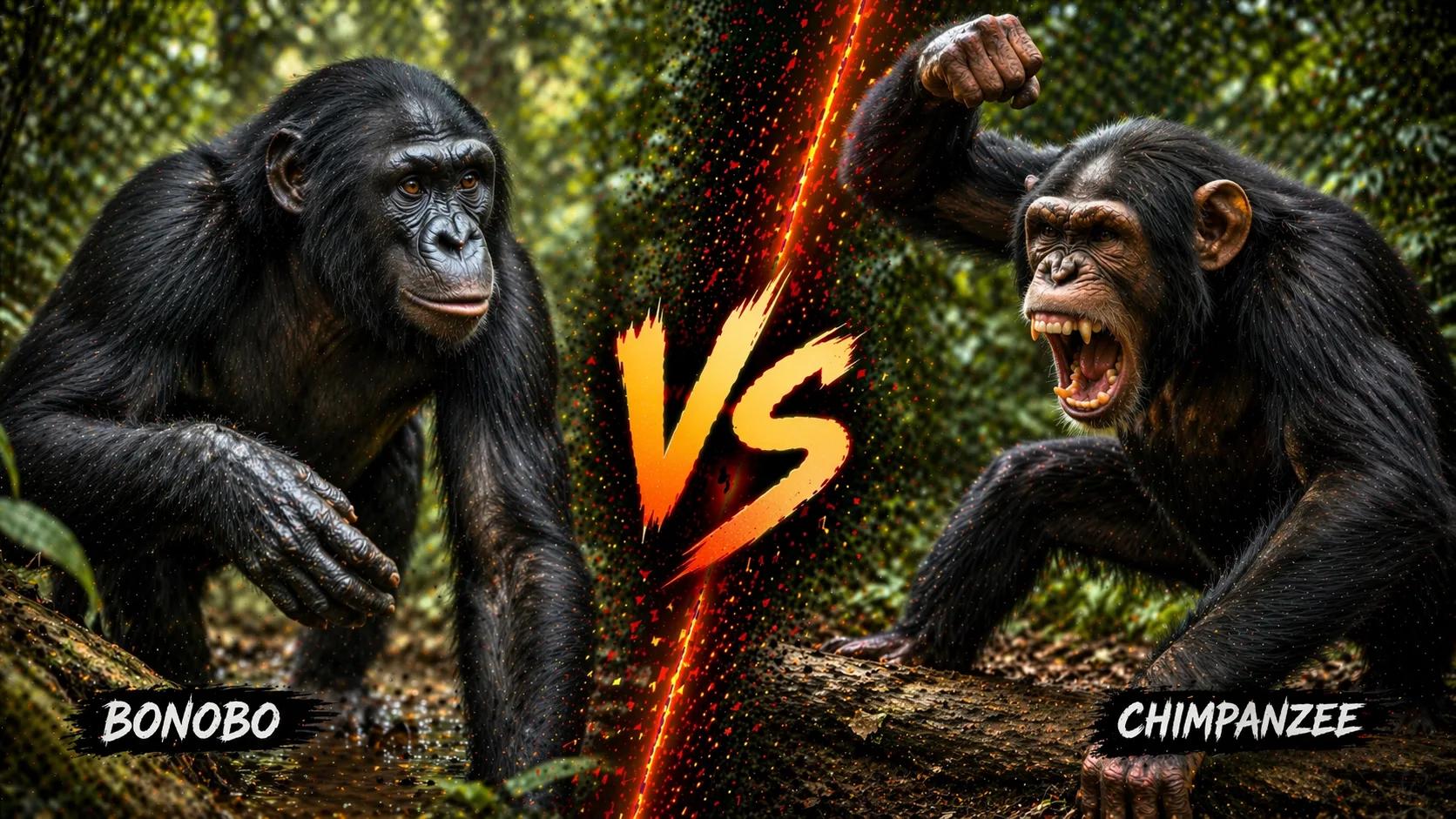
Bonobo vs Chimpanzee: Differences and Which Is Smarter
Chimpanzee often gets the edge in tool-use intensity and aggressive problem solving, while bonobo is stronger in social regulation, tolerance, and cooperation. The real answer depends on what kind of intelligence the task rewards.
Read comparison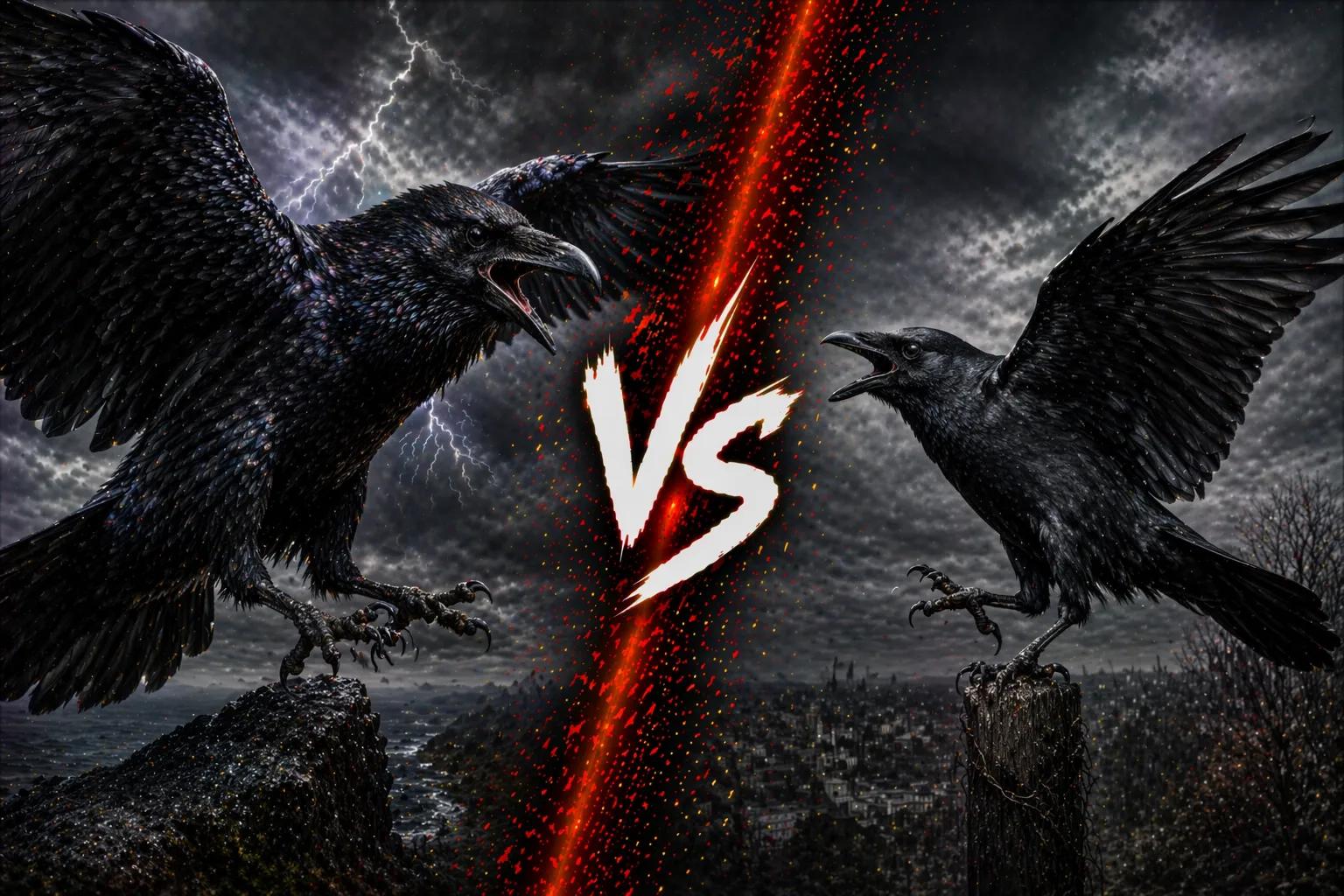
Raven vs Crow: Differences and Which Is Smarter
There is no clean knockout winner. Ravens often get the edge in complex solo problem solving and object play, while crows often shine in urban adaptation, social flexibility, and tool-linked reputation.
Read comparisonRelated articles
Longer reads that answer the same question with sources, numbers, and photos.
What Is the Smartest Animal? The 10 Smartest Animals
Chimpanzees, dolphins, orcas, octopuses and corvids: the research behind each and how animal intelligence is tested.
Read the articleTier-list FAQ
Short direct answers to the follow-up questions readers usually ask after the headline ranking.
What is the smartest animal in the world?
There is no single clean answer across all kinds of intelligence, but dolphins, chimpanzees, orcas, and octopuses all belong in the top tier.
What is the smartest bird?
Ravens and crows are both among the smartest birds in the world.
What can we learn from the smartest animals?
The smartest animals show that intelligence is mostly practical problem-solving: making and reusing tools, planning ahead, learning from skilled individuals, experimenting and passing on what works. All of these are habits people can practice deliberately.
How can I think more like a smart animal?
Watch before you act, test ideas cheaply, keep notes on what worked and why, and build tools for tasks you repeat. Intelligent animals succeed less by raw brainpower than by turning experience into reusable knowledge.
Does a bigger brain mean a smarter animal?
Not on its own. Brain size relative to body size, the number and density of neurons, and how the brain is organized all matter. Crows and parrots have small brains packed with densely arranged neurons and solve problems comparable to those solved by great apes.
Collect animals like these, and learn their lessons
AnimalDex turns every animal you spot into a card with five stats and a lesson: the behaviour that keeps it alive, and how to use it in your own life. Start with the fastest, strongest and smartest animals you care about.