
Animal field guide
Red-eared Slider
Identification, habitat, rarity, behavior, symbolism, facts, and practical lessons from nature.
Animal field guide
Red-eared Slider
Patient Browsing Strategy
Explore with Patience.
Red-eared sliders often bask in the sun and slowly explore their environment, demonstrating the value of patience and thorough exploration before acting.
You’re #1 of 1
RECORD ID
2E65A21E-174B-4165-8076-6A52AACE87C1
Native range
Natural range, not this capture location
Native range keys: north_america.
Wild reward hint
First-time wild species earn bonus rewards, including 1 free credit.
0/1 XP toward Level 2
AnimalDex stats
Dominance
27
Speed
18
Size
15
Intelligence
20
Rarity
9%
Total
89
Size scale
✦ Available actions
Compare this public animal when your deck meets the current rules.
Scientific name
Trachemys scripta elegans
Category
Animal
Habitat
Native range keys: north_america.
Rarity
Relatively common · 9/100
Native range
Native range keys: north_america.
Why Patient Browsing Strategy?
The creator's reasoning behind this Animal Principle and the biology that supports it.
The Patient Basking Survivor. The Patient Basking Survivor. Steady habits and small adjustments can sustain life through many changing conditions.
How to identify a Red-eared Slider
- Recognized in AnimalDex as Red-eared Slider
- Indexed profile #1979
Habitat: Native range keys: north_america.
Native range: Native range keys: north_america.
Native range
Natural range, not this specific capture location.
Native range keys: north_america.
To find Red-eared Slider in the wild, focus on the exact habitat patches that match its body design and daily behavior, not just the broad country where it exists. You usually do better by working one good piece of habitat inside native range keys: north_america. than by covering too much ground.
- Sunlit logs, exposed branches, warm rocks, or regular perch sites used for scanning
- Protected habitat blocks within native range keys: north_america.
- Early sun and calm weather usually give the best chance of seeing normal basking, perched, or soaring behavior.
- Look for food, cover, and movement routes in the same place, because the best sightings usually happen where those overlap.
- Move quietly, stop often, and give the habitat time to settle; many mammals and insects show themselves only after the first pause.
Red-eared Slider eats the foods its body design and habitat make easiest to access. Diet can shift across seasons, life stages, and local competition.
- The most accessible prey or plant foods in its habitat
- Energy-rich foods that match its size and behavior
- Seasonal resources available in the local environment
A practical answer for Red-eared Slider always depends on what food is actually available in native range keys: north_america..
- Take your time to explore options before making a decision.
Red-eared Slider most often symbolizes patient browsing strategy in AnimalDex because its real survival behavior repeatedly shows this pattern.
Red-eared sliders often bask in the sun and slowly explore their environment, demonstrating the value of patience and thorough exploration before acting.
Red-eared sliders are known for their leisurely pace, often taking time to bask and observe their surroundings before moving or feeding.
- Observe from a respectful distance and avoid changing the animal's behavior.
- Do not block feeding, shelter, nesting, or travel routes.
- Use a live camera capture without handling or staging wildlife.
Related animals

Pond Slider
Pond Slider Turtle carries Basking Reset through a specific body plan, habitat choice,…
Read species guide
Bat-eared Fox
Bat-eared Fox is a mammal known for oversized listening ears, small quick fox body, and…
Read species guide
Long-eared Jerboa
Long-eared Jerboa is the AnimalDex expression of Long-Eared Scarcity: Hear danger…
Read species guideMore animals with Patient Progress
Browse all Patient Progress animals
Black Ground Beetle
The Nocturnal Predator Patrol. The Nocturnal Predator Patrol. Even small, unseen…
Read species guide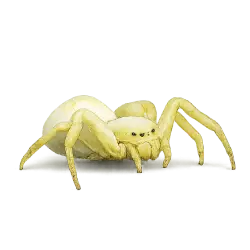
Goldenrod Crab Spider
Goldenrod Crab Spider expresses Flower-Edge Ambush through real survival details, not a…
Read species guide
Pacific Sea Nettle
Pacific Sea Nettle teaches Trailing Drift along the cold California current, where a…
Read species guideTake the encyclopedia outside
AnimalDex helps you scan real animals, identify species, collect cards, and learn from nature wherever you are.