
Animal field guide
Flat-nosed Pit Viper
Identification, habitat, rarity, behavior, symbolism, facts, and practical lessons from nature.

AnimalDex card
Unlock this animal card
Scan or capture this animal with AnimalDex to reveal its collectible card and add it to your wildlife collection.
Get AnimalDexAnimal field guide
Flat-nosed Pit Viper
Patient Ambush
Strike at the right time.
The flat-nosed pit viper excels at waiting patiently in camouflage until prey comes within striking distance, teaching the value of timing and precision.
No captures yet
Native range
Natural range, not this capture location
Native range keys: southeast_asia.
Search near meAnimalDex stats
Dominance
37
Speed
41
Size
20
Intelligence
30
Rarity
67%
Total
195
Size scale
Scientific name
Trimeresurus puniceus
Category
Animal
Habitat
Native range keys: southeast_asia.
Rarity
Uncommon · 67/100
Native range
Native range keys: southeast_asia.
Why Patient Ambush?
The creator's reasoning behind this Animal Principle and the biology that supports it.
The Ambush Branch Lurker. The Ambush Branch Lurker. Patience can turn stillness into a powerful advantage.
How to identify a Flat-nosed Pit Viper
- Recognized in AnimalDex as Flat-nosed Pit Viper
- Indexed profile #1965
Habitat: Native range keys: southeast_asia.
Native range: Native range keys: southeast_asia.
Native range
Natural range, not this specific capture location.
Native range keys: southeast_asia.
To find Flat-nosed Pit Viper in the wild, focus on the exact habitat patches that match its body design and daily behavior, not just the broad country where it exists. You usually do better by working one good piece of habitat inside native range keys: southeast_asia. than by covering too much ground.
- Sunlit logs, exposed branches, warm rocks, or regular perch sites used for scanning
- Protected habitat blocks within native range keys: southeast_asia.
- Start early, pick one strong patch of habitat, and stay long enough for movement to return after you arrive.
- Look for food, cover, and movement routes in the same place, because the best sightings usually happen where those overlap.
- Move quietly, stop often, and give the habitat time to settle; many mammals and insects show themselves only after the first pause.
Flat-nosed Pit Viper eats the foods its body design and habitat make easiest to access. Diet can shift across seasons, life stages, and local competition.
- The most accessible prey or plant foods in its habitat
- Energy-rich foods that match its size and behavior
- Seasonal resources available in the local environment
A practical answer for Flat-nosed Pit Viper always depends on what food is actually available in native range keys: southeast_asia..
- Wait for the right moment to act decisively.
Flat-nosed Pit Viper most often symbolizes patient ambush in AnimalDex because its real survival behavior repeatedly shows this pattern.
The flat-nosed pit viper excels at waiting patiently in camouflage until prey comes within striking distance, teaching the value of timing and precision.
Flat-nosed pit vipers are ambush predators, using their camouflage and heat-sensing pits to detect and strike prey with precision.
- Observe from a respectful distance and avoid changing the animal's behavior.
- Do not block feeding, shelter, nesting, or travel routes.
- Use a live camera capture without handling or staging wildlife.
Related animals

Sundas Pit Viper
The Night-Hunting Canopy Ambusher. The Night-Hunting Canopy Ambusher. Patience and…
Read species guide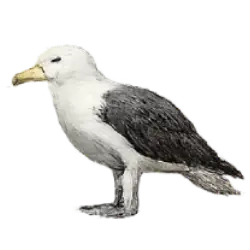
Atlantic Yellow-nosed Albatross
Atlantic Yellow-nosed Albatross is a bird known for long gliding ocean wings, yellow…
Read species guide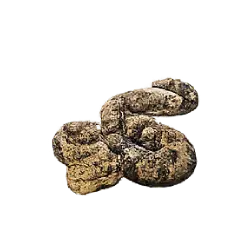
Desert Horned Viper
Desert Horned Viper is a reptile known for horns above the eyes, sidewinding sand…
Read species guideMore animals with Right Timing
Browse all Right Timing animals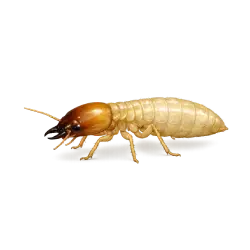
Asian subterranean termite
The Winged Architect. The Asian subterranean termite alate, Macrotermes gilvus, is a…
Read species guide
Australian Green Tree Frog
Australian Green Tree Frog is a amphibian known for plump wet-season body,…
Read species guide
Black-winged Stilt
long-legged wetland wader. A shorebird entry where tall legs, balance, and…
Read species guideTake the encyclopedia outside
AnimalDex helps you scan real animals, identify species, collect cards, and learn from nature wherever you are.