

herpingInstagramarchive
Turn Years of Herping Photos Into a Searchable Collection
Bring night herps, road finds and frog choruses out of Instagram and a camera roll into a species-indexed collection you can actually query.
The nights already happened
You do not need to re-walk every site. The road-cruising nights of 2017, the frog chorus you filmed in Costa Rica, the rat snake on the guesthouse wall: those encounters exist as posts, camera-roll frames and half-remembered captions. The job is not to shoot them again. It is to turn them into records.
Start with an audit. Count the places your herp photos live: Instagram, the phone, an old laptop, a cloud album from a trip. Most herpers find three or four. Pick the one with the most context attached, which is usually Instagram because you wrote a caption at the time, and work from there.
Eligible Instagram posts can be reviewed into AnimalDex with their original media after species and historical location are confirmed. That is slower than dumping a camera roll into albums. It is also the only way a 2017 road find stays honest about where the snake actually was.
Import Instagram wildlife photos
Index by identity, not by trip
Folder names like Bali night or Florida roads hide lookalikes. A milk snake and a coral snake can sit in the same folder for years because the folder was named after the state, not the animal. Index by identity first, then let place, date and setting hang off that.
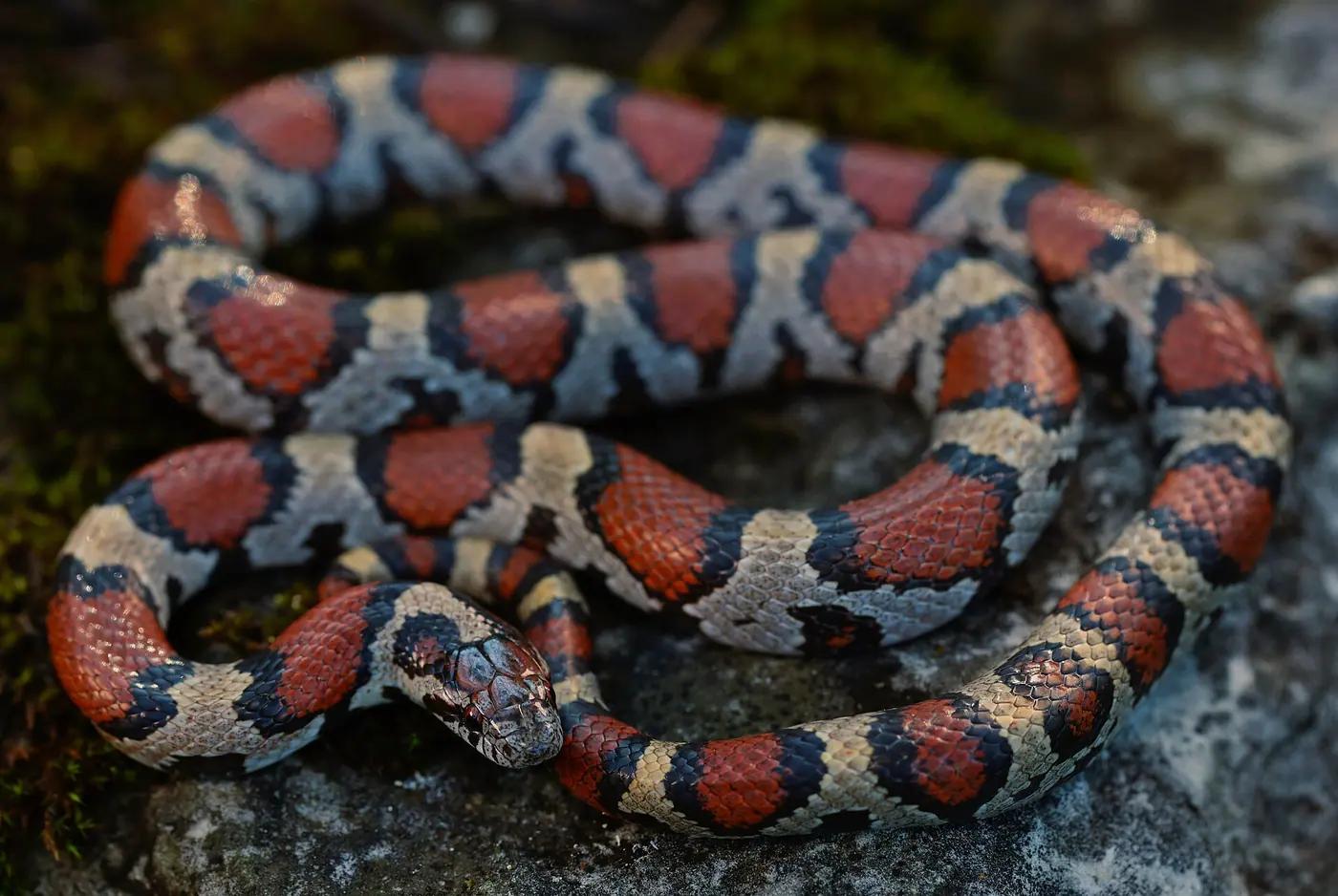
Lookalikes are where honesty matters most. The eastern milk snake, 50 to 90 cm of red, black and cream banding, is a Batesian mimic of the venomous coral snakes; the red-on-yellow rhyme works for most of the United States and nowhere else. If you cannot resolve the animal to species from the frame, record the group (milk snake or kingsnake, a Lampropeltis) rather than guessing. A group-level record is a true record. A wrong species is a false one.
The same rule applies to subspecies and colour morphs. Log what the photograph supports. Let an expert upgrade it later if the evidence allows.
What to attach to every record
A searchable collection is only as good as the fields on each record. These are the ones herpers actually query later.
| Field | Why it matters | Example |
|---|---|---|
| Species or group | The thing you will search by | Eastern milk snake, or Lampropeltis sp. if unresolved |
| Historical place | Where the animal was, not where you uploaded | Forest road, Ocala NF, not the hotel in Orlando |
| Date and time | Season and activity window | 14 May 2019, 22:40 |
| Setting | Wild, zoo, farm or domestic | Wild |
| Alive or dead on road | Live lists and DOR lists are different lists | Alive, crossing |
| Behaviour | Basking, crossing, in shed, defensive, calling | Calling from a reed stem |
| Microhabitat and substrate | What the animal was using | Under tin on sandy soil |
| Weather | Recent rain drives amphibian nights | 24 C, light rain earlier |
Night finds and frog choruses
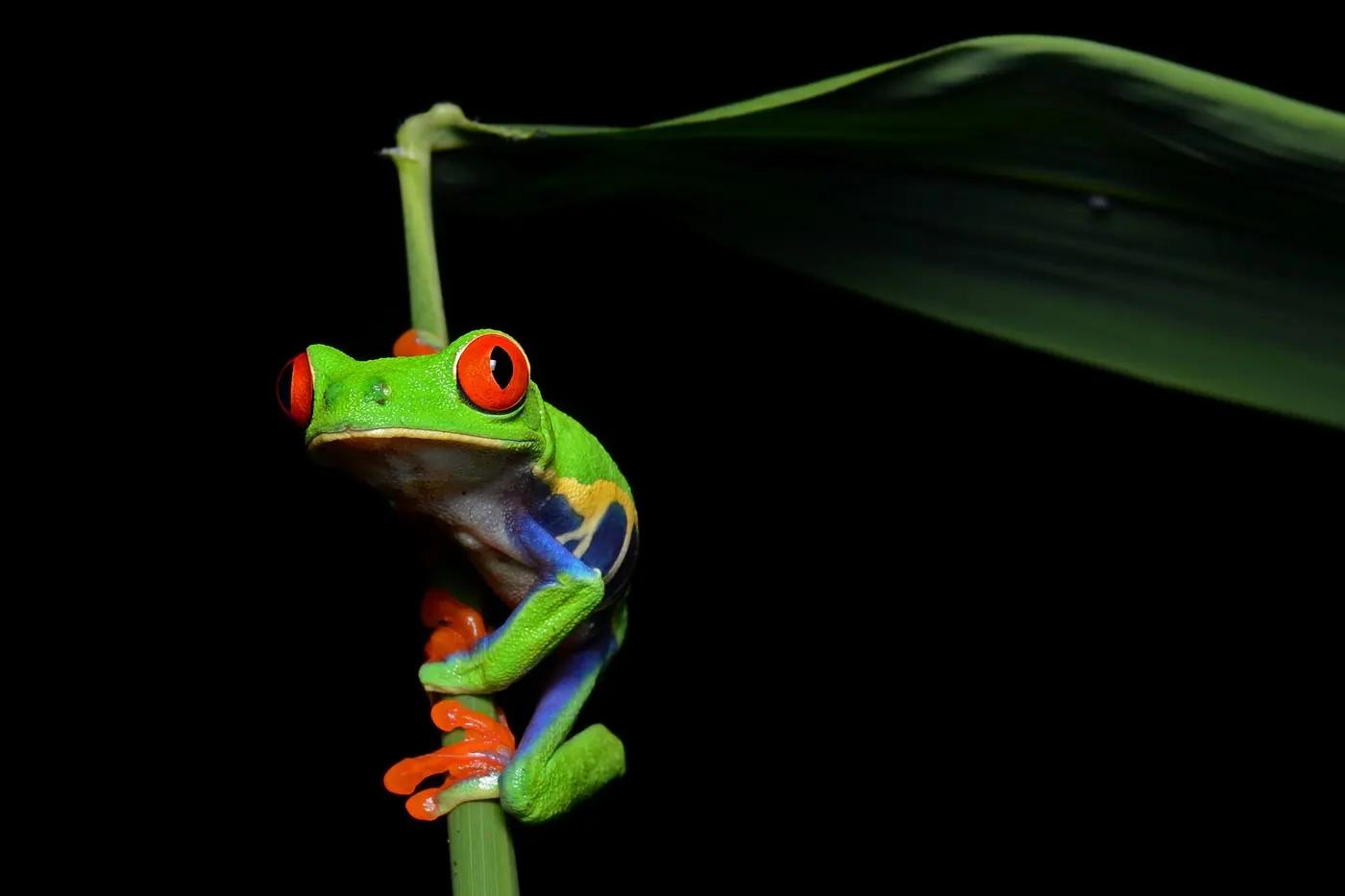
Night herping produces a specific kind of archive: a lot of flash-lit frogs on leaves and a lot of audio. The red-eyed tree frog, 5 to 7 cm and strictly nocturnal, is the classic example. It sleeps flat against a leaf by day with its red eyes shut and its blue flanks hidden, so almost every photograph of one is a night photograph.
A frog chorus recorded on your phone is an encounter, but it is not a capture. You heard the animal; you did not photograph it. Keep the audio with the trip notes, and log the heard-only species in your own list the way birders mark heard-only birds. The Dex entry waits for a frame.
When you review an old night post, check the perch. A frog on a hand, a white sheet or a studio leaf was handled or staged. Log the animal honestly and note the handling so your future self does not count it as a field observation of behaviour.
Keep live nights and old archives in one Dex
New finds still start with a live capture, a photo taken in the app at the moment of the encounter. Import fills the years you already photographed. Both land in the same species-indexed Dex, so the question which snakes have I actually documented gets one answer instead of four.
Two cautions. First, sensitive species: if a post shows a rare or heavily collected animal, be careful about publishing a precise location anywhere public. Second, rewards: imported posts build the collection, but Creator Rewards, which is currently paused, has always been tied to qualifying live contribution, not imported archives.
Identity
Species if the frame supports it, group if it does not. No promotions for a cleaner card.
Place
Confirm where the animal was. Today's GPS and the caption are hints, not coordinates.
Setting
Wild, zoo, farm or domestic. A pet-shop ball python is a record, but not a field record.
Several animals
If more than one species is in shot, say which one the record is for.
Public
Imported posts may publish to Discover. Obscure precise sites for sensitive species.
Herping field journalOrganize snake and reptile photos by species
Quick questions
Short answers to common questions readers ask on this topic.
- How do I organize years of herping photos?
- Index by animal first, then by place and date. Audit where the photos live, start with the source that has the most context (usually Instagram captions), and attach species or group identity, historical location, setting and behaviour to each record. A folder named after a trip hides lookalikes; a species-indexed collection surfaces them.
- What if I cannot identify a snake in an old photo?
- Record it at group level. A milk snake or kingsnake logged as Lampropeltis is a true record; a guessed species is a false one. Platforms such as iNaturalist can help with community identification, and you can upgrade the record later if someone resolves it from the frame.
- Does a frog chorus count for my herp list?
- It counts as a heard-only encounter in your own list, the same way birders mark heard-only birds. It is not a capture, because a capture needs a photograph of the animal. Keep the audio with the trip notes and let the Dex entry wait for a frame.
- Can I import herping photos from Instagram into AnimalDex?
- Yes, from a compatible Instagram professional account. AnimalDex finds animal posts, then you review each one: confirm species or group identity, the historical place of the find and the setting. Eligible posts are added with their original media. Not every post will import.
Animals mentioned
Jump from this article into the species pages behind the examples, systems notes, and field-guide references.
Answer guides related to this topic
If you want direct comparisons and clear recommendations, continue with these answer-focused pages.
Best Animal Identification Apps
Compare the best animal identification apps by features like photo/video identification, species coverage, collection capabilities, offline use, and more.
What Is Animal Collecting
Learn what animal collecting means in modern apps and how AnimalDex turns real-world sightings into cards, sets, rarity, and species learning.
Pokemon-Like Animal App
Looking for a Pokemon-like animal app with real species? AnimalDex combines creature-collection energy with AI scanning and wildlife learning.
Related guides
herping
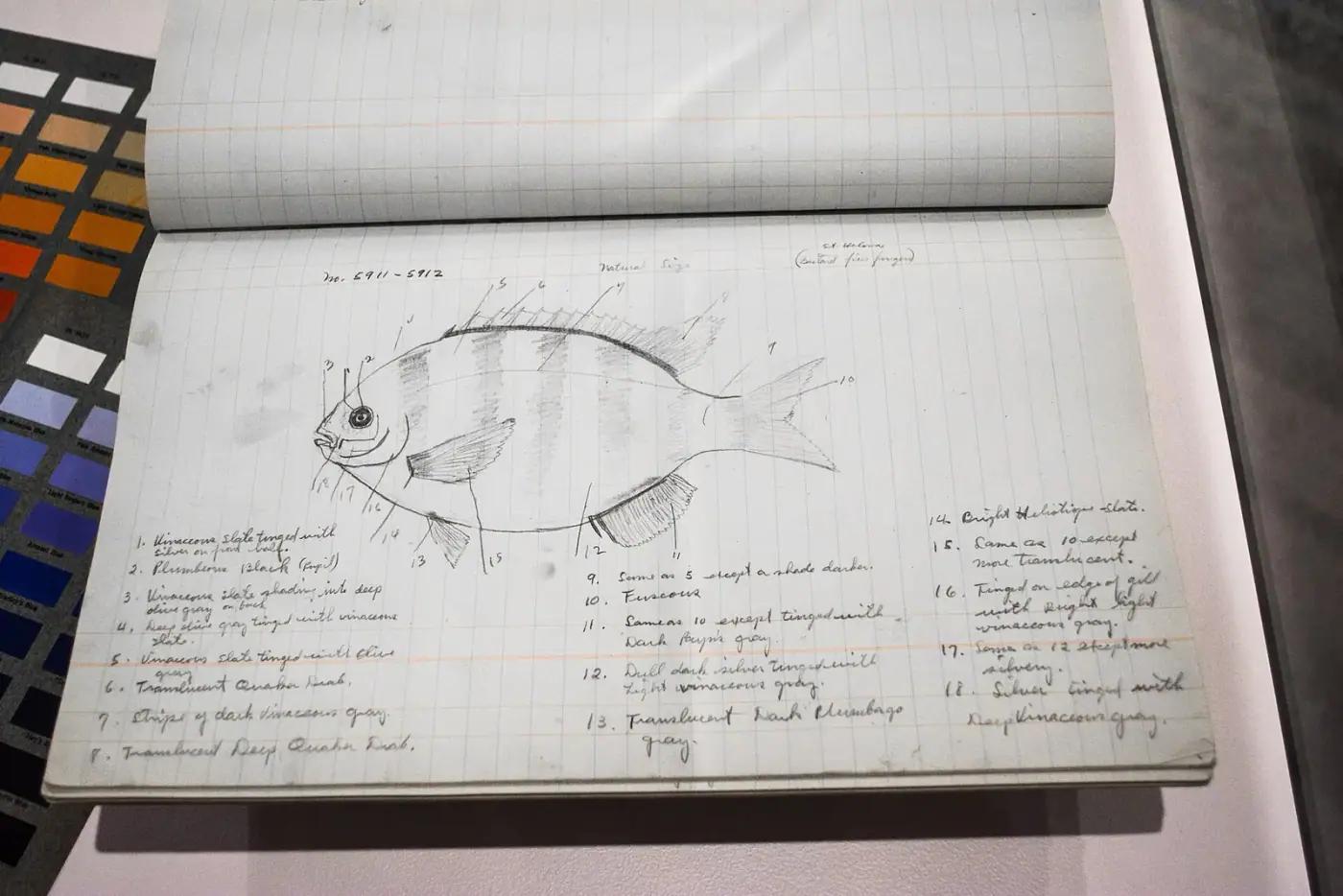
How to Keep a Herping Field Journal
What to record after a snake, lizard or frog find: temperature, time, substrate, behaviour and an honest ID, without handling or disturbing the animal.
5 min read
Turn an Instagram Wildlife Archive Into a Species Collection
What survives in an Instagram wildlife post and what is lost, how to review each post honestly, and how to keep the originals in a species collection.
5 min read

How to Organize Snake and Reptile Photos by Species
Sort snake and reptile pictures by honest identity, not trip folder: lookalike groups, the features that separate them, when to stop at genus, and setting.
4 min read