

sponsored-challengesaquariums
How Aquariums Can Use Digital Wildlife Challenges
Aquarium guests already photograph tanks. How to turn that into a finished objective: challenge designs, live-only rules, and metrics that work indoors.
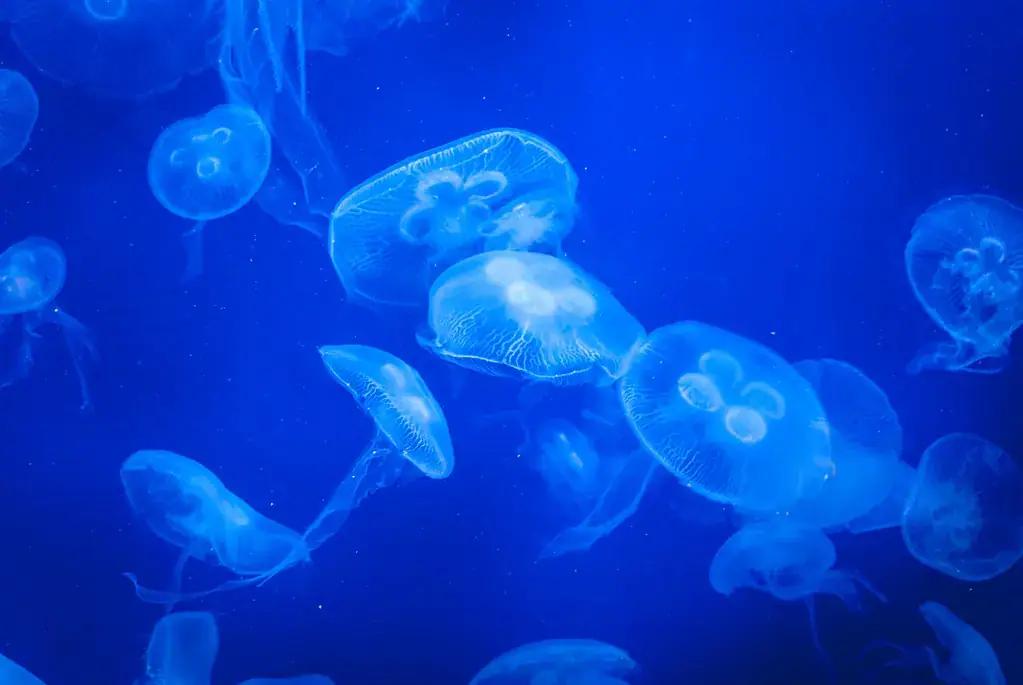
The tank is already a camera trap
Guests photograph jellyfish, then leave. The jellyfish gallery is the most photographed room in almost every aquarium because it is dark, blue and slow, and the photos look good without effort. The rest of the building gets a fraction of that attention. A Challenge gives the visit a finish line: a set of different indexed animals across the whole building, or a qualifying capture count during an exhibition window.
That matters because aquariums are, per square metre, the densest species collections in the visitor-attraction world. A single reef tank can hold more identifiable species than an entire zoo zone. An objective that counts different animals rewards reading the tank rather than glancing at it.
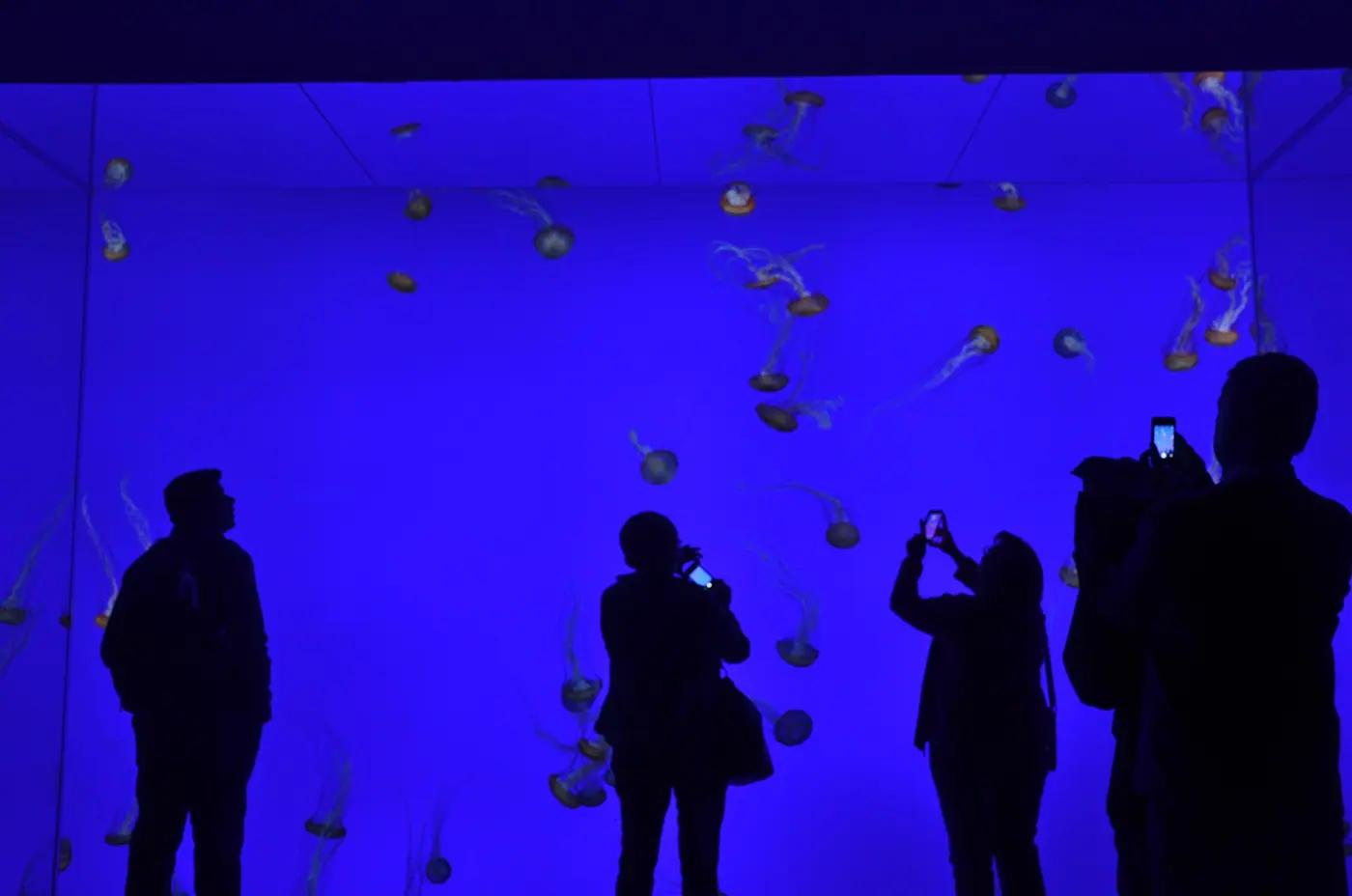
What is different about an aquarium
Three things. The building is dark, so capture quality is lower and a strict Grade floor will frustrate people. Many animals are small and fast, so species-level identification is harder than at a zoo, and a group-level identity is often the honest answer. And the whole visit happens indoors within a small footprint, so a venue radius is tight and a GPS fix can be unreliable in the middle of the building.
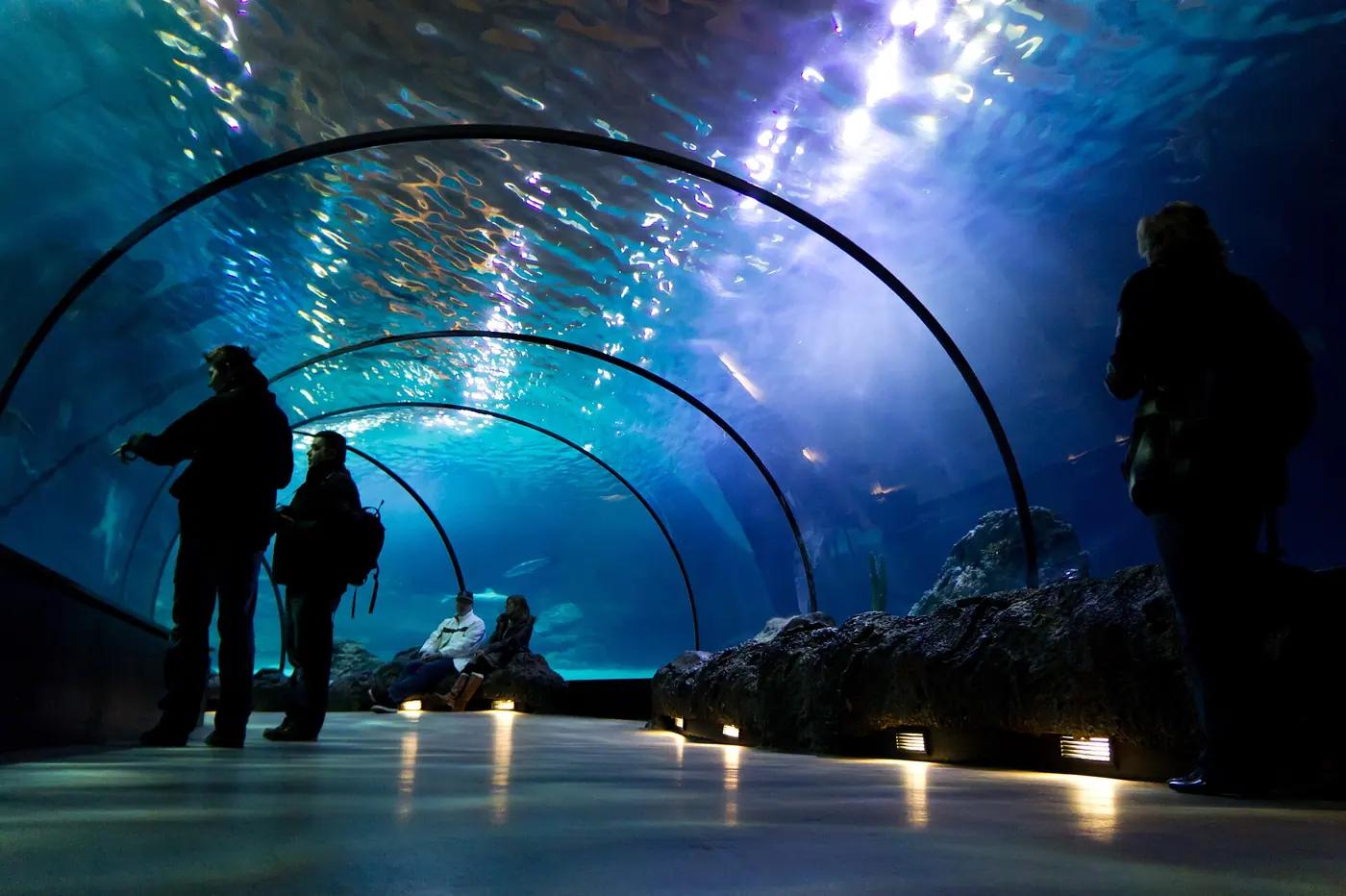
Design around those. Prefer unique indexed animals over a Grade-based objective. Set the target so that the big, slow, well-lit animals (turtle, rays, the shark in the tunnel) get people started and the small reef fish get them finishing. Bind the campaign to the venue, but expect AnimalDex to confirm with you how the indoor radius should behave before launch.
Challenge designs for an aquarium
These three designs map to the three objective types AnimalDex supports: unique indexed animals, qualifying capture count, and active capture days.
Whole-building collector
Objective: 12 unique indexed animals. Scope: venue-bound, live-only, imports blocked. Window: 30 days over an exhibition. Starts easy in the tunnel, finishes in the reef galleries. Measure with stop rates in the galleries after the tunnel.
Exhibition opener
Objective: 5 qualifying captures. Scope: venue-bound, live-only, type tag matched to the exhibition theme where the catalog supports it. Window: the first two weeks of the exhibition. Measure with hold time at the exhibition tanks.
Annual pass comeback
Objective: 4 active capture days. Scope: venue-bound. Window: 14 days over a half-term. Aimed at pass holders who visit once and lapse. Measure with pass scans in the window against the same window last year.
Green Sea TurtleNurse SharkClownfish
Live-only is the useful switch
If imports are blocked and live camera captures are required, people cannot complete the Challenge from a screensaver or an old holiday album. That is the difference between engagement and a screenshot contest. The rule is published when a guest joins, so nobody is surprised at the end.
A capture is a live photo taken in the AnimalDex app and identified against the catalog. Gallery uploads are never captures. Instagram imports can become captures after the visitor reviews species and historical location, but a live-only campaign ignores them for the objective. Achievement rewards mark completion. Do not advertise cash; cash rewards are not live.
What are Sponsored Challenges?What is a Sponsored Wildlife Challenge?
What a visitor actually sees
In the app, the Challenge appears with your name as sponsor, the objective in one sentence (for example, capture 12 different qualifying entries at the aquarium), the window, and the rules: must be recorded at the venue, live captures only. The visitor joins free and accepts the rules version. As they capture, a progress bar shows how many entries count towards the target. When they finish, an achievement named for your campaign is granted to their account.
That is the whole experience. There is no separate sponsor app, no code to type in, and nothing for your front desk to redeem.
Metrics that survive a dark building
Observation still works indoors; it is just harder to do unobtrusively. Pick two galleries past the tunnel and sample stop rates and hold times before and during the window. Ticketing gives you total dwell if you scan on exit. Pass scans give you repeat visits.
| Metric | Source | Before / during comparison |
|---|---|---|
| Stop rate in post-tunnel galleries | Observer sample, same weekdays and hours | Did the Challenge move people past the tunnel? |
| Hold time at exhibition tanks | Observer stopwatch sample | Did people look, or glance? |
| Total visit length | Entry and exit scans | Did the whole visit get longer? |
| Pass-holder repeat visits | Membership scans in window vs last year | Did lapsed holders come back? |
| Joins and completions | AnimalDex, after the window | How many took the objective seriously? |
Pitfalls: flash, touch pools and privacy
Flash is the aquarium-specific welfare and optics problem. Most aquariums already ban it; put it in the Challenge rules too, because a visitor who joins a photo objective will reach for it. Touch pools are not capture opportunities, and the rules should say captures are of animals in tanks, not in hands.
Over-gamifying looks like a leaderboard in a corridor that is already too narrow. Prefer objectives that spread people out. On privacy: the visitor uses their own AnimalDex account, you collect nothing, and the post-window conversation with AnimalDex is about aggregate participation, not individuals.
Who to talk to
Education and marketing usually share this brief. Send AnimalDex the venue, dates, the objective you prefer, and whether the Challenge should stay inside the building. We configure it with you. There is no sponsor login and no self-serve portal.
The jellyfish room gets the photos. The objective is to get the rest of the building the attention.
How can a business sponsor an AnimalDex Challenge?How AnimalDex Sponsored Challenges work for businesses
Quick questions
Short answers to common questions readers ask on this topic.
- How can an aquarium increase visitor engagement?
- Give the visit a finish line that spreads people past the jellyfish room and the tunnel. A free-to-join species-spotting Challenge that counts different animals across the building does that without staff at every tank. Pair it with keeper talks and no-flash rules, and measure with observed stop rates in the galleries people usually skip.
- What is a digital wildlife challenge for an aquarium?
- A time-boxed objective in the AnimalDex app, sponsored by the aquarium, that visitors join free. Typical objectives are a set number of different indexed animals or a qualifying capture count during an exhibition window. Captures are live photos taken in the app; a live-only rule ignores imports. Completion grants an achievement, not cash.
- Can visitors complete an aquarium challenge from old photos?
- Not if the campaign is live-only and venue-bound. Gallery uploads are never captures in AnimalDex. Instagram imports can become captures after review, but a live-only Challenge ignores them for the objective, and a venue rule requires captures to be recorded at the aquarium during the window.
- Does flash photography harm aquarium animals?
- Most aquariums ban flash as a precaution, and a photo-based Challenge should repeat that ban in its rules. Whatever the evidence for a given species, the optics of a crowd firing flashes at a tank are bad for the venue. AnimalDex captures work in low light, and the identification does not need a flash.
Animals mentioned
Jump from this article into the species pages behind the examples, systems notes, and field-guide references.
Sources and further reading
Answer guides related to this topic
If you want direct comparisons and clear recommendations, continue with these answer-focused pages.
Best Animal Identification Apps
Compare the best animal identification apps by features like photo/video identification, species coverage, collection capabilities, offline use, and more.
What Is Animal Collecting
Learn what animal collecting means in modern apps and how AnimalDex turns real-world sightings into cards, sets, rarity, and species learning.
Pokemon-Like Animal App
Looking for a Pokemon-like animal app with real species? AnimalDex combines creature-collection energy with AI scanning and wildlife learning.
Related guides
sponsored-challenges
How Zoos Can Turn Visitors Into Active Wildlife Explorers
Most zoo visits end at the gate. Here is how a free-to-join species-spotting challenge works end to end, how to measure dwell time, and what to avoid.
8 min read
What Is a Sponsored Wildlife Challenge?
A sponsored wildlife challenge is a free-to-join, time-boxed campaign with a published objective and an achievement reward. What it is and what counts.
6 min read
How AnimalDex Sponsored Challenges Work for Businesses
How a zoo, aquarium, park or tourism board gets a Challenge live: enquiry, configuration, free collector join, achievement rewards, and the first email.
6 min read