

sponsored-challengeszoos
How Zoos Can Turn Visitors Into Active Wildlife Explorers
Most zoo visits end at the gate. Here is how a free-to-join species-spotting challenge works end to end, how to measure dwell time, and what to avoid.
The visit is shorter than you think
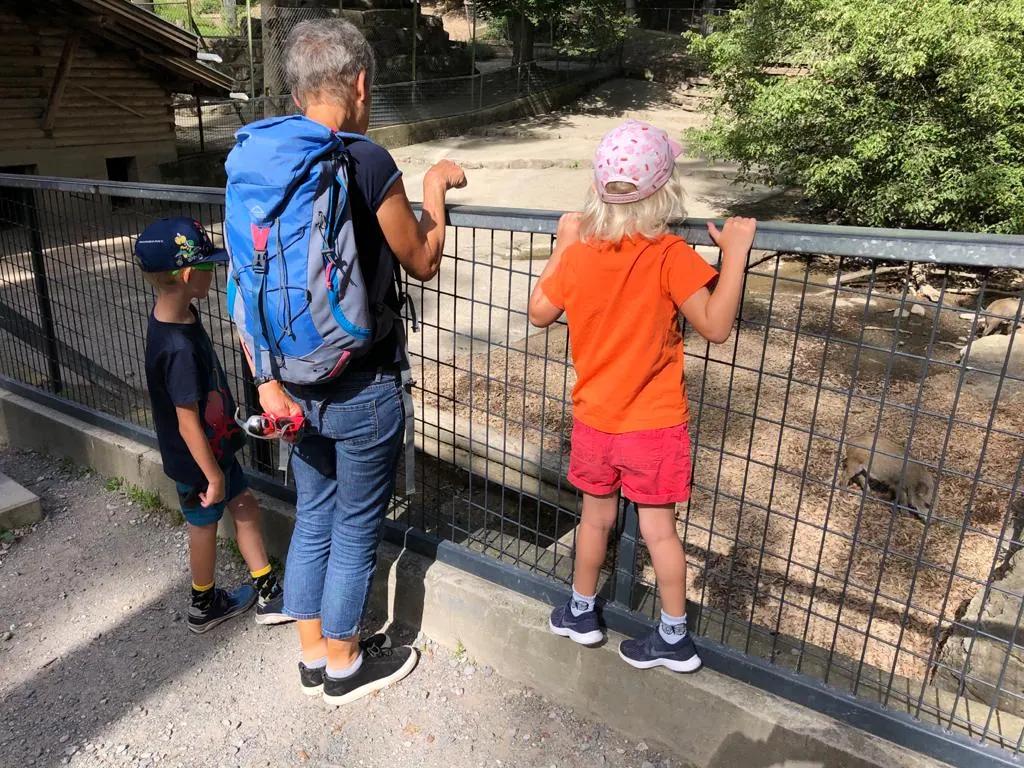
Most guests walk a loop, photograph the same three animals, and leave. Timing-and-tracking studies in zoos and museums keep finding the same pattern: the average stop at an enclosure is well under a minute, and a large share of visitors never read the interpretation panel at all. Discount tickets bring people through the gate. They do not change what happens in the two hours after it.
The gap is not interest. People who pay to see a tiger want to see the tiger. The gap is that nothing asks them to look closely, compare, or come back to a habitat they walked past. A Sponsored Challenge in AnimalDex is one way to add that ask without building an app of your own: a time-boxed objective guests join free, work towards with their own phone, and finish with an achievement. Cash prizes are not part of it.
Sponsor a ChallengeFamily zoo and safari learning app
How engagement and dwell time are actually measured
Before you run anything, agree what you will count. Zoo evaluators usually combine four kinds of evidence, and each one answers a different question. None of them needs a sponsor dashboard; most need a clipboard, your ticketing export, and a short survey.
Observation is the honest baseline. An evaluator stands at a habitat for set periods and records how many passers-by stop (attracting power) and for how long (holding power). Do it for the same habitats before and during a campaign and you have a comparison that does not depend on anyone's app.
| Metric | How it is measured | What it tells you |
|---|---|---|
| Stop rate at a habitat | Observer counts passers-by who pause for 3 seconds or more | Whether a habitat attracts attention at all |
| Hold time | Stopwatch per stopping visitor, sampled across the day | Whether people look, or glance and move on |
| Total dwell time | Timed entry versus exit scan, or exit survey estimate | Whether the whole visit got longer |
| Route coverage | Exit survey: which zones did you visit; map tick-sheet | Whether people reached the quiet corners |
| Return visits | Membership scans and repeat ticket purchases in the window | Whether the campaign changed behaviour after day one |
| Challenge participation | Joins and completions reported by AnimalDex after the window | How many visitors took the objective seriously |
A species-spotting challenge, end to end
Here is the whole lifecycle of a venue Challenge, so education and marketing can see what they are committing to. First, the objective. The three AnimalDex objective types are unique indexed animals (capture a set number of different animals the app can index), a qualifying capture count, or active capture days. For a zoo, unique indexed animals is the natural choice because it rewards walking the whole site.
Second, the scope. A venue campaign can be bound to your site and a discovery radius, so captures only count when they are recorded at the zoo. It can require live camera captures and ignore Instagram imports, which keeps the work on the grounds rather than in an old camera roll. It can require a Zoo setting tag, a minimum capture Grade, or a type tag such as Bird if you want to steer attention to the aviary.
Third, what counts as a capture. A capture is a live photo taken in the app and identified against the AnimalDex catalog. A screenshot of the signage is not a capture. A gallery upload is not a capture. If live-only is on, nothing imported counts, and the Challenge rules say so when a guest joins.
Fourth, the window and the finish. A common starting point is 15 different animals in 30 days, which fits a school holiday or an exhibition month. Guests see the Challenge in the app with its sponsor disclosure, join free, accept the rules version, and watch a progress bar fill. When they reach the target, an achievement named for your campaign is granted to their account. That is the reward that is live today. There is no prize draw, no paid entry and no cash.
What are Sponsored Challenges?What is a Sponsored Wildlife Challenge?
Three challenge designs for a zoo
The right design depends on what you want people to do differently. These three cover most briefs we hear from zoos.
Whole-site explorer
Objective: 15 unique indexed animals. Scope: venue-bound, live-only, Zoo setting tag. Window: 30 days across a holiday period. Goal: route coverage. Measure with stop rates at your three least-visited habitats.
New habitat opening
Objective: 5 qualifying captures with a minimum Grade. Scope: venue-bound, live-only. Window: the first two weeks after opening. Goal: careful looking at one place. Measure with hold time at the new habitat versus a control habitat.
Member comeback
Objective: 5 active capture days. Scope: venue-bound. Window: a 14-day half-term. Goal: repeat visits by members. Measure with membership scans in the window versus the same window last year.
TigerWestern Lowland GorillaMeerkatRed Panda
Briefing keepers, hosts and the front desk
A Challenge fails quietly if the front desk has never heard of it. Keep the brief to one page. It should say what the objective is, where people join (in the AnimalDex app, free), what counts (live photos at the zoo), what the reward is (an achievement, not a prize), and the one rule that matters for welfare: no tapping on glass, no flash, no calling to animals to get a better shot.
Keeper talks are the best place to mention it, because a keeper can say which animal is active when, and that turns a checklist into a reason to wait. Add one line to the visitor map and one sign at the exit of the first habitat on your loop. Do not plaster every enclosure; people stop reading repeated signage after the second one.
Interactive zoo marketing ideas that go beyond discount tickets
Pitfalls: crowding, welfare optics and privacy
Over-gamifying is the first risk. Points for speed turn a viewing window into a queue of phones held high. Unique animals and active days reward slower looking; a leaderboard rewards sprinting. Ask for the former.
Welfare optics are the second. Anything that pushes guests to provoke a reaction is a bad idea even if your animals are unbothered, because the photos will circulate. Say it in the rules, say it on the signage, and brief hosts to intervene early.
Privacy is the third. Guests use their own AnimalDex account. You do not need to collect names or emails to run a Challenge, and you should not. After the window, the conversation with AnimalDex is about participation in aggregate, not about individual visitors.
What we will not claim
This is not a dwell-time analytics product we can promise on a slide. The measurement in this article is yours: observation, ticketing, surveys. After a window closes, we can talk about joins and completions. We will not invent a live sponsor dashboard that is not in the product, and there is no self-serve portal; you enquire, and AnimalDex configures the campaign with you.
A cheaper ticket changes who comes through the gate. A published objective changes what they do after it.
How can a business sponsor an AnimalDex Challenge?Sponsor a Challenge
Quick questions
Short answers to common questions readers ask on this topic.
- How do zoos measure visitor engagement?
- Mostly by observation and surveys. Evaluators record how many passers-by stop at a habitat and for how long, time whole visits with entry and exit scans, and ask exit-survey questions about which zones people reached. Membership scans show repeat visits. A Sponsored Challenge adds joins and completions after the window, but it does not replace the observation work.
- What is a species-spotting challenge at a zoo?
- It is a time-boxed objective visitors join free in the AnimalDex app, usually to capture a set number of different animals on site with live photos. Captures can be limited to the venue, to live camera shots, and to a Zoo setting tag. When the target is reached, an achievement named for the campaign is granted. There is no cash prize and no draw.
- Can a zoo run a challenge without a prize?
- Yes, and it is the only version that is live. Achievement rewards are available today; cash rewards are not. Because there is no paid entry, no random winner and no prize pool, the Challenge is not a sweepstake, which keeps marketing and legal happy and keeps the focus on looking at animals rather than on winning something.
- Does a wildlife challenge disturb the animals?
- It should not, if it is designed around slow objectives and the rules say so. Unique animals and active days reward careful looking. Speed leaderboards do the opposite. Put no-flash, no-tapping and no-calling rules in the Challenge text and on signage, and brief hosts to step in early. Welfare optics matter as much as welfare itself because photos travel.
- How long should a zoo challenge run?
- Match it to a visit pattern. A 30-day window suits a school holiday or exhibition month and gives families time for more than one trip. A 14-day active-days campaign suits a half-term and member comebacks. A one-day window rarely works because most people only discover the Challenge once they are already inside.
Animals mentioned
Jump from this article into the species pages behind the examples, systems notes, and field-guide references.
Answer guides related to this topic
If you want direct comparisons and clear recommendations, continue with these answer-focused pages.
Best Animal Identification Apps
Compare the best animal identification apps by features like photo/video identification, species coverage, collection capabilities, offline use, and more.
What Is Animal Collecting
Learn what animal collecting means in modern apps and how AnimalDex turns real-world sightings into cards, sets, rarity, and species learning.
Pokemon-Like Animal App
Looking for a Pokemon-like animal app with real species? AnimalDex combines creature-collection energy with AI scanning and wildlife learning.
Related comparisons
Continue with structured animal-vs-animal comparison pages connected to the species in this guide.
Bear vs Tiger: Who Would Win in a Fight?
Tiger is the safer general answer in a one-on-one land clash when stealth, timing, and clean engagement matter. A very large bear represented here by the polar bear changes the problem through sheer mass and durability, especially in open, cold terrain.
Gorilla vs Tiger: Who Would Win in a Fight?
Tiger usually has the edge because it is a true apex ambush predator built for finishing violent encounters. Gorilla is enormously strong, but its body and behavior are not specialized for predator-style combat in the same way.
Grizzly Bear vs Tiger: Who Would Win in a Fight?
Grizzly bear gets the slight overall edge through larger frame, close-range durability, and brutal land-contact power. Tiger remains the better ambush starter and can look stronger if the fight begins from concealment with a clean opening lane.
Tiger vs Cheetah: Which Is Faster?
Cheetah is the faster cat when the question is raw land speed. Tiger is more powerful and more dangerous in a fight, but speed is the cheetah's clear domain.
Related guides
sponsored-challenges
Interactive Zoo Marketing Ideas That Go Beyond Discount Tickets
Price promotions fill the car park but do not change the visit. Eight interactive zoo ideas, what each costs in staff time, and how to measure them.
6 min read
What Is a Sponsored Wildlife Challenge?
A sponsored wildlife challenge is a free-to-join, time-boxed campaign with a published objective and an achievement reward. What it is and what counts.
6 min read
How AnimalDex Sponsored Challenges Work for Businesses
How a zoo, aquarium, park or tourism board gets a Challenge live: enquiry, configuration, free collector join, achievement rewards, and the first email.
6 min read