

wildlife-guidesearning
How to Become a Wildlife Guide With AnimalDex
There is no application. Each place where you log 3 or more wild species, with a public photo, becomes a virtual guide you can check, price and share.
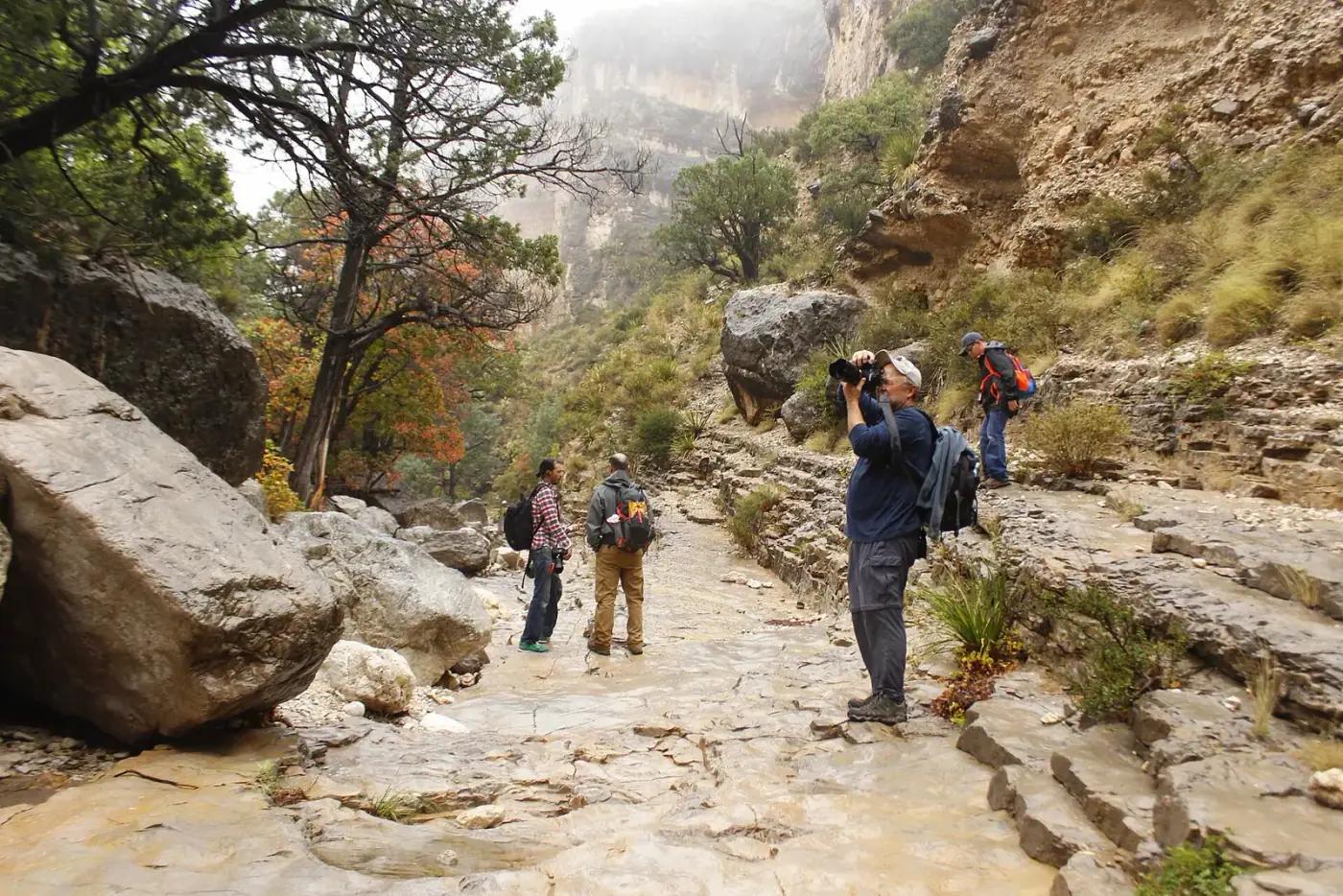
A guide made from your sightings, not a tour
AnimalDex Wildlife Guides are virtual. Each place where you have logged wild animals can become a guide that other explorers pay a small fee for: your notes on every animal, a direct chat with you to ask anything, and introductions to local people you met, where they can help. You are not hired, you do not lead anyone anywhere, and nobody is promised an animal.
A virtual guide is advice from someone who has been there, not a tour. The author is not with the buyer, and wildlife is never guaranteed. Buying is coming soon; until then your guides are ready for you to check and edit, and explorers will be able to find them when guides launch.
How virtual Wildlife Guides workVirtual Wildlife Guides on AnimalDex
How a place becomes a guide
There is no application form and no review queue to join. Capture wild animals with location on, and AnimalDex groups your sightings by place. Pets, farm animals and zoo or aquarium animals are not part of a guide; it is built from wild animals you found yourself.
A place with 3 or more wild species, and a public photo, becomes a guide automatically. Places that are not there yet show on your profile as growing into guides, with how many more species each one needs.
| What you need | Details |
|---|---|
| Wild animals logged with location on | Each wild capture with a location counts toward the place it was taken. |
| 3 or more species at one place | Different species, not repeat sightings of the same animal. |
| A public photo | A guide's photos and videos come from your public captures, so a place needs at least one. |
| Your location visible to others | If your location is not public, nobody else can see your guides. Change who sees your locations in Settings to share them. |
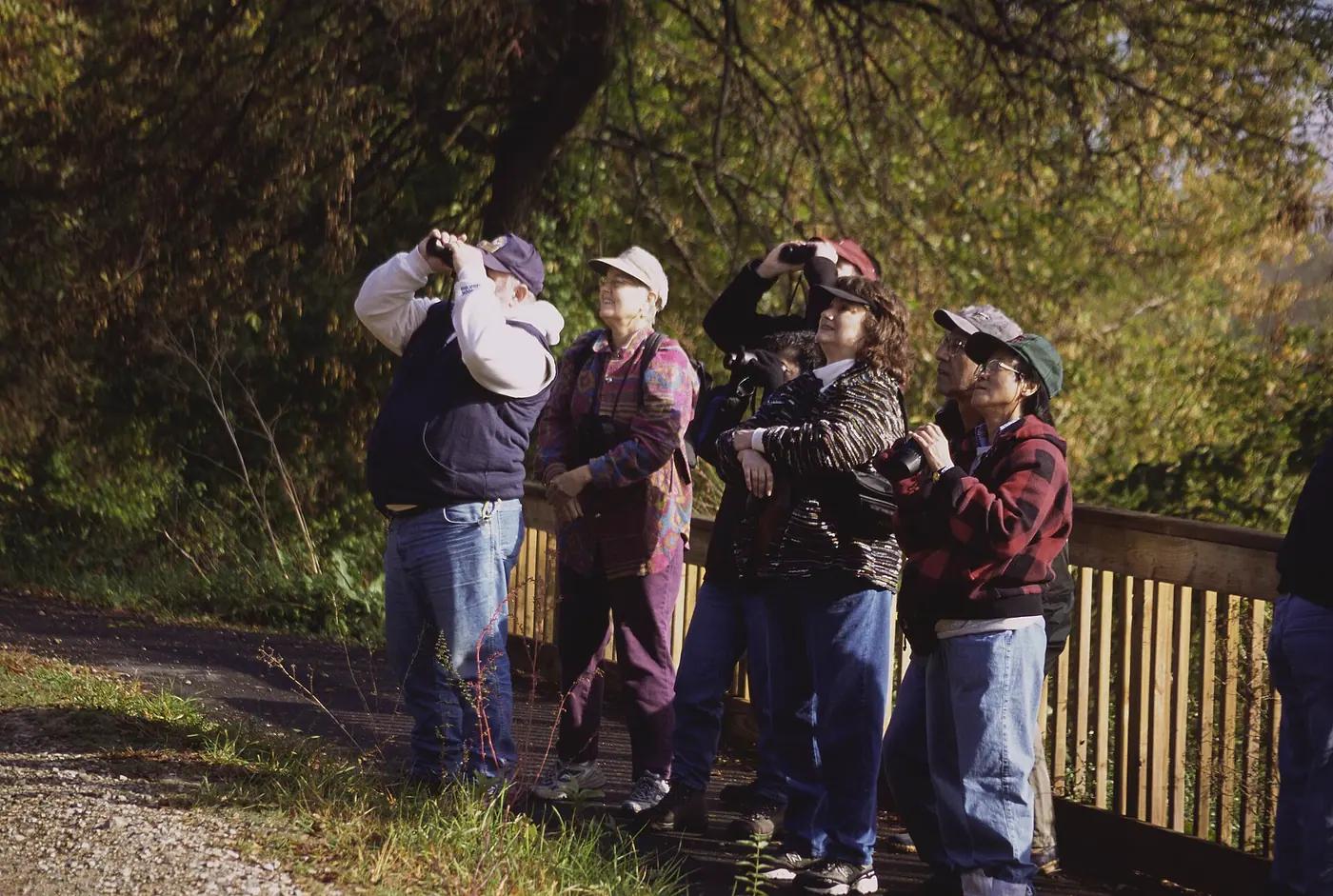
How virtual Wildlife Guides work
Check what AnimalDex wrote
AnimalDex writes the page from your sightings: a title, the place, a search summary, an about-this-place section, the best time to go, and every animal you found there with how rare it is. Each animal gets a draft note. Check the draft note for each animal, then add your own tips and the local people you met.
A good note says where in the area, what time of day, and anything that helped you find the animal. Only buyers read it. Threatened animals are different: don't share an exact spot or time for them; point buyers to a licensed local guide instead. Anything you write yourself is kept, and you can hide any animal or photo you would rather leave out.
| Part of the guide | Write this | Not this |
|---|---|---|
| Animal note | Where in the area, what time of day, what helped you find it | A promise the animal will be there |
| About this place | What the place is like and what a visitor should expect | Superlatives and sighting guarantees |
| Best time | The months and hours you actually found animals | Every month, just in case |
| Local contacts | People you met who are happy to be contacted: a boat captain, a ranger, a guesthouse | Anyone who has not agreed to it |
| Notes for buyers | Getting there, best spots to start, what to bring | A nest, den or roost of a threatened animal |
Price, sharing and privacy
Keep the automatic price or choose your own. The automatic price is set from how many animals the guide has and how rare they are. Either way it is a small real-money fee for your notes, your answers and any introductions you make. Credits are not used.
One switch on your profile shares all your guides. With it on, new places become guides automatically; with it off, every guide is hidden and new ones start hidden. You can also hide a single guide, edit any of it, or delete it. A deleted guide disappears for everyone, and AnimalDex won't make a new guide for that place. Exact spots stay private.
When someone buys your guide
The buyer gets your notes on every animal, a direct chat with you, and introductions to the local people in your guide. Reply to them within 48 hours. Buyers can ask for a refund within 7 days.
Any local guide or operator you introduce is independent of AnimalDex, and the buyer agrees terms with them directly. AnimalDex does not arrange outings, and your guide never promises a sighting.
Before you share
Read every draft note. Rewrite the ones that are vague, hide animals or photos you would rather leave out, and check the threatened animals give no spot or timing.
When a buyer writes
Answer within 48 hours. The questions people ask are the best guide to what your notes are missing, so add the answer to the guide as well.
After the sale
Your share of the sale is released to Earnings 8 days after the purchase, in real money.
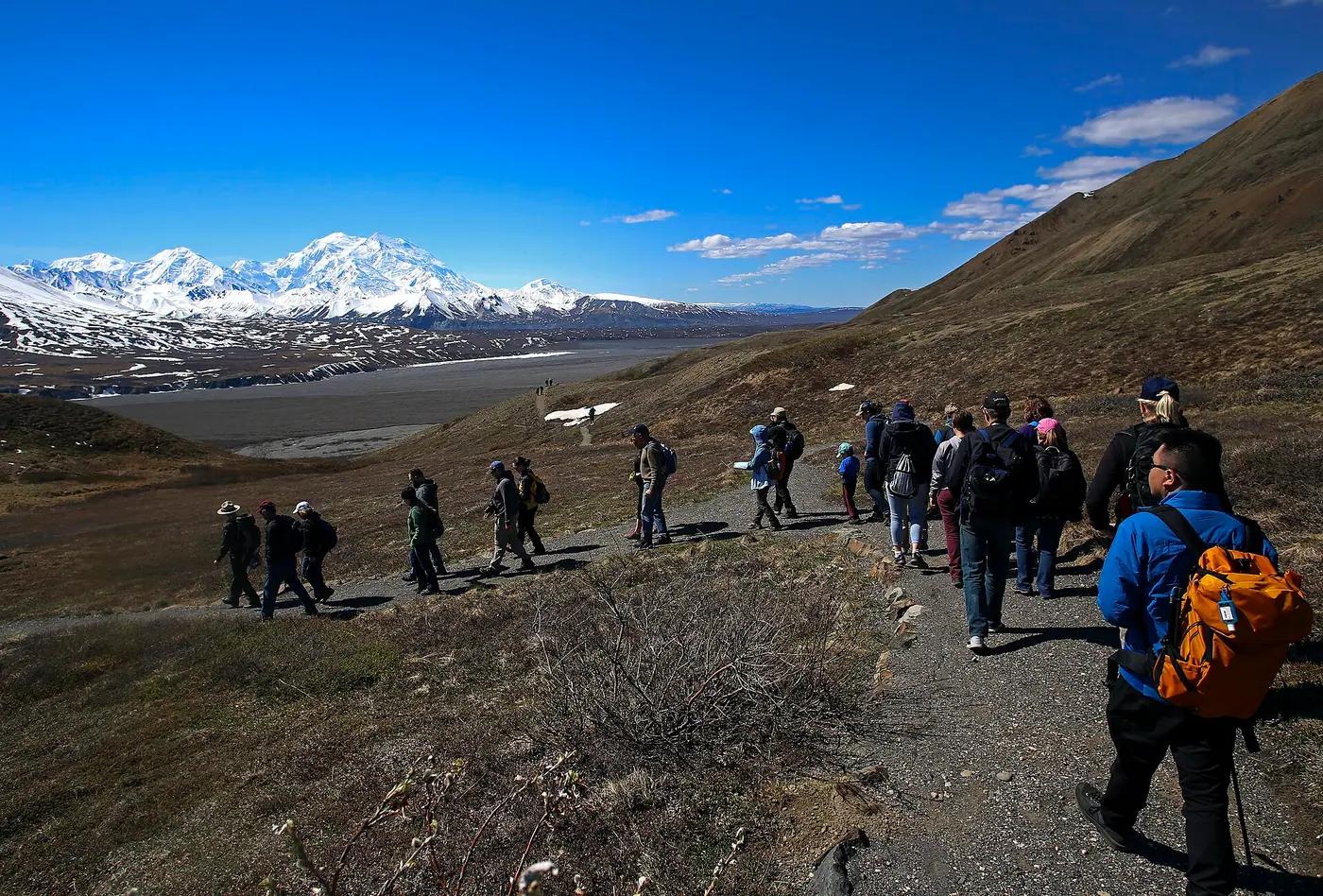
How buying a Wildlife Guide works
What to expect from the money
Your share of each sale is released to Earnings 8 days after the purchase, in real money. Credits are never part of it, and buying Credits never turns into Earnings.
Nobody at AnimalDex will tell you what you will earn, because nobody knows. A guide to a place people want to visit, with honest notes and quick answers, is more useful than one that is not. The rest depends on the place and on you.
Turning local wildlife knowledge into a guiding side incomeWays to earn on AnimalDex
Quick questions
Short answers to common questions readers ask on this topic.
- Do I have to apply to become an AnimalDex Wildlife Guide?
- No. Each place where you log 3 or more wild species with location on, with a public photo, becomes a virtual guide automatically. You can check it, edit it, price it, hide it or delete it, and one switch turns sharing off for all your guides.
- Do I have to meet buyers or lead a tour?
- No. A Wildlife Guide on AnimalDex is virtual: your notes on every animal, a direct chat with you, and introductions to local people you met. It is advice from someone who has been there, not a tour, and the author is not with the buyer.
- How does AnimalDex pay me for a guide?
- Buying is coming soon. When someone buys your guide, your share of the sale is released to Earnings 8 days after the purchase, in real money. Buyers can ask for a refund within 7 days, and Credits are not used.
- Can buyers find my exact spots?
- Exact spots stay private. Your notes say where in the area and when, and only buyers read them. For threatened animals, no spot or timing is shared; point buyers to a licensed local guide instead.
- How much can a Wildlife Guide earn through AnimalDex?
- There is no figure to quote. It depends on the place, how many people want to visit it, the price and how helpful your notes and answers are. Treat it as a small return on wildlife you were going to find anyway, not as a salary.
Animals mentioned
Jump from this article into the species pages behind the examples, systems notes, and field-guide references.
Answer guides related to this topic
If you want direct comparisons and clear recommendations, continue with these answer-focused pages.
Best Animal Identification Apps
Compare the best animal identification apps by features like photo/video identification, species coverage, collection capabilities, offline use, and more.
What Is Animal Collecting
Learn what animal collecting means in modern apps and how AnimalDex turns real-world sightings into cards, sets, rarity, and species learning.
Pokemon-Like Animal App
Looking for a Pokemon-like animal app with real species? AnimalDex combines creature-collection energy with AI scanning and wildlife learning.
Related comparisons
Continue with structured animal-vs-animal comparison pages connected to the species in this guide.
Related guides
wildlife-guides
Can Birders Make Money as Local Guides?
Yes, if people will pay for local knowledge and you stay legal. How local birding guides actually earn, how to price a walk, and where AnimalDex fits.
6 min read
What Makes a Great Ethical Wildlife Guide?
An ethical wildlife guide sells orientation, not a guaranteed animal. Distance rules, no baiting or handling, honest pitches, safety and permits.
6 min read
How to Start Offering Local Birding Experiences
Pick a public route, a duration, a guest cap and an honest price. How to scout, time a walk by season and tide, brief guests and run your first walk.
7 min read