

wildlife-guidesearningbirding
Turn Local Wildlife Knowledge Into a Guiding Side Income
Know the public paths, seasons and honest expectations for local wildlife? What a guided outing sells, what it needs, and where AnimalDex fits.
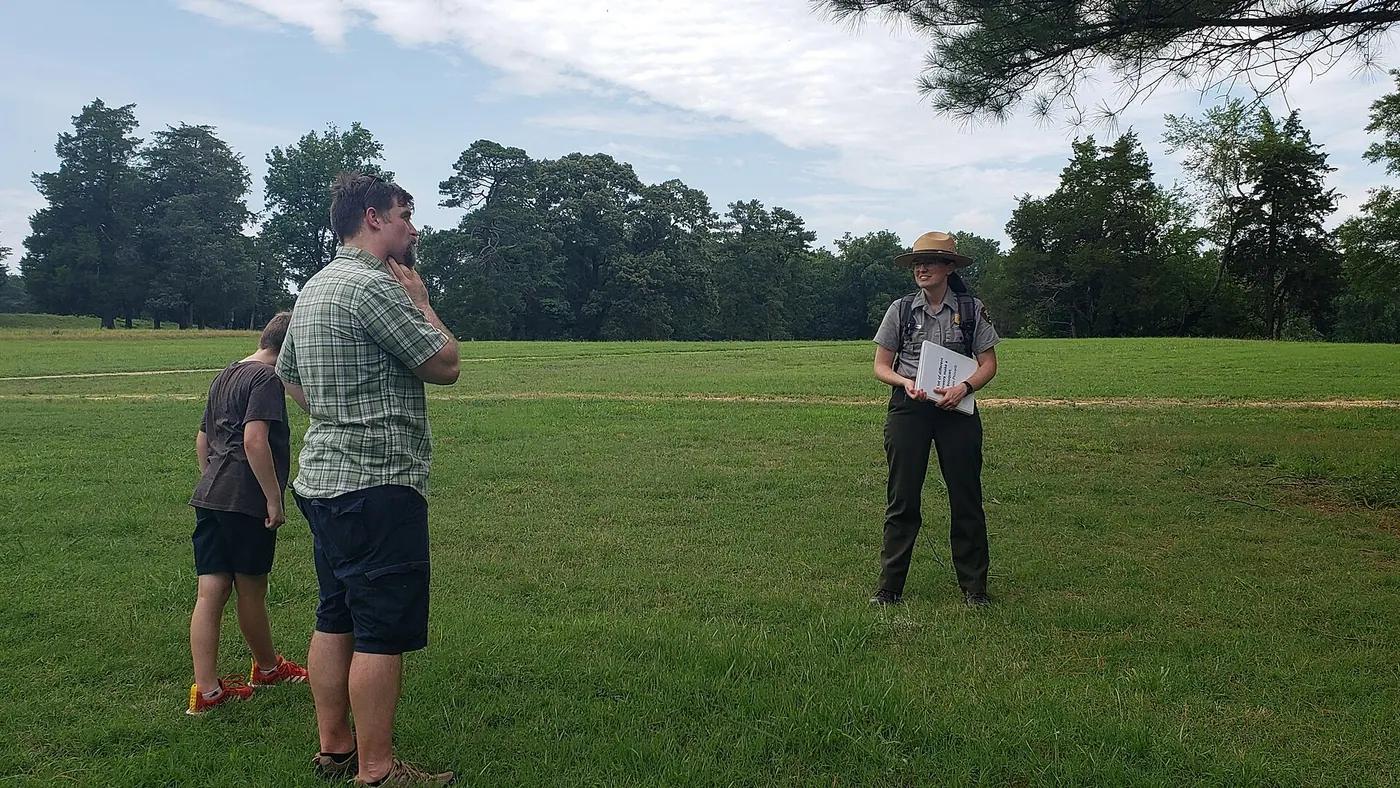
Knowledge is the product. The animal is not.
People pay for orientation: where to stand, how early to arrive, what “quiet” actually means on that trail, and how not to wreck the morning for the animal and for everyone behind you. They do not pay you to manufacture a sighting, and the guides who last are the ones who say so in the first sentence of the listing.
That is good news for anyone with a decade of Sunday walks and no famous portfolio. The person who knows that the kingfisher uses the downstream perch after 8 a.m. and the upstream one before has something a visiting photographer with better glass cannot buy anywhere else.
A good pitch for that orientation names the kind of outing, the area, the duration, the guest limit and a price per person. Keep exact meeting points private until you have agreed to take someone.
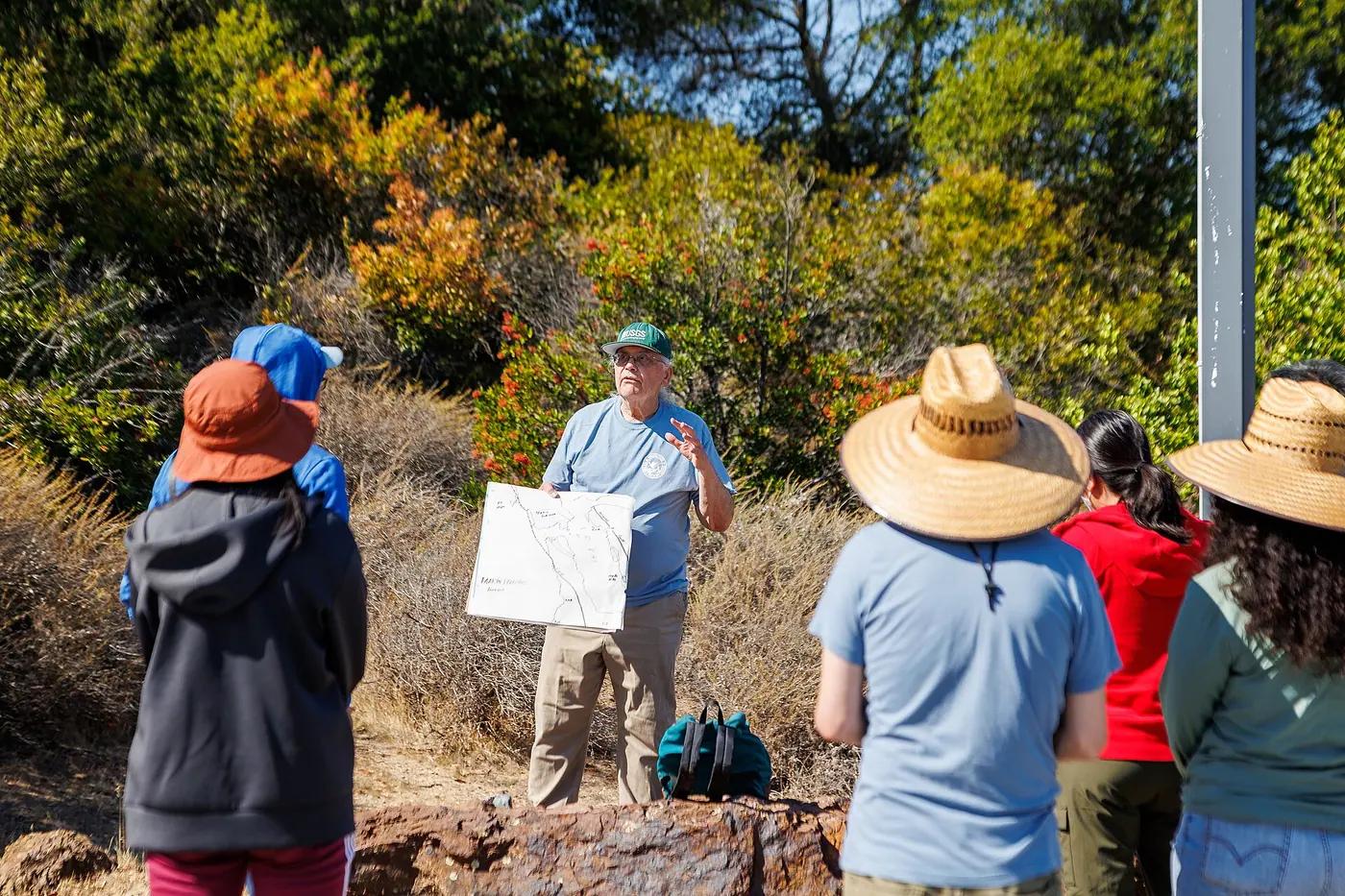
What a guided outing actually sells
Break a good morning down and the animal is a small part of it. The rest is a set of decisions you have already made hundreds of times and the guest has never made once.
Timing
Dawn for songbirds, the hour after sunset for frogs, a falling tide for waders. Knowing which of these applies to the site this month is half the value.
Position
Which bank has the sun behind you, where the path bends so you arrive unseen, and the spot you stop at so the whole group sees the heron before it sees them.
Etiquette
Voices down, no sudden arm-waving at the bird, no playback, no feeding, no handling. A guest who learns this once will carry it to every reserve after.
Interpretation
Why the egret shuffles its feet, why the newts are only in the shallow end, why the warbler you can hear and cannot see is still a tick. Stories are what people repeat at dinner.
Honest expectation
“We usually see twenty species and the otter about one morning in five” is a sentence that books repeat customers. “Guaranteed otter” books one refund.
Know the site like a resident
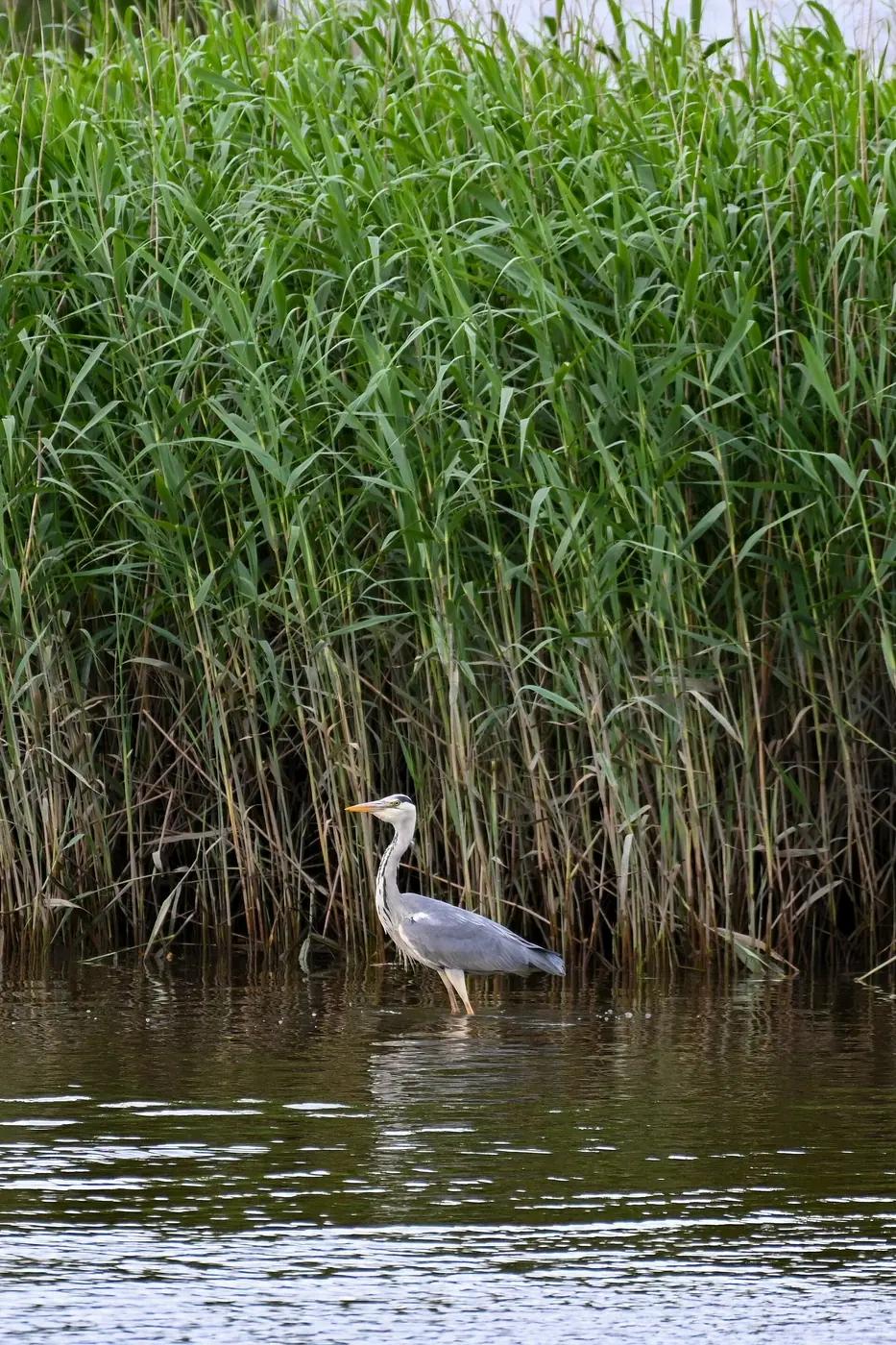
Resident knowledge is seasonal and specific. A grey heron is a good test. It stands around 90 to 98 cm tall with a wingspan close to two metres, and it fishes the same reed margin at the same stage of light for weeks at a time, yet visitors walk past the reedbed because they are looking for something that moves. The guide who knows the bird's stretch of water, the direction it faces into the wind and the week the colony becomes noisy in late winter is offering something no field guide contains.
Keep the same depth of notes for the unglamorous animals. Where the slow-worms bask on the compost edge, which pond has newts in April, which hedge the first chiffchaff sings from in March. The breadth is what turns a bird walk into a wildlife walk, and it is the breadth a public species record makes visible.
Your sightings can become a virtual guide
AnimalDex does not list or book guided walks, and there is no application to fill in. Each place where you log 3 or more wild species, with a public photo, becomes a virtual Wildlife Guide that other explorers will be able to buy for a small real-money fee: your notes on every animal, a direct chat with you, and introductions to local people you met. AnimalDex writes the page from your sightings; you check the draft note for each animal and add your own tips.
| What you need | Details |
|---|---|
| Wild animals logged with location on | Each wild capture with a location counts toward the place it was taken. |
| 3 or more species at one place | Different species, not repeat sightings of the same animal. |
| A public photo | A guide's photos come from your public captures, so a place needs at least one. |
How virtual Wildlife Guides workHow to become a Wildlife Guide with AnimalDex
Price, permits and promises
Price per person for a two- to three-hour walk, and cap the group where you can still keep everyone quiet; six is a common ceiling for birds, fewer for herps at night. Check what the land requires before you list. Many reserves, national parks and some councils require a permit or a concession for commercial guiding even on public paths, and some forbid it. Public liability insurance is cheap compared with one slip on a boardwalk.
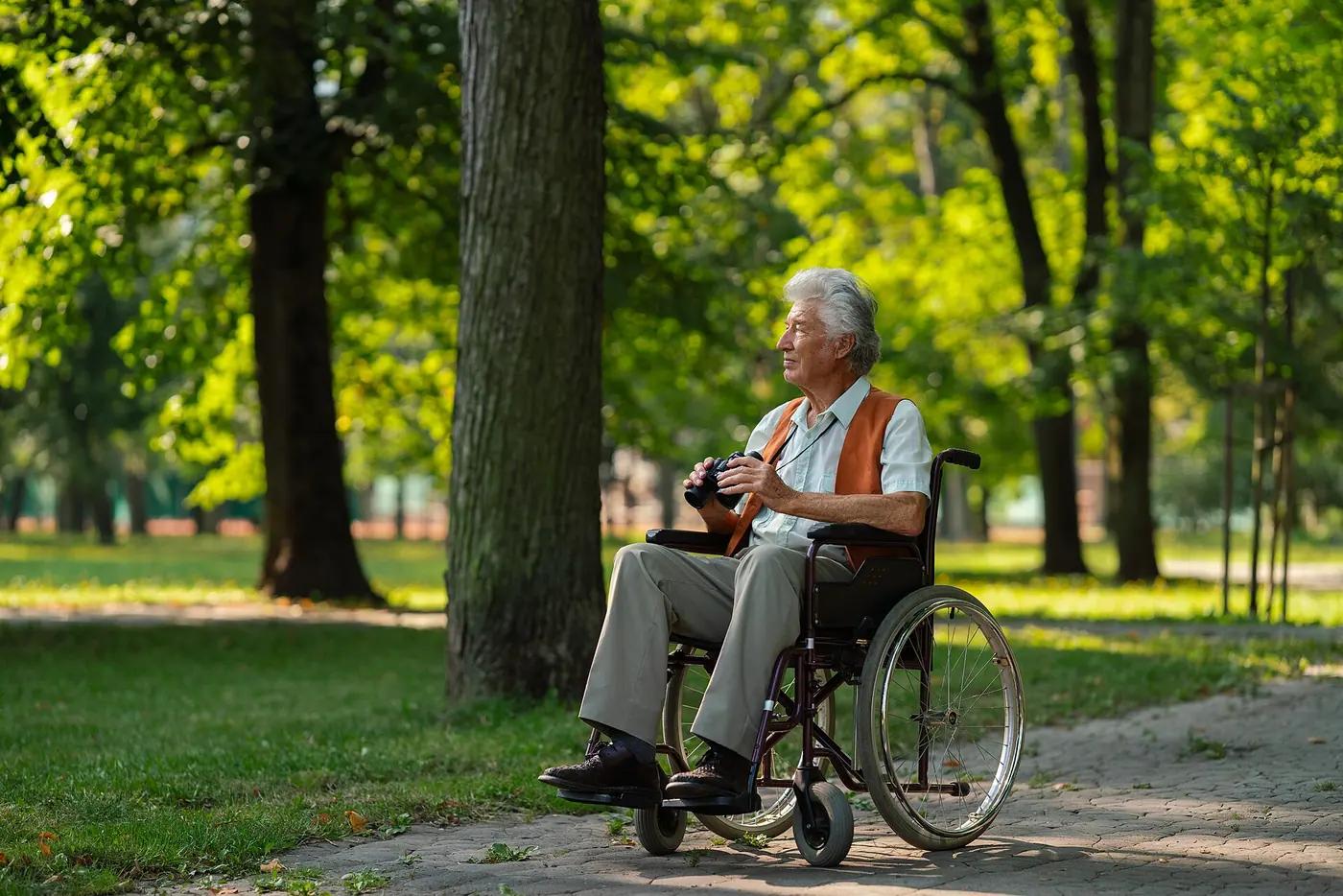
Say what you offer in terms of access as well as wildlife. A flat, surfaced circuit with benches is a different product from a muddy scramble, and plenty of keen naturalists use a wheelchair, a stick or a pushchair. If the heron path is accessible, say so; it is a selling point, not a disclaimer.
Never promise a sighting. Promise the morning: the route, the start time, the number of species you usually get, and the animal you sometimes get.
What makes a great ethical Wildlife Guide
Where the money goes
A walk you lead is paid by your guests directly; AnimalDex does not process that money and never holds it. A virtual guide is different: once buying opens, your share of each sale is released to Earnings 8 days after the purchase, in real money. Credits are never part of it, and nothing you earn from a scan, a mission or a comparison win moves across to the Earnings side.
That split is deliberate. It keeps the game economy and real money on different sides of a wall, so a guide's reputation rests on animals actually found, not on Credits bought.
Promise the morning, not the animal: the route, the start time, the species you usually get, and the one you sometimes get.
How buying a Wildlife Guide worksVirtual Wildlife Guides on AnimalDex
Quick questions
Short answers to common questions readers ask on this topic.
- Do I need a licence to guide wildlife walks?
- Often, yes, depending on the land. Many national parks, nature reserves and some local authorities require a permit or commercial concession to guide paying guests, even on public paths, and some prohibit it. Check with the landowner or managing body before listing, and carry public liability insurance. AnimalDex requires you to hold whatever the law and the site require.
- How much can I charge for a guided birding walk?
- Local guided walks are commonly priced per person for two to three hours, with small groups of about four to six. Set the price against the local market and what the morning reliably delivers, not against a famous tour operator. Guests pay you directly; AnimalDex does not book walks, take the payment or a cut of it.
- What do I need to become an AnimalDex Wildlife Guide?
- No application. Log wild animals with location on; each place where you find 3 or more species, with a public photo, becomes a virtual guide automatically. You can check, edit, price, hide or delete it. AnimalDex Wildlife Guides are virtual, so you are never asked to lead a walk.
- Can I guarantee a sighting on a guided walk?
- No, and you should not try. Wild animals do not keep appointments, and a listing that promises one books refunds. Describe the route, the start time and what the walk usually produces, including how often the headline animal shows. Never use baiting, playback or disturbance to force a sighting.
Answer guides related to this topic
If you want direct comparisons and clear recommendations, continue with these answer-focused pages.
Best Animal Identification Apps
Compare the best animal identification apps by features like photo/video identification, species coverage, collection capabilities, offline use, and more.
What Is Animal Collecting
Learn what animal collecting means in modern apps and how AnimalDex turns real-world sightings into cards, sets, rarity, and species learning.
Pokemon-Like Animal App
Looking for a Pokemon-like animal app with real species? AnimalDex combines creature-collection energy with AI scanning and wildlife learning.
Related guides
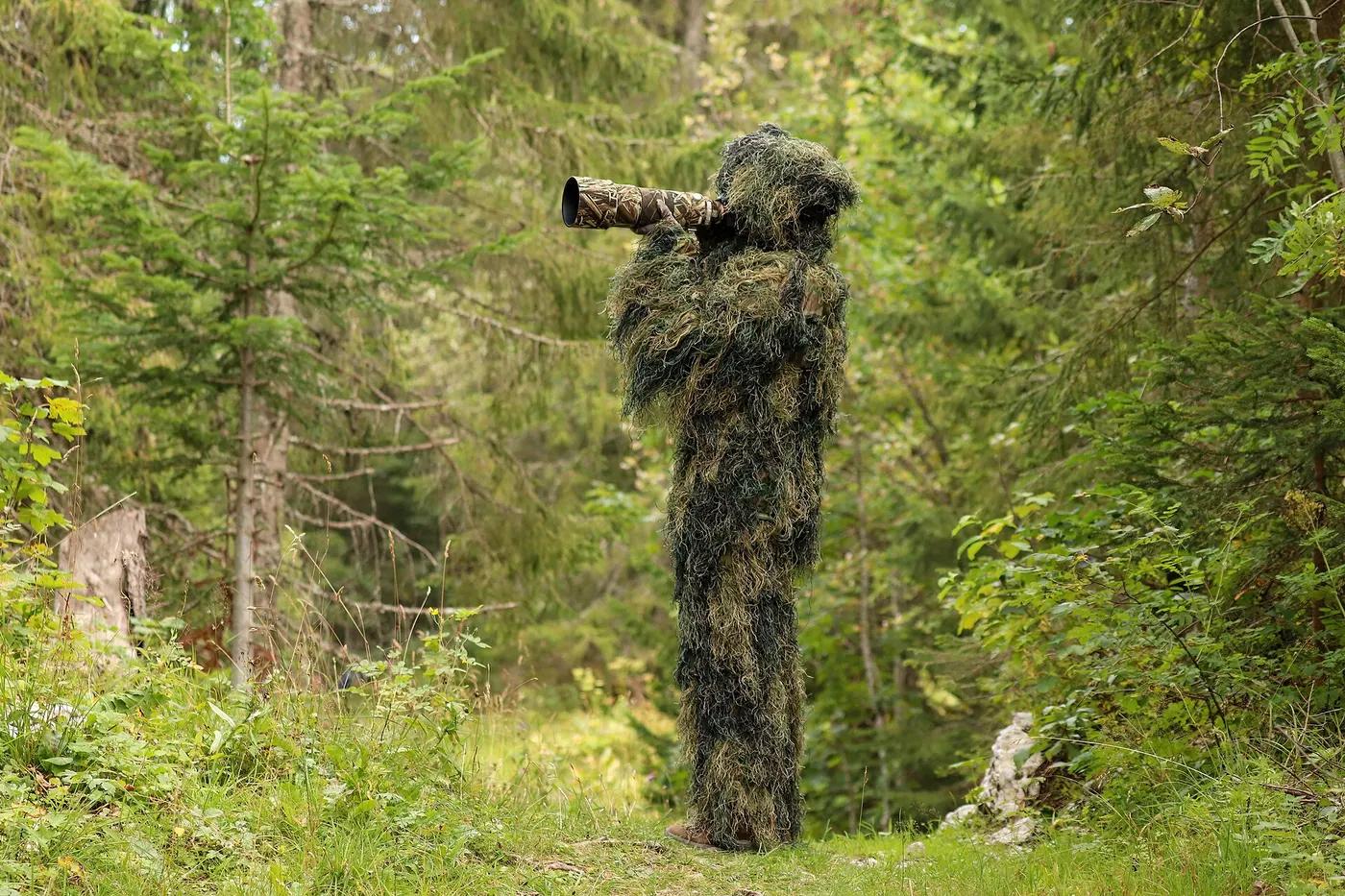
wildlife photography
Can Wildlife Photography Make Money? Realistic Income Routes
Wildlife photography income mixes licensing, assignments, prints, workshops and guiding. How each route really pays, and where an app actually fits.
6 min read
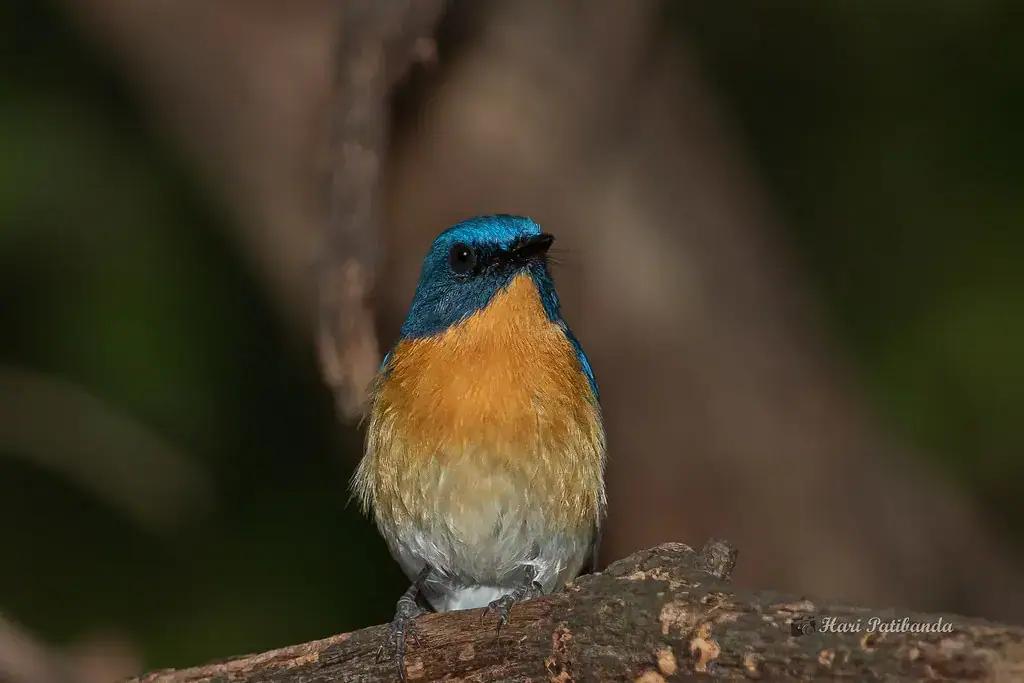
From Birding to Herping: Keep One Public Wildlife Record
Bird lists are common; reptile, frog and insect lists are not. How to keep one honest public record across dawn birding, night herping and macro work.
6 min read
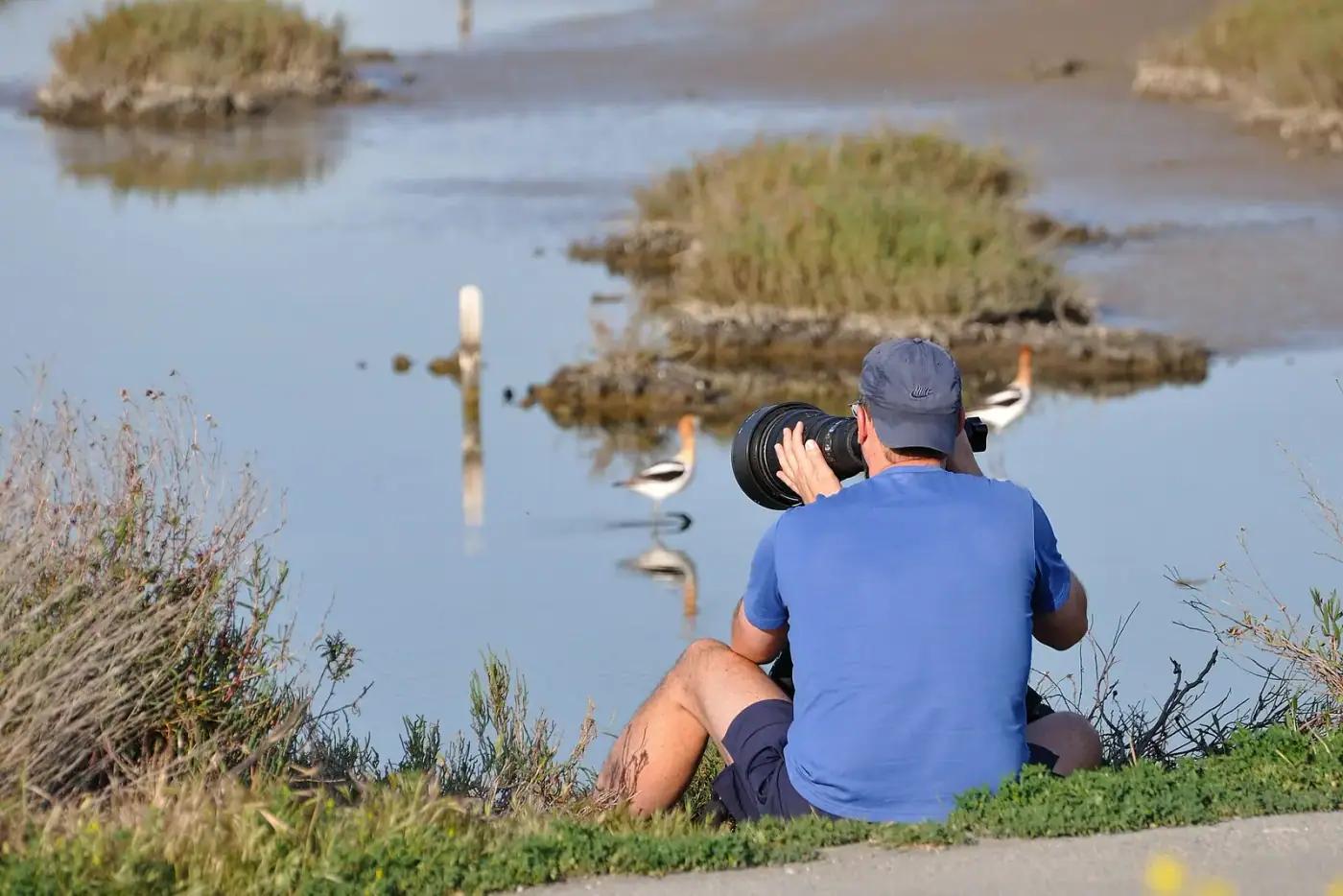
How to Build a Digital Species Collection as a Photographer
Turn field photos into a searchable species collection: what counts as a capture, how a card gets indexed, and the field habit that keeps the list honest.
7 min read