

Animal cardsCustom decksCreator tools
How to create custom animal card decks people collect
How to design a custom animal card deck: theme, categories, meaningful stats, rarity tiers, card anatomy, print specs and photo rights.

Start with a deck theme
A custom animal card deck needs a reason to exist before it needs a design. It might be the family's pets, one zoo trip, the birds of a single reserve, a classroom unit on rainforests, or a photographer's best sightings of the year. The theme decides which animals belong, what stats matter, and why anyone would want the complete set.
Keep the first deck small. Thirty to forty cards is enough to feel like a set and few enough to finish; the classic Top Trumps packs ran to about 30, and most trading-card starter sets are 40 to 60. A deck you finish beats a 200-card deck you abandon at card 70.
Choose categories that make the set feel complete
Categories are what turn a pile of cards into something collectable. They give the deck sub-sets to finish, a colour code to print, and a reason for a common card to matter: a grey squirrel is dull on its own and essential if it completes the Woodland set. Pick one category axis for the whole deck and keep it visible on every card.
| Category axis | Example sub-sets | Best for |
|---|---|---|
| Habitat | Woodland, wetland, grassland, coast, urban | Local wildlife decks, school units |
| Class | Mammal, bird, reptile, amphibian, fish, invertebrate | Zoo trips, general nature decks |
| Continent or region | Africa, Asia, Americas, Europe, Oceania | Travel decks, zoo decks |
| Role | Predator, grazer, scavenger, pollinator, builder | Teaching food webs and behaviour |
| Owner or place | Each family member's pets; each trip | Keepsake and gift decks |
Pick stats that mean something
Stats are the part most homemade decks get wrong, because the numbers are invented. Tie every stat to a real measurement, put it on the same scale across the deck, and the cards become a field guide you can play. Four to six stats is the sweet spot; more than that and nobody reads them.
A simple approach is to score each stat 1 to 100 against the largest value in the deck. If the elephant is the heaviest animal in the set at 6,000 kg, it gets 100 for size and a 60 kg cheetah gets 1. For speed, a peregrine's 300 km/h stoop sets the top and a tortoise sits at 1. Where a trait is not a number, such as intelligence or rarity, use a tier (1 to 5) and write the rule down so the deck stays consistent when you add cards later.
Size
Weight or length, scaled against the deck's biggest animal. Easy to source, easy to argue about, which is the point.
Speed
Top recorded speed. Cheetah 100 km/h on land, peregrine 300 km/h in a dive, sailfish around 100 km/h in water.
Lifespan
Typical wild lifespan in years. Elephants 60 to 70; a house mouse about one.
Rarity
Map to IUCN status: Least Concern 1, Near Threatened 2, Vulnerable 3, Endangered 4, Critically Endangered 5.
Intelligence
A tier from documented behaviour: tool use, problem solving, social learning. Keep the evidence note on the card.
Dominance
How the animal ranks in its own food web, 1 to 5. Prey animals are not weak cards; they are what the predators need.
ElephantCheetahPeregrine Falcon
Rarity tiers and how many of each to print
Rarity is what makes opening a pack feel like something. Four or five tiers are standard, with a steep drop-off between them. A workable distribution for a 40-card deck is 50% common, 30% uncommon, 15% rare, 4% epic and 1% legendary, which gives you twenty commons, twelve uncommons, six rares, one or two epics and a single legendary card. If you also print packs, the same ratio decides how many copies of each card go into the print run.
Mark the tier visually and consistently: a border colour, a foil strip, a symbol in one corner. Legendary should be reserved for an animal that is genuinely exceptional in the real world, whether by conservation status, by size, or by the story behind the sighting.
Give every card a collectible structure
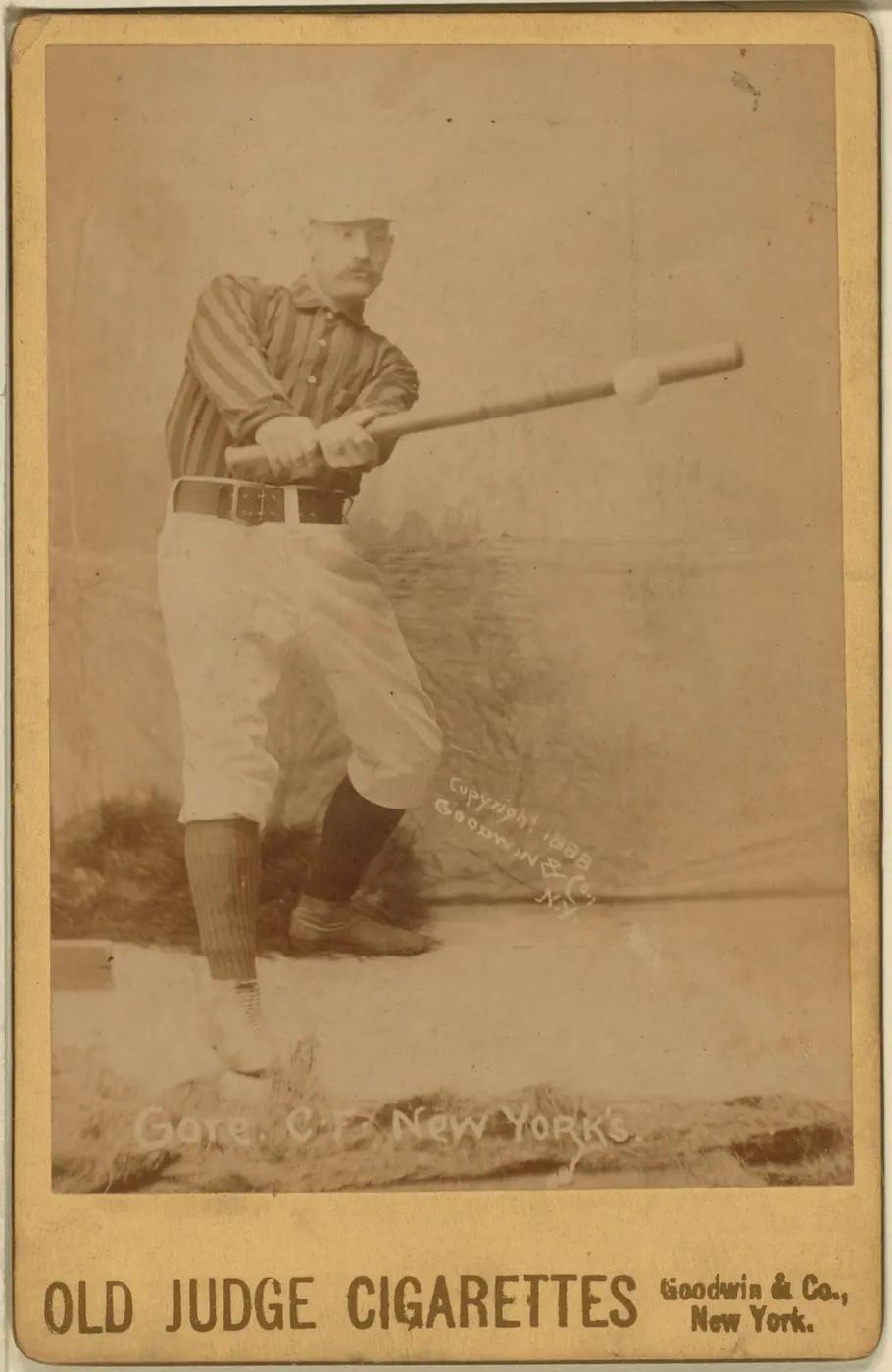
A card should include a strong image, the animal's name, its category, a card number within the set, stats, a short story, and the credit for the photo. Each element has a job, and a card that drops one of them is the card that collectors find unsatisfying without being able to say why.
Image
Fills the top 55 to 60% of the card. Use your own photo or a licensed one; a single animal, side-on or three-quarter, against a plain background reads best at card size.
Identity
Common name large, scientific name small, category symbol, and the set number as 12/40. The number is what makes people want the other 39.
Stats
Four to six, same order on every card, same scale. A stat block is the part people compare, so it must line up when two cards are held side by side.
Story
Two or three lines: one real fact and, for a sighting deck, where and when you found it. The story is what turns the card from a picture into a memory.
Credit and date
Photographer, licence and year in small type along the bottom edge. It protects you and makes the deck look finished.
Print specs that save a reprint
Most first print runs fail on the mechanics rather than the design. Standard poker size is 63.5 by 88.9 mm (2.5 by 3.5 inches), which is also the size most sleeves, binders and boxes are built for; bridge size is 57 by 89 mm and tarot 70 by 120 mm. Set the artwork up with 3 mm of bleed on every side and keep text at least 3 mm inside the trim line, because a cutter can drift by a millimetre or two on every sheet.
Export at 300 dpi in CMYK, not RGB, or the greens and blues of a wildlife photo will shift when printed. Ask the printer for 300 to 350 gsm card stock, and choose a finish on purpose: linen or matte for a deck that will be handled, gloss for colour punch on a display set. Order a proof of five cards before the full run. A proof costs a few currency units and reveals bleed errors, dark photos and unreadable type before they are multiplied by 40.

Design for personal use and creator sales
Pet owners want keepsake cards. Teachers want classroom decks with a worksheet on the back. Photographers want a wildlife pack from a season's work. Small creators want a themed product for a niche audience, the moths of one county or the dogs of one shelter.
Photo rights decide what you can sell. Your own photos are yours; Creative Commons images need the credit and, for CC BY-SA, the same licence on the deck; most stock and all screenshots are out. If you plan to sell, use your own captures or licensed images from the start so the deck does not have to be rebuilt later. Treat it as a creator-ready workflow until a direct marketplace exists: make the cards, organise the deck, and prepare the concept for sharing, printing or selling through existing print-on-demand and marketplace services.
Sell custom animal cardsCustom animal card deck creator use case
Where AnimalDex fits
AnimalDex is a strong foundation for a custom deck because its cards already combine a live capture, a species profile, stats, a rarity tier and the place and date of the sighting. A season of captures is a deck in waiting: the photos are yours, the stats are consistent across every species, and the rarity tier is grounded in conservation status rather than invented.
That gives the project a natural path. You do not just create a card, you build an animal deck with structure, from real sightings, and then decide whether it stays on your phone, goes to a printer as a gift, or becomes a product.
A good deck is a field guide you can shuffle. Every number on the card should be true somewhere in the world.
Animal card deck creatorWhy real-animal collecting feels so good
Quick questions
Short answers to common questions readers ask on this topic.
- What should be on a custom animal card?
- An image that fills the top half, the common and scientific name, a category symbol, a set number such as 12/40, four to six stats on a shared scale, a two-line story, and the photo credit. The set number and consistent stat block are what make a card feel collectible rather than decorative.
- What size are trading cards?
- Standard poker size is 63.5 by 88.9 mm (2.5 by 3.5 inches), and it is the size most sleeves, binders and deck boxes are made for. Bridge cards are 57 by 89 mm and tarot cards 70 by 120 mm. Whatever size you choose, add 3 mm of bleed and keep text 3 mm inside the trim line.
- How do you decide rarity for animal cards?
- Use a steep distribution across four or five tiers, for example 50% common, 30% uncommon, 15% rare, 4% epic and 1% legendary. Base the tier on something real, such as IUCN conservation status or how hard the animal was to find, so that a legendary card is legendary for a reason you can print on it.
- How many cards should a deck have?
- Thirty to forty for a first deck. That is enough to form sub-sets and a rarity curve, and few enough to finish and print as a proof. Classic Top Trumps packs ran to about 30 cards and most trading-card starter sets are 40 to 60, so the range is well tested.
- Can creators sell custom animal cards?
- Yes, if the photos are theirs or properly licensed. Own captures are simplest; Creative Commons images need credit and, for share-alike licences, the same licence on the deck; stock photos usually cannot be resold on a product. Print-on-demand and general marketplaces handle the selling. AnimalDex does not run a card marketplace, so treat it as the place the deck is built, not sold.
Animals mentioned
Jump from this article into the species pages behind the examples, systems notes, and field-guide references.
Maine Coon CatBald EagleKomodo DragonPeregrine FalconCheetahElephant
Answer guides related to this topic
If you want direct comparisons and clear recommendations, continue with these answer-focused pages.
Related comparisons
Continue with structured animal-vs-animal comparison pages connected to the species in this guide.
Bald Eagle vs Peregrine Falcon: Who Would Win in a Fight?
Peregrine falcon wins the speed question clearly. Bald eagle usually gets the overall edge in a direct clash because size, talon grip, and durability matter more once contact happens.
Bald Eagle vs Crowned Eagle: Who Would Win in a Fight?
Bald eagle gets the broader size and open-space verdict, while crowned eagle becomes far more dangerous in forested ambush contexts where explosive attack on agile prey matters more.
Crocodile Monitor vs Komodo Dragon: Who Would Win?
Komodo dragon gets the overall edge because it is heavier and more brutally grounded in close combat. Crocodile monitor stays impressive through climbing, length, and speed in vertical forest structure.
Eagle vs Falcon: Who Would Win in a Fight?
Eagle usually has the power edge in a direct clash. Falcon owns the speed edge and often the cleaner aerial intercept, but size and grip strength still favor the eagle when contact happens.
Related guides
Animal card app
Why real-animal collecting feels so good to card collectors
Why card collectors and creature-game fans find real-animal collecting so satisfying: natural rarity, lifers, place memory and set completion.
6 min read
20 Real-life Pokémon: animals you can collect in the wild
A cross-generation guide to 20 Pokémon inspired by real animals, from Generation I through Generation IX, and how that collecting instinct maps onto wildlife discovery.
9 min read

How to estimate animal breed prices without guessing
How to estimate animal breed prices: the factors that move a puppy or kitten price (pedigree, health tests, colour, demand, region), with a table.
7 min read