

Animal card appSpecies collecting gameCollector psychology
Why real-animal collecting feels so good to card collectors
Why card collectors and creature-game fans find real-animal collecting so satisfying: natural rarity, lifers, place memory and set completion.
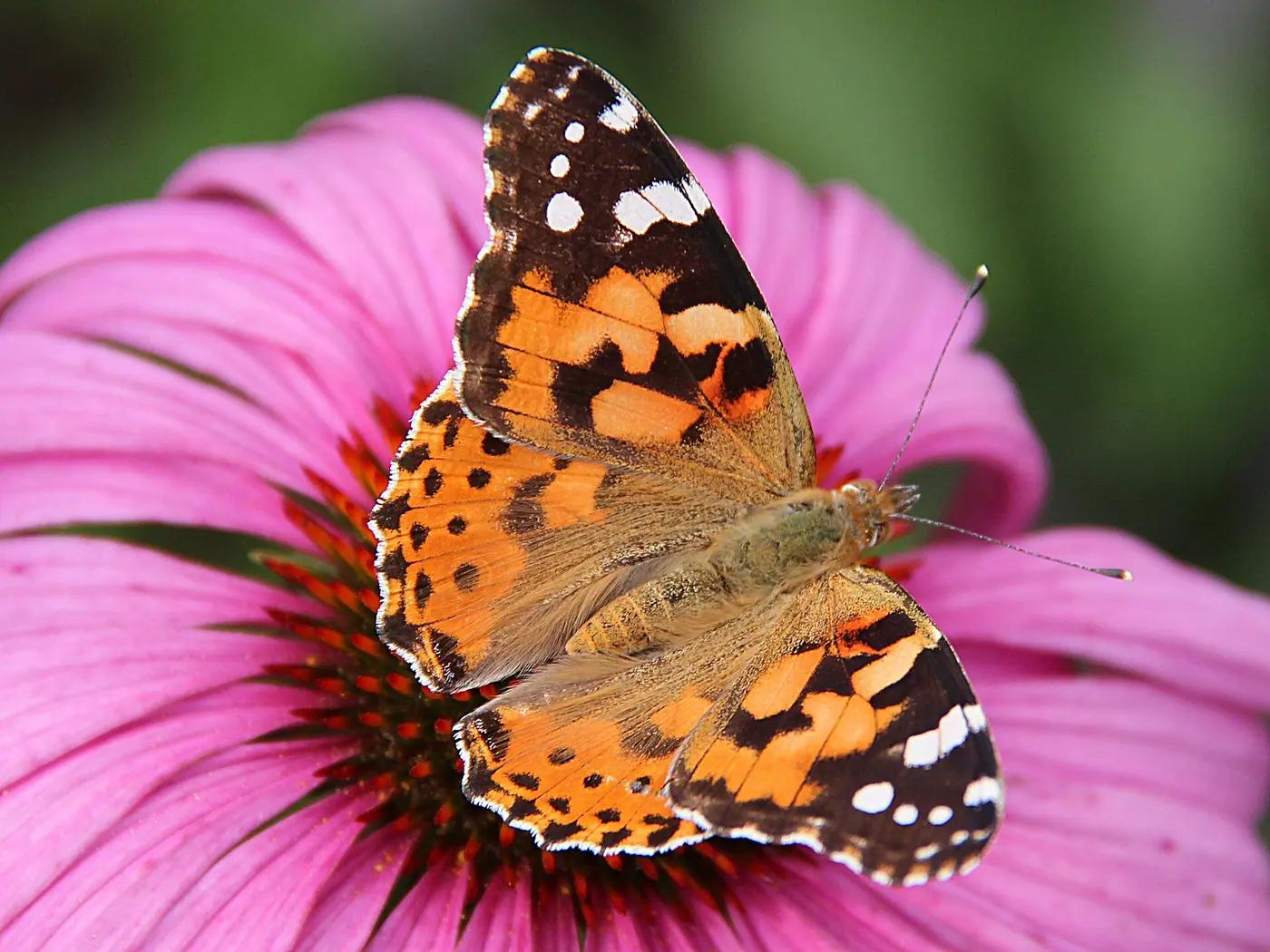
Real animals already have rarity, variety and surprise built in
Collectors love variation, and real animals provide it without any lore. Some species are common, some are elusive, some look dramatic, some are subtle, and many become more interesting the longer you study them. A card game has to invent a drop rate. Nature already has one: a robin visits most European gardens daily, a kingfisher lives on most clean rivers but shows itself for two seconds as a blue streak, and a barn owl hunts the same fields every night while most people never see it.
That is why a wildlife collection can feel as rich as any fantasy set. The world already contains habitats, lookalikes, regional sets, seasonal changes and one-off sightings. The loop is grounded in reality, which makes each card feel earned rather than opened.
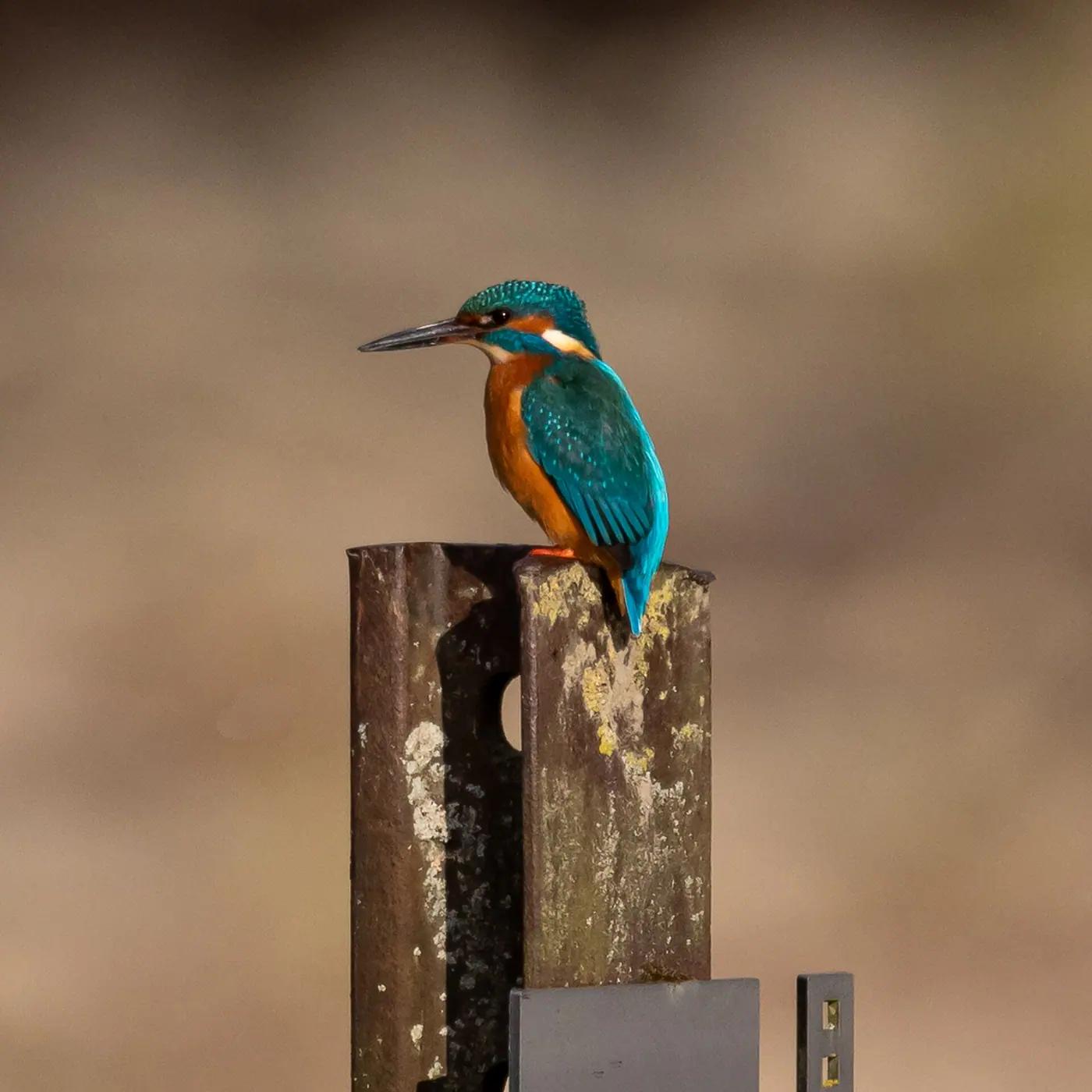
European RobinCommon KingfisherBarn Owl
Five kinds of real-world rarity
Card rarity is one number. Animal rarity has several independent axes, and the mix is what keeps a real collection interesting for years. The table below is the version most birders and herpers carry in their heads whether or not they name it.
| Type of rarity | What it means | Example | How you beat it |
|---|---|---|---|
| Seasonal | Present only part of the year | Arctic tern passing through on migration in spring and autumn | Know the dates; check the same spot in the right fortnight |
| Nocturnal | Common but active after dark | Barn owl, hedgehog, most moths | Go out at dusk; use a red torch; listen before you look |
| Range-restricted | Lives only in a small area | Island endemics, mountain-top species | Travel, or accept the card will stay empty for a while |
| Elusive | Widespread but shy or well camouflaged | Kingfisher, red fox in daylight, most snakes | Sit still at one good spot for 30 minutes instead of walking |
| Weather-dependent | Appears under specific conditions | Amphibians on the first warm wet night of spring; seabirds blown inland by storms | Watch the forecast, not the calendar |
Birders worked this out a century ago
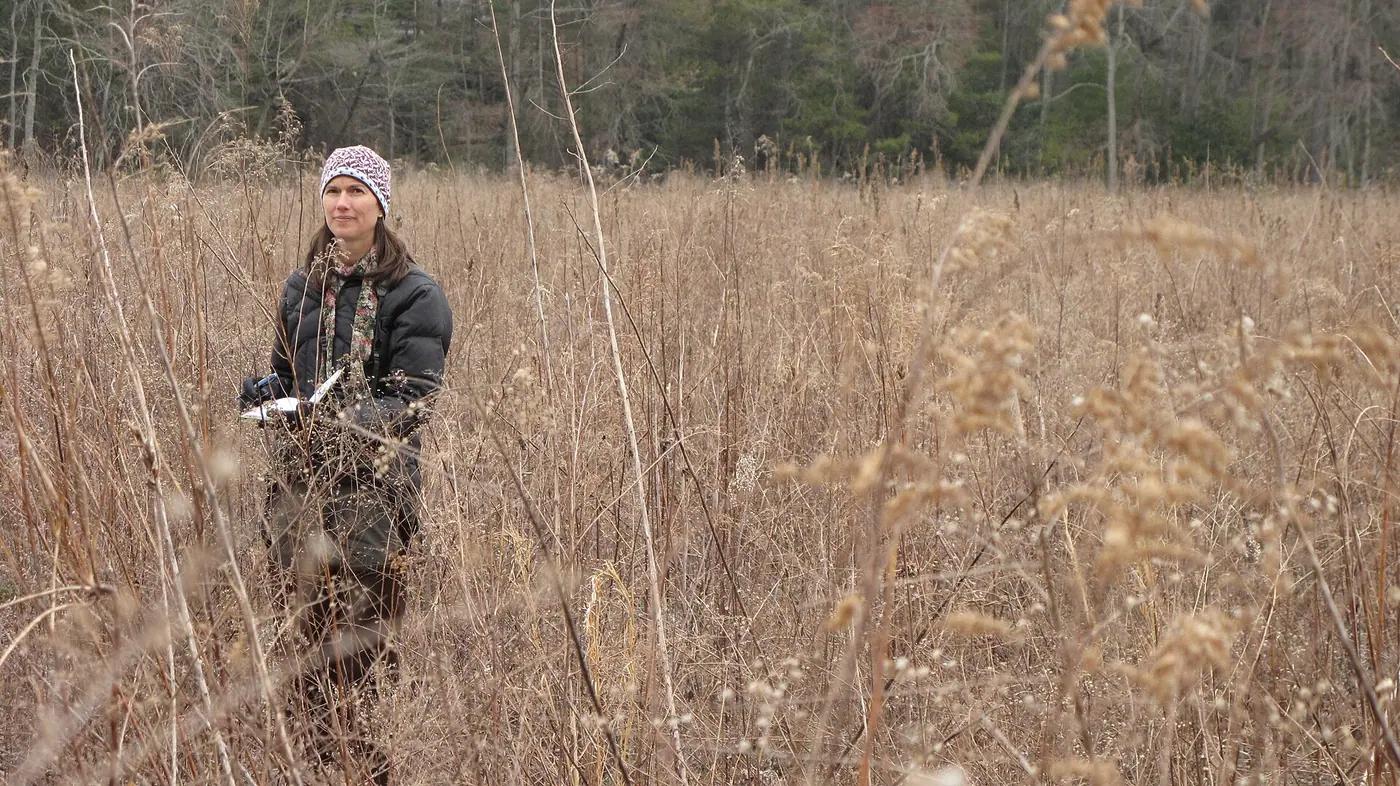
Birdwatchers have run the oldest real-animal collecting game there is. A life list is every species you have ever identified; a year list resets each January; a patch list covers one local site; and a "lifer" is a species seen for the first time, the exact feeling a card collector gets from a chase card. Cornell's eBird holds more than a billion of these records, submitted as checklists, and the same list logic now runs through iNaturalist for everything from beetles to whales.
The reason the hobby lasts decades is that completion is impossible and progress is constant. Roughly 11,000 bird species exist and the most travelled listers have seen about 10,000 of them, so even the leaders are still collecting. A beginner's first hundred species can be found within a few kilometres of home, which is where most people fall in love with it.
The oldest collecting game

Real-life Pokémon you can collect in the wild
The best collection memories come from where you found them
A real-world sighting carries context. You remember the zoo visit, the park at sunrise, the surprise bird on a city street, the safari drive, the aquarium tunnel, or the family trip where everybody finally spotted the animal together. Psychologists call this episodic memory: a fact tied to a place and a moment is far easier to recall than the fact alone.
That gives a real-animal card something a fantasy set cannot copy. The entry is tied to a place, a time, a photo you took and often a person you were with. Collections built that way feel lived-in instead of accumulated, and they are the ones people still open years later.
A card you opened is a card you own. A card you found is a day you remember.
Stats and battles can add fun without replacing learning
Collectors who also enjoy games often want more than a static archive. Progress, grading, missions, trades and even battles can make a species collection feel alive. The test is whether the system deepens interest or reduces an animal to a disposable number.
The fix is to anchor every stat in a real trait. A peregrine's speed stat should come from its 300 km/h stoop, an elephant's size stat from its six tonnes, an octopus's intelligence stat from documented problem solving. When a battle is lost because a cheetah tires after 30 seconds of sprinting, the player has learned something true about cheetahs. Grading a capture on sharpness, light and framing teaches photography without saying so.
Stat that teaches
Speed, size, dominance, intelligence and rarity, each traceable to a real measurement or a conservation status.
Mission that teaches
"Find three animals that use water to hunt" sends you to a heron, a kingfisher and an otter, and you come back knowing how each one fishes.
Trade that teaches
Swapping a common local species for one from another continent is a geography lesson disguised as a deal.
Grade that teaches
A score for the photo, not the animal, rewards patience, distance and light rather than getting closer.
Species collecting game with battles and trading
AnimalDex is trying to bridge both sides
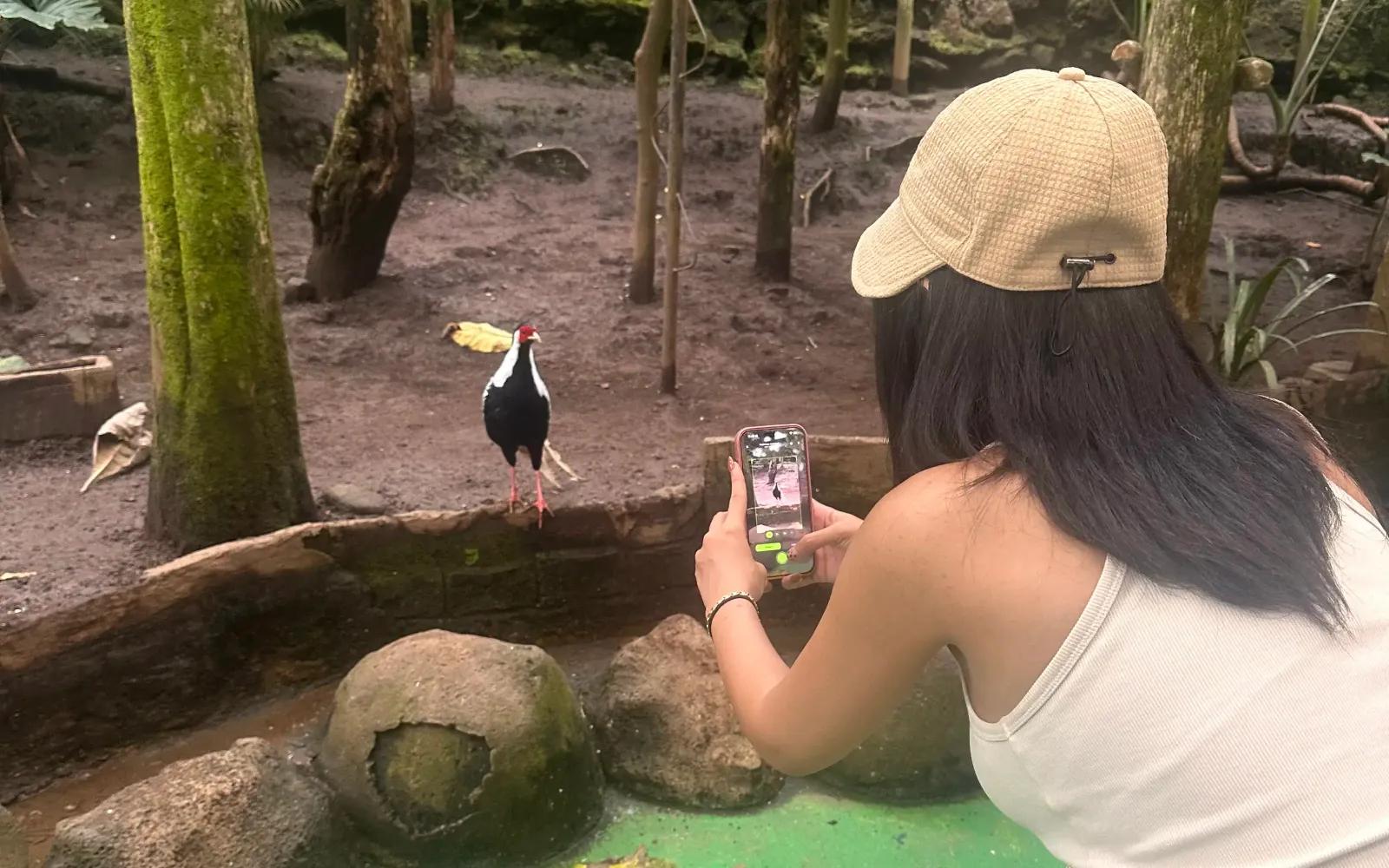
AnimalDex sits between wildlife learning and collectible play. It is for people who enjoy the energy of creature collecting, card albums and set completion but want that energy aimed at real animals, real sightings and real curiosity. A capture is a live photo taken in the app; it resolves to a species card with stats, a rarity tier and your location attached. Camera-roll uploads are not captures, so every card in the collection was found, not filed.
That is why the product needs both halves. It is a collectible experience with sets, grades and progress, and it is an animal-learning app built around respectful observation and a growing field guide.
Wildlife collection and animal card appWhat makes an animal rare
Quick questions
Short answers to common questions readers ask on this topic.
- What is a life list in birdwatching?
- A life list is the running total of every bird species a person has identified in the wild, kept for a lifetime. Birders also keep year lists, country lists and patch lists for one local site. A species seen for the first time is called a lifer, and it is the birding equivalent of pulling a chase card.
- Why is collecting so satisfying?
- Collecting combines three things people find rewarding: visible progress toward a set, unpredictable rewards, and ownership of something with a story. Real-animal collecting adds a fourth, the memory of the place and moment the animal was found, which is why a sighting tends to be remembered longer than a card bought in a pack.
- Can a common animal still be a rare sighting?
- Yes. Rarity for a collector depends on how hard the animal is to see, not only on how many exist. Kingfishers, barn owls, foxes and most snakes are widespread but elusive, nocturnal or well camouflaged, so a clear view of one is genuinely uncommon even though the species is not threatened.
- Do you need to travel to build a good animal collection?
- No. Most people can find their first hundred species within a few kilometres of home by covering different habitats at different times of day and year. Travel adds range-restricted species later, but local lists reward attention and repetition, which is where most lasting collections begin.
- How does AnimalDex decide what counts as a capture?
- A capture is a live photo taken with the in-app camera that resolves to a species card. Photos uploaded from the camera roll are not captures. An optional Instagram import exists, but it reviews each post before anything becomes a capture, so the collection stays a record of animals you actually found.
Animals mentioned
Jump from this article into the species pages behind the examples, systems notes, and field-guide references.
Sources and further reading
Answer guides related to this topic
If you want direct comparisons and clear recommendations, continue with these answer-focused pages.
Pokemon-Like Animal App
Looking for a Pokemon-like animal app with real species? AnimalDex combines creature-collection energy with AI scanning and wildlife learning.
What Is Animal Collecting
Learn what animal collecting means in modern apps and how AnimalDex turns real-world sightings into cards, sets, rarity, and species learning.
Related comparisons
Continue with structured animal-vs-animal comparison pages connected to the species in this guide.
Fox vs Wolf: Who Would Win in a Fight?
Wolf clearly has the edge in a direct fight. Fox stays impressive because it is more about adaptability, stealth, and opportunistic survival than trying to overpower larger canids.
Laughing Kookaburra vs Common Kingfisher: Who Would Win?
Laughing kookaburra usually has the edge because it is much larger, more forceful, and built to handle bigger prey. Common kingfisher is the finer precision specialist around small fish and tight-water strikes.
Related guides
Animal collection game
20 Real-life Pokémon: animals you can collect in the wild
A cross-generation guide to 20 Pokémon inspired by real animals, from Generation I through Generation IX, and how that collecting instinct maps onto wildlife discovery.
9 min read

What makes an animal rare? Range, population and endemism
What makes an animal rare: IUCN Red List categories, range size versus population, endemism, fragmentation, and why rare to see is not always rare.
8 min read

How to create custom animal card decks people collect
How to design a custom animal card deck: theme, categories, meaningful stats, rarity tiers, card anatomy, print specs and photo rights.
8 min read