

wildlife photographyphoto organizationInstagram import
How to Organize Years of Wildlife Photos by Species
A working method for sorting a wildlife photo archive by species, place and setting, re-identifying old shots honestly and keeping the result searchable.
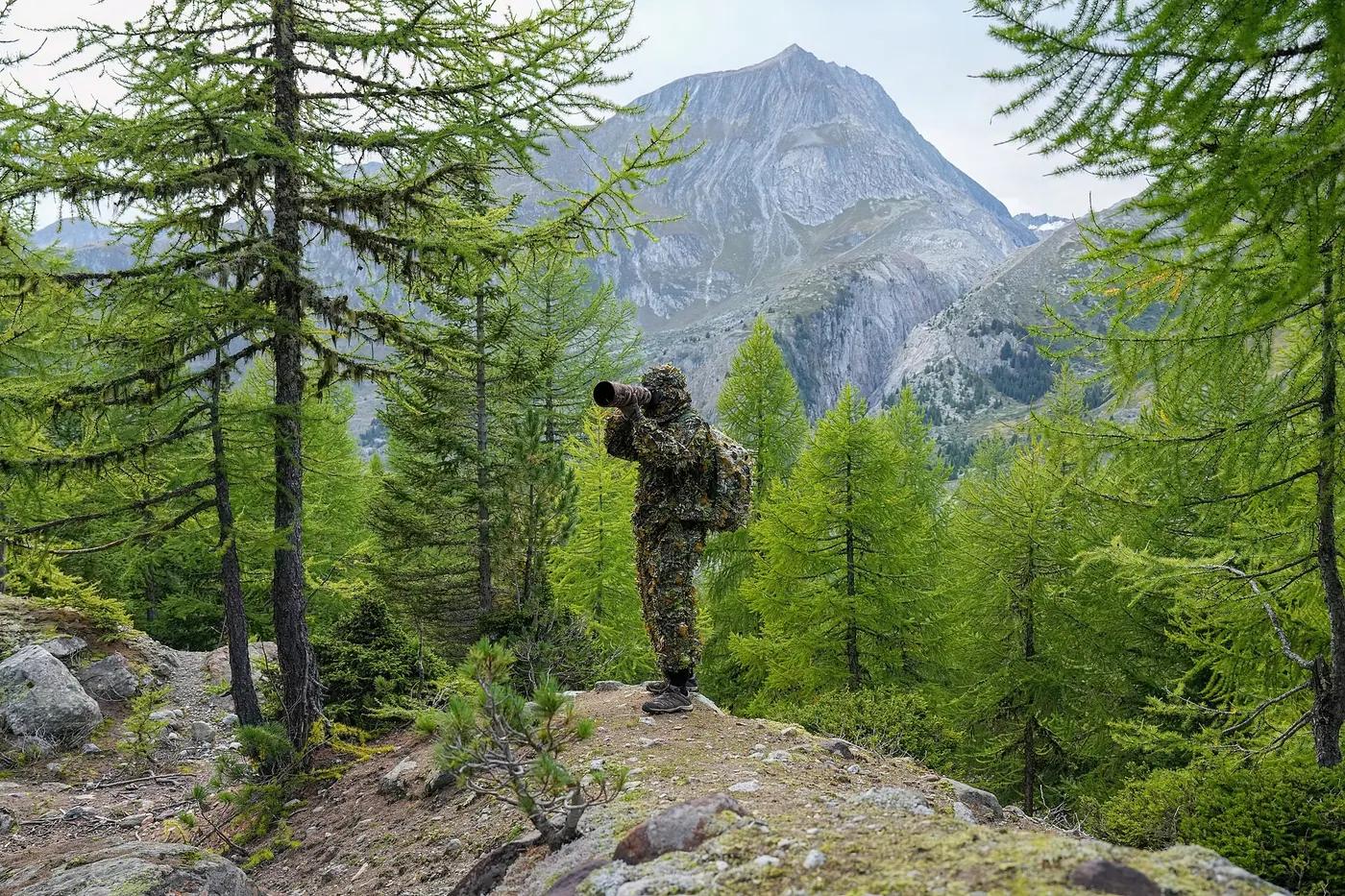
Why a camera roll is a weak wildlife catalog
Most wildlife photographers already own the pictures. What they do not own is a species index: which animal it was, where it actually was, and whether that identification would survive a second look. A camera roll sorts by the moment the shutter fired. A trip folder sorts by the holiday. Neither can answer the question a photographer actually asks years later, which is “have I photographed this species, and where?”
The folder approach also fails quietly. A folder called Bali 2019 holds a green pit viper, a tree frog and a monitor lizard, with nothing marking which is which. A folder called Snakes mixes a garter snake from a Minnesota lawn with a vine snake from Costa Rica. Lightroom keywords help, but only if you typed the right name at the time, and most people typed a guess.
The fix is not more folders. It is a catalog whose primary key is the animal, with the encounter (place, date, setting, evidence) attached to it. That is what a Dex is, and it is also what a birder's life list or a herper's field journal has always been, just with the photo kept in the record.
Species first, then place, then setting
Work in three passes, in this order. Identity is the hardest pass and the one most likely to change your mind about a photo, so do it before you spend time on anything else. Place comes second because the honest answer is often rougher than you remember. Setting comes last and takes seconds, but it is the field people skip and regret: a captive animal filed as wild corrupts every range map and every list built on top of it.
A pass over 2,000 photos at 20 seconds each is roughly 11 hours. Do it in sessions of 100 to 200 and start with the animals you know best. Confidence builds a vocabulary of what a solid record looks like before you reach the hard ones.
1. Species
Name the animal to the level the photo supports. Species when the diagnostic feature is visible, genus or family when it is not. Write down why: “keeled scales, round pupil, yellow collar” beats “looks like a grass snake”.
2. Place
The place you stood when you made the picture, not today's GPS and not the hashtag. A site name, a reserve, a town or a 10 km grid square are all honest answers at different resolutions.
3. Setting
Wild, captive (zoo, aquarium, rescue centre), farm or domestic. A wild tiger and a zoo tiger are the same species and completely different records.
4. Evidence
Keep the original file, not the Instagram export. The original holds the EXIF date, often the camera GPS, and the full-resolution detail that lets you check a scale count later.
Re-identify old photos without fooling yourself
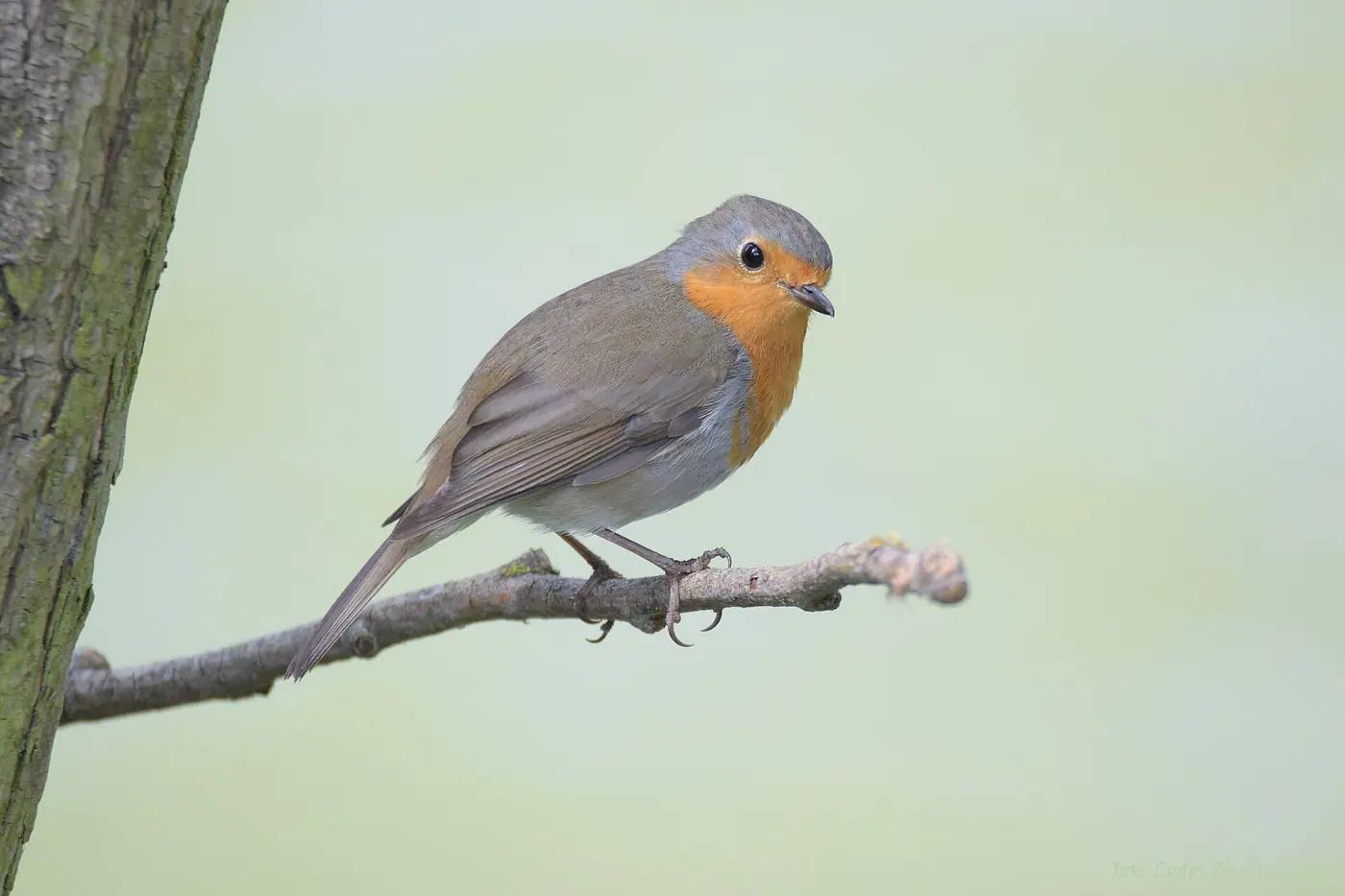
Old photos were identified by a younger, less experienced you, often from the back of the camera. Treat every old caption as a hypothesis. Then sort the archive into lookalike groups and resolve each group with a field guide open, rather than resolving photos one at a time in random order. Doing all the tits in one sitting, or all the brown frogs, trains your eye on the single feature that separates them.
Know when to stop. A silhouetted egret with no leg colour visible is an egret, not a little egret. A brown juvenile gull is a gull. A Pelophylax water frog in central Europe is honestly a water frog unless you heard it call. Stopping at genus or family is not a failure; it is the record being accurate. A species name you cannot defend is worse than no name, because it will be copied into a list and trusted.
Use community checks for the groups you struggle with. iNaturalist's identifiers will correct a wrong frog within days, and eBird reviewers flag improbable birds. Bring the corrected name back into your own catalog; do not leave the correction stranded on someone else's site.
| Lookalike group | What usually separates them | Honest fallback |
|---|---|---|
| Grass snake, smooth snake, adder (Europe) | Yellow collar and round pupil (grass); vertical pupil and zigzag (adder); plain brown with dark eye stripe (smooth) | “Snake” with region and length estimate |
| Egrets and small white herons | Bill colour, leg colour, foot colour, size against a known bird | “Egret” |
| Brown frogs (common frog, moor frog, agile frog) | Snout shape, heel-to-snout leg length, dorsal stripe, eye mask | “Brown frog (Rana)” |
| Garter snakes (North America) | Stripe position (scale rows), lateral spotting, head markings; subspecies are often unresolvable in a photo | “Garter snake (Thamnophis)” |
| Tits and chickadees | Cap colour, bib size, wing bars, cheek pattern | “Tit/chickadee” plus location, which rules most species out |
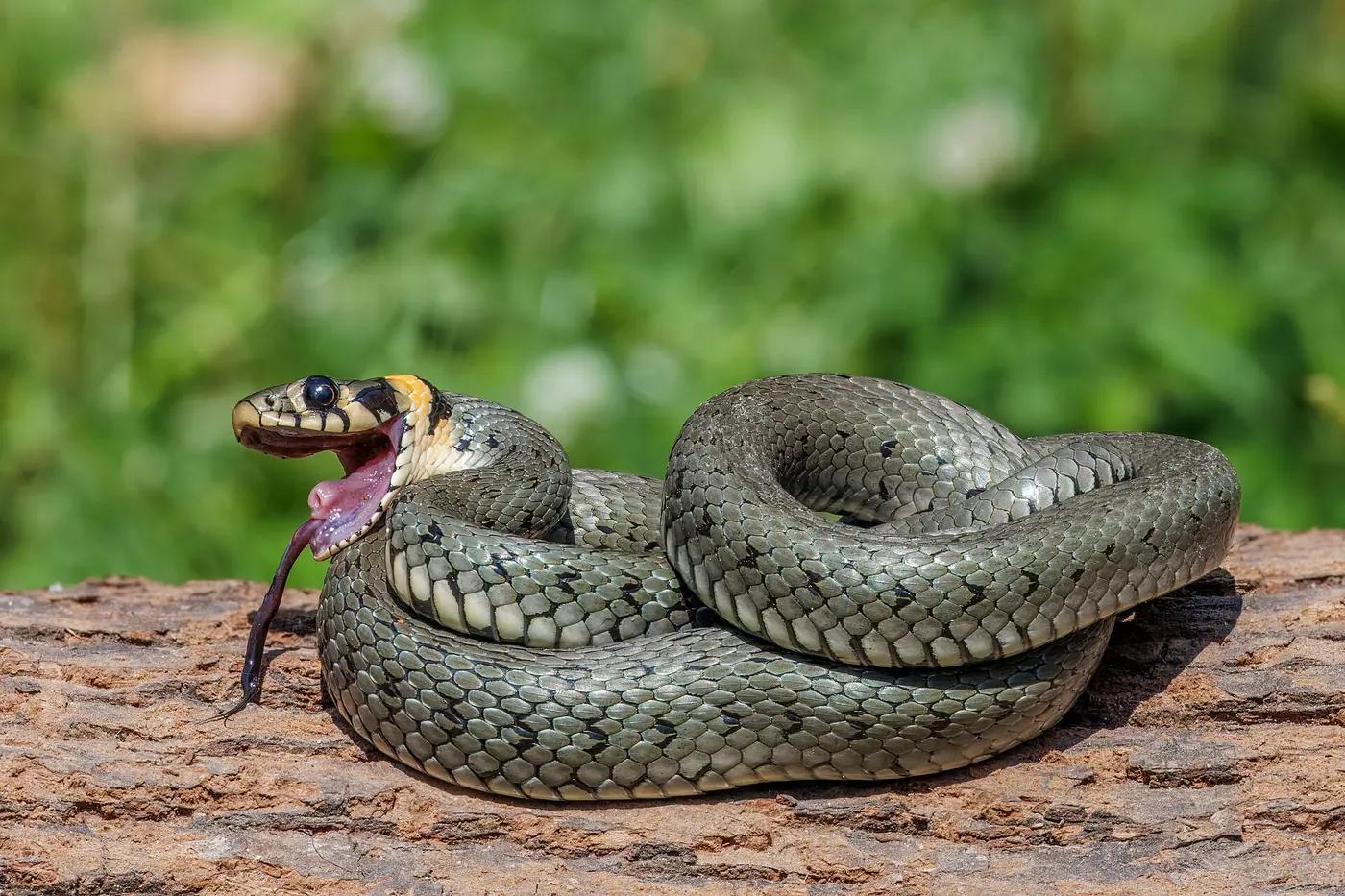
Red-sided Garter SnakeLittle Egret
Rebuild the dates and places you never wrote down
If you still have the original files, the date is almost always in the EXIF header (DateTimeOriginal), and phone photos often carry GPS coordinates. Check the camera clock was right: a camera that was never reset reads 2012 on photos from 2019, and a camera left on home time while abroad is off by hours, which matters for dusk and dawn species.
If the original is gone and only the Instagram copy survives, the post date is an upper bound, not the capture date. Rebuild the place from the trip itinerary, the posts around it, the background (a signposted boardwalk, a named hide, a recognisable shoreline), and a map. Satellite view plus the memory of “the second pond past the car park” gets most people to within a few hundred metres. Write down that it was reconstructed and roughly how precise it is.
When nothing works, record the coarsest unit you are sure of: the reserve, the island, the national park. A capture placed honestly at a reserve level is useful. A capture pinned to a precise point you guessed is misinformation with a confident face.
If the archive already lives on Instagram
AnimalDex can look through a compatible Instagram professional account for posts that contain animals. It then shows each candidate one at a time, and you review the species, the historical location and the setting before the original media becomes an entry in your Dex. Posts without a location you can confirm stay out of the import queue. Group-level identities are kept when that is the honest catalog result; the app will not promote a “brown frog” to a species to make the grid look tidier.
That is slower than a bulk dump, and that is the point. A catalog that trusts captions will lie to you later. Imported archive items are also a different thing from live in-app captures: they build your collection and can appear in Discover, but they are not live field captures and do not count toward programmes that are tied to live contribution.
A species name you cannot defend is worse than no name, because it will be copied into a list and trusted.
Wildlife photography companionImport Instagram wildlife photos
What not to automate
Automation is useful for finding candidates and useless for deciding what is true. Keep these decisions manual.
Hashtags are not coordinates
#costarica tells you the country. It does not tell you which slope of which volcano, and it is often added for reach rather than accuracy.
A cleaner grid is not a better list
Do not promote a genus-level record to a species because the species card has nicer art. The empty slot is honest; the wrong card is not.
Captions are not identifications
Your 2017 caption was a guess made on a phone screen. Re-check it against the full-resolution file before it becomes a record.
Captive stays captive
A wildlife park animal photographed through a fence is a captive record even if the fence is out of frame. Tag the setting before you forget which day it was.
Quick questions
Short answers to common questions readers ask on this topic.
- Can I organize wildlife photos without reshooting them?
- Yes. Start from the original files or from a compatible Instagram professional account, review each photo for species, historical place and setting, and file it by animal rather than by trip. Eligible Instagram posts can be reviewed and imported into AnimalDex one at a time, so an archive from 2015 can sit in the same collection as a capture from this morning.
- How do I identify an animal in an old photo I never labelled?
- Sort the archive into lookalike groups first, then resolve each group with a field guide and the location, which rules most candidates out. Look for one diagnostic feature (pupil shape, leg colour, stripe position) rather than overall impression. If the feature is not visible, stop at genus or family and record it that way.
- What is the best way to catalog wildlife photos by species?
- Use a catalog whose primary key is the species, with place, date and setting attached to each record and the original file kept as evidence. Folders and albums sort by trip or by date and cannot answer whether you have photographed a species before. A Dex, a life-list app or a well-kept spreadsheet all work if identity stays honest.
- Should every photo become a public record?
- No. Publish only records where you have confirmed the identity and a historical location, and keep precise locations private for species that are collected or persecuted, such as adders, rare orchids and many turtles. Imported Instagram posts can appear in AnimalDex Discover, which is why the review step exists.
- Do imported Instagram photos count as captures?
- They become entries in your Dex after review, but they are archive items, not live in-app captures. Live captures are photographed in the app in the field with their own camera and location pipeline. Imported items build your collection and life list; they do not add live-contribution signals.
Animals mentioned
Jump from this article into the species pages behind the examples, systems notes, and field-guide references.
Answer guides related to this topic
If you want direct comparisons and clear recommendations, continue with these answer-focused pages.
Best Animal Identification Apps
Compare the best animal identification apps by features like photo/video identification, species coverage, collection capabilities, offline use, and more.
What Is Animal Collecting
Learn what animal collecting means in modern apps and how AnimalDex turns real-world sightings into cards, sets, rarity, and species learning.
Pokemon-Like Animal App
Looking for a Pokemon-like animal app with real species? AnimalDex combines creature-collection energy with AI scanning and wildlife learning.
Related guides
life list
How to Keep a Wildlife Photography Life List
How photographers keep a species life list that stays honest: what counts, how to handle uncertain IDs, where old archives fit, and which fields matter.
4 min read
Wildlife Photography App vs Photo Gallery: The Difference
Galleries store files and edits. A wildlife app stores identity, place, setting and evidence. What each does well, where they fail, and how to use both.
4 min read
Turn an Instagram Wildlife Archive Into a Species Collection
What survives in an Instagram wildlife post and what is lost, how to review each post honestly, and how to keep the originals in a species collection.
5 min read