

life listwildlife photographychecklist
How to Keep a Wildlife Photography Life List
How photographers keep a species life list that stays honest: what counts, how to handle uncertain IDs, where old archives fit, and which fields matter.
What a life list is and what a photo life list adds
A life list is the set of species you have personally encountered, each recorded once with the first date and place. Birders have kept them for over a century, and the convention is simple: one line per species, first encounter wins, everything after that is a repeat. A photo life list is the stricter cousin. The species only counts when you have a photograph that supports the identification, which rules out heard-only birds, brief flybys and the frog that jumped before you raised the camera.
The stricter rule makes the list more useful rather than less. Every entry has evidence attached, so a wrong identification can be caught and fixed years later. It also removes the temptation to count a glimpse, which is where most inflated lists come from.
Decide the rules before you count
Lists drift when the rules are decided case by case. Settle these questions once and write them at the top of the list.
Wild only, or wild and captive?
Most photographers keep two lists or tag each entry. A zoo snow leopard is a real photograph and a false range record. Never let the two merge.
Species or subspecies?
Species is the sane default. Subspecies are often unresolvable from a photo and are revised constantly. Note the subspecies in the entry if you are sure; do not count it separately.
Introduced and feral?
Count established introduced populations (ring-necked parakeets in London, cane toads in Queensland) and tag them. Escaped pets and released individuals do not count.
Group-level entries?
Allowed, and tagged. “Pelophylax water frog” or “Thamnophis garter snake” is a legitimate line that can be upgraded when a better photo arrives.
Minimum evidence?
A frame where the diagnostic feature is visible. Not a dot in the sky, not a tail disappearing under a log.
A life list is only useful if the IDs stay honest
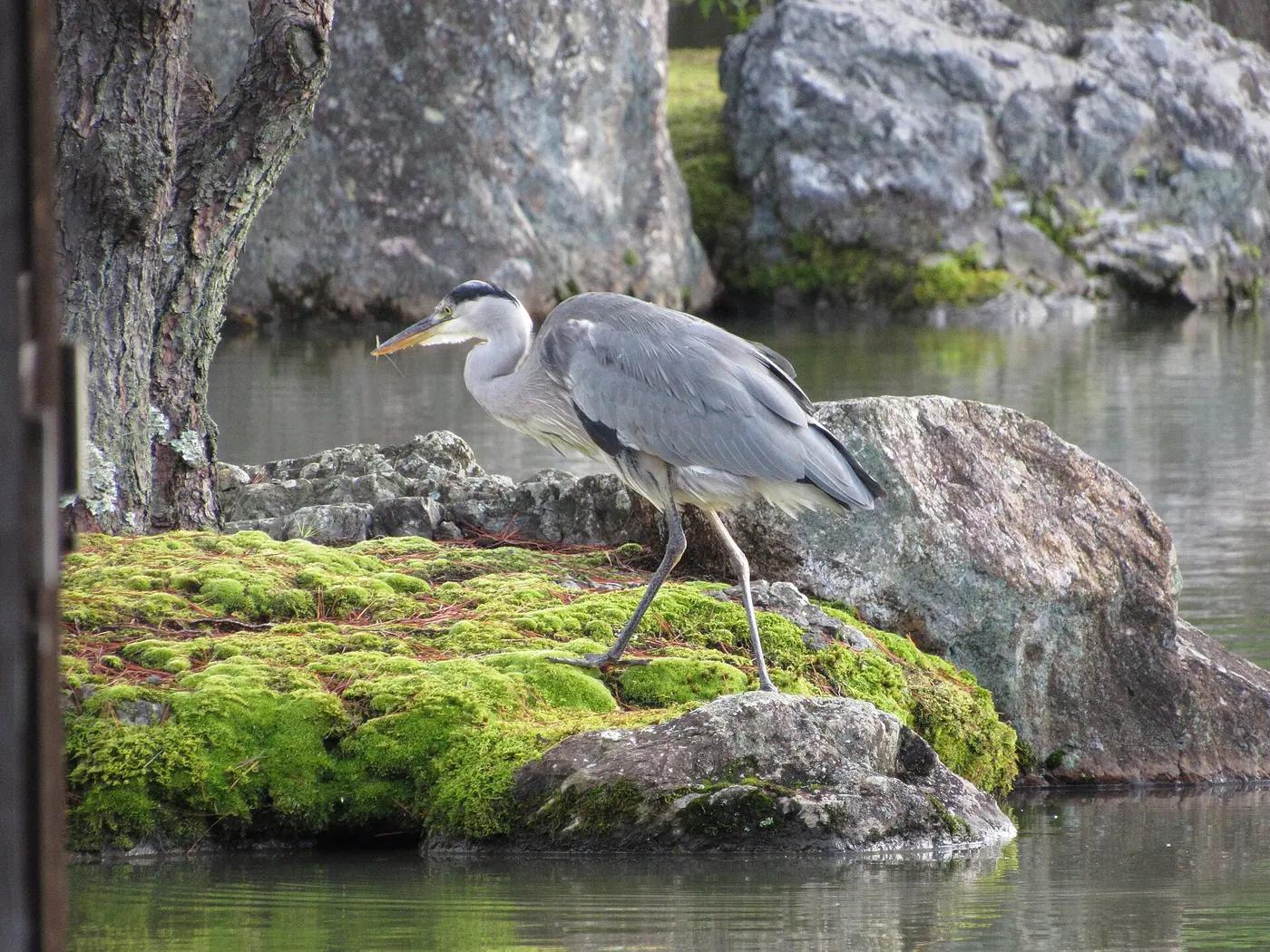
Tick-box lists reward overconfidence, because the tick feels better than the blank. The defence is to record the reason with the name. A great blue heron entry that says “yellow bill, dark cap, Florida, March” can be checked; one that says “heron” cannot. The reason also trains you to look at the diagnostic feature next time rather than the overall impression.
Names travel badly between continents, which matters for anyone whose archive spans trips. The European robin and the American robin share a name and nothing else; one is an Old World flycatcher, the other a thrush. The grey heron of Europe and the great blue heron of the Americas are sister species that look nearly identical in a photo and are separated mainly by range. A list that stores the scientific name alongside the common one avoids both problems.
Fix wrong entries by editing the record, not deleting it. Keep the original photo attached and change the name; the audit trail is part of what makes the list trustworthy.
Great Blue HeronEuropean Robin
The fields worth keeping on every entry
A life list that is only a list of names ages badly. These fields take seconds at the time and are nearly impossible to recover later.
| Field | Why it matters | Example |
|---|---|---|
| Species and scientific name | Common names collide across regions and change | Grey heron, Ardea cinerea |
| Identification note | Makes the record checkable | Dark crown stripe, pale neck, grey wings |
| First date | The life-list date; keep the camera clock honest | 2019-05-14 |
| Place and precision | Range records live or die on this | Camargue, Rhône delta, within 1 km |
| Setting | Wild, captive, farm, domestic | Wild |
| Evidence | The original file, not the social copy | DSC_4471.NEF |
| Confidence | Lets you upgrade later without pretending | Species certain / genus only |

One list for new shots and old archives
Live captures in the app add today's encounters with the location recorded at the time. Instagram import can bring eligible older posts into the same list after you review species, historical place and setting for each one. The two are labelled differently (an archive item is a reconstructed historical record, a live capture is made in the field) and both count for the life list, because a life list is about what you have encountered, not which software you were running.
That is how a safari from five years ago and a herp night from last week end up in one collection. The import step is deliberately slow: a bulk copy that trusts captions would fill the list with the very guesses the list is supposed to replace.
Wildlife photography companionImport Instagram wildlife photos
Keeping the list alive
Review new entries within a week while the memory is fresh enough to add the place precisely. Once a year, re-check the group-level entries against new photos and promote the ones you can now defend. Submit the bird records to eBird and the rest to iNaturalist; both will correct you occasionally, and both turn your private list into data that researchers use. Then publish the list itself, with precise locations removed for sensitive species, so other people can see what you have actually documented rather than how many followers you have.
A life list is about what you have encountered, not which software you were running.
Quick questions
Short answers to common questions readers ask on this topic.
- What is a wildlife photography life list?
- It is a record of every species you have photographed, one entry per species with the first date and place, and the photograph kept as evidence. It differs from a birder's standard life list in that heard-only and glimpsed species do not count; only an identifiable photograph adds a line.
- Do zoo animals count on a life list?
- Not on a wild life list. Most photographers keep captive encounters as a separate list or tag each entry wild or captive, because a zoo record is a real photograph but a false range record. The same applies to escaped pets; established introduced populations usually count and are tagged as introduced.
- How do I keep a life list honest?
- Write the reason for each identification next to the name, store the scientific name, record the place with its precision, and allow group-level entries such as “garter snake (Thamnophis)” rather than forcing a species. Fix mistakes by editing the entry with the photo still attached so the correction is visible.
- Can old Instagram posts go on my life list?
- Yes, after review. A compatible Instagram professional account can be scanned for animal posts, and each one is reviewed for species, historical location and setting before it joins the list as an archive item. It is labelled differently from a live capture but counts as an encounter for the list.
- Should I use eBird or iNaturalist as my life list?
- Use them alongside your own list rather than instead of it. eBird handles birds with expert review; iNaturalist covers all taxa with community identification. Both correct errors and contribute to research, but neither keeps your original files or your captive and domestic records, which is what a personal collection is for.
Animals mentioned
Jump from this article into the species pages behind the examples, systems notes, and field-guide references.
Answer guides related to this topic
If you want direct comparisons and clear recommendations, continue with these answer-focused pages.
Best Animal Identification Apps
Compare the best animal identification apps by features like photo/video identification, species coverage, collection capabilities, offline use, and more.
What Is Animal Collecting
Learn what animal collecting means in modern apps and how AnimalDex turns real-world sightings into cards, sets, rarity, and species learning.
Pokemon-Like Animal App
Looking for a Pokemon-like animal app with real species? AnimalDex combines creature-collection energy with AI scanning and wildlife learning.
Related comparisons
Continue with structured animal-vs-animal comparison pages connected to the species in this guide.
Related guides
wildlife photography
How to Organize Years of Wildlife Photos by Species
A working method for sorting a wildlife photo archive by species, place and setting, re-identifying old shots honestly and keeping the result searchable.
6 min read
How to Build a Public Species Portfolio as a Photographer
Build a public wildlife profile around species you have documented, with honest IDs, safe locations and the evidence attached, not follower counts.
4 min read
Make Wildlife Photography a Searchable Body of Work
Index wildlife photos by species, place and date so a decade of pictures becomes a body of work you can query, with a minimum metadata standard.
4 min read