

Animal learningSelf improvementNature journaling
What animals can teach us about self-improvement
What animals can teach us about self-improvement: meerkat sentinels, wild dog votes, sea otter routines and arctic tern migration mapped to habits.
In this guide
- Animal lessons work because they are concrete
- Meerkats: take turns on watch
- African wild dogs: decide together, then commit
- Sea otters: anchor the routine
- Arctic terns: long goals are a chain of short legs
- Honey bees and crows: communicate specifics, cache for later
- Six habits animals make easier to understand
- Turn animal learning into a journal habit
- Why this belongs inside AnimalDex
Animal lessons work because they are concrete
Self-improvement advice is usually abstract: be more patient, communicate better, think long term. Animals make the same advice easy to remember because their behaviour is a vivid example of a trait solving a real problem. The animal is not trying to be a role model. It is trying to eat, avoid being eaten and raise young, and the strategies that survive that test tend to be worth borrowing.
A species card becomes a prompt with three questions: what does this animal do well, what constraint is it solving, and what human habit does that suggest? The examples below are real, documented behaviours. None of them require pretending a meerkat has a philosophy.
Meerkats: take turns on watch
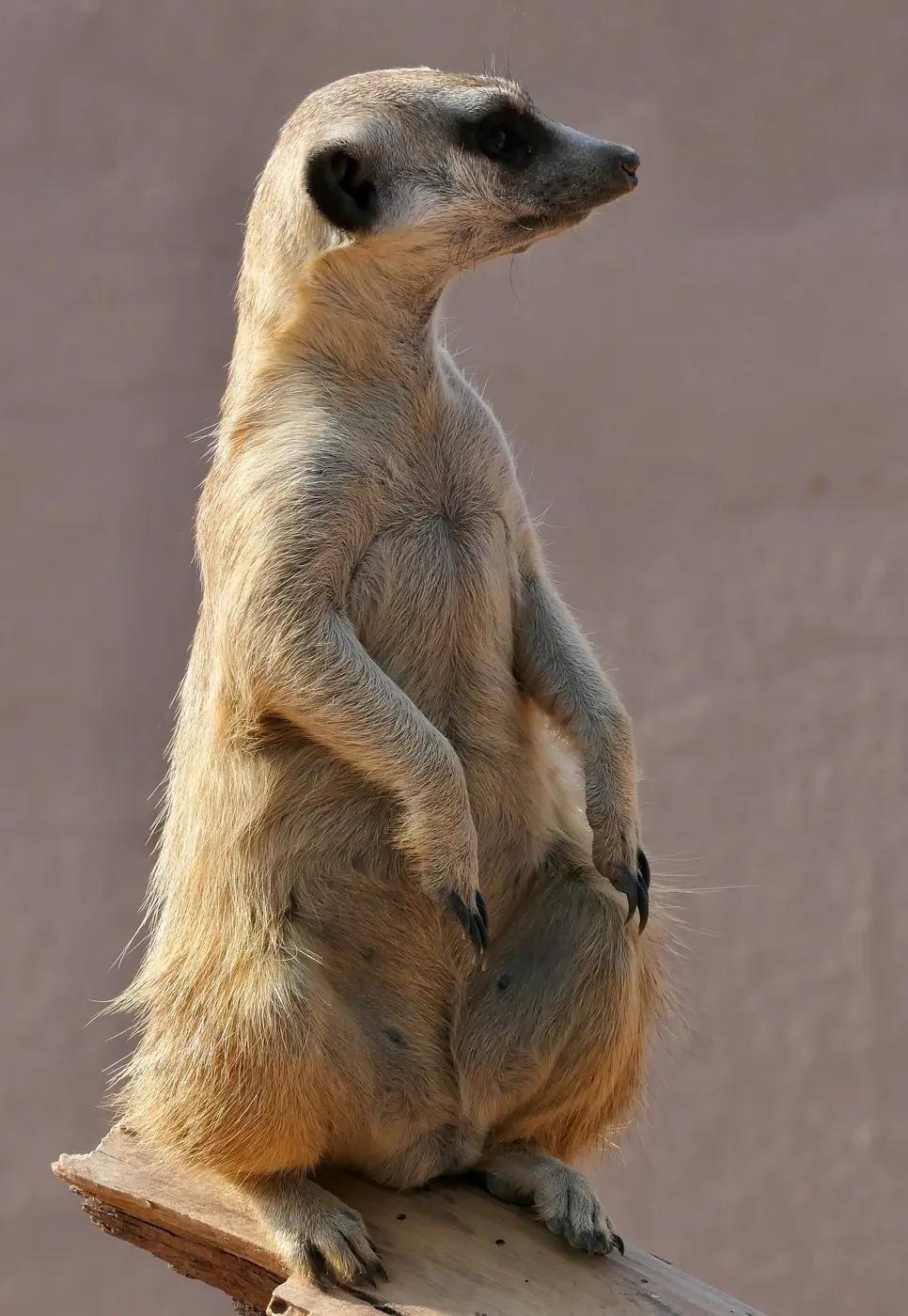
A meerkat group forages with its head down in the sand, which is the worst possible posture for spotting a hawk. The solution is a sentinel: one adult climbs a mound or a bush, stands upright and scans while the others dig, giving a steady "watchman's song" that tells the group all is clear and a sharp alarm when it is not. Sentinels rotate through the day, and research on wild groups in the Kalahari found that animals tend to go on guard once they have fed, so the job falls to whoever can currently afford it.
The habit: in any team, someone has to be looking up while the rest look down, and the role should rotate rather than fall on the same person. At the personal level it is the weekly review, the one hour where you stop digging and check the horizon.
African wild dogs: decide together, then commit
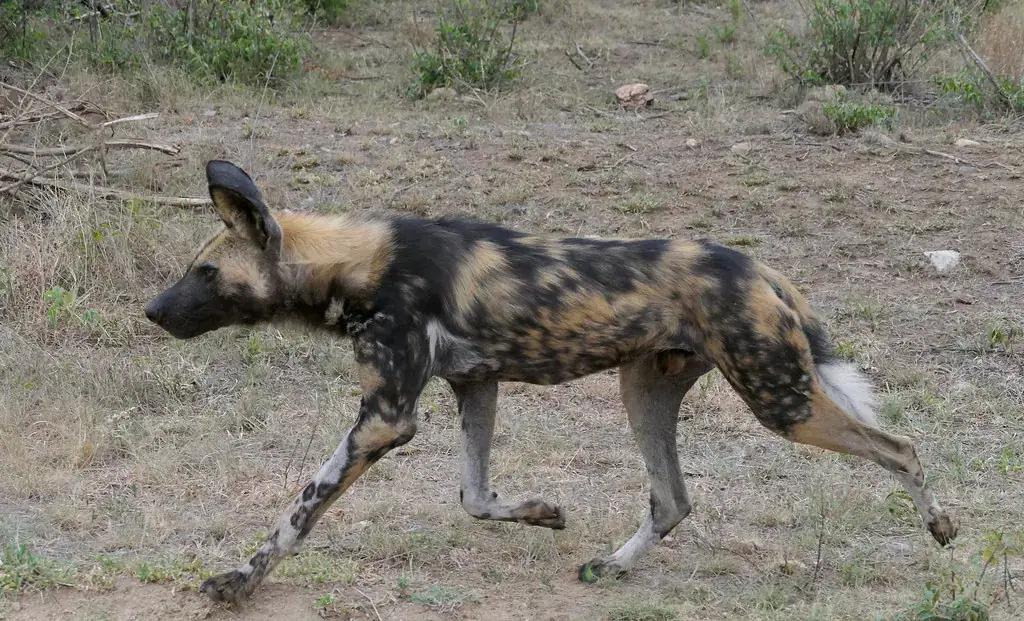
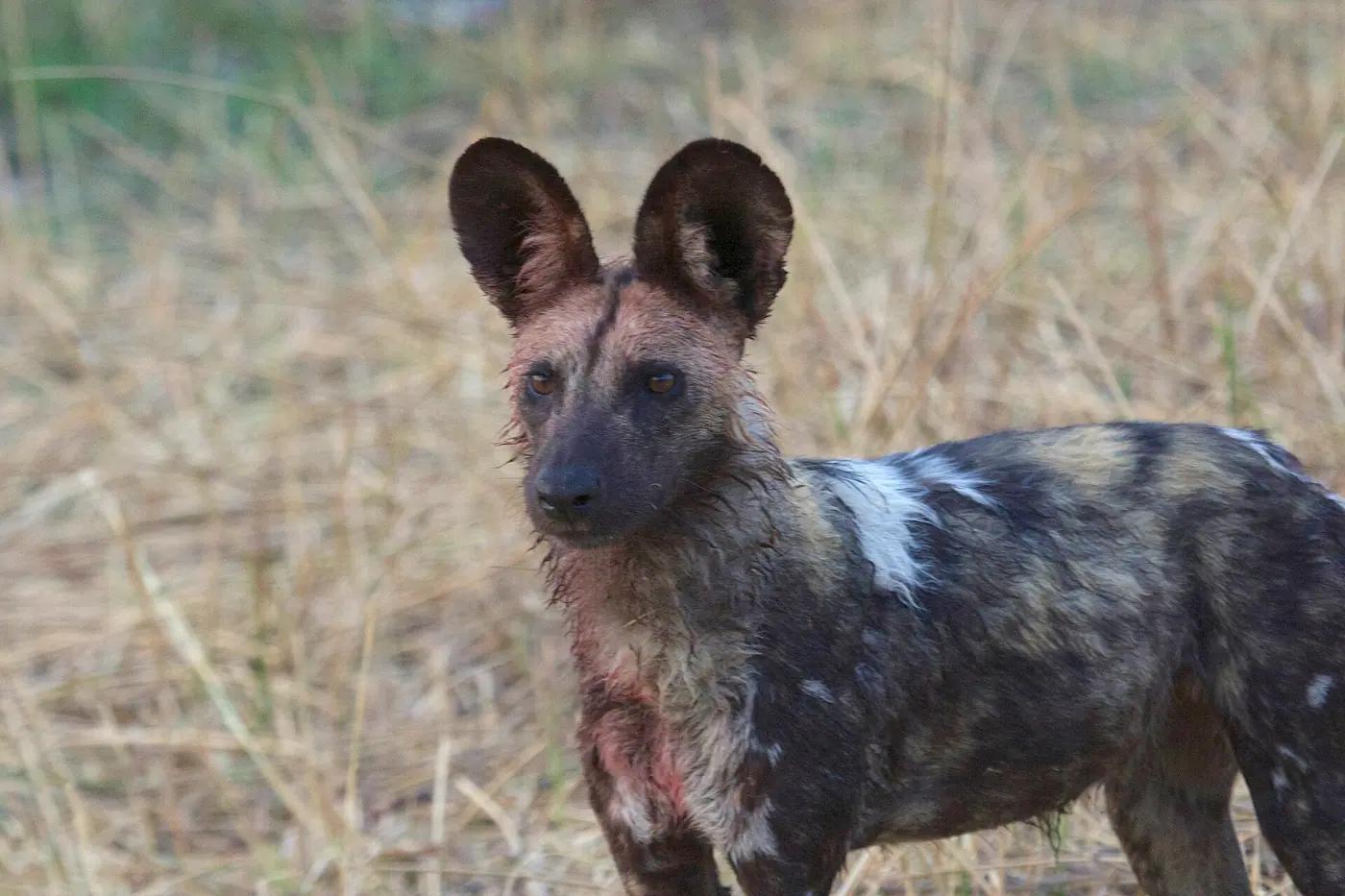
African wild dogs are among the most successful hunters on the savannah, with a far higher proportion of chases ending in a kill than lions manage, and the reason is coordination. Before a hunt the pack holds a rally, a burst of greeting and excitement, and a 2017 study in Botswana found that whether the pack actually sets off depends on how many dogs sneeze during it: a quorum of sneezes, fewer if a dominant dog starts, and the pack moves. Once it moves, every dog runs the same plan, and the whole pack eats, including pups and injured adults that did not hunt.
The habit: separate deciding from doing. Argue the plan in the rally, use a clear signal to close the decision, and then run it without relitigating. And share the result with the people who kept things going while you were out.
Sea otters: anchor the routine
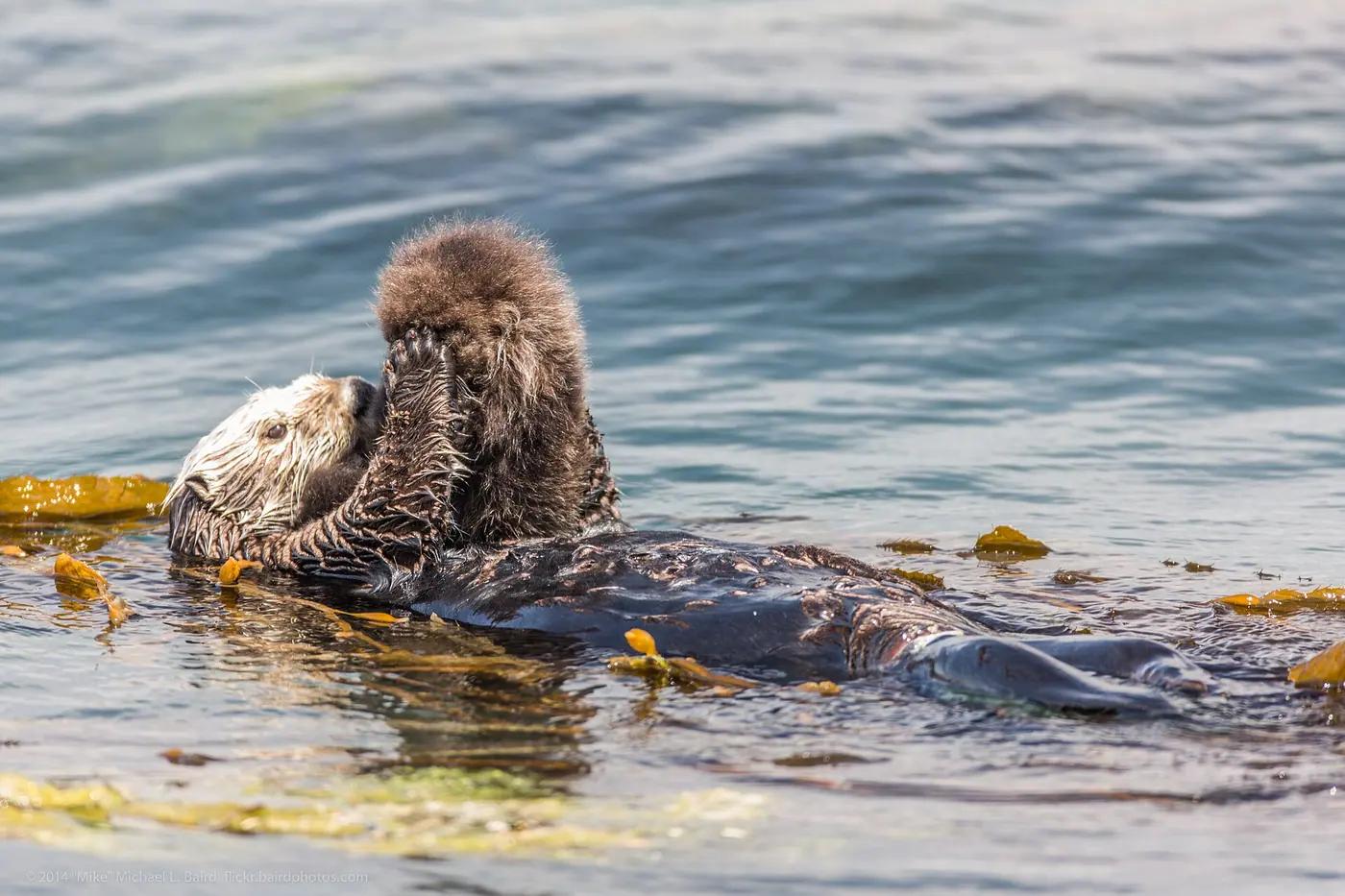
Sea otters sleep floating on their backs, and an animal that drifts all night wakes up far from its feeding ground, so they wrap themselves in kelp fronds and often rest in rafts of dozens. They are also one of the few mammals that routinely use tools, carrying a favourite rock to crack open clams and mussels on their chest, and they groom for hours a day because their fur, not fat, keeps them warm in cold water.
The habit: small anchoring rituals stop drift. A fixed place to work, a set of tools you keep rather than improvise, and maintenance done daily instead of in a crisis are the human version of kelp, a rock and grooming.
Arctic terns: long goals are a chain of short legs
The arctic tern makes the longest migration of any animal, from Arctic breeding grounds to the Antarctic pack ice and back, a round trip that tracking studies have put at around 70,000 km a year. It does not do this in one flight. It follows a zigzag route that uses prevailing winds, stops to feed at productive patches of ocean, and takes a different path south from the one it takes north. A bird that lives 30 years covers a distance equivalent to three trips to the moon.
The habit: a goal that is too large to attempt is a route to plan, not a leap. Break it into legs with a feeding stop at the end of each, choose the leg that has the wind behind it, and accept that the way back may not be the way out.
Honey bees and crows: communicate specifics, cache for later
A honey bee that finds a good patch of flowers returns to the hive and performs a waggle dance on the comb: the angle of the run encodes the direction relative to the sun, and its duration encodes the distance. Nest-mates leave with a bearing and a range, not an enthusiastic "over there". Crows and other corvids solve a different problem. They cache food in hundreds of spots, remember them for months, and will move a cache if they notice another bird watching.
The habits: when you hand off a task, give the angle and the distance, the exact next step and how far it goes. And put things where your future self will find them, in a notebook or an app rather than your memory, because the memory is the first thing the day steals.
Six habits animals make easier to understand
Focus is easier to picture through a hunting bird than through a slogan. Teamwork is clearer through a pack than a poster. The table maps six common self-improvement goals to a behaviour you can watch, and to the habit it suggests. The point is not that humans should copy animals literally. It is that a memorable example makes the habit easier to practise.
| Habit | Animal and behaviour | Why it works for them | The human version |
|---|---|---|---|
| Focus | Bald eagle perched for hours, then one dive | Hunting is expensive; most of the day is spent watching, not chasing | Decide before you act; most of the work is choosing the moment |
| Patience | Komodo dragon waiting beside a game trail | Ambush beats pursuit for a heavy reptile | Position yourself where the opportunity will pass, then wait |
| Teamwork | Meerkat sentinels and wild dog rallies | Shared vigilance and a quorum decision | Rotate the watch; close decisions with a clear signal |
| Boundaries | Robin singing its territory each dawn | Defending a patch costs less than fighting over it | State your limits early and regularly, not in the argument |
| Adaptability | Crows and red foxes thriving in cities | Generalist diet, flexible behaviour, learning from others | Keep more than one way to get what you need |
| Resilience | Arctic tern migration in staged legs | Feeding stops and favourable winds make the distance possible | Plan recovery into the route, not after it |
Bald EagleKomodo DragonEuropean RobinRed Fox
Turn animal learning into a journal habit
After each sighting or card, ask one question: what useful thing does this animal do, and what constraint is it solving? Write a line. A meerkat on a termite mound becomes "someone is on watch; whose turn is it this week?" A heron standing motionless for twenty minutes becomes "the strike is short because the wait was long."
Over a season those lines turn into a personal field guide to your own habits, grounded in animals you have actually seen rather than in quotes. The sightings make the reflection stick, and the reflection makes you look harder at the next animal.
The animal is not trying to be a role model. It is solving a problem, and that is exactly why the solution is worth borrowing.
Animal-inspired self-improvement appWhat if every animal is a lesson
Why this belongs inside AnimalDex
AnimalDex already gives people a reason to collect and revisit animal cards. Each species card carries behaviour notes and a lesson, so a capture in the field can end with a prompt rather than just a name. Self-improvement adds a layer of meaning to the collection without changing what a capture is: a live photo of a real animal.
The best version stays grounded in real species and real observation, so it feels like practical nature learning rather than generic motivation.
Systems Intelligence & Hidden Purpose
See these animals as engineered biological systems: what they are built to do, how they fit the wider environment, and what their design can teach us.
Specialized Hardware
Long-range vision, broad soaring wings, and a hooked bill optimized for fish capture make the bald eagle a precision hunter built for scanning large water systems with minimal wasted energy.
Systems Script
Bald eagles sit near the top of aquatic food chains, linking fish-rich waterways to wider nutrient and predator dynamics. Where they persist, they often reflect habitat quality, prey stability, and protected nesting space.
Strategic Insight
Altitude is a strategy. Step back, widen the field, and let pattern recognition do work before you commit energy to the dive.
Specialized Hardware
Oversized ears, endurance-focused limbs, and a social communication stack built on posture, vocal cues, and pack coordination turn the African wild dog into elite pursuit hardware.
Systems Script
African wild dogs pressure prey populations through coordinated movement rather than isolated brute force. They help shape herbivore behavior, redistribute risk across landscapes, and reward connected ecosystems over fragmented ones.
Strategic Insight
High-performance teams do not need constant hierarchy chatter. Shared rules, clean signals, and role clarity create speed that solo talent cannot match.
Specialized Hardware
Heavy skeletal architecture, serrated bite mechanics, tongue-based chemical sensing, and heat-efficient reptile metabolism make the Komodo dragon premium hardware for ambush, tracking, and territorial control.
Systems Script
The Komodo dragon operates as apex environmental hardware inside a constrained island system. It removes weak links, regulates prey pressure, and keeps limited ecosystems from drifting into easy imbalance.
Strategic Insight
Premium energy should not be spent on noise. Position well, sense early, and commit hard only when the leverage justifies the burn.
Quick questions
Short answers to common questions readers ask on this topic.
- What can animals teach people about self-improvement?
- Concrete versions of habits that are otherwise abstract: rotating vigilance from meerkat sentinels, decision-then-commitment from wild dog rallies, anchoring routines from sea otters, staged long-term goals from arctic tern migration, and precise communication from the honey bee waggle dance. Each is a documented behaviour that solves a survival problem, which is what makes it memorable.
- Why do meerkats stand on guard?
- Because the group forages head-down in sand and cannot see predators coming. One adult stands upright on a raised spot and calls continuously while scanning for hawks and jackals, then rotates off. Kalahari studies found meerkats tend to take sentinel duty after they have fed, so the cost falls on whoever can currently afford it.
- How do African wild dogs decide to hunt?
- Through a pre-hunt rally in which pack members greet and get excited, and a 2017 Botswana study showed the pack departs once enough dogs sneeze, with fewer sneezes needed if a dominant animal starts. The behaviour works like a quorum vote, after which the whole pack commits to the hunt together.
- Is it a good idea to model behaviour on animals?
- As a memory aid and a prompt, yes; as a literal rule, no. Animals are solving survival problems, not pursuing values, so the useful move is to ask what constraint a behaviour solves and whether a similar constraint exists in your own life. The examples in this article are documented behaviours, not stories about animal virtue.
- How can AnimalDex support self-improvement?
- By turning species cards and real sightings into reflection prompts. Each card carries behaviour notes, so after a capture you can ask what the animal does well and what habit that suggests, then write a line in your journal. The sighting makes the reflection memorable, and the habit stays tied to an animal you actually saw.
Animals mentioned
Jump from this article into the species pages behind the examples, systems notes, and field-guide references.
MeerkatAfrican Wild DogSea OtterArctic TernHoney BeeBald EagleKomodo DragonCrowEuropean RobinRed Fox
Answer guides related to this topic
If you want direct comparisons and clear recommendations, continue with these answer-focused pages.
Learn From Animals
Learn how AnimalDex can turn animal behavior, traits, and species observation into self-improvement prompts for focus, patience, resilience, and growth.
Talk to Animals
AnimalDex lets you talk to any animal: scan or pick a species and it answers as itself, from its real biology, behaviour and survival strategy. Free to try, in the app and on every animal page.
Related comparisons
Continue with structured animal-vs-animal comparison pages connected to the species in this guide.
African Wild Dog vs Hyena: Who Would Win in a Fight?
Spotted hyena gets the edge in direct physical conflict because it is tougher and more built for brutal contact. African wild dog stays exceptional in pure pack-hunt coordination and endurance pursuit.
Bald Eagle vs Crowned Eagle: Who Would Win in a Fight?
Bald eagle gets the broader size and open-space verdict, while crowned eagle becomes far more dangerous in forested ambush contexts where explosive attack on agile prey matters more.
Bald Eagle vs Peregrine Falcon: Who Would Win in a Fight?
Peregrine falcon wins the speed question clearly. Bald eagle usually gets the overall edge in a direct clash because size, talon grip, and durability matter more once contact happens.
Crocodile Monitor vs Komodo Dragon: Who Would Win?
Komodo dragon gets the overall edge because it is heavier and more brutally grounded in close combat. Crocodile monitor stays impressive through climbing, length, and speed in vertical forest structure.
Related guides

Animal Wisdom
What If Every Animal Is a Lesson?
Biomimicry, animal intelligence, symbolism, reincarnation, conservation, and why AnimalDex treats every animal as a living lesson.
27 min read
Biomimicry in Animals: 35 Examples of Nature-Inspired Design
Discover 35 examples of biomimicry in animals, from shark skin and gecko feet to owl wings, elephant trunks, whale fins, spider silk, dolphins, ants, bees, and more.
28 min read
Why real-animal collecting feels so good to card collectors
Why card collectors and creature-game fans find real-animal collecting so satisfying: natural rarity, lifers, place memory and set completion.
6 min read