

wildlife creatorportfolioprofile
How to Build a Public Species Portfolio as a Photographer
Build a public wildlife profile around species you have documented, with honest IDs, safe locations and the evidence attached, not follower counts.
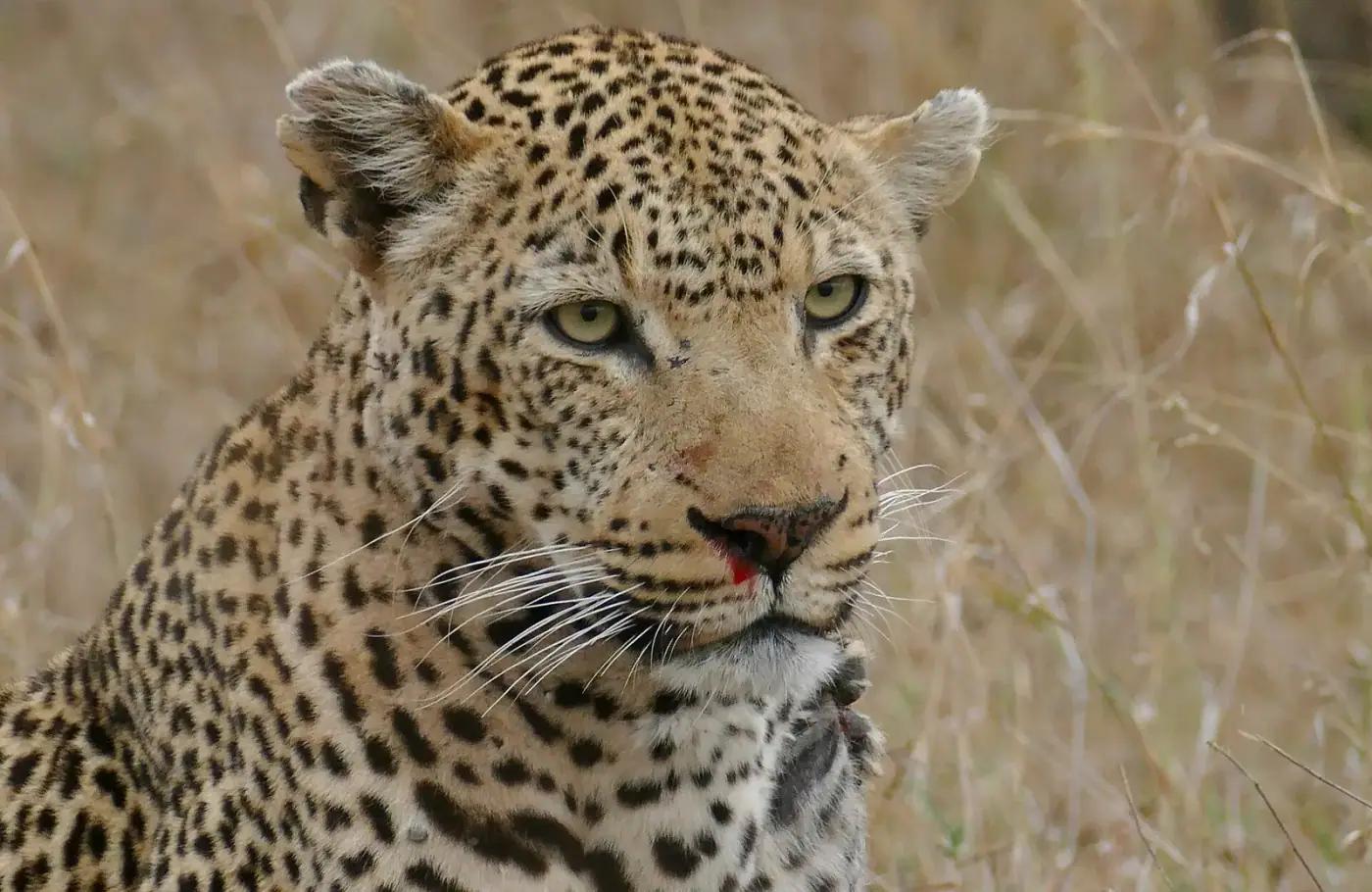
Follower count is a weak wildlife credential
An editor, a tour operator or a conservation NGO looking at a wildlife photographer wants to know three things: what have you photographed, where, and can the identifications be trusted. A follower count answers none of them. A grid of 600 unlabelled stills answers them slowly and badly. A public collection organised by species answers all three in one screen: here are 212 species, 180 of them wild, here is each one's place and date, and here is the frame.
That is a portfolio in the older sense of the word, a body of work with provenance, rather than a feed that rewards the most dramatic crop.
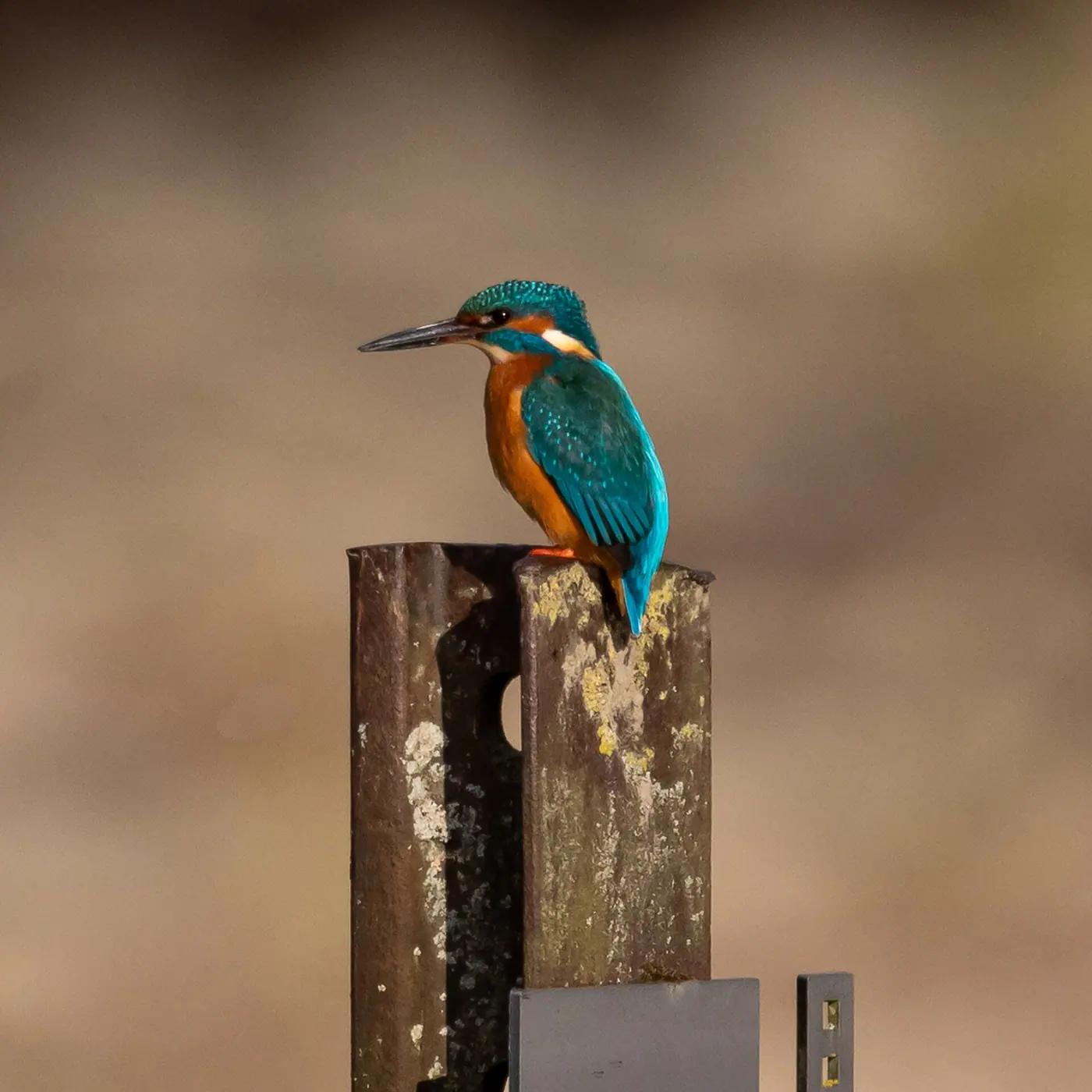
What a species portfolio shows that a grid cannot
A species-first profile makes four things visible at a glance that a chronological grid hides.
Breadth
How many species, across which groups. A birder with 300 birds and a herper with 40 snakes are both credible; a grid cannot show either number.
Provenance
Where and when each record was made, and whether it was wild or captive. A zoo portrait is still a good photograph; it is just labelled as one.
Honesty
Which records are species-level and which are deliberately kept at genus. Visible uncertainty is a credential, not a weakness.
Depth
Repeated encounters with the same species across seasons and places, which is what shows real field knowledge rather than one lucky frame.
Build it from records, not highlights
Start with the life list, not the best-of folder. Every species you have a defensible photograph of gets an entry, even if the frame is documentary rather than beautiful; the portfolio is a record of what you have seen, and the hero images sit on top of it. Then work through the archive in lookalike groups so the identifications are consistent: all the tree frogs in one sitting, all the egrets in another.
Keep the scientific name on every entry. Common names collide across languages and continents, and the people most likely to look at a species portfolio are precisely the ones who will notice. Keep the original file attached in your own records even if only the finished frame is public, so a challenge to an identification can be answered with the full-resolution file.
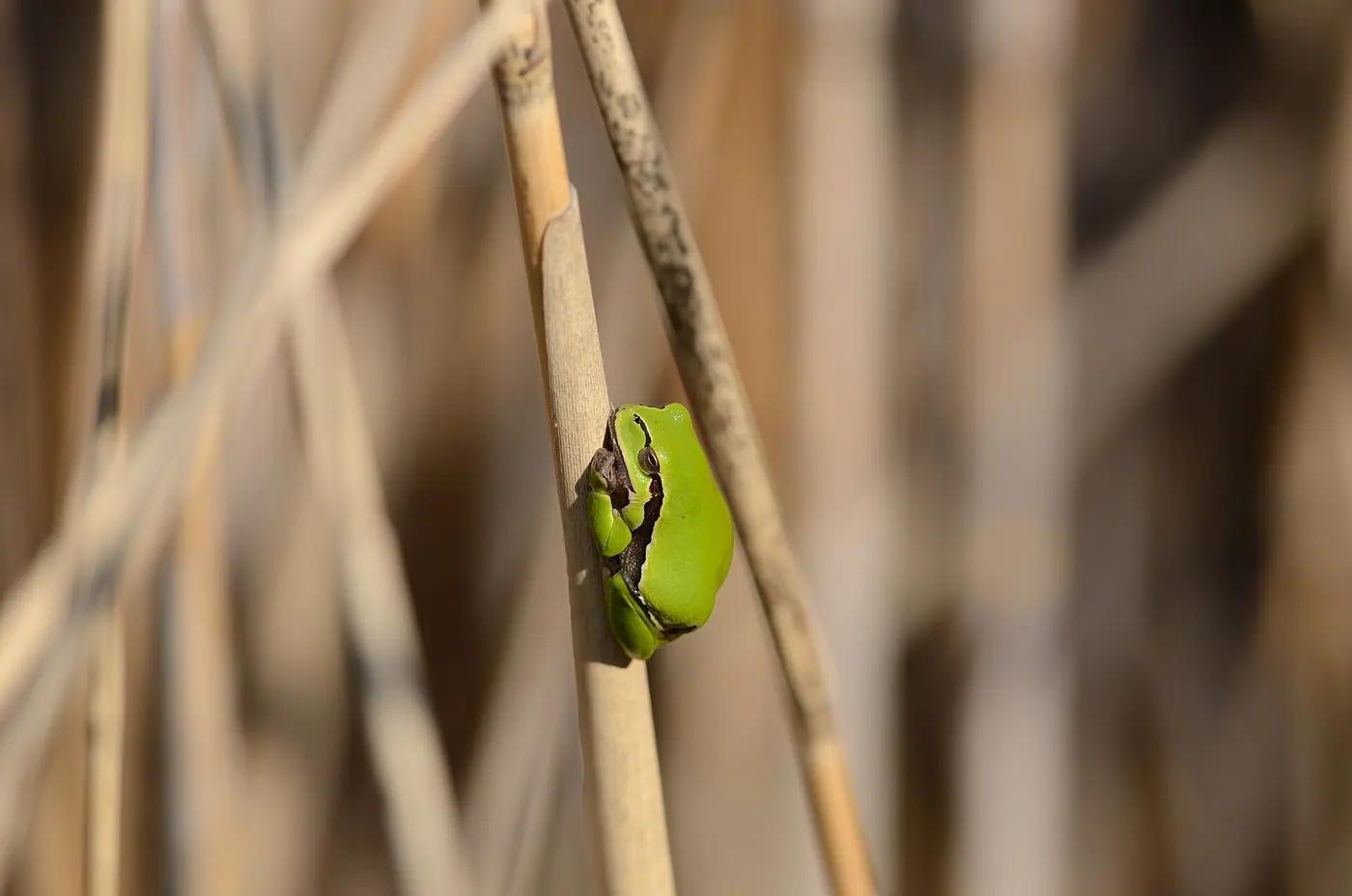
Accuracy is the price of publishing
A public record is a claim. Before an entry is visible, confirm the identity to the level the photo supports and the historical location to the precision you are sure of. Imported Instagram posts in AnimalDex can appear in Discover, which is why each one is reviewed for species, place and setting first, and why false or misleading details can result in an account strike.
Be explicit about setting. Captive animals belong on a portfolio, labelled, because a photographer who shoots well in a zoo is still a photographer who shoots well. What damages credibility is the captive tiger presented as a wild one, which experienced viewers spot from the background, the condition of the coat and the behaviour.
Wildlife photography companion
Protect the animal in the location field
Precise public locations harm some species. Rare reptiles, orchids, nesting raptors, turtles and anything with a pet-trade value are collected or disturbed when a site becomes known, and photographers' posts are a documented source of that information. The rule most field communities follow is to publish the coarse place (county, reserve, region) and keep the precise site private. Your own record can hold the exact location; the public entry does not have to.
The same applies to timing. A nest site posted during the breeding season draws crowds; the same record posted after fledging does not. Owls, raptors and any bird on a nest are the usual casualties: a single post can bring a dozen photographers to a tree within a day, and repeated disturbance leads some species to abandon the nest.
A simple rule covers most cases: if a species is on a national protected list, has a pet-trade value, or is scarce enough that a local recorder would want the record, the public entry carries the region and nothing finer. The precise site goes to the recording scheme, which shares it with researchers and hides it from everyone else.
Portfolio and rewards are separate
A public species portfolio is valuable as a record and a credential whether or not any programme pays for contribution. In AnimalDex, archive items imported from Instagram build the collection and the public profile; they are not live captures and do not feed live-contribution programmes. Creator Rewards, which is tied to live field captures during open reward periods, is currently paused. Build the portfolio for what it shows, not for a payout.
Visible uncertainty is a credential. A genus-level entry says you know what the photo does and does not prove.
Quick questions
Short answers to common questions readers ask on this topic.
- What should a wildlife photography portfolio include?
- A species-organised list of what you have photographed, each with a place, a date, a wild-or-captive setting and a frame that supports the identification, plus the scientific name. Hero images sit on top of that record. Breadth, provenance and visible honesty about uncertain identifications matter more to editors and NGOs than follower counts.
- Should I include zoo photos in a wildlife portfolio?
- Yes, clearly labelled as captive. A well-made zoo portrait shows skill; a captive animal presented as wild destroys credibility, and experienced viewers spot it from the background and the animal's condition. Keep captive and wild entries separate in the list so neither contaminates the other.
- Is it safe to publish where I photographed an animal?
- Not always. Precise public locations lead to collection and disturbance of rare reptiles, orchids, turtles and nesting raptors. Publish the coarse place (reserve, county, region) and keep the exact site in your private record. Delay posting nest sites until after the breeding season.
- Can imported Instagram posts appear on my public profile?
- Yes. After you review species, historical location and setting, an imported post becomes an archive entry in your AnimalDex collection and may appear in Discover. It is labelled as an archive item rather than a live capture, and false or misleading details can result in an account strike, so review carefully.
Animals mentioned
Jump from this article into the species pages behind the examples, systems notes, and field-guide references.
Answer guides related to this topic
If you want direct comparisons and clear recommendations, continue with these answer-focused pages.
Best Animal Identification Apps
Compare the best animal identification apps by features like photo/video identification, species coverage, collection capabilities, offline use, and more.
What Is Animal Collecting
Learn what animal collecting means in modern apps and how AnimalDex turns real-world sightings into cards, sets, rarity, and species learning.
Pokemon-Like Animal App
Looking for a Pokemon-like animal app with real species? AnimalDex combines creature-collection energy with AI scanning and wildlife learning.
Related comparisons
Continue with structured animal-vs-animal comparison pages connected to the species in this guide.
Related guides
creator profile
Build a Wildlife Creator Profile Around Species
A species-led public profile is readable by birders, herpers and editors and outlasts follower counts: what to include and how to keep it honest.
5 min read
How to Keep a Wildlife Photography Life List
How photographers keep a species life list that stays honest: what counts, how to handle uncertain IDs, where old archives fit, and which fields matter.
4 min read
Why Wildlife Creators Need a Species Archive
A feed shows recent work. A species-indexed archive shows what you have actually documented, answers editors in seconds, and survives algorithm changes.
5 min read