

Wolf Symbolism: Pack Intelligence, Endurance & Coordinated Territory
Explore wolf symbolism through pack coordination, long-distance endurance, territory governance, and the archetype of disciplined group intelligence.
Listen to this story
Hear the full article read aloud.

Quick Answer
Quick answer
The wolf symbolizes pack intelligence, coordinated endurance, loyalty, and the power of a group moving with shared direction.
Wolves apply top-down ecological pressure through sustained coordination — making them symbols of teamwork that reshapes systems over time.
The wolf represents instinct refined by communication: howling, scent, and role clarity across vast territories.
What Is a Wolf?
The gray wolf (Canis lupus) is a highly social carnivore found across North America, Eurasia, and parts of the Middle East.
Wolves live in packs built around breeding pairs and extended family, with complex communication through howls, body language, and scent.
They hunt cooperatively, travel long distances, and regulate prey behavior across large territories.
Wolf populations are recovering in some regions but remain contested where human conflict persists.
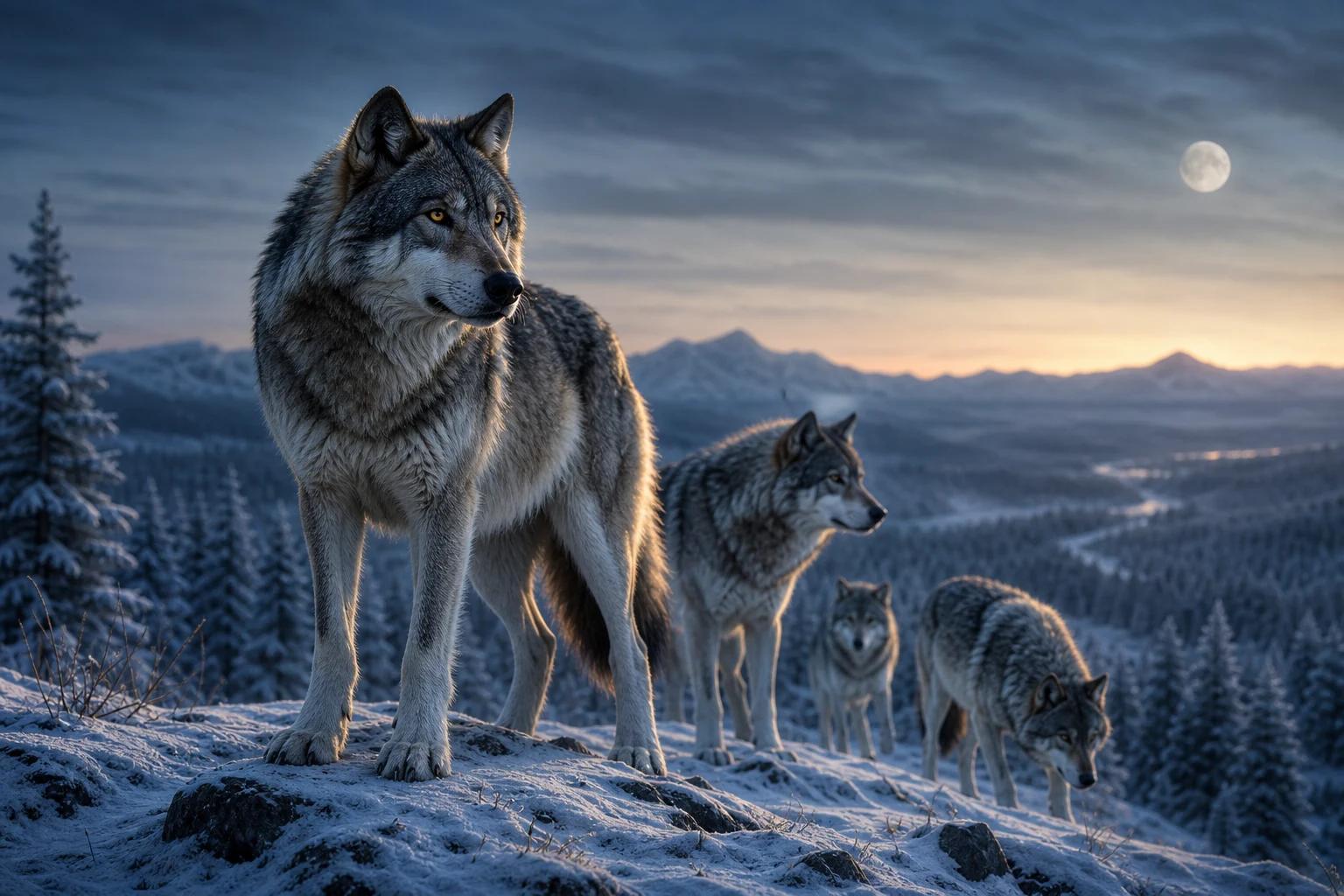
Biological Basis of the Symbol
Wolves combine long-distance scent detection, endurance locomotion, and coordinated pack behavior to wear down prey and hold territory.
In AnimalDex symbolism, this maps to Teamwork: endurance and coordination beat isolated bursts of talent.
The pack is not a mob — it is a disciplined group where movement patterns matter as much as raw force.
The wolf teaches that ecosystems — and human systems — are shaped by how groups move together over time.
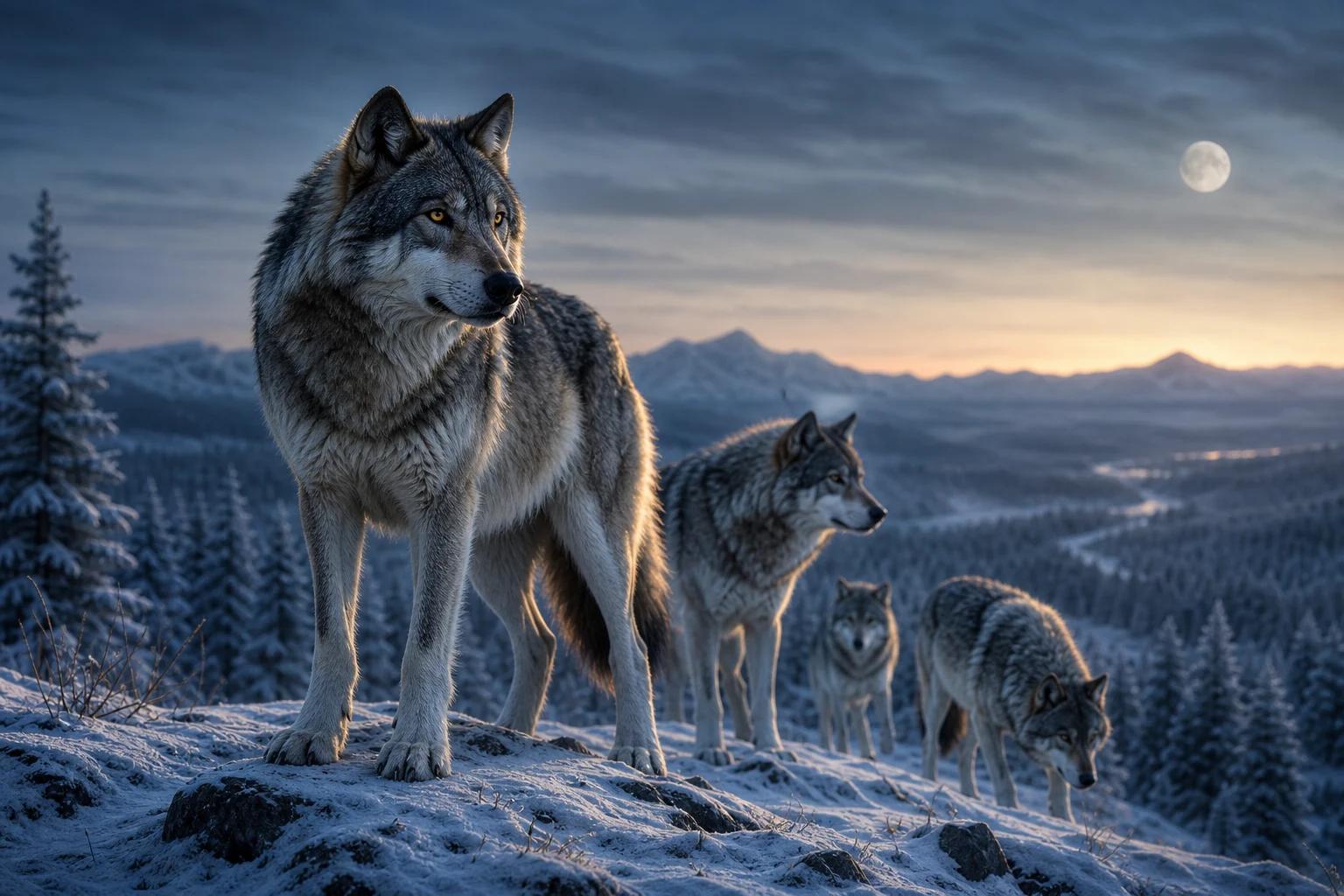
Pack Roles and Shared Direction
Wolf packs operate with fluid roles: trackers, drivers, caregivers, and sentinels.
Symbolically, the pack represents a group aligned on direction without erasing individuality.
The wolf asks: does your team share a territory worth defending, or only temporary goals?
Pack intelligence is slow power — it compounds through consistency, not spectacle.
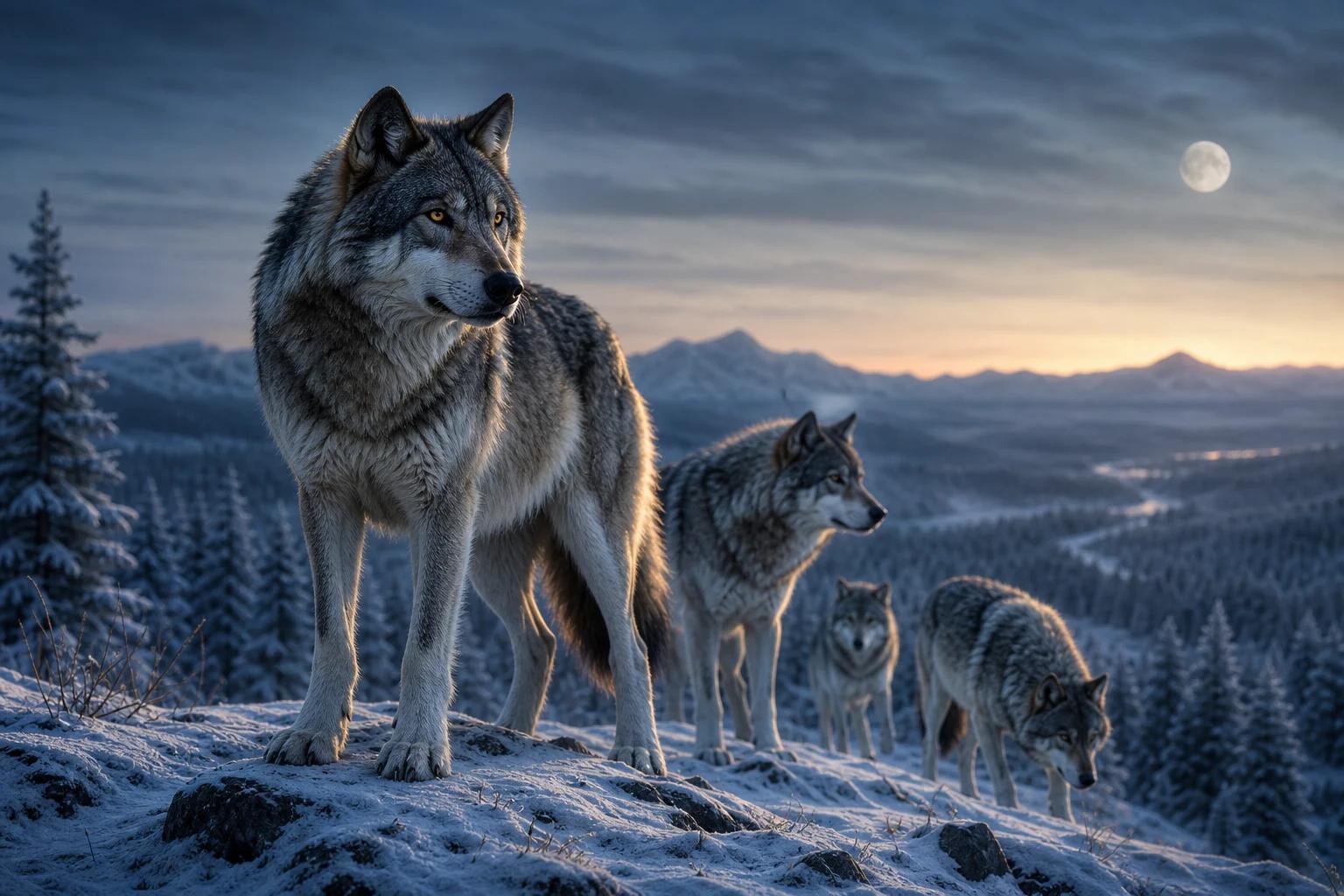
The Howl as Group Signal
Wolves howl to assemble the pack, mark territory, and maintain social bonds across distance.
The howl is coordination at scale — a clean signal that says we are here, we are aligned, this land is held.
Symbolically, the howl represents communication that creates belonging and boundary at once.
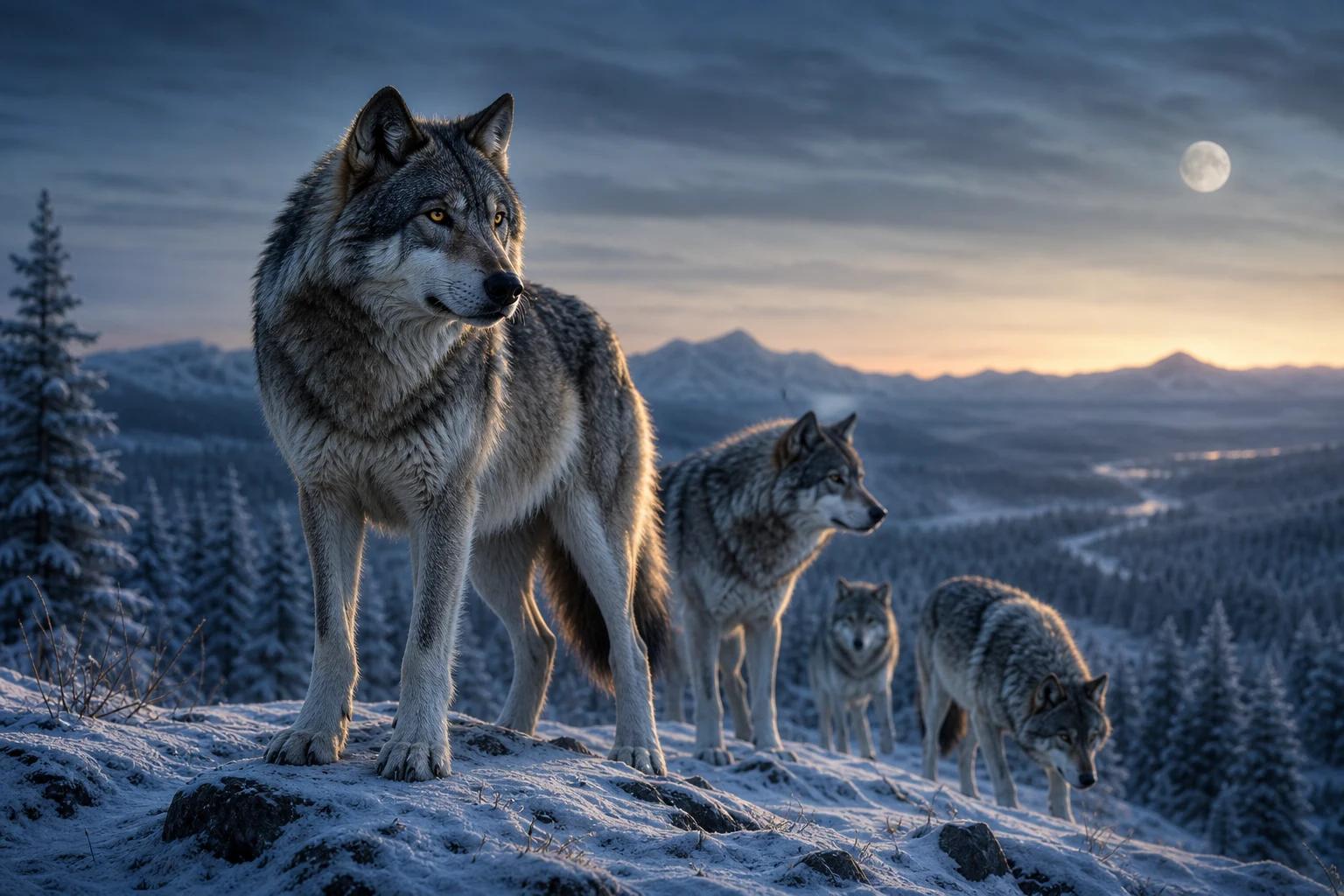
Endurance Over Explosion
Wolves often succeed through persistence: testing prey, reading weakness, and staying with the hunt.
This makes the wolf a symbol of disciplined endurance — the opposite of burnout heroics.
Shadow wolf symbolism warns of exclusion, ruthless hierarchy, or loyalty that refuses necessary change.
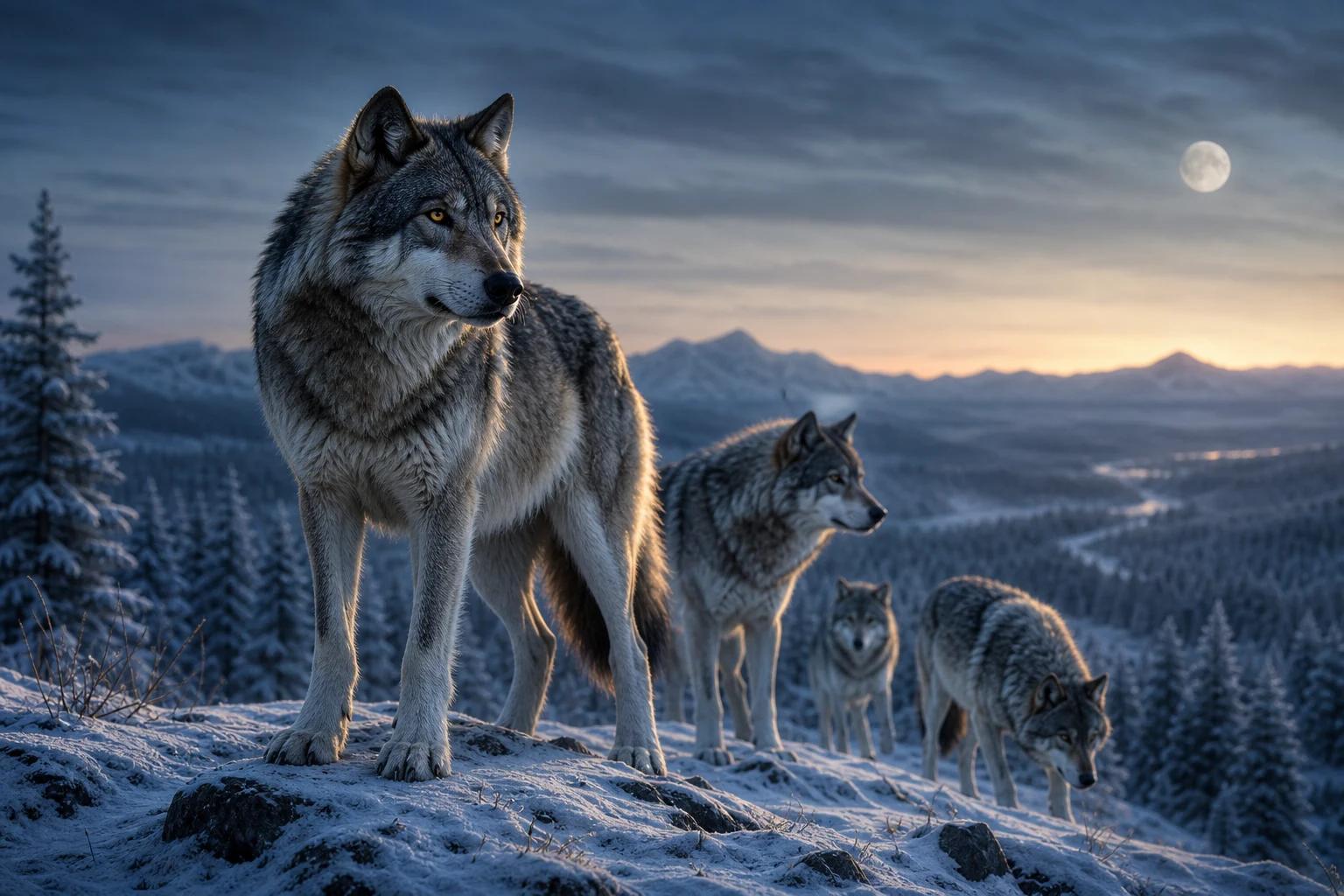
What the Wolf Teaches
The wolf teaches coordinated territory governance.
1. Shared direction beats isolated talent.
2. Signals maintain bonds across distance.
3. Endurance reshapes landscapes.
4. Roles can shift; commitment must stay clear.
5. The pack protects the pattern, not just the moment.
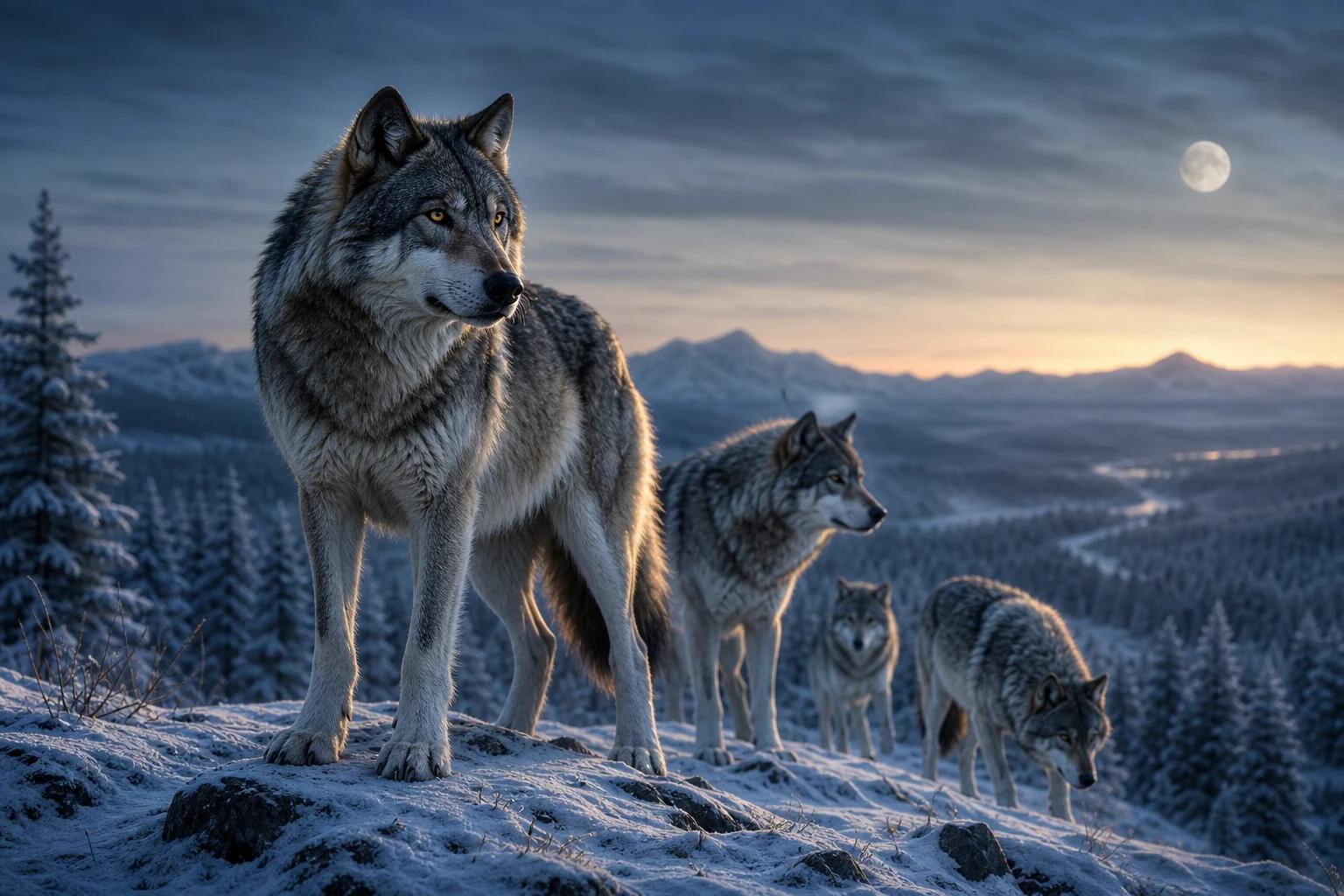
Final Meaning of Wolf Symbolism
The wolf symbolizes pack intelligence — coordinated endurance, territorial loyalty, and the slow power of groups that move as one.
It is the animal of disciplined teamwork: not chaos, but shared direction that reshapes what surrounds it.
When the wolf appears, ask whether your group shares a territory, a signal, and a long game.
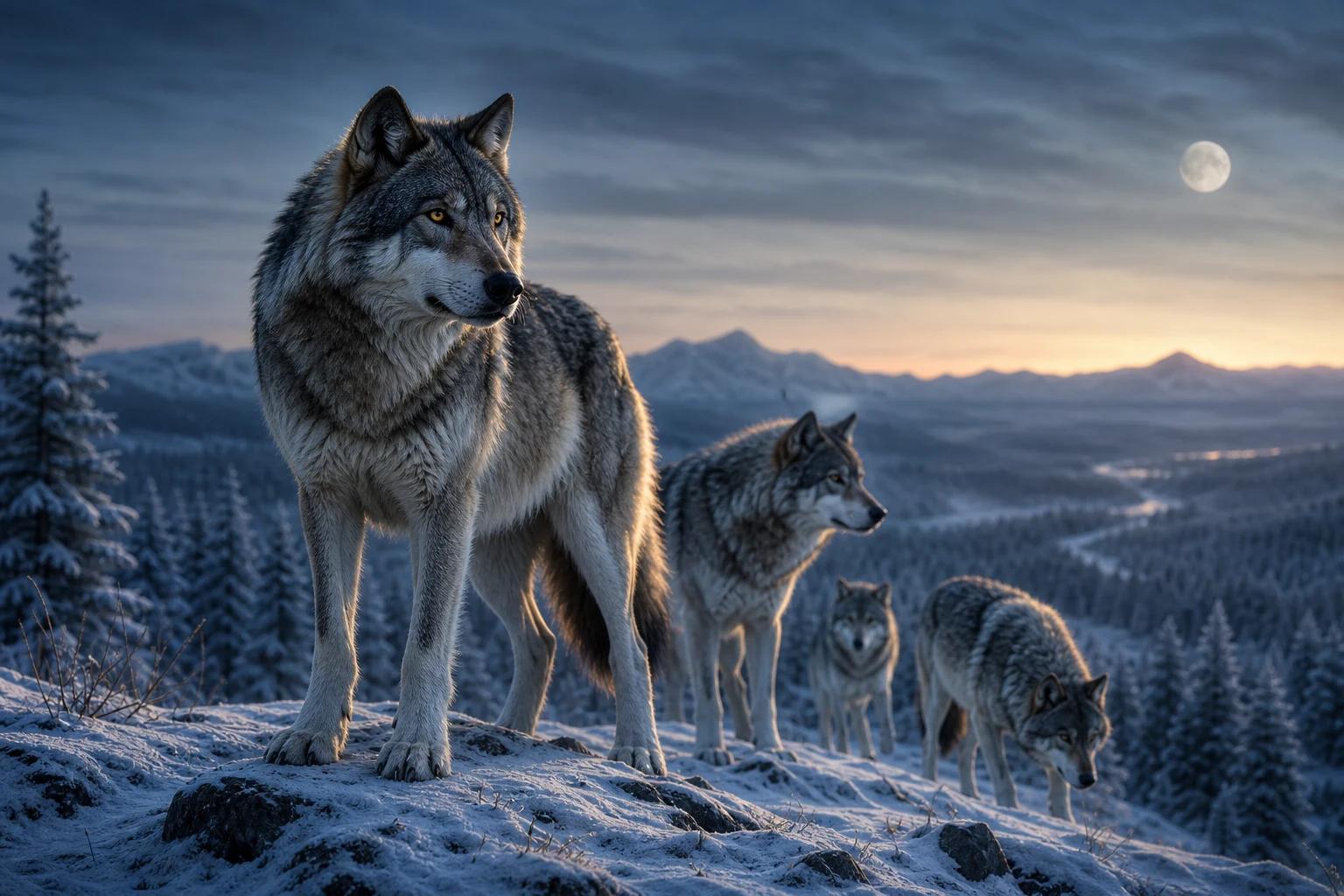
Wolf Symbolism Quick Summary
| Wolf Trait | Symbolic Meaning |
|---|---|
| Pack structure | Teamwork, loyalty, shared territory |
| Cooperative hunting | Coordination, endurance, role clarity |
| Howling | Long-distance communication, belonging, boundary |
| Large territory | Systems influence, governance, patience |
| Keystone predator | Ecological coordination, ripple effects |
Explore on AnimalDex
Continue learning about the Wolf through species facts, behavior lessons, and related survival strategies on AnimalDex.
Wolf species pageAnimal lessonTeamwork animal powerAnimal Symbolism hub
Systems Intelligence & Hidden Purpose
See these animals as engineered biological systems: what they are built to do, how they fit the wider environment, and what their design can teach us.
Specialized Hardware
Long-distance scent detection, endurance locomotion, social signaling, and coordinated pack behavior give wolves durable hardware for tracking, testing, and wearing down prey across large territories.
Systems Script
Wolves apply top-down pressure that changes prey distribution, browsing intensity, and risk behavior. They remind ecosystems that movement patterns matter as much as raw population numbers.
Strategic Insight
Endurance and coordination beat isolated bursts of talent. A disciplined group with shared direction can reshape a landscape over time.
Quick questions
Short answers to common questions readers ask on this topic.
What does a wolf symbolize?
A wolf symbolizes loyalty, pack intelligence, endurance, instinct, freedom, and coordinated strength.
What is the spiritual meaning of a wolf?
Spiritually, the wolf often represents pathfinding, protective loyalty, intuition, and belonging to a soul-family or tribe.
Are wolves really loyal to their pack?
Wolves form long-lasting social bonds, cooperate in hunting and pup-rearing, and use vocalizations to maintain group cohesion.
What does a wolf howl symbolize?
A howl can symbolize calling the group home, marking territory, grief, awakening instinct, or communication across distance.
What is the shadow meaning of the wolf?
Shadow wolf energy can mean ruthless exclusion, predatory aggression, or loyalty that becomes isolation from necessary growth.
Sources and Further Reading
Animals mentioned
Jump from this article into the species pages behind the examples, systems notes, and field-guide references.
Related comparisons
Continue with structured animal-vs-animal comparison pages connected to the species in this guide.
Cougar vs Wolf: Which Predator Has the Edge?
Cougar gets the edge in a clean one-on-one because the cat is built for ambush, grappling, and fast finishing contact. Wolf becomes more dangerous the moment the scenario includes pack pressure, pursuit, or repeated harassment.
Read comparisonDeer vs Wolf: Which Side Usually Wins?
Wolf is the stronger overall predation answer, but deer survives plenty of encounters through awareness, escape timing, and terrain. As a one-on-one body contest, the deer is more dangerous than people often assume.
Read comparisonDhole vs Wolf: Which Wild Canid Has the Better Matchup?
Wolf gets the stronger direct-fight verdict because it is larger and more robust. Dhole stays impressive through pack cohesion, persistence, and coordinated pursuit in rougher terrain.
Read comparisonElk vs Wolf: Which Side Has the Real Advantage?
A healthy adult elk is the stronger one-body answer, but wolves get the stronger overall predation verdict because pack coordination and winter pressure change the problem.
Read comparisonAnswer guides related to this topic
If you want direct comparisons and clear recommendations, continue with these answer-focused pages.
Best Animal Identification Apps
Compare the best animal identification apps by features like photo/video identification, species coverage, collection capabilities, offline use, and more.
Read answer guideWhat Is Animal Collecting
Learn what animal collecting means in modern apps and how AnimalDex turns real-world sightings into cards, sets, rarity, and species learning.
Read answer guidePokemon-Like Animal App
Looking for a Pokemon-like animal app with real species? AnimalDex combines creature-collection energy with AI scanning and wildlife learning.
Read answer guideTurn what you learn into a real animal collection
Keep going in AnimalDex with the species behind this guide, real-world sighting context, and a collection that grows beyond the article.
Related guides
Adelie Penguin Symbolism: Colony Teamwork, Antarctic Endurance & Communal Survival
Explore Adelie penguin symbolism through colony cooperation and Antarctic endurance.
Read articleLion Symbolism: Pride Power, Coordinated Strength & Sovereign Leadership
Explore lion symbolism through pride coordination, grassland sovereignty, shared hunting, and the archetype of leadership that compounds through roles.
Read articleIndus River Dolphin Symbolism: Blind Observation, River Wisdom & Hidden Navigation
Explore Indus river dolphin symbolism through blind echolocation, river navigation, endangered status, and the archetype of seeing without eyes.
Read article