

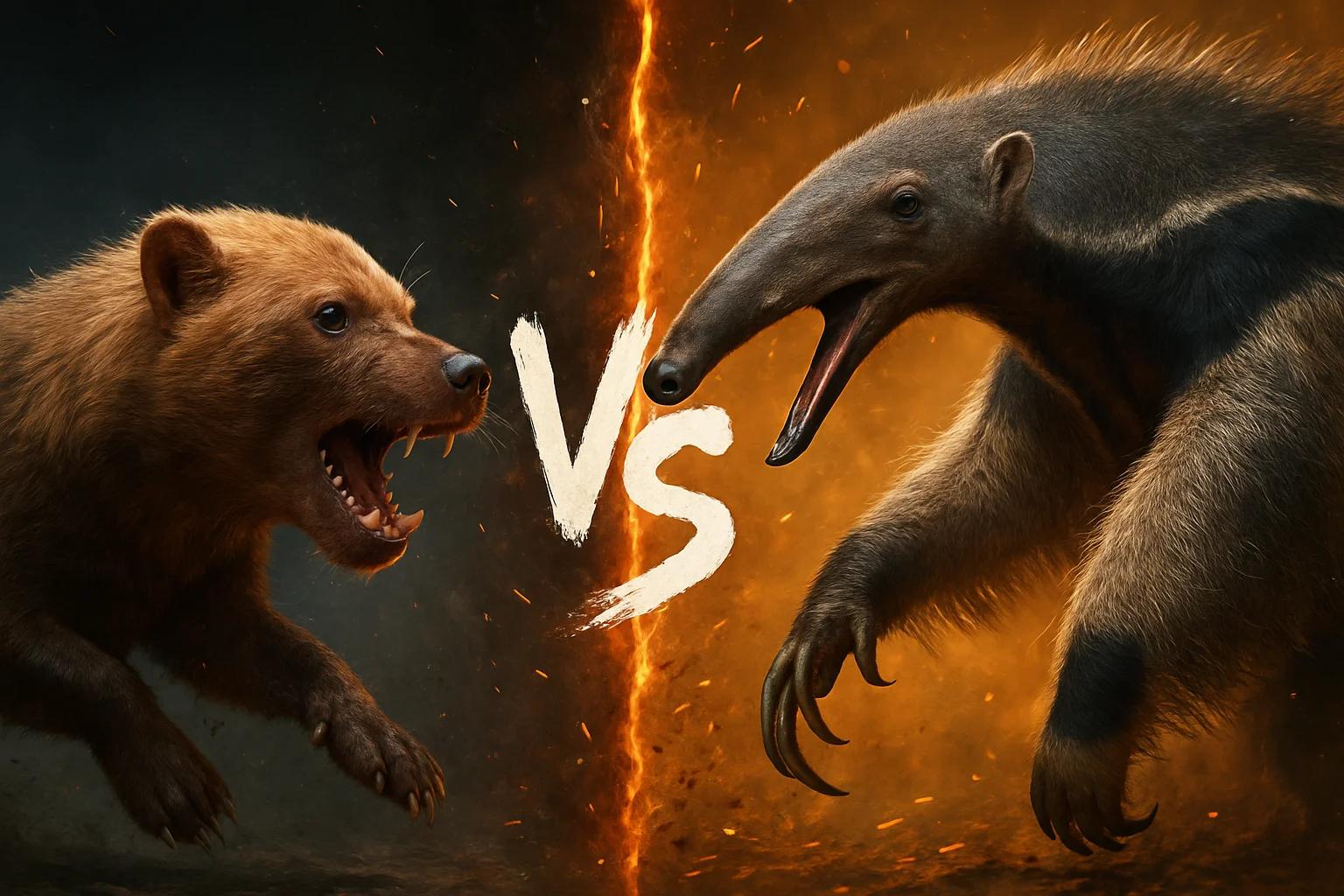
Bush Dog vs Giant Anteater: Who Actually Wins?
Bush dog vs giant anteater: a compact pack hunter takes on a 30–40 kg clawed insect-eater. See who wins one-on-one, in cover, on open savanna, and against a full bush dog pack.
Bush Dog vs Giant Anteater
Matchup winner
Giant Anteater
Quick verdict
Start with the direct answer, then use the structured comparison below to see what changes the outcome.
The giant anteater wins a one-on-one fight with a bush dog, and it isn't close. A large adult anteater weighs roughly 25–40 kg, about four to six times a typical 5–8 kg bush dog. It carries foreclaws close to 10 cm long, driven by massive forearm muscles that evolved to rip open termite mounds as hard as concrete. When threatened, it rears into a tripod stance on its hind legs and tail, swinging those claws with enough force to wound jaguars and pumas. The bush dog is a tough, short-legged, water-savvy hunter. Its real power is the pack: tight family groups that run down agoutis, pacas, and even capybaras. A lone dog has neither the size nor the bite to get past an anteater's guard without taking injuries that could end its life. Only a coordinated pack makes this a contest, and even then the anteater is a risky target that most packs would sensibly avoid.
Read the full explanation
Giant anteater wins one-on-one, roughly 4–6× heavier with ~10 cm slashing claws.
The bush dog's strength is pack coordination, not individual combat power.
A full bush dog pack could pressure an anteater, but the injury risk makes it a poor hunting choice.
The anteater's rear-up tripod defense neutralizes the bush dog's low, darting attack style.
Reader vote
Who do you think wins?
Pick a side — no account needed. Results update live.
No votes yet — be the first to call it.
Editorial note
Why people disagree
Bush dogs famously take prey bigger than themselves, so people assume they can handle any mid-sized mammal. That record comes from pack hunts, not solo duels.
Size and mass advantage
Mass decides who can absorb hits and who gets bowled over. The anteater's weight lets it stay planted while the dog bounces off.
Primary weaponry
The anteater's claws reach farther and do more damage per strike than a small canid's bite can deliver against thick hair and hide.
Close-range durability
The tripod stance turns the anteater into a fortress. Any dog closing to bite has to enter claw range first.
Read the full explanation +
Anteaters look slow, toothless, and gentle, which hides how dangerous their claws are when cornered.
'Bush dog vs anteater' quietly shifts between one dog and a whole pack. That single assumption flips the debate.
Comparison FAQ
Short, direct answers to the next questions readers usually ask after the headline verdict.
Would a bush dog beat a giant anteater?+
No, not one-on-one. The giant anteater's size, thick coat, and long foreclaws give it a decisive edge over a single bush dog.
Which is stronger, a bush dog or a giant anteater?+
The giant anteater is far stronger. Its forearms are built to tear open rock-hard termite mounds and it outweighs a bush dog roughly four to six times.
Could a pack of bush dogs kill a giant anteater?+
Possibly a juvenile or weakened one, and conceivably an adult with enough dogs. But the risk of serious claw injuries makes it an unlikely target for a pack.
Why is the bush dog still dangerous even though it loses?+
Bush dogs hunt in coordinated family packs, are relentless and agile, and regularly take prey larger than themselves, including capybaras. Their danger lies in numbers and persistence.
Why is a giant anteater dangerous if it has no teeth?+
Its foreclaws are the weapon. When threatened it rears up on its hind legs and tail and slashes, a defense documented injuring and even killing jaguars and pumas.
Head-to-head species stats
These are the same core AnimalDex stat dimensions used on the dedicated animal pages, pulled side by side so the matchup is faster to scan.
Bush Dog
Tier BGiant Anteater
Tier BTrait-by-trait comparison
Only the categories that matter to this matchup are included. The goal is not filler stats, but the real design differences that change the result.
5–8 kg, stocky and short-legged
Size and mass advantage
Giant Anteater
25–40 kg, up to ~2 m including tail
Size and mass advantage
Giant Anteater
Sharp carnassial bite built for gripping small prey
Primary weaponry
Giant Anteater
Curved ~10 cm foreclaws powered by huge forearms
Primary weaponry
Giant Anteater
Low, dense build; relies on dodging
Close-range durability
Giant Anteater
Coarse, thick fur; tripod rear-up stance with claws forward
Close-range durability
Giant Anteater
Quick, darting, excellent swimmer
Agility and quickness
Bush Dog
Lumbering gallop, slow to turn
Agility and quickness
Bush Dog
Tight family packs with constant contact calls
Group tactics
Bush Dog
Solitary
Group tactics
Bush Dog
Dense forest, burrows, waterways
Cover and terrain use
Bush Dog
Grasslands and forest edge; poor eyesight, keen smell
Cover and terrain use
Bush Dog
How the verdict forms
Verdict timeline
01 · Size and mass advantage
Giant Anteater
02 · Primary weaponry
Giant Anteater
03 · Close-range durability
Giant Anteater
04 · Agility and quickness
Bush Dog
05 · Group tactics
Bush Dog
06 · Cover and terrain use
Bush Dog
Change the conditions
Scenario breakdown
This is where shallow battle content usually fails. Terrain, spacing, timing, and engagement style can change the answer.
Scenario lean
Giant Anteater
Verdict confidence
82%
Anteater holds its ground; the dog backs off or gets slashed.
Dense undergrowth lets a bush dog approach unseen. But the anteater's strong sense of smell gives early warning, and once it rears with its back to vegetation, its flanks are protected. A single 6 kg dog has no safe angle of attack, and one clean claw strike could open its body. The dog's best outcome is a retreat.
AnimalDex field profiles
Explore these animals
Bush Dog
Speothos venaticus
forest, wet grassland, and river-edge woodland
Giant Anteater
Myrmecophaga tridactyla
Grassland, savannah, wetland edge, and open woodland with insect colony access.
Systems Intelligence & Hidden Purpose
See the animals behind this comparison as engineered biological systems: what each one is built to do, where it gains leverage, and why the matchup changes by scenario.
Specialized Hardware
short-legged pack body, wetland-friendly feet, and cooperative chasing give the Bush Dog a body plan tuned for its niche.
Systems Script
Bush Dogs operate through forest, wet grassland, and river-edge woodland Their design links movement, shelter, feeding, and survival into one workable system.
Strategic Insight
A small team can outgrow its size when coordination stays tight.
Specialized Hardware
Very long narrow snout, huge bushy tail, and strong curved foreclaws give the Giant Anteater a body plan tuned for its niche.
Systems Script
Giant Anteaters operate in grassland, savannah, wetland edge, and open woodland with insect colony access. Their design helps them match food access, shelter, and timing inside that environment.
Strategic Insight
A narrow toolset is powerful when it is built for exactly the right job.
Final take
The giant anteater is the clear winner of the bush dog vs giant anteater matchup. It brings several times the body mass, a defensive stance that has stopped big cats, and claws that ranked among the most effective natural weapons in the Neotropics. A lone bush dog is outsized and outreached.
Read the full explanation
The bush dog is not a weak animal. It is a specialist in teamwork, and its pack can tackle prey that no single dog could. That's the only frame where the fight tilts, and even there the smart move for the pack is to hunt something that can't fight back as hard.
Collect both animals in AnimalDex
Track the species behind this matchup, compare their real traits, and build the rivalry into your AnimalDex collection.
Related comparisons
Continue with nearby matchups to compare more real-world animal traits without dropping into junky who-wins filler.
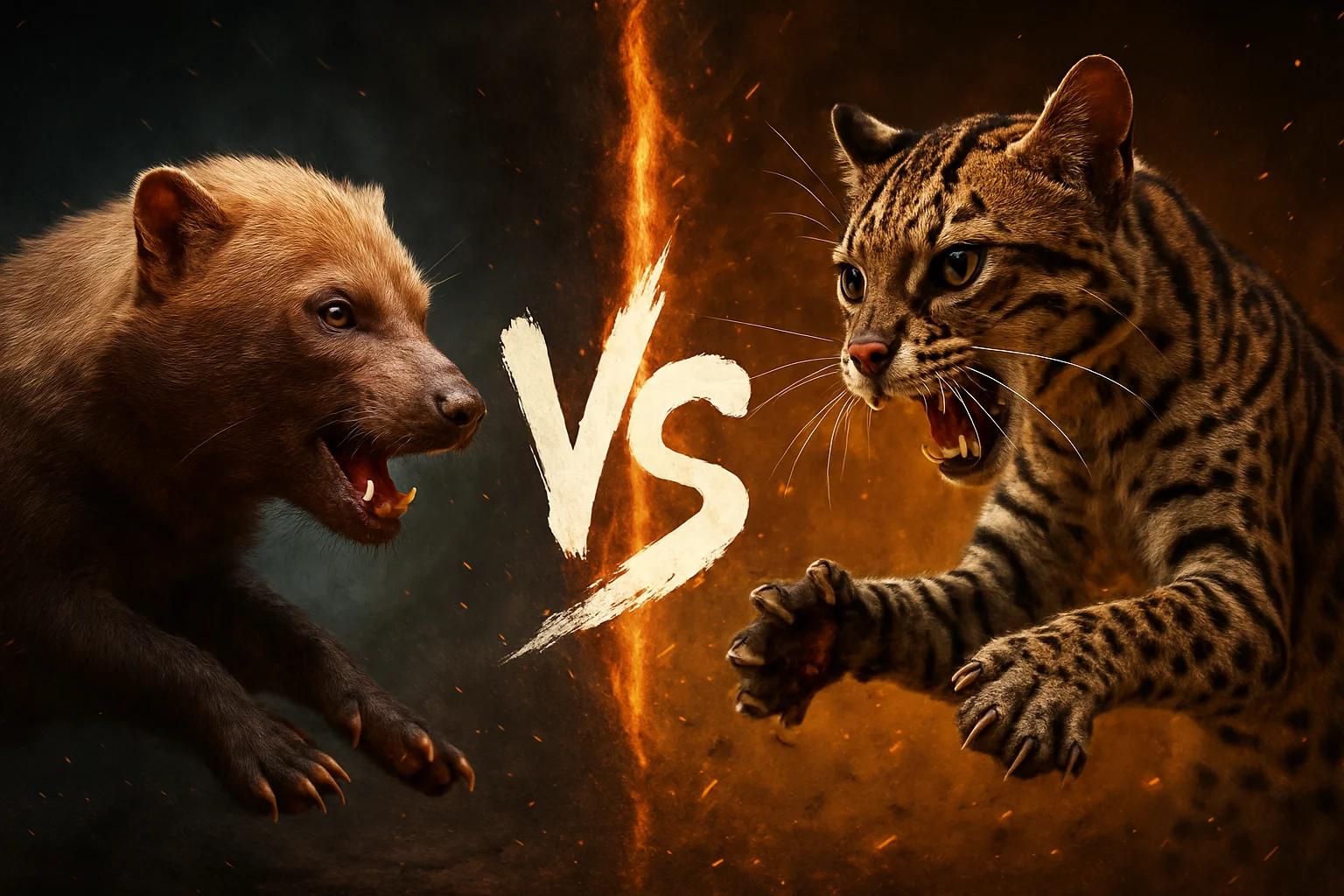
Bush Dog vs Margay: Who Actually Wins?
The bush dog wins this matchup most of the time. Both animals weigh roughly 4–8 kg, so neither has a size edge. The bush dog is built for close-quarters grappling. It is low, stocky and thick-necked, with a short powerful jaw. It hunts prey like pacas and agoutis that can match or outweigh it, and it does not let go. The margay is a smarter, more agile cat with retractile claws and great reflexes. But its whole body is tuned for climbing and catching birds and small mammals in the canopy, not for trading bites on the ground. If the fight happens on the forest floor and the margay cannot escape upward, the bush dog's grip, durability and persistence usually win out. The margay's best result is a sharp defensive flurry and a fast retreat up a tree.
Read comparison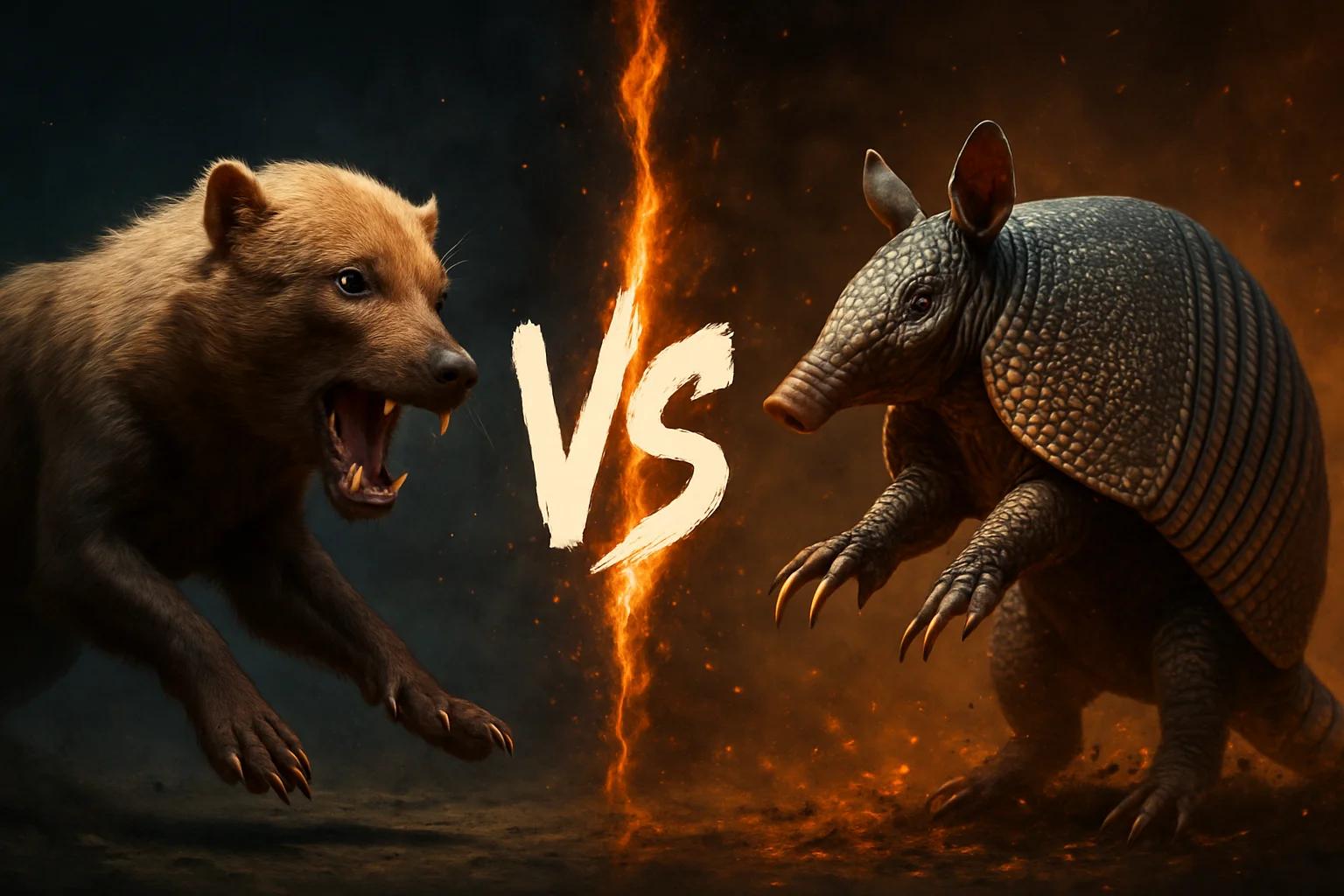
Bush Dog vs Nine-banded Armadillo: Who Actually Wins?
The bush dog wins. It is a compact, muscular canid built to hunt prey of its own size and larger: short legs for burrow work, strong jaws, sharp carnassial teeth, and real persistence. The nine-banded armadillo's armor is impressive, but it is not a sealed shell. Unlike the three-banded armadillo, Dasypus novemcinctus cannot roll into a closed ball. Its belly, legs, and the gaps around its head stay exposed. Its main defenses are a surprise vertical leap, a fast sprint to a burrow, and wedging itself into soil with its claws. Those tricks can buy time or a clean escape, but against a predator that follows prey underground and keeps working at it, they rarely end the contest. If the encounter is a true confrontation, the bush dog's bite and drive beat the armadillo's retreat strategy.
Read comparison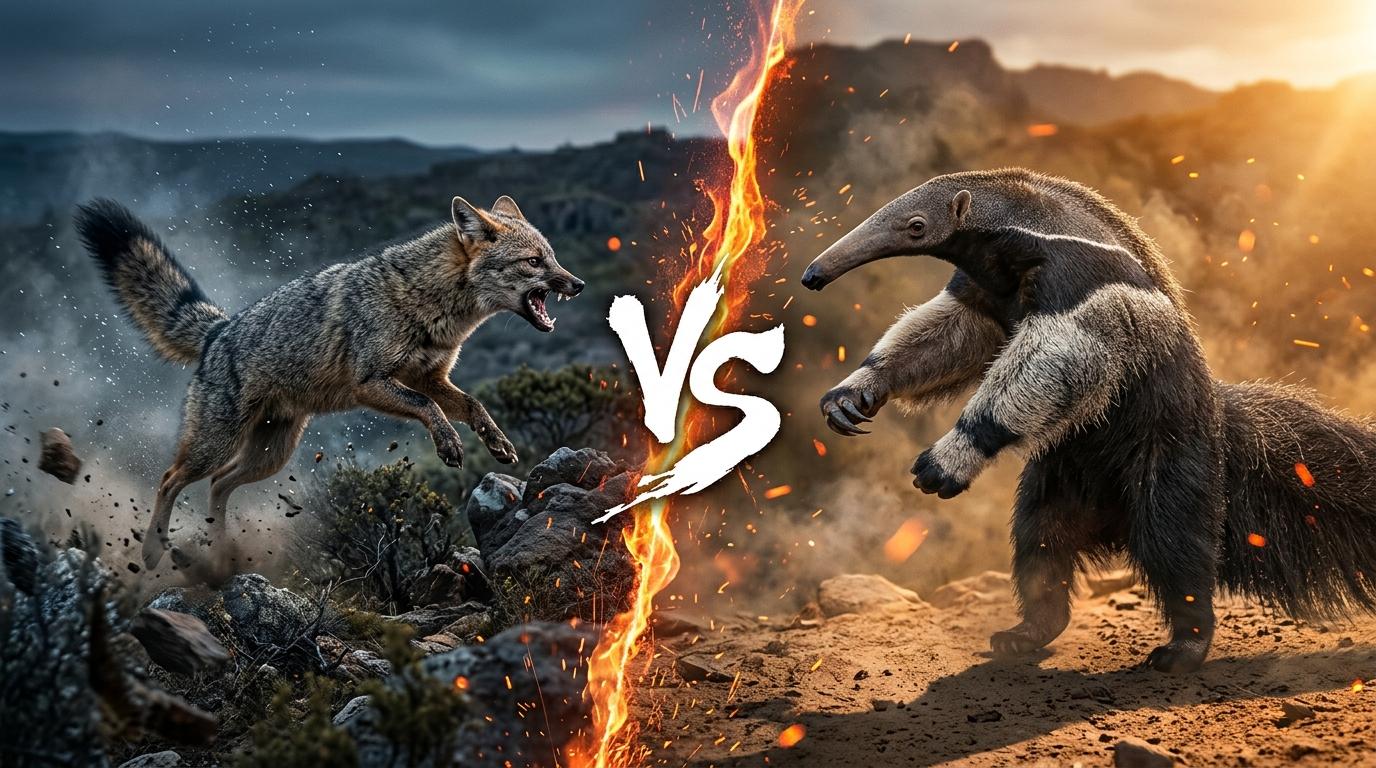
Crab-eating Fox vs Giant Anteater: Who Actually Wins?
The giant anteater wins, and it isn't especially close. A crab-eating fox weighs roughly 5–8 kg. A giant anteater runs about 25–40 kg and carries forelimb claws up to 10 cm long, built to rip open termite mounds as hard as sun-baked clay. The anteater has no teeth, but it doesn't need them. When threatened, it rears onto its hind legs, braces on its tail, and swipes or hugs with those claws. The same defense has killed dogs, wounded jaguars and injured people. The fox's real assets are agility, quick reflexes and smart opportunism. Those help it avoid danger, not win against a heavily armed animal five times its mass. In nearly every realistic encounter the fox either retreats or loses.
Read comparison
Discussion
What do you think?
Share your reasoning with other readers. Be civil and stick to the animals.
Sign in to join the discussion.
Sign inNo comments yet. Start the conversation.