

Animals in the Amazon Rainforest: What You Can Spot, Learn, and Collect
What animals live in the Amazon rainforest: pink river dolphins, sloths, macaws, hoatzins, caimans and giant otters, and how realistic a jaguar sighting is.
Jawaban cepat
Mulai dari jawaban langsung, lalu gunakan bagian di bawah untuk melihat kenapa lokasi ini penting dan hewan mana yang benar-benar realistis untuk di-spot di sana.
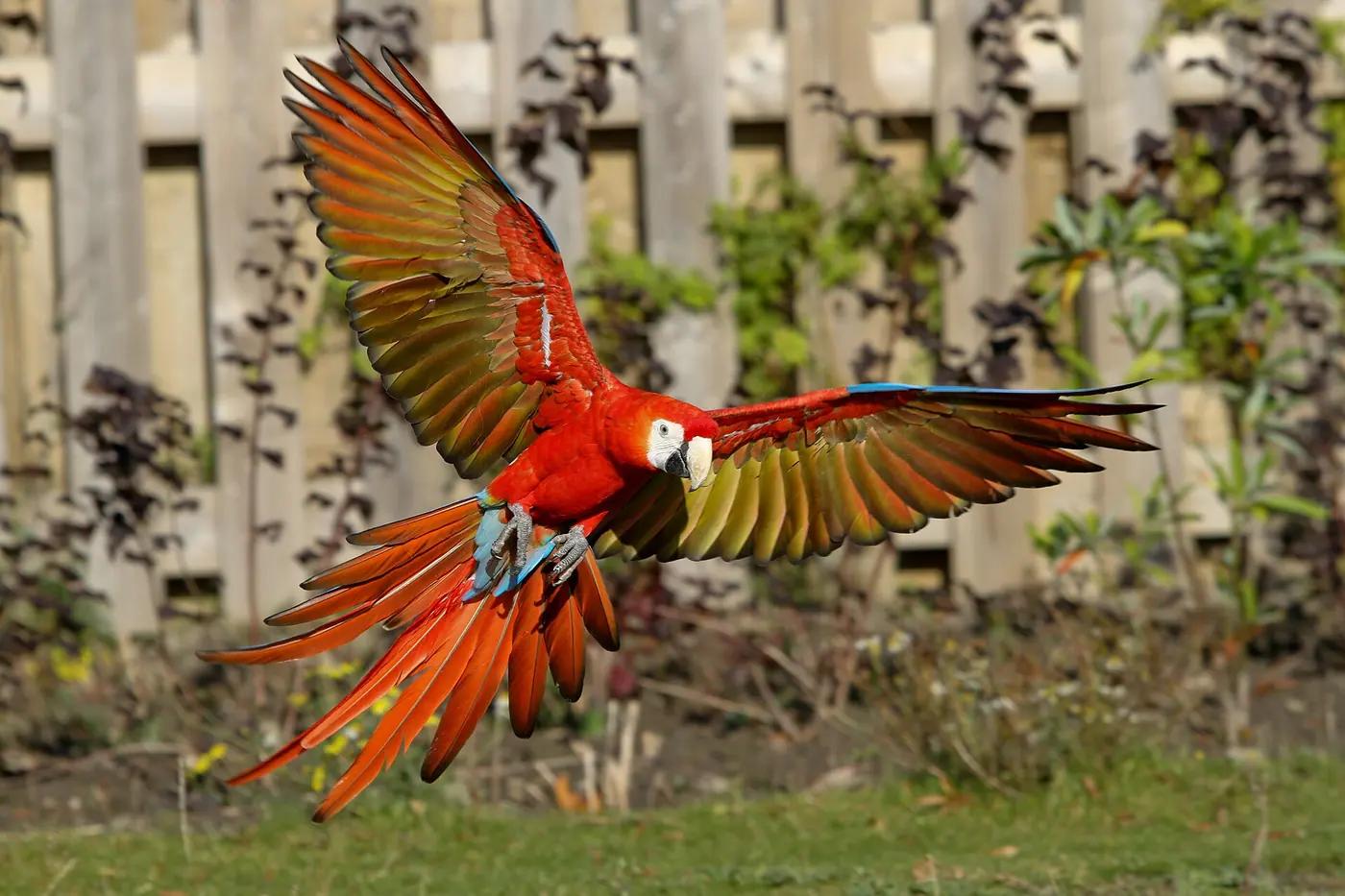
The Amazon holds roughly a tenth of all known species, but what you actually see from a lodge is a specific set: pink river dolphins and black caimans on the rivers, three-toed sloths, squirrel monkeys and hoatzins along the banks, scarlet and blue-and-yellow macaws at clay licks, piranhas and arapaima in the lakes, and leafcutter ants, bullet ants and morpho butterflies on every trail. Jaguars and harpy eagles are real but need luck or a specialist trip.
The forest covers nine countries, but visitors reach it through a handful of gateways: Manaus and the Rio Negro in Brazil, Puerto Maldonado and the Tambopata reserve in Peru, Coca and the Yasuní lodges in Ecuador, and Leticia on the Colombian border. The wildlife is broadly the same across all of them, with the western Amazon richer in monkeys and macaw clay licks.
Animals here hide in a canopy forty metres up or in brown water, so the river is your best road. Boat trips at dawn and after dark produce most of the mammals and reptiles; forest walks produce the insects, frogs and birds that make the Amazon the most species-dense place on the planet.
Kenapa lokasi ini penting
Halaman lokasi yang baik menjelaskan kenapa tempat ini layak dikunjungi, bukan hanya nama-nama yang cocok dimasukkan ke checklist destinasi.
There is no bigger prize for a collector, and no more misleading one. Documentaries promise jaguars and anacondas; a week at a good lodge delivers dolphins, sloths, monkeys, caimans, macaws and a hundred smaller species you have never heard of. Setting expectations right makes the trip far better.
The Amazon is also the place to understand scale. Mamirauá's flooded forest, Tambopata's parrot licks and Yasuní's oil-threatened canopy are each fighting a separate battle, and every tourist dollar and logged sighting supports the local reserves that hold them.
Tempat mencari
Peta satwa liar Amazon Rainforest
Panduan ini mencakup wilayah di bawah ini. Perbesar peta untuk mengenali areanya sebelum merencanakan perjalanan.
Posisi diambil dari OpenStreetMap. Akses habitat dan jam buka bisa berubah — periksa dulu sebelum berangkat. Pin yang lebih kecil adalah capture publik AnimalDex, ditempatkan sampai kilometer terdekat.
Bukti lapangan
Ditemukan di Amazon Rainforest oleh pengguna AnimalDex
Capture nyata yang dicatat di aplikasi AnimalDex di dalam area ini dan dibagikan secara publik oleh kolektornya, dengan hewan yang dikonfirmasi oleh identifikasi aplikasi. Lokasi ditampilkan sampai tingkat wilayah, bukan titik persisnya.
- 18
- capture publik
- 17
- spesies tercatat
- 3
- kolektor
- 7
- penampakan liar
Capture terbaru dari lapangan
Spesies yang benar-benar dicatat orang di sini
Setiap nama menuju panduan spesiesnya. Angkanya adalah jumlah capture publik hewan itu di dalam area ini.
- Capuchin Monkey2 capture
- Bengal Tiger1 capture
- Cayenne Tick1 capture
- Cockatiel1 capture
- Cockroach1 capture
- Common Opossum1 capture
- Daddy Long-Legs Spider1 capture
- Geometer Moth1 capture
- Golden Pheasant1 capture
- Guinea Pig1 capture
- House Fly1 capture
- Indian Peafowl1 capture
- Jumping Spider1 capture
- Silver Pheasant1 capture
- South American Tapir1 capture
- Spider Monkey1 capture
- Variable Hawk1 capture
Kolektor memilih membagikan capture ini di Discover dan bisa menariknya kapan saja. Koordinat dibulatkan sekitar satu kilometer dan diperbarui setiap build situs.
Hewan untuk di-spot
Pilihan spesies di sini sengaja dibuat praktis, menyeimbangkan aksesibilitas, excitement, dan apa yang realistis untuk diperhatikan traveler di lokasi tersebut.

Amazon River DolphinA
Pink botos surface at river confluences and the mouths of oxbow lakes, and at the Meeting of the Waters near Manaus they are seen on almost every trip.
Catatan spotting: Near-certain on any multi-day river trip.
Baca panduan spesies
Three-toed SlothD
Sloths hang in the riverside cecropia trees and are spotted from boats along the Rio Negro and the Napo.
Catatan spotting: Likely; guides scan the bank trees for them on every excursion.
Baca panduan spesies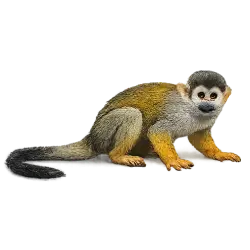
Squirrel MonkeyC
Troops of fifty or more pour through the riverside canopy in a chatter of leaps, the most frequently seen monkey in the western Amazon.
Catatan spotting: Very common around Tambopata and Yasuní lodges.
Baca panduan spesies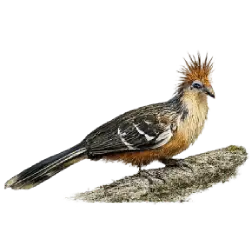
HoatzinD
Prehistoric-looking, clumsy and loud, hoatzins crash around the vegetation of every oxbow lake, grunting and hissing.
Catatan spotting: Guaranteed at lakes like Sandoval, Tres Chimbadas and Añangu.
Baca panduan spesies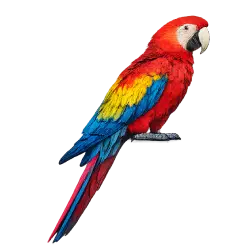
Scarlet MacawC
Scarlet macaws gather by the dozen at riverbank clay licks like Chuncho and Colorado in Tambopata to eat mineral-rich mud.
Catatan spotting: Reliable at a clay lick on a dry-season morning.
Baca panduan spesies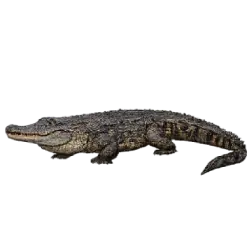
Black CaimanA
Eyes glow red in the torch beam on night boat trips, and big adults haul out on lake edges in the dry season.
Catatan spotting: Common on night spotlighting trips.
Baca panduan spesies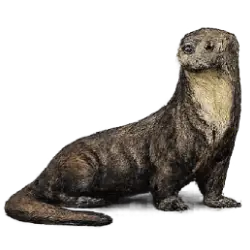
Giant OtterB
Family groups of giant otters fish the oxbow lakes of Tambopata and Manu, snorting at canoes that come too close.
Catatan spotting: Likely at Sandoval and Cocha Salvador; rare elsewhere.
Baca panduan spesies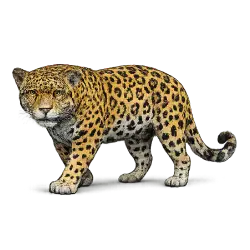
JaguarA
Jaguars walk the beaches of the Tambopata and Manu rivers in the dry season, and camera traps catch them on every lodge trail.
Catatan spotting: Rare; perhaps one in ten river trips in August and September.
Baca panduan spesies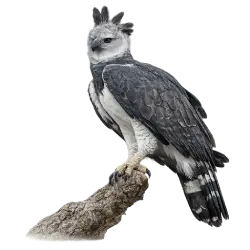
Harpy EagleA
The largest eagle in the Americas nests in emergent trees, and a few lodges know active nests and can take you there.
Catatan spotting: Rare without a known nest; ask before booking.
Baca panduan spesies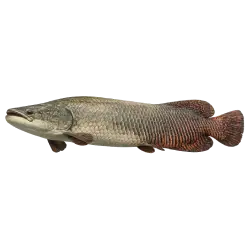
ArapaimaB
The giant air-breathing fish rolls at the surface of floodplain lakes, especially in the Mamirauá reserve where fishing is managed.
Catatan spotting: Regular at Mamirauá; occasional elsewhere.
Baca panduan spesies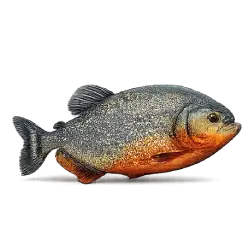
Red-bellied PiranhaD
Piranha fishing with a stick and a bit of meat is on almost every lodge itinerary, and the fish are genuinely abundant.
Catatan spotting: Guaranteed if you fish for them.
Baca panduan spesies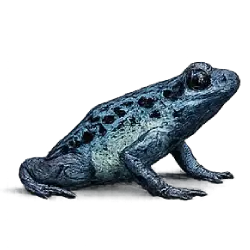
Poison Dart FrogD
Tiny, brilliantly coloured frogs hop through the leaf litter on wet mornings along lodge trails.
Catatan spotting: Common after rain if you look down.
Baca panduan spesies
Blue MorphoE
Electric-blue wings flash along every sunlit trail and river edge in the mid-morning heat.
Catatan spotting: Daily; photographing one with wings open is the hard part.
Baca panduan spesies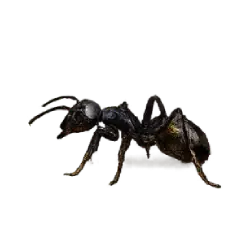
Bullet AntD
The ant with the most painful sting on earth patrols tree trunks at head height on lodge trails.
Catatan spotting: Common; your guide will point them out so you do not lean on one.
Baca panduan spesiesPaling cocok untuk
Gunakan bagian ini untuk menilai apakah lokasi tersebut cocok dengan gaya perjalanan, level pengalaman, dan target AnimalDex kamu.
- River dolphins, caimans and giant otters from a boat
- Macaw clay licks in the Peruvian and Ecuadorian Amazon
- Night walks for frogs, tarantulas and insects
- Multi-day lodge stays with realistic odds of a jaguar
Tips spotting
Tips ini dibuat agar halaman ini benar-benar berguna di lapangan, bukan hanya enak dibaca di layar.
- 01Choose the dry season (June to October in the west, August to November around Manaus): low water concentrates animals on exposed beaches and lake edges.
- 02Book a lodge with an oxbow lake and a clay lick within reach; Tambopata and Yasuní lodges have both, most Manaus lodges have neither.
- 03Carry a head torch with a red filter for night walks and boat trips; it finds caimans, potoos and frogs without blinding them.
- 04Spend the midday heat at a canopy tower rather than resting; toucans, macaws and monkeys use the emergent trees when the understorey goes quiet.
Wildlife Guides virtual
Panduan satwa liar ke Amazon Rainforest
AnimalDex membuat panduan virtual dari penampakan satwa liar milik para penjelajah sendiri: satwa apa yang mereka temukan, seberapa langka, dan kapan. Panduan adalah saran dari orang yang pernah ke sana, bukan tur. Membelinya membuka catatan penulis untuk setiap satwa, obrolan dengan penulis, dan perkenalan dengan warga lokal yang mereka temui. Penampakan satwa tidak pernah dijamin.
Memeriksa panduan virtual ke Amazon Rainforest...
Cara memilih pemandu satwa liar lokal di Amazon Rainforest
- Tanyakan apa yang biasanya mereka temukan pada musim kunjunganmu. Pemandu yang baik memberi jawaban jujur, bukan janji pasti melihat satwa tertentu.
- Perhatikan cara mereka memperlakukan satwa: tanpa umpan, tanpa memanggil satwa, tanpa memegang, dan tanpa flash dari jarak dekat demi foto.
- Pastikan titik temu, durasi, ukuran grup, total harga, dan cara pembayaran sebelum hari kegiatan, termasuk izin atau biaya taman yang diperlukan.
Lacak hewan yang kamu temukan di Amazon Rainforest
Bangun koleksimu sambil menjelajahi Amazon Rainforest, dari spesies yang mudah ditemukan sampai target yang layak direncanakan khusus.
Tier list terkait
Tier list ini memberi konteks yang lebih luas untuk spesies yang membuat lokasi ini menarik.
Biggest Animals in the World
A structured ranking of the biggest animals in the world, using the AnimalDex size stat to compare body scale across sea, land, and air.
Baca tier list100 Most Dangerous Animals in the World
Dangerous animals list ranking 100 species by lethal capability, aggression, and encounter risk — not a jump-scare trivia page and not a disease-vector list.
Baca tier listAnimals with the Best Camouflage
A structured ranking of animals with the best camouflage, focusing on concealment quality, background matching, adaptive color change, and how often camouflage changes outcomes.
Baca tier listLokasi terkait
Lanjutkan eksplorasi dengan destinasi yang mirip atau berdekatan dan mendukung gaya discovery AnimalDex yang sama.
Animals in Brazil: What You Can Spot, Learn, and Collect
A practical Brazil wildlife guide built around wetlands, rainforest color, and the species that make the country feel big, alive, and worth collecting carefully.
Baca panduan lokasiAnimals in Peru: What You Can Spot, Learn, and Collect
A practical Peru wildlife guide built around tropical birds, wetlands, coast-linked species, and the layered habitat value that makes the country feel bigger than one simple nature stereotype.
Baca panduan lokasiAnimals in Ecuador: What You Can Spot, Learn, and Collect
A practical Ecuador wildlife guide built around tropical color, coast-linked species, and the short-distance habitat shifts that make the country feel dense with animal possibility.
Baca panduan lokasiFAQ lokasi
Jawaban singkat dan langsung untuk pertanyaan yang biasanya ditanyakan traveler sebelum memilih destinasi satwa liar atau hari kebun binatang.
What wildlife is there in the Amazon rainforest?
Pink river dolphins, caimans, giant otters and piranhas in the water; sloths, squirrel monkeys, howlers and tamarins in the trees; macaws, toucans, hoatzins and harpy eagles overhead; and an overwhelming number of frogs, butterflies, ants and spiders on the ground. Jaguars, tapirs and anacondas are present but rarely seen.
What animals can be found in the Amazon rainforest?
On a typical lodge stay you will see river dolphins, black caimans, sloths, squirrel monkeys, hoatzins, blue-and-yellow and scarlet macaws, piranhas, morpho butterflies, poison frogs and leafcutter ants. Giant otters are likely on oxbow lakes, and jaguars are a dry-season river-beach possibility.
Where is the best place to see Amazon animals?
The western Amazon beats the central basin for visible wildlife. Tambopata and Manu in Peru and Yasuní in Ecuador have clay licks, oxbow lakes and canopy towers. Around Manaus choose the Rio Negro for dolphins and flooded forest, or the Mamirauá reserve for uakaris and arapaima.
Is it dangerous to visit the Amazon rainforest?
The real risks are mosquitoes, heat and infection, not jaguars. Take malaria and yellow fever advice, wear long sleeves at dusk, never grab a tree trunk without looking for bullet ants, and swim only where your guide says the caimans and stingrays allow.
Apakah pengguna AnimalDex pernah menemukan hewan di Amazon Rainforest?
Ya. Pengguna AnimalDex telah mencatat 18 capture publik dari 17 spesies berbeda di Amazon Rainforest, termasuk capuchin monkey, bengal tiger, cayenne tick, cockatiel. Semuanya difoto di aplikasi pada saat penampakan.
Bagaimana cara menemukan panduan satwa liar ke Amazon Rainforest?
Lihat bagian Wildlife Guides di halaman ini atau jelajahi Wildlife Guides di AnimalDex. Setiap panduan adalah panduan virtual yang dibuat dari penampakan satwa liar milik seorang penjelajah di sekitar Amazon Rainforest: satwa yang mereka temukan, seberapa langka, dan kapan. Ini saran dari orang yang pernah ke sana, bukan tur. Jika kamu ingin ditemani seseorang di lokasi, bandingkan pemandu lokal dari pengetahuan satwanya, cara mereka memperlakukan satwa, dan kejelasan harganya sebelum berangkat.