

Animals in Quebec: What You Can Spot, Learn, and Collect
Quebec wildlife guide: Tadoussac belugas and blue whales, Bonaventure Island's gannets, Cap Tourmente snow geese, Forillon moose and seals, Parc Omega's wolves and bison, and winter snowy owls.
Jawaban cepat
Mulai dari jawaban langsung, lalu gunakan bagian di bawah untuk melihat kenapa lokasi ini penting dan hewan mana yang benar-benar realistis untuk di-spot di sana.
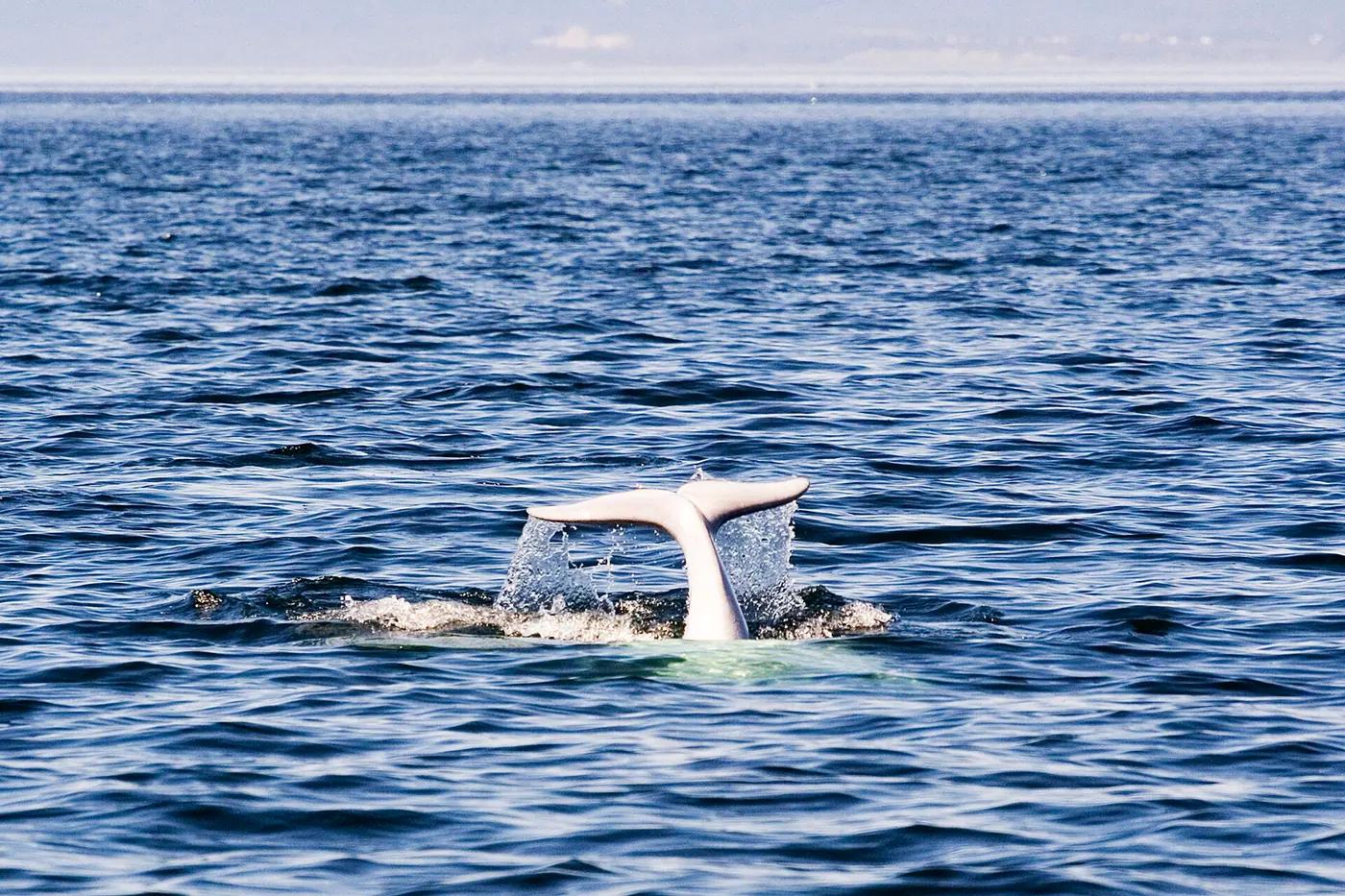
Quebec's St. Lawrence estuary is one of the great whale-watching rivers of the world: belugas live year-round off Tadoussac and the Saguenay fjord, and humpbacks, fin, minke and even blue whales feed there from June to October. Add 100,000 northern gannets on Bonaventure Island, hundreds of thousands of snow geese at Cap Tourmente in October, moose and seals in Forillon National Park, and snowy owls on the winter fields around Montreal.
Where the Saguenay fjord meets the St. Lawrence at Tadoussac, cold upwelling water feeds krill and capelin, and the whales follow. The Saguenay-St. Lawrence Marine Park is the only place in the world to see belugas this far south, and the shore at Cap de Bon-Désir lets you watch minkes from the rocks without a boat.
The Gaspé Peninsula continues the show: Bonaventure Island off Percé holds the most accessible gannet colony on earth, and Forillon National Park's cliffs have grey and harbour seals, moose, black bears and porcupines within a day's walk.
Kenapa lokasi ini penting
Halaman lokasi yang baik menjelaskan kenapa tempat ini layak dikunjungi, bukan hanya nama-nama yang cocok dimasukkan ke checklist destinasi.
The St. Lawrence belugas are an isolated, endangered population of under 1,000, and Tadoussac is the only place where ordinary visitors can see belugas from a kayak or a shoreline. Strict approach rules exist precisely because the population is fragile.
Parc Omega near Montebello, between Montreal and Ottawa, lets a car drive through a 2,200-acre park of wolves, bison, elk, moose and bears, which makes it the most reliable way in eastern Canada to see every large mammal of the boreal forest in a single afternoon.
Tempat mencari
Peta satwa liar Quebec
Panduan ini mencakup wilayah di bawah ini. Perbesar peta untuk mengenali areanya sebelum merencanakan perjalanan.
Posisi diambil dari OpenStreetMap. Akses habitat dan jam buka bisa berubah — periksa dulu sebelum berangkat. Pin yang lebih kecil adalah capture publik AnimalDex, ditempatkan sampai kilometer terdekat.
Bukti lapangan
Ditemukan di Quebec oleh pengguna AnimalDex
Capture nyata yang dicatat di aplikasi AnimalDex di dalam area ini dan dibagikan secara publik oleh kolektornya, dengan hewan yang dikonfirmasi oleh identifikasi aplikasi. Lokasi ditampilkan sampai tingkat wilayah, bukan titik persisnya.
- 13
- capture publik
- 13
- spesies tercatat
- 2
- kolektor
- 4
- penampakan liar
Capture terbaru dari lapangan
Spesies yang benar-benar dicatat orang di sini
Setiap nama menuju panduan spesiesnya. Angkanya adalah jumlah capture publik hewan itu di dalam area ini.
Kolektor memilih membagikan capture ini di Discover dan bisa menariknya kapan saja. Koordinat dibulatkan sekitar satu kilometer dan diperbarui setiap build situs.
Hewan untuk di-spot
Pilihan spesies di sini sengaja dibuat praktis, menyeimbangkan aksesibilitas, excitement, dan apa yang realistis untuk diperhatikan traveler di lokasi tersebut.
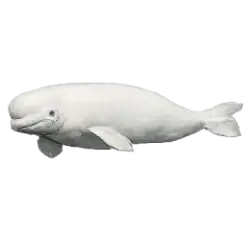
Beluga WhaleA
The endangered St. Lawrence population lives year-round around the Saguenay fjord mouth, surfacing in white pods off Baie-Sainte-Catherine and Pointe-Noire.
Catatan spotting: Likely from shore at Pointe-Noire or on a Tadoussac boat trip from June to October; boats must keep 400 metres.
Baca panduan spesies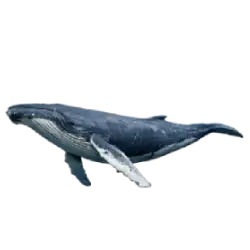
Humpback WhaleA
Feeds off Tadoussac and Les Escoumins from June to October, breaching and tail-slapping within sight of the zodiacs.
Catatan spotting: Near-guaranteed on a Tadoussac whale trip in July and August.
Baca panduan spesies
Fin WhaleA
The second-largest animal on earth surfaces in the deep channel off Les Bergeronnes and Les Escoumins all summer.
Catatan spotting: Likely on a longer boat trip from July to September.
Baca panduan spesies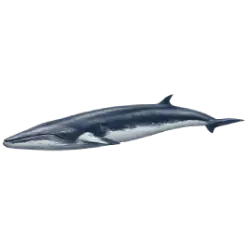
Common Minke WhaleA
Hunts capelin so close to the rocks at Cap de Bon-Désir that the Parks Canada interpretation site lets you watch from the shore.
Catatan spotting: Near-guaranteed from the Cap de Bon-Désir rocks in July and August.
Baca panduan spesies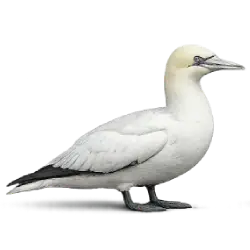
Northern GannetC
Bonaventure Island off Percé holds over 100,000 gannets on cliffs you can walk to within arm's reach, the largest accessible colony anywhere.
Catatan spotting: Guaranteed on Bonaventure Island from May to September; boats from Percé.
Baca panduan spesies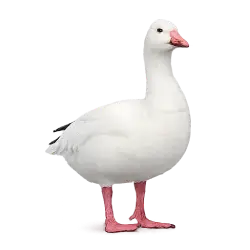
Snow GooseC
Cap Tourmente National Wildlife Area east of Quebec City stages hundreds of thousands of greater snow geese on the tidal marsh each October and again in April.
Catatan spotting: Guaranteed in the first three weeks of October at Cap Tourmente.
Baca panduan spesies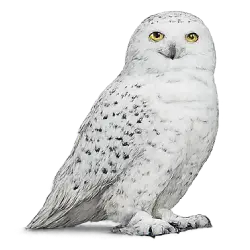
Snowy OwlB
Quebec's provincial bird winters on the open farmland of the Montérégie and the Montreal airport fields, sitting on snow-covered fence posts.
Catatan spotting: Regular from December to March south of Montreal; irruption years bring dozens.
Baca panduan spesies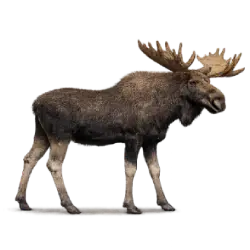
MooseA
Forillon National Park and Jacques-Cartier National Park have dense populations, with moose on the Forillon roadsides at dawn and in the Jacques-Cartier valley in autumn.
Catatan spotting: Likely at dawn in Forillon from June to October.
Baca panduan spesies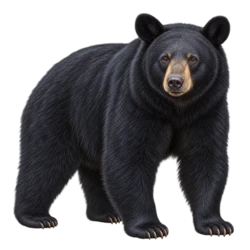
American Black BearB
Feeds on the roadside clover of Forillon and the Laurentians in June, and in the blueberry barrens of the Saguenay-Lac-Saint-Jean in August.
Catatan spotting: Possible in Forillon and the Laurentides reserve at dusk; common at Parc Omega.
Baca panduan spesies
Grey SealB
Hauls out below Forillon's Cap Bon-Ami cliffs and on the Iles de la Madeleine, where the grey seal colony is one of the largest in the gulf.
Catatan spotting: Common at Forillon from June to October; the Cap Bon-Ami lookout is reliable.
Baca panduan spesies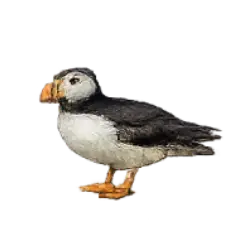
Atlantic PuffinC
Nests on the islands of the Mingan Archipelago on the north shore, reachable by boat from Longue-Pointe-de-Mingan and Havre-Saint-Pierre.
Catatan spotting: Reliable on Mingan boat trips from June to August.
Baca panduan spesies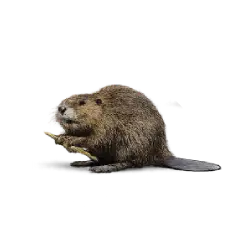
North American BeaverC
Canada's national animal dams the streams of every Quebec provincial park, from Mont-Tremblant to La Mauricie, and slaps its tail at canoeists at dusk.
Catatan spotting: Common at dusk in La Mauricie and Mont-Tremblant.
Baca panduan spesies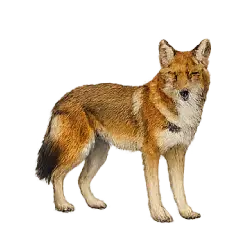
WolfC
Parc Omega's grey and Arctic wolf packs are seen from the car and the raised walkways, and wild wolves howl in the Laurentides and Papineau-Labelle reserves.
Catatan spotting: Guaranteed at Parc Omega; wild wolves are rarely seen.
Baca panduan spesies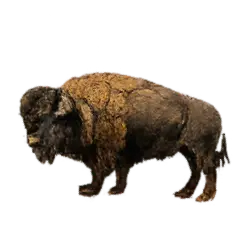
American BisonA
Parc Omega's bison herd grazes beside the drive-through road near Montebello, with elk, wild boar and deer coming to the car for carrots.
Catatan spotting: Guaranteed at Parc Omega on any day.
Baca panduan spesiesPaling cocok untuk
Gunakan bagian ini untuk menilai apakah lokasi tersebut cocok dengan gaya perjalanan, level pengalaman, dan target AnimalDex kamu.
- Belugas and baleen whales at Tadoussac
- Gannets on Bonaventure Island and puffins at Mingan
- October snow geese at Cap Tourmente
- Parc Omega's drive-through boreal mammals
Tips spotting
Tips ini dibuat agar halaman ini benar-benar berguna di lapangan, bukan hanya enak dibaca di layar.
- 01Stay in Tadoussac or Les Bergeronnes and take a zodiac in the morning when the water is calmer; then visit Cap de Bon-Désir and Pointe-Noire in the afternoon for free shore-based minkes and belugas.
- 02For Bonaventure Island, take the first boat from Percé, walk the Chemin du Roy trail to the colony, and plan at least two hours with the gannets.
- 03Cap Tourmente's geese peak around the second week of October; arrive at dawn when flocks lift off the marsh, and bring a scope for the thousands feeding on the bulrushes.
- 04Parc Omega sells bags of carrots at the gate; keep windows half-closed for the wild boar and never feed the bears or wolves, which are in separate enclosures.
Wildlife Guides virtual
Panduan satwa liar ke Quebec
AnimalDex membuat panduan virtual dari penampakan satwa liar milik para penjelajah sendiri: satwa apa yang mereka temukan, seberapa langka, dan kapan. Panduan adalah saran dari orang yang pernah ke sana, bukan tur. Membelinya membuka catatan penulis untuk setiap satwa, obrolan dengan penulis, dan perkenalan dengan warga lokal yang mereka temui. Penampakan satwa tidak pernah dijamin.
Memeriksa panduan virtual ke Quebec...
Cara memilih pemandu satwa liar lokal di Quebec
- Tanyakan apa yang biasanya mereka temukan pada musim kunjunganmu. Pemandu yang baik memberi jawaban jujur, bukan janji pasti melihat satwa tertentu.
- Perhatikan cara mereka memperlakukan satwa: tanpa umpan, tanpa memanggil satwa, tanpa memegang, dan tanpa flash dari jarak dekat demi foto.
- Pastikan titik temu, durasi, ukuran grup, total harga, dan cara pembayaran sebelum hari kegiatan, termasuk izin atau biaya taman yang diperlukan.
Lacak hewan yang kamu temukan di Quebec
Bangun koleksimu sambil menjelajahi Quebec, dari spesies yang mudah ditemukan sampai target yang layak direncanakan khusus.
Tier list terkait
Tier list ini memberi konteks yang lebih luas untuk spesies yang membuat lokasi ini menarik.
Biggest Animals in the World
A structured ranking of the biggest animals in the world, using the AnimalDex size stat to compare body scale across sea, land, and air.
Baca tier listLokasi terkait
Lanjutkan eksplorasi dengan destinasi yang mirip atau berdekatan dan mendukung gaya discovery AnimalDex yang sama.
Animals in Canada: What You Can Spot, Learn, and Collect
A practical Canada wildlife guide built around coasts, forests, migration, and the cold-region species that make the country feel spacious and serious.
Baca panduan lokasiAnimals in Ontario: What You Can Spot, Learn, and Collect
Ontario wildlife guide: Algonquin moose and wolf howls, Toronto raccoons and the Toronto Zoo, Point Pelee's monarch and warbler migrations, loons on cottage lakes and polar bears on Hudson Bay.
Baca panduan lokasiAnimals in Nova Scotia: What You Can Spot, Learn, and Collect
Nova Scotia wildlife guide: Bay of Fundy humpbacks, Sable Island grey seals, Cape Breton moose and eagles, Halifax harbour seals, puffins on the Bird Islands, and Shubenacadie Wildlife Park.
Baca panduan lokasiFAQ lokasi
Jawaban singkat dan langsung untuk pertanyaan yang biasanya ditanyakan traveler sebelum memilih destinasi satwa liar atau hari kebun binatang.
What wildlife is there in Quebec?
Belugas, humpbacks, fin, minke and blue whales in the St. Lawrence; gannets, puffins, seals and seabirds on the Gaspé and north shore; moose, black bears, beavers, lynx and wolves in the boreal forest; snow geese and snowy owls in migration and winter; and caribou and polar bears in the far north.
What animals can be found in Quebec's Tadoussac area?
Belugas year-round, minke whales from the rocks at Cap de Bon-Désir, humpbacks and fin whales on boat trips from June to October, occasional blue whales in late summer, plus harbour and grey seals, harbour porpoises and seabirds.
Can you see belugas in Quebec from shore?
Yes. The Pointe-Noire interpretation centre at Baie-Sainte-Catherine, the Tadoussac dunes and the Saguenay fjord lookouts regularly give shore sightings, especially on calm mornings from June to October.
Is Parc Omega worth visiting?
Yes if you want certainty. The drive-through route near Montebello passes bison, elk, moose, wild boar, deer and separate wolf and bear areas in about two hours, with walking trails and a wolf observatory. It sits halfway between Montreal and Ottawa.
Apakah pengguna AnimalDex pernah menemukan hewan di Quebec?
Ya. Pengguna AnimalDex telah mencatat 13 capture publik dari 13 spesies berbeda di Quebec, termasuk fisher, giant honey bee, hoverfly, indian peafowl. Semuanya difoto di aplikasi pada saat penampakan.
Bagaimana cara menemukan panduan satwa liar ke Quebec?
Lihat bagian Wildlife Guides di halaman ini atau jelajahi Wildlife Guides di AnimalDex. Setiap panduan adalah panduan virtual yang dibuat dari penampakan satwa liar milik seorang penjelajah di sekitar Quebec: satwa yang mereka temukan, seberapa langka, dan kapan. Ini saran dari orang yang pernah ke sana, bukan tur. Jika kamu ingin ditemani seseorang di lokasi, bandingkan pemandu lokal dari pengetahuan satwanya, cara mereka memperlakukan satwa, dan kejelasan harganya sebelum berangkat.