

Animals in Surabaya: What You Can Spot, Learn, and Collect
Surabaya wildlife guide: macaques, monitors and mudskippers in the Wonorejo mangroves, brahminy kites over the Madura Strait, Komodo dragons at the zoo.
Jawaban cepat
Mulai dari jawaban langsung, lalu gunakan bagian di bawah untuk melihat kenapa lokasi ini penting dan hewan mana yang benar-benar realistis untuk di-spot di sana.
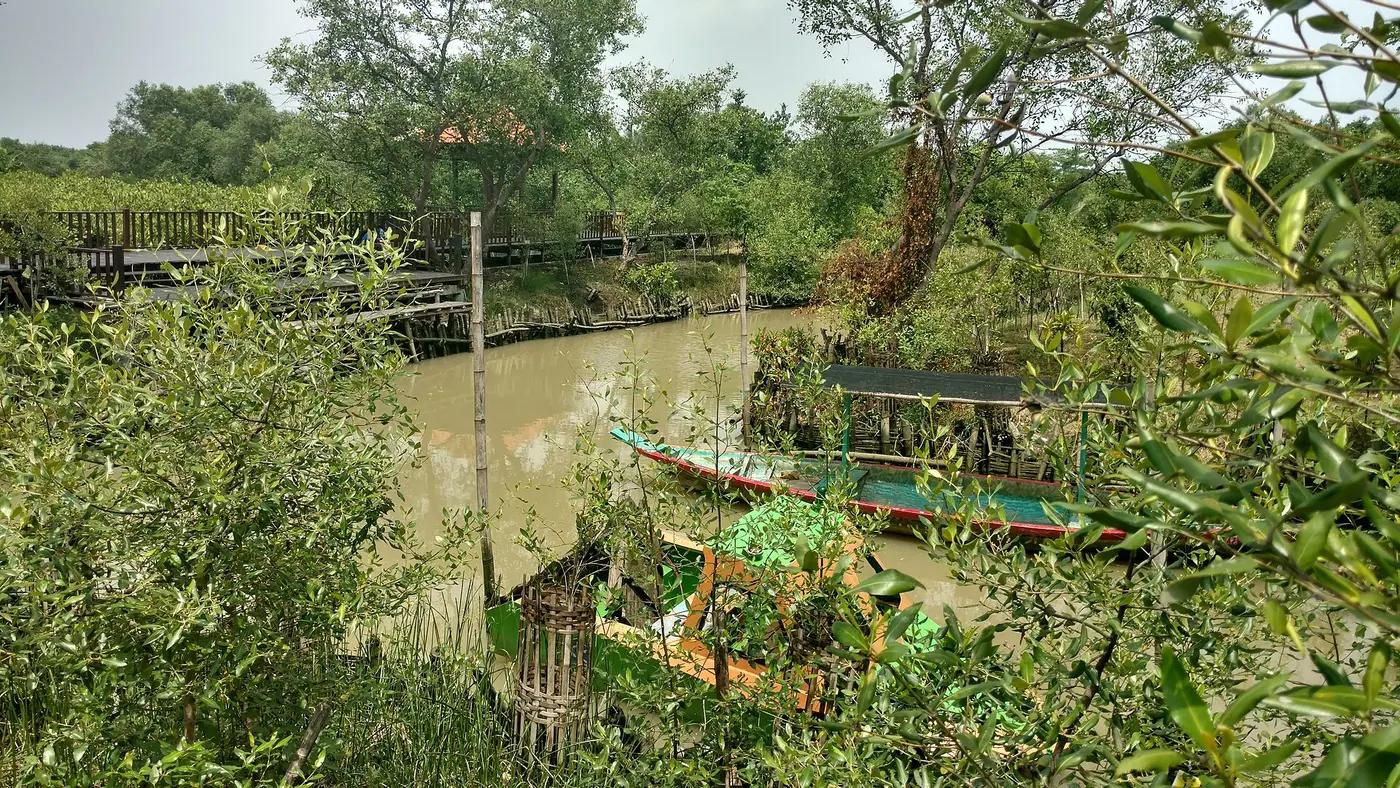
Surabaya is a port city with a working mangrove belt. The Wonorejo and Gunung Anyar mangroves on the east coast have long-tailed macaques, water monitors, mudskippers, fiddler crabs and roosting herons, and brahminy kites patrol the Madura Strait beside the Suramadu bridge. In the streets, Javan mynas, tree sparrows, house and tokay geckos are the daily captures. Surabaya Zoo, one of the oldest in the country, is known for its Komodo dragon breeding group.
Indonesia's second city is not a wildlife destination, but it has one habitat most big cities have lost: several kilometres of intact mangrove along its eastern shore. A boardwalk and boat trip at Wonorejo puts you among monkeys, monitors and herons within sight of apartment towers.
The rest of Surabaya's wildlife is the honest urban kind, mynas on wires, geckos on walls, spiders in corners, and the city logs those in numbers. This page shows how to turn an afternoon in the mangroves and a zoo visit into a real list.
Kenapa lokasi ini penting
Halaman lokasi yang baik menjelaskan kenapa tempat ini layak dikunjungi, bukan hanya nama-nama yang cocok dimasukkan ke checklist destinasi.
The Wonorejo mangroves are a migratory stopover on the East Asian flyway as well as a nursery for the Madura Strait fishery, and the city has protected them as an ecotourism zone rather than reclaiming them.
Surabaya Zoo has a poor historical reputation but has been reformed under city management, and its Komodo dragon programme is one of the oldest in the world. It is a useful place to see the species outside its islands.
Tempat mencari
Peta satwa liar Surabaya
Panduan ini mencakup wilayah di bawah ini. Perbesar peta untuk mengenali areanya sebelum merencanakan perjalanan.
Posisi diambil dari OpenStreetMap. Akses habitat dan jam buka bisa berubah — periksa dulu sebelum berangkat.
Hewan untuk di-spot
Pilihan spesies di sini sengaja dibuat praktis, menyeimbangkan aksesibilitas, excitement, dan apa yang realistis untuk diperhatikan traveler di lokasi tersebut.

Long-tailed MacaqueC
A wild troop lives in the Wonorejo mangroves and meets boats at the jetty.
Catatan spotting: Near-guaranteed on a Wonorejo boat trip.
Baca panduan spesies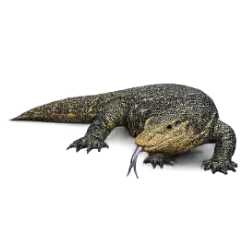
Water MonitorC
Swims the mangrove channels at Wonorejo and Gunung Anyar and basks on the mud at low tide.
Catatan spotting: Regular; look along channel banks from the boat.
Baca panduan spesies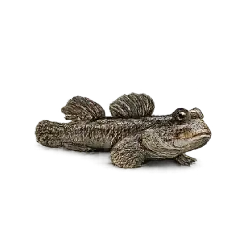
MudskipperE
Skips over the exposed mud under the Wonorejo boardwalk at low tide.
Catatan spotting: Abundant at low tide.
Baca panduan spesies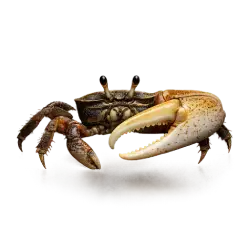
Fiddler CrabE
Thousands of males wave their single big claw on the mudflats beside the mangrove boardwalk.
Catatan spotting: Abundant at low tide.
Baca panduan spesies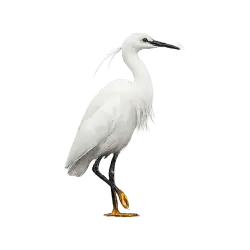
Little EgretD
Feeds in the shallow fish ponds between Wonorejo and the sea and roosts in the mangroves at dusk.
Catatan spotting: Common.
Baca panduan spesies
Javan Pond HeronD
Hunts the pond edges and the last paddies along the eastern ring road.
Catatan spotting: Common in wet ground.
Baca panduan spesies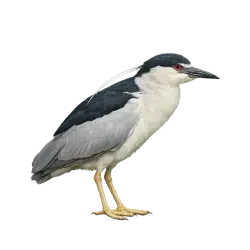
Black-crowned Night HeronD
Roosts in the Wonorejo mangroves by day and flies out over the fish ponds at dusk with a hoarse croak.
Catatan spotting: Regular at dusk.
Baca panduan spesies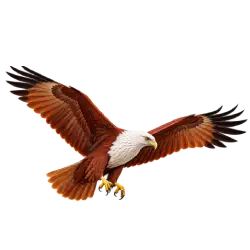
Brahminy KiteD
Quarters the Madura Strait around the Suramadu bridge and the Kenjeran shoreline for dead fish.
Catatan spotting: Common along the coast; a frequent user capture in the province.
Baca panduan spesies
Javan MynaD
Struts through the city's parks and car parks in pairs; a logged capture here.
Catatan spotting: Abundant.
Baca panduan spesies
Eurasian Tree SparrowE
The sparrow of Surabaya's warungs, malls and station roofs.
Catatan spotting: Everywhere.
Baca panduan spesies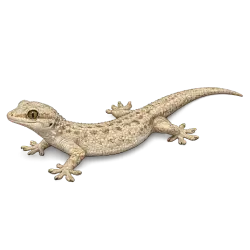
Common House GeckoE
Patrols every lit wall in the city after dark; the most-logged reptile in East Java.
Catatan spotting: Guaranteed indoors.
Baca panduan spesies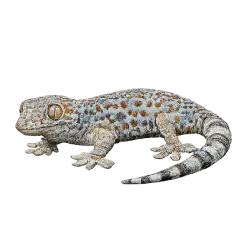
Tokay GeckoD
Barks from older houses in Ampel and Peneleh and from hotel roof voids at night.
Catatan spotting: Heard more than seen.
Baca panduan spesies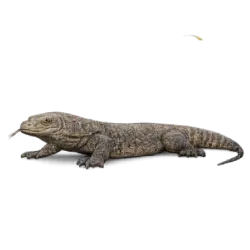
Komodo DragonA
Surabaya Zoo has bred Komodo dragons for decades and keeps one of the largest captive groups in the world.
Catatan spotting: Captive only; guaranteed at the zoo.
Baca panduan spesies
Asian Small-clawed OtterC
Surabaya Zoo's otter enclosure is where this species has been logged in the province.
Catatan spotting: Captive only.
Baca panduan spesiesPaling cocok untuk
Gunakan bagian ini untuk menilai apakah lokasi tersebut cocok dengan gaya perjalanan, level pengalaman, dan target AnimalDex kamu.
- A mangrove boardwalk and boat trip at Wonorejo
- Coastal raptors from the Kenjeran shore
- Everyday city captures: mynas, sparrows, geckos
- Komodo dragons at Surabaya Zoo
Tips spotting
Tips ini dibuat agar halaman ini benar-benar berguna di lapangan, bukan hanya enak dibaca di layar.
- 01Go to Wonorejo on a falling tide in the late afternoon; the mud is exposed for crabs and mudskippers and the herons come in to roost.
- 02Take the boat to the river mouth rather than just walking the boardwalk; the monitors and macaques are along the channels.
- 03Kenjeran beach at dawn has brahminy kites and fishing boats with gulls and terns following them in.
- 04Surabaya Zoo is quietest on weekday mornings; the Komodo dragons are most active once the sun reaches their yards.
Wildlife Guides virtual
Panduan satwa liar ke Surabaya
AnimalDex membuat panduan virtual dari penampakan satwa liar milik para penjelajah sendiri: satwa apa yang mereka temukan, seberapa langka, dan kapan. Panduan adalah saran dari orang yang pernah ke sana, bukan tur. Membelinya membuka catatan penulis untuk setiap satwa, obrolan dengan penulis, dan perkenalan dengan warga lokal yang mereka temui. Penampakan satwa tidak pernah dijamin.
Memeriksa panduan virtual ke Surabaya...
Cara memilih pemandu satwa liar lokal di Surabaya
- Tanyakan apa yang biasanya mereka temukan pada musim kunjunganmu. Pemandu yang baik memberi jawaban jujur, bukan janji pasti melihat satwa tertentu.
- Perhatikan cara mereka memperlakukan satwa: tanpa umpan, tanpa memanggil satwa, tanpa memegang, dan tanpa flash dari jarak dekat demi foto.
- Pastikan titik temu, durasi, ukuran grup, total harga, dan cara pembayaran sebelum hari kegiatan, termasuk izin atau biaya taman yang diperlukan.
Lacak hewan yang kamu temukan di Surabaya
Bangun koleksimu sambil menjelajahi Surabaya, dari spesies yang mudah ditemukan sampai target yang layak direncanakan khusus.
Lokasi terkait
Lanjutkan eksplorasi dengan destinasi yang mirip atau berdekatan dan mendukung gaya discovery AnimalDex yang sama.
Animals in East Java: What You Can Spot, Learn, and Collect
East Java wildlife guide: banteng and green peafowl on Baluran's savanna, nesting turtles at Sukamade, rusa deer under Bromo, kites and civets around Malang.
Baca panduan lokasiAnimals in Malang and Batu: What You Can Spot, Learn, and Collect
Malang and Batu wildlife guide: cassowaries and lories at Batu Secret Zoo, Coban Rondo's macaques, rusa deer and serpent eagles on the Bromo roads, civets.
Baca panduan lokasiAnimals in Java: What You Can Spot, Learn, and Collect
Java wildlife guide: Javan rhinos in Ujung Kulon, silvery gibbons at Gede Pangrango, banteng and green peafowl at Baluran, and the mynas and herons of the cities.
Baca panduan lokasiFAQ lokasi
Jawaban singkat dan langsung untuk pertanyaan yang biasanya ditanyakan traveler sebelum memilih destinasi satwa liar atau hari kebun binatang.
What wildlife is there in Surabaya?
Long-tailed macaques, water monitors, mudskippers, fiddler crabs and roosting herons in the Wonorejo and Gunung Anyar mangroves; brahminy kites and egrets along the Madura Strait; and mynas, sparrows and geckos throughout the city.
What animals can be found in Surabaya?
Everyday captures are Javan mynas, tree sparrows, house geckos, tokay geckos and spiders. The mangroves add macaques, monitors and herons, and Surabaya Zoo adds Komodo dragons, otters and other large animals.
Where are the Wonorejo mangroves and how do I visit?
They are on the east coast of the city near Rungkut, about 30 minutes from the centre. There is a boardwalk and a small jetty with boats to the river mouth; go on a low afternoon tide.
Is Surabaya Zoo worth visiting?
For the Komodo dragons, yes. The zoo has improved under city management since 2013 and the dragon breeding group is one of the oldest anywhere, but it remains a traditional urban zoo.
Bagaimana cara menemukan panduan satwa liar ke Surabaya?
Lihat bagian Wildlife Guides di halaman ini atau jelajahi Wildlife Guides di AnimalDex. Setiap panduan adalah panduan virtual yang dibuat dari penampakan satwa liar milik seorang penjelajah di sekitar Surabaya: satwa yang mereka temukan, seberapa langka, dan kapan. Ini saran dari orang yang pernah ke sana, bukan tur. Jika kamu ingin ditemani seseorang di lokasi, bandingkan pemandu lokal dari pengetahuan satwanya, cara mereka memperlakukan satwa, dan kejelasan harganya sebelum berangkat.