

Animals in Surabaya: What You Can Spot, Learn, and Collect
Surabaya wildlife guide: macaques, monitors and mudskippers in the Wonorejo mangroves, brahminy kites over the Madura Strait, Komodo dragons at the zoo.
Quick answer
Start with the direct answer, then use the sections below to see why the location matters and which animals are actually realistic to spot there.
Surabaya is a port city with a working mangrove belt. The Wonorejo and Gunung Anyar mangroves on the east coast have long-tailed macaques, water monitors, mudskippers, fiddler crabs and roosting herons, and brahminy kites patrol the Madura Strait beside the Suramadu bridge. In the streets, Javan mynas, tree sparrows, house and tokay geckos are the daily captures. Surabaya Zoo, one of the oldest in the country, is known for its Komodo dragon breeding group.
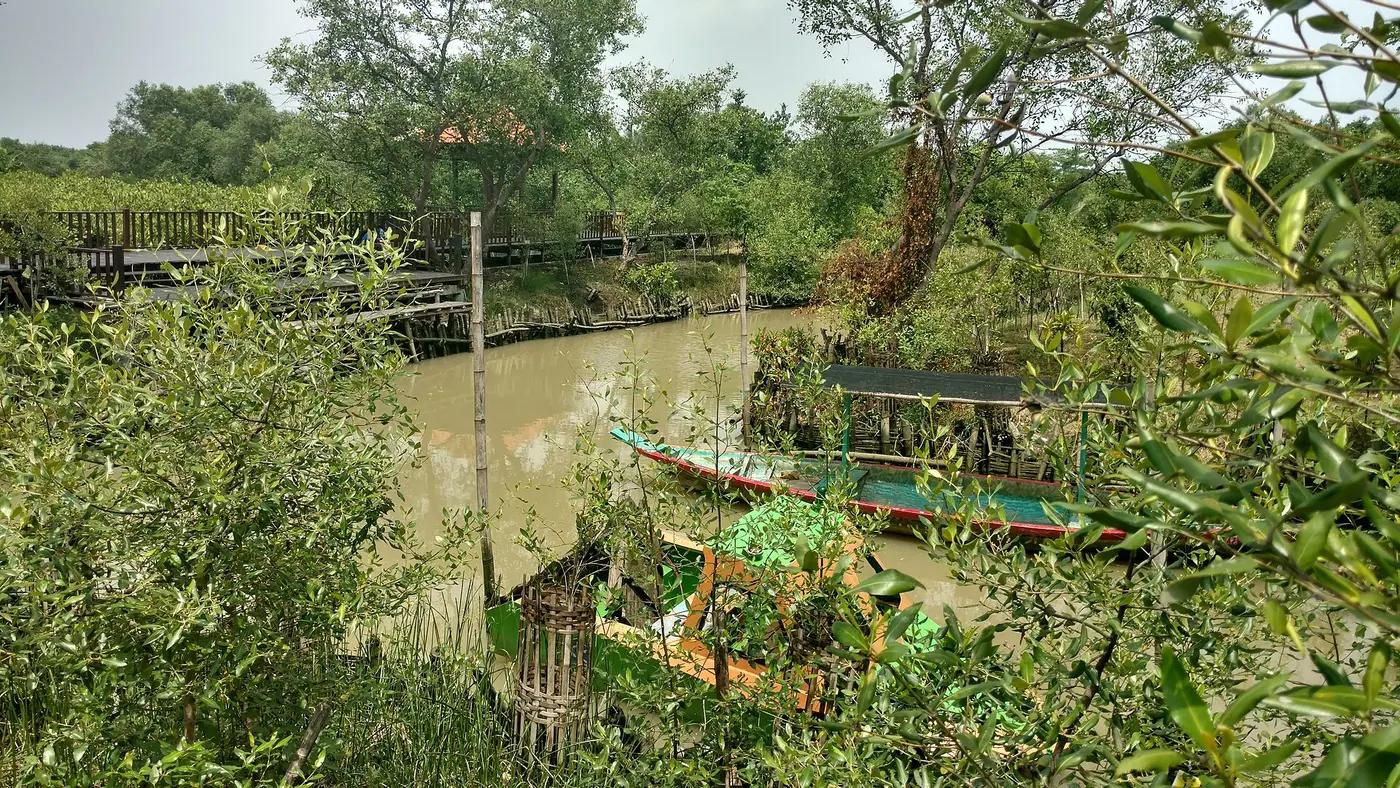
Indonesia's second city is not a wildlife destination, but it has one habitat most big cities have lost: several kilometres of intact mangrove along its eastern shore. A boardwalk and boat trip at Wonorejo puts you among monkeys, monitors and herons within sight of apartment towers.
The rest of Surabaya's wildlife is the honest urban kind, mynas on wires, geckos on walls, spiders in corners, and the city logs those in numbers. This page shows how to turn an afternoon in the mangroves and a zoo visit into a real list.
Why this location matters
Good location pages explain why the place is worth your time, not just which names belong on a destination checklist.
The Wonorejo mangroves are a migratory stopover on the East Asian flyway as well as a nursery for the Madura Strait fishery, and the city has protected them as an ecotourism zone rather than reclaiming them.
Surabaya Zoo has a poor historical reputation but has been reformed under city management, and its Komodo dragon programme is one of the oldest in the world. It is a useful place to see the species outside its islands.
Where to look
Wildlife map of Surabaya
This guide covers the region shown below. Zoom in to get your bearings before planning a trip.
Positions are geocoded from OpenStreetMap. Habitat access and opening times change — check locally before travelling.
Animals to spot
These are intentionally practical species picks, balancing accessibility, excitement, and what travelers can realistically notice in the location.

Long-tailed MacaqueC
A wild troop lives in the Wonorejo mangroves and meets boats at the jetty.
Spotting note: Near-guaranteed on a Wonorejo boat trip.
Read species guide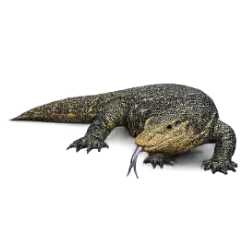
Water MonitorC
Swims the mangrove channels at Wonorejo and Gunung Anyar and basks on the mud at low tide.
Spotting note: Regular; look along channel banks from the boat.
Read species guide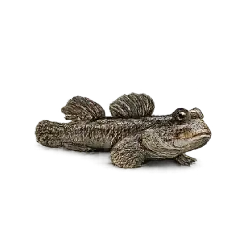
MudskipperE
Skips over the exposed mud under the Wonorejo boardwalk at low tide.
Spotting note: Abundant at low tide.
Read species guide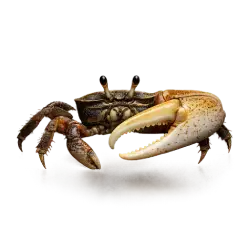
Fiddler CrabE
Thousands of males wave their single big claw on the mudflats beside the mangrove boardwalk.
Spotting note: Abundant at low tide.
Read species guide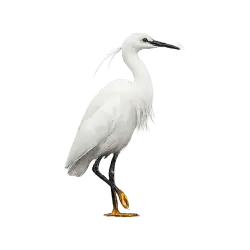
Little EgretD
Feeds in the shallow fish ponds between Wonorejo and the sea and roosts in the mangroves at dusk.
Spotting note: Common.
Read species guide
Javan Pond HeronD
Hunts the pond edges and the last paddies along the eastern ring road.
Spotting note: Common in wet ground.
Read species guide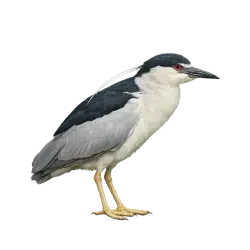
Black-crowned Night HeronD
Roosts in the Wonorejo mangroves by day and flies out over the fish ponds at dusk with a hoarse croak.
Spotting note: Regular at dusk.
Read species guide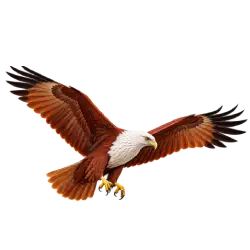
Brahminy KiteD
Quarters the Madura Strait around the Suramadu bridge and the Kenjeran shoreline for dead fish.
Spotting note: Common along the coast; a frequent user capture in the province.
Read species guide
Javan MynaD
Struts through the city's parks and car parks in pairs; a logged capture here.
Spotting note: Abundant.
Read species guide
Eurasian Tree SparrowE
The sparrow of Surabaya's warungs, malls and station roofs.
Spotting note: Everywhere.
Read species guide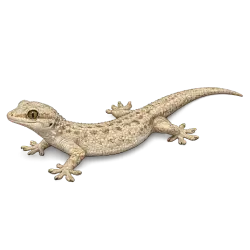
Common House GeckoE
Patrols every lit wall in the city after dark; the most-logged reptile in East Java.
Spotting note: Guaranteed indoors.
Read species guide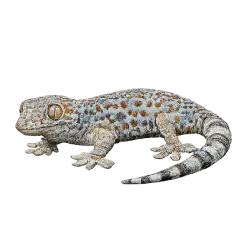
Tokay GeckoD
Barks from older houses in Ampel and Peneleh and from hotel roof voids at night.
Spotting note: Heard more than seen.
Read species guide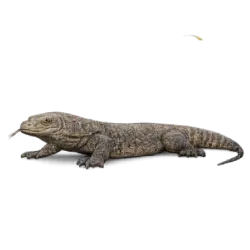
Komodo DragonA
Surabaya Zoo has bred Komodo dragons for decades and keeps one of the largest captive groups in the world.
Spotting note: Captive only; guaranteed at the zoo.
Read species guide
Asian Small-clawed OtterC
Surabaya Zoo's otter enclosure is where this species has been logged in the province.
Spotting note: Captive only.
Read species guideBest for
Use this section to decide whether the location fits your travel style, skill level, and AnimalDex goals.
- A mangrove boardwalk and boat trip at Wonorejo
- Coastal raptors from the Kenjeran shore
- Everyday city captures: mynas, sparrows, geckos
- Komodo dragons at Surabaya Zoo
Spotting tips
These tips are meant to make the page useful in the field, not just readable on the page.
- 01Go to Wonorejo on a falling tide in the late afternoon; the mud is exposed for crabs and mudskippers and the herons come in to roost.
- 02Take the boat to the river mouth rather than just walking the boardwalk; the monitors and macaques are along the channels.
- 03Kenjeran beach at dawn has brahminy kites and fishing boats with gulls and terns following them in.
- 04Surabaya Zoo is quietest on weekday mornings; the Komodo dragons are most active once the sun reaches their yards.
Virtual Wildlife Guides
Wildlife guides to Surabaya
AnimalDex builds virtual guides from explorers' own wild sightings: which animals they found, how rare they are, and when. A guide is advice from someone who has been there, not a tour. Buying one unlocks the author's notes for every animal, a chat with the author, and introductions to local people they met. Wildlife is never guaranteed.
Checking for virtual guides to Surabaya...
How to choose a local wildlife guide in Surabaya
- Ask what they usually find in the season you are visiting. A good guide gives an honest answer, not a promised sighting.
- Check how they treat animals: no baiting, calling in, handling, or close flash photography for a better shot.
- Confirm the meeting area, duration, group size, total price, and how you pay before the day, plus any permits or park fees the place requires.
Track the animals you find in Surabaya
Build your collection while you travel through Surabaya, from easy wins to the species worth planning around.
Related locations
Keep exploring with nearby or similar destinations that support the same kind of AnimalDex discovery.
Animals in East Java: What You Can Spot, Learn, and Collect
East Java wildlife guide: banteng and green peafowl on Baluran's savanna, nesting turtles at Sukamade, rusa deer under Bromo, kites and civets around Malang.
Read location guideAnimals in Malang and Batu: What You Can Spot, Learn, and Collect
Malang and Batu wildlife guide: cassowaries and lories at Batu Secret Zoo, Coban Rondo's macaques, rusa deer and serpent eagles on the Bromo roads, civets.
Read location guideAnimals in Java: What You Can Spot, Learn, and Collect
Java wildlife guide: Javan rhinos in Ujung Kulon, silvery gibbons at Gede Pangrango, banteng and green peafowl at Baluran, and the mynas and herons of the cities.
Read location guideLocation FAQ
Short direct answers to the questions travelers usually ask before choosing a wildlife destination or zoo day.
What wildlife is there in Surabaya?
Long-tailed macaques, water monitors, mudskippers, fiddler crabs and roosting herons in the Wonorejo and Gunung Anyar mangroves; brahminy kites and egrets along the Madura Strait; and mynas, sparrows and geckos throughout the city.
What animals can be found in Surabaya?
Everyday captures are Javan mynas, tree sparrows, house geckos, tokay geckos and spiders. The mangroves add macaques, monitors and herons, and Surabaya Zoo adds Komodo dragons, otters and other large animals.
Where are the Wonorejo mangroves and how do I visit?
They are on the east coast of the city near Rungkut, about 30 minutes from the centre. There is a boardwalk and a small jetty with boats to the river mouth; go on a low afternoon tide.
Is Surabaya Zoo worth visiting?
For the Komodo dragons, yes. The zoo has improved under city management since 2013 and the dragon breeding group is one of the oldest anywhere, but it remains a traditional urban zoo.
How do I find a wildlife guide to Surabaya?
Check the Wildlife Guides section on this page or browse Wildlife Guides on AnimalDex. Each one is a virtual guide built from an explorer's own wild sightings around Surabaya: the animals they found, how rare they are, and when. It is advice from someone who has been there, not a tour. If you want someone with you on the day, compare local guides on wildlife knowledge, how they treat animals, and clear pricing before you go.