

Animals in Ukraine: What You Can Spot, Learn, and Collect
Ukraine's wildlife: saiga and demoiselle cranes on the Askania-Nova steppe, pelicans in the Danube Biosphere Reserve, Carpathian bears and lynx, and Black Sea porpoises.
Jawaban cepat
Mulai dari jawaban langsung, lalu gunakan bagian di bawah untuk melihat kenapa lokasi ini penting dan hewan mana yang benar-benar realistis untuk di-spot di sana.
Ukraine spans three very different wildlife regions. The Carpathians in the west hold brown bears, lynx, wolves and wildcats in old beech forest; the southern steppe at Askania-Nova is the last virgin feather-grass steppe in Europe, with saiga herds and nesting demoiselle cranes; and the Black Sea coast has the Danube Biosphere Reserve with pelicans and spoonbills, harbour porpoises offshore and red-breasted geese wintering on the lagoons.
Ukraine is the largest country entirely in Europe, and its wildlife ranges from alpine to semi-desert. The Carpathian Biosphere Reserve in Zakarpattia protects the biggest primeval beech forests on the continent, where bears, lynx and wolves live alongside fire salamanders and wildcats. The Danube Delta's Ukrainian third, around the town of Vylkove, has pelican colonies, spoonbills, glossy ibis and golden jackals in reed islands that belong to the same ecosystem as the Romanian delta.
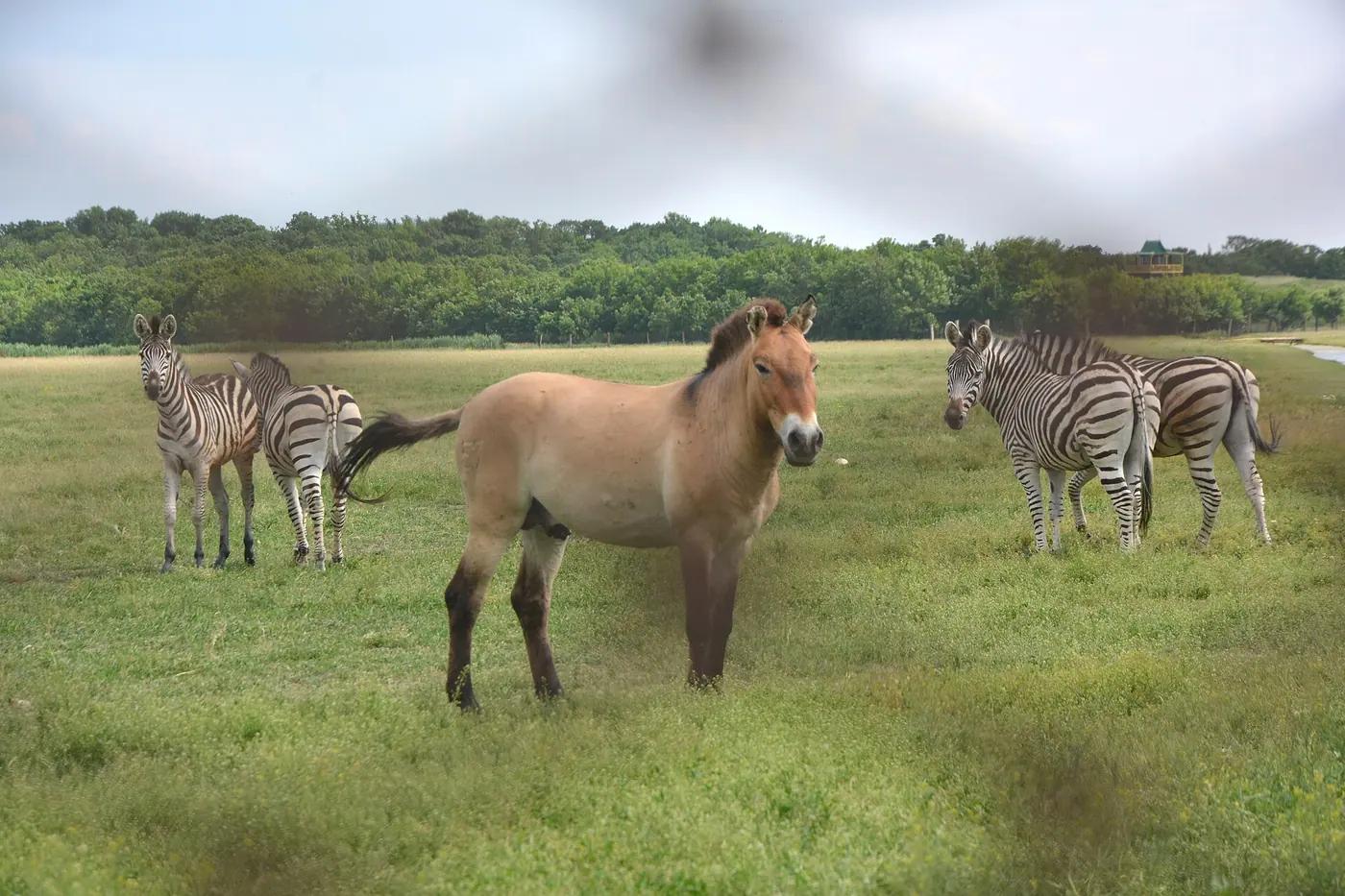
The south is steppe. Askania-Nova in Kherson region was fenced off in the 1880s and never ploughed, and its 33,000 hectares of feather grass carry semi-wild herds of saiga, Przewalski's horses, bison and deer alongside wild steppe birds like demoiselle cranes and rollers. Since 2022 the reserve has been under Russian occupation and cannot be visited; the Carpathians and western Ukraine remain the realistic wildlife destinations while the war continues, subject to travel advice.
Mulai dari hewan ini
Kenapa lokasi ini penting
Halaman lokasi yang baik menjelaskan kenapa tempat ini layak dikunjungi, bukan hanya nama-nama yang cocok dimasukkan ke checklist destinasi.
Ukraine holds the last large remnant of the European steppe and the largest beech primeval forests in Europe, two habitats that have almost vanished elsewhere. The fate of Askania-Nova's herds under occupation has become a symbol of what war does to conservation.
The Carpathians are also one of the continent's core areas for large carnivores, connected to Romania, Slovakia and Poland, and the Ukrainian section of the Danube Delta completes Europe's most important wetland.
Tempat mencari
Peta satwa liar Ukraine
Panduan ini mencakup wilayah di bawah ini. Perbesar peta untuk mengenali areanya sebelum merencanakan perjalanan.
Posisi diambil dari OpenStreetMap. Akses habitat dan jam buka bisa berubah — periksa dulu sebelum berangkat.
Hewan untuk di-spot
Pilihan spesies di sini sengaja dibuat praktis, menyeimbangkan aksesibilitas, excitement, dan apa yang realistis untuk diperhatikan traveler di lokasi tersebut.
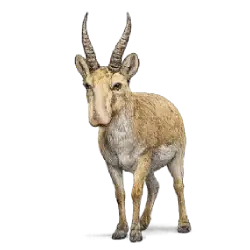
Saiga AntelopeB
Askania-Nova has kept semi-wild saiga herds on its fenced virgin steppe for over a century, the only place in Europe where the species can be seen in its natural grassland.
Catatan spotting: Formerly reliable in the reserve; the site is currently inaccessible under occupation.
Baca panduan spesies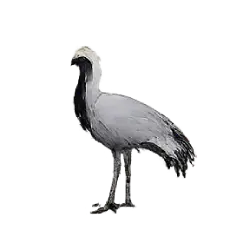
Demoiselle CraneC
Demoiselle cranes nest wild on the Askania-Nova steppe and the dry grasslands of Kherson and Zaporizhzhia, the western edge of their Eurasian range.
Catatan spotting: Regular on the southern steppe from April to August when access is possible; rare elsewhere.
Baca panduan spesies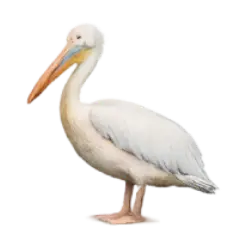
Great White PelicanC
The Danube Biosphere Reserve around Vylkove hosts thousands of great white pelicans and a Dalmatian pelican colony on its reed islands and the Sasyk and Kuhurlui lakes.
Catatan spotting: Easy on a Vylkove boat trip from April to September in peacetime; check access.
Baca panduan spesies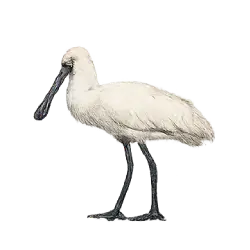
Eurasian SpoonbillC
Spoonbills breed in the mixed heron colonies of the Ukrainian Danube delta and the Dniester estuary, and feed on the shallow lagoons of the Black Sea coast.
Catatan spotting: Regular in the Danube and Dniester wetlands from April to August.
Baca panduan spesies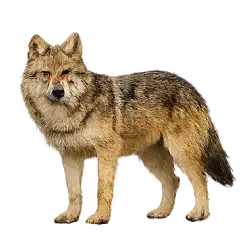
Golden JackalC
Jackals spread into Ukraine from the Danube delta in the 2000s and now call from the reed beds around Vylkove and across the Odesa and Kherson lowlands.
Catatan spotting: Commonly heard at dusk in the Danube delta; seen on roads at night.
Baca panduan spesies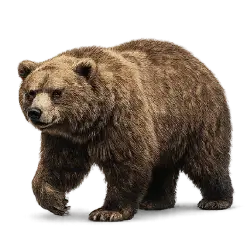
Brown BearA
A few hundred bears live in the Ukrainian Carpathians, strongest in the Carpathian Biosphere Reserve, Synevyr and the Gorgany, and the Synevyr bear rehabilitation centre keeps rescued animals.
Catatan spotting: Rare in the wild; guaranteed at the Synevyr centre, occasional on high Chornohora trails.
Baca panduan spesies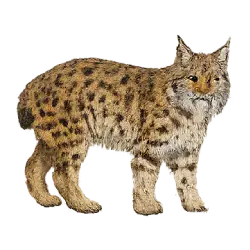
Eurasian LynxB
Several hundred lynx hunt the Carpathian beech and spruce forests of Zakarpattia and Ivano-Frankivsk, connected to the Romanian and Slovak populations.
Catatan spotting: Very rare to see; winter tracks in the Carpathian reserves.
Baca panduan spesies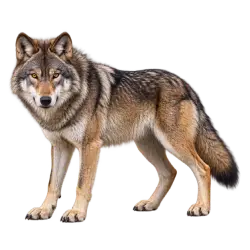
Eurasian WolfA
Wolves are widespread across the Carpathians and the Polesie forests of the north, following red deer and boar through the mountains in winter.
Catatan spotting: Rarely seen; tracks and howling in the Carpathians in winter.
Baca panduan spesies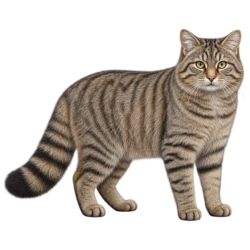
European WildcatC
Wildcats live in the oak and beech forests of the Carpathian foothills and the Danube floodplain forests, hunting meadow edges at dusk.
Catatan spotting: Rare and secretive; a dusk watch on a Zakarpattia forest edge.
Baca panduan spesies
Fire SalamanderE
Fire salamanders are abundant in the wet Carpathian beech forests and appear on the trails of the Carpathian Biosphere Reserve and around Yaremche after rain.
Catatan spotting: Common on damp spring and autumn days in beech forest.
Baca panduan spesies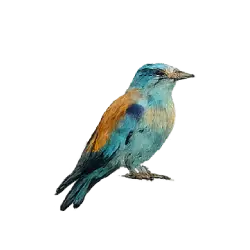
European RollerD
Rollers nest in the steppe shelterbelts and old trees of Kherson, Mykolaiv and Odesa regions, hunting beetles from roadside wires in summer.
Catatan spotting: Regular in the south from May to August where access allows; declining.
Baca panduan spesies
Red-breasted GooseC
Red-breasted geese winter on the Black Sea lagoons and fields of Odesa and Kherson regions, part of the same flocks that use Romania and Bulgaria.
Catatan spotting: Regular in cold winters on the Tuzly lagoons and Sivash; access currently limited.
Baca panduan spesies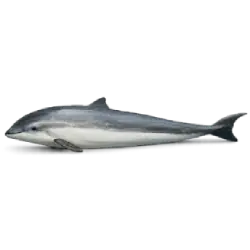
Harbor PorpoiseB
The Black Sea has its own porpoise subspecies, and they surface along the Odesa coast and in the Dniester and Danube river mouths in summer.
Catatan spotting: Fairly common off Odesa on calm summer days; sea access is restricted during the war.
Baca panduan spesies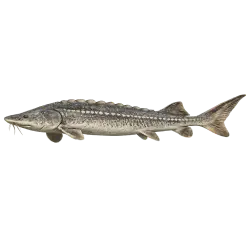
Beluga SturgeonA
Beluga still enter the Ukrainian Danube and historically ran the Dnipro to Zaporizhzhia; the Danube Biosphere Reserve and the Odesa hatcheries work on their recovery.
Catatan spotting: Not realistically seen in the wild; hatchery releases at Vylkove are the exception.
Baca panduan spesiesPaling cocok untuk
Gunakan bagian ini untuk menilai apakah lokasi tersebut cocok dengan gaya perjalanan, level pengalaman, dan target AnimalDex kamu.
- Bears, lynx and primeval beech forest in the Carpathian Biosphere Reserve
- Pelicans and spoonbills by boat from Vylkove in the Danube Biosphere Reserve
- The virgin steppe of Askania-Nova with saiga and demoiselle cranes, when access returns
- Fire salamanders, wildcats and rollers in the Carpathian foothills and southern shelterbelts
Tips spotting
Tips ini dibuat agar halaman ini benar-benar berguna di lapangan, bukan hanya enak dibaca di layar.
- 01Western Ukraine's Carpathians are the realistic destination while the war continues; base in Rakhiv or Yaremche, hire a reserve guide and walk the beech forest trails after rain for salamanders and at dawn for deer and the chance of a bear.
- 02The Synevyr bear rehabilitation centre near Mizhhiria shows rescued Carpathian bears in large forest enclosures and is open to visitors.
- 03Danube delta trips from Vylkove run in peacetime from April to September; small boats into the side channels at dawn find pelicans and spoonbills feeding.
- 04Check your government's travel advice before any trip; much of the south and east, including Askania-Nova and the Black Sea coast, is inaccessible or unsafe.
Wildlife Guides virtual
Panduan satwa liar ke Ukraine
AnimalDex membuat panduan virtual dari penampakan satwa liar milik para penjelajah sendiri: satwa apa yang mereka temukan, seberapa langka, dan kapan. Panduan adalah saran dari orang yang pernah ke sana, bukan tur. Membelinya membuka catatan penulis untuk setiap satwa, obrolan dengan penulis, dan perkenalan dengan warga lokal yang mereka temui. Penampakan satwa tidak pernah dijamin.
Memeriksa panduan virtual ke Ukraine...
Cara memilih pemandu satwa liar lokal di Ukraine
- Tanyakan apa yang biasanya mereka temukan pada musim kunjunganmu. Pemandu yang baik memberi jawaban jujur, bukan janji pasti melihat satwa tertentu.
- Perhatikan cara mereka memperlakukan satwa: tanpa umpan, tanpa memanggil satwa, tanpa memegang, dan tanpa flash dari jarak dekat demi foto.
- Pastikan titik temu, durasi, ukuran grup, total harga, dan cara pembayaran sebelum hari kegiatan, termasuk izin atau biaya taman yang diperlukan.
Lacak hewan yang kamu temukan di Ukraine
Bangun koleksimu sambil menjelajahi Ukraine, dari spesies yang mudah ditemukan sampai target yang layak direncanakan khusus.
Tier list terkait
Tier list ini memberi konteks yang lebih luas untuk spesies yang membuat lokasi ini menarik.
Rarest Animals in the World
A structured ranking of the rarest animals in the world, blending scarcity, vulnerability, and conservation pressure to answer the overlap between rarest and most endangered wildlife.
Baca tier list100 Fastest Animals in the World
Ranked list of the fastest animals in the world, with land, flying, and marine speed kept separate so a diving falcon is not treated as the same kind of fast as a cheetah.
Baca tier listLokasi terkait
Lanjutkan eksplorasi dengan destinasi yang mirip atau berdekatan dan mendukung gaya discovery AnimalDex yang sama.
Animals in Romania: What You Can Spot, Learn, and Collect
Romania's wildlife: Europe's largest pelican colony in the Danube Delta, thousands of Carpathian bears, wolves, lynx and chamois, and Dobrogea's tortoises and jackals.
Baca panduan lokasiAnimals in Poland: What You Can Spot, Learn, and Collect
Poland's wildlife from Białowieża bison and Biebrza moose to Tatra chamois, Baltic grey seals at Hel and the white storks that nest on half the country's barns.
Baca panduan lokasiAnimals in Belarus: What You Can Spot, Learn, and Collect
Belarus wildlife: European bison and wolves in Belovezhskaya Pushcha, bitterns on the flooded Pripyat marshes, great grey owls on the bogs and storks in every village.
Baca panduan lokasiFAQ lokasi
Jawaban singkat dan langsung untuk pertanyaan yang biasanya ditanyakan traveler sebelum memilih destinasi satwa liar atau hari kebun binatang.
What wildlife is there in Ukraine?
Ukraine has brown bears, lynx, wolves and wildcats in the Carpathians, saiga and demoiselle cranes on the Askania-Nova steppe, pelicans, spoonbills and jackals in the Danube Biosphere Reserve, harbour porpoises and dolphins in the Black Sea and red-breasted geese on the southern lagoons in winter.
What animals can be found in Ukraine?
Bears and fire salamanders in the Carpathian beech forests, pelicans at Vylkove in the Danube delta, saiga and Przewalski's horses at Askania-Nova, rollers and cranes on the southern steppe, and porpoises off Odesa. Red deer, boar and wolves live across the country's forests.
Can you visit Askania-Nova?
Not at present. The reserve in Kherson region has been under Russian occupation since 2022 and reports describe losses among its animals. Before the war it was open to visitors from spring to autumn with guided safaris across the steppe.
Is it safe to see wildlife in Ukraine now?
Only in the far west, and only with current government travel advice taken into account. The Carpathian reserves in Zakarpattia and Ivano-Frankivsk regions have remained open, but the south, east and Black Sea coast are inaccessible or dangerous.
Bagaimana cara menemukan panduan satwa liar ke Ukraine?
Lihat bagian Wildlife Guides di halaman ini atau jelajahi Wildlife Guides di AnimalDex. Setiap panduan adalah panduan virtual yang dibuat dari penampakan satwa liar milik seorang penjelajah di sekitar Ukraine: satwa yang mereka temukan, seberapa langka, dan kapan. Ini saran dari orang yang pernah ke sana, bukan tur. Jika kamu ingin ditemani seseorang di lokasi, bandingkan pemandu lokal dari pengetahuan satwanya, cara mereka memperlakukan satwa, dan kejelasan harganya sebelum berangkat.