

Animals in Romania: What You Can Spot, Learn, and Collect
Romania's wildlife: Europe's largest pelican colony in the Danube Delta, thousands of Carpathian bears, wolves, lynx and chamois, and Dobrogea's tortoises and jackals.
Jawaban cepat
Mulai dari jawaban langsung, lalu gunakan bagian di bawah untuk melihat kenapa lokasi ini penting dan hewan mana yang benar-benar realistis untuk di-spot di sana.
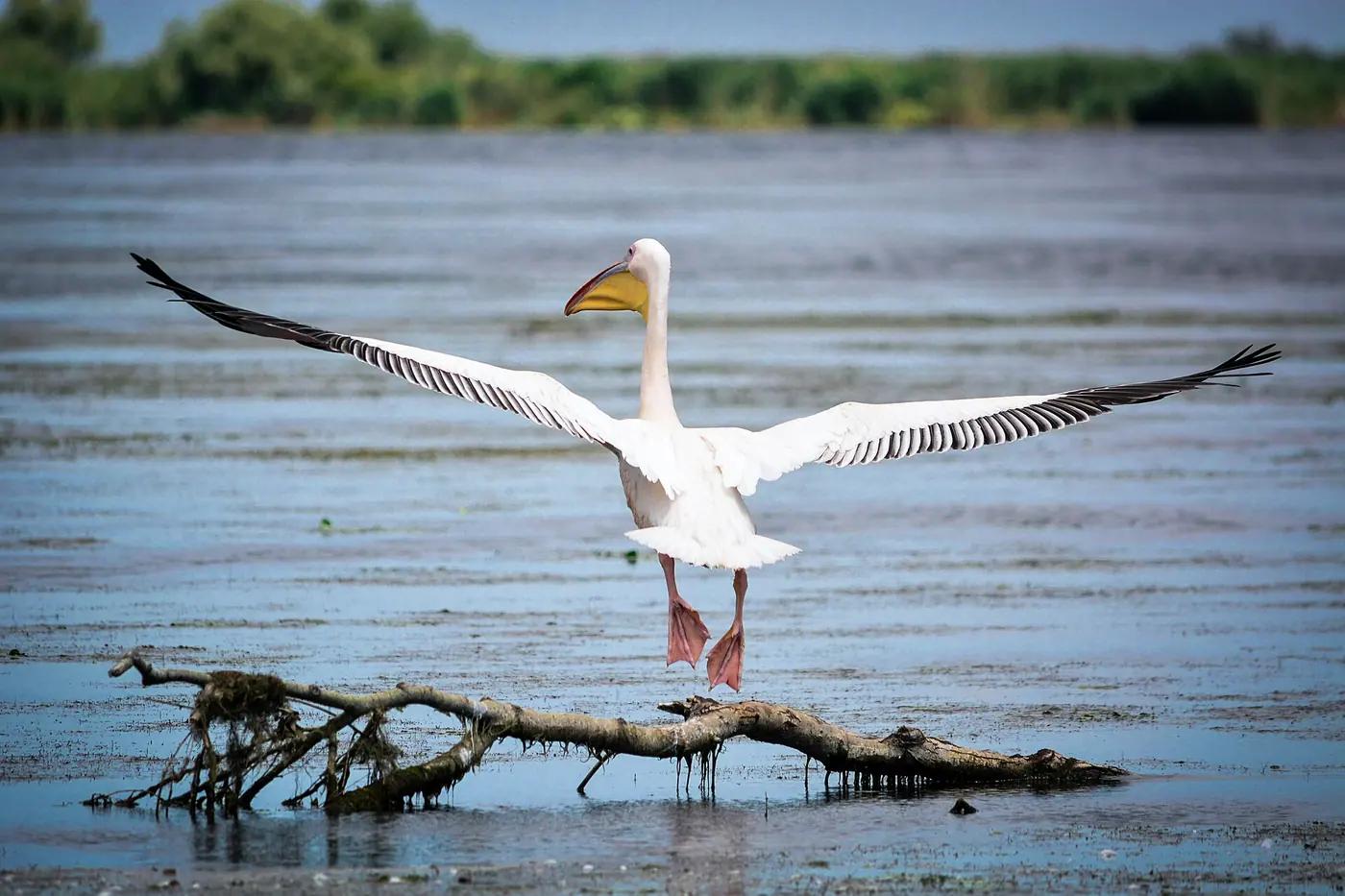
Romania has the largest brown bear population in the European Union, several thousand animals in the Carpathians, alongside wolves, lynx, wildcats and chamois. The Danube Delta holds Europe's biggest colony of great white pelicans and a large share of its Dalmatian pelicans, and the dry hills of Dobrogea between the Danube and the Black Sea have tortoises, rollers and golden jackals.
Romania is the wildest large country in the European Union. The Carpathian arc wraps around Transylvania with unbroken beech and spruce forest, and the bears, wolves and lynx that live there are the continent's largest populations outside Russia. Bear-watching hides in Harghita and Covasna counties and the Libearty sanctuary at Zărnești make the species easy to see.
The Danube finishes its journey here in a 2,500 square kilometre delta of reed, willow and channels. Pelicans, herons, spoonbills and glossy ibis breed in tens of thousands, and the lower Danube floodplain upstream, around Călărași where Romanian AnimalDex captures have been made, has fishponds and lakes that pelicans visit on feeding flights from the delta.
Mulai dari hewan ini
Kenapa lokasi ini penting
Halaman lokasi yang baik menjelaskan kenapa tempat ini layak dikunjungi, bukan hanya nama-nama yang cocok dimasukkan ke checklist destinasi.
Romania's Carpathians are the reason Europe still has large carnivores to reintroduce elsewhere. Around 8,000 bears, more than 2,500 wolves and over a thousand lynx live in a landscape of shepherds, villages and old forest that has somehow kept them all.
The Danube Delta is a UNESCO biosphere reserve and the largest wetland in Europe. For a wildlife traveller it offers something rare on this continent: days on the water with pelicans overhead and no roads in sight.
Tempat mencari
Peta satwa liar Romania
Panduan ini mencakup wilayah di bawah ini. Perbesar peta untuk mengenali areanya sebelum merencanakan perjalanan.
Posisi diambil dari OpenStreetMap. Akses habitat dan jam buka bisa berubah — periksa dulu sebelum berangkat. Pin yang lebih kecil adalah capture publik AnimalDex, ditempatkan sampai kilometer terdekat.
Bukti lapangan
Ditemukan di Romania oleh pengguna AnimalDex
Capture nyata yang dicatat di aplikasi AnimalDex di dalam area ini dan dibagikan secara publik oleh kolektornya, dengan hewan yang dikonfirmasi oleh identifikasi aplikasi. Lokasi ditampilkan sampai tingkat wilayah, bukan titik persisnya.
- 3
- capture publik
- 3
- spesies tercatat
- 2
- kolektor
- 3
- penampakan liar
Capture terbaru dari lapangan
Spesies yang benar-benar dicatat orang di sini
Setiap nama menuju panduan spesiesnya. Angkanya adalah jumlah capture publik hewan itu di dalam area ini.
Kolektor memilih membagikan capture ini di Discover dan bisa menariknya kapan saja. Koordinat dibulatkan sekitar satu kilometer dan diperbarui setiap build situs.
Hewan untuk di-spot
Pilihan spesies di sini sengaja dibuat praktis, menyeimbangkan aksesibilitas, excitement, dan apa yang realistis untuk diperhatikan traveler di lokasi tersebut.
Great White PelicanC
The Danube Delta hosts around 20,000 great white pelicans, Europe's largest colony, and feeding flocks cross the lower Danube to lakes like Iezer-Călărași and the Ciocănești fishponds.
Catatan spotting: Guaranteed on a delta boat trip from Tulcea or Murighiol between April and September.
Baca panduan spesies
Brown BearA
Romania's Carpathians hold the EU's largest bear population, and hides near Băile Tușnad, Zărnești and in Covasna county show them most evenings from spring to autumn.
Catatan spotting: Very likely from a hide between May and October; also seen on the Transfăgărășan road.
Baca panduan spesies
Eurasian WolfA
More than 2,500 wolves range across the Carpathians, with the Piatra Craiului and Făgăraș mountains well known for packs that follow the sheep flocks in summer.
Catatan spotting: Rarely seen; winter tracking with a guide in Piatra Craiului is the best bet.
Baca panduan spesies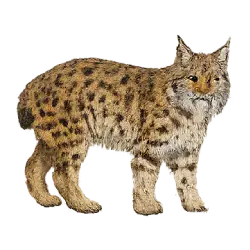
Eurasian LynxB
The Carpathians hold over a thousand lynx, the largest population west of Russia, hunting roe deer in the mixed forests of Harghita, Maramureș and the Apuseni.
Catatan spotting: Very rare. Camera traps and snow tracks are the usual evidence.
Baca panduan spesies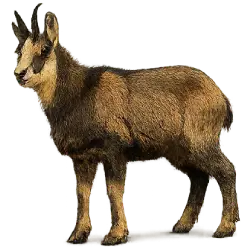
ChamoisC
Chamois graze the limestone ridges of Piatra Craiului and the alpine meadows of Retezat, Bucegi and Făgăraș, often within sight of the Transfăgărășan high road.
Catatan spotting: Regular above the treeline in summer; scan the cliffs early in the morning.
Baca panduan spesies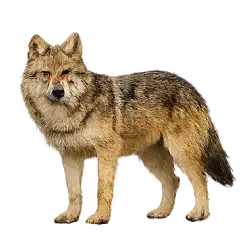
Golden JackalC
Dobrogea, the dry region between the Danube and the Black Sea, has one of Europe's densest jackal populations, calling from the Măcin hills and the delta edge at dusk.
Catatan spotting: Commonly heard at dusk in Dobrogea; seen crossing roads at night.
Baca panduan spesies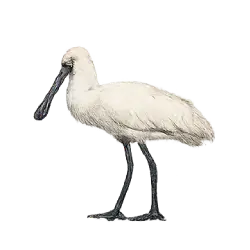
Eurasian SpoonbillC
Spoonbills breed in mixed heron colonies deep in the Danube Delta and feed in lines along the shallow lakes around Sfântu Gheorghe and Letea.
Catatan spotting: Regular on delta boat trips from May to August.
Baca panduan spesies
Red-breasted GooseC
Most of the world's red-breasted geese winter on the Razim-Sinoe lagoons, Lake Techirghiol and the Dobrogea fields, with tens of thousands in cold winters.
Catatan spotting: Reliable from December to February on the coast south of the delta.
Baca panduan spesies
Hermann's TortoiseE
Eastern Hermann's tortoises live in the Măcin and Babadag hills of Dobrogea and in the oak woods of the Iron Gates gorge in the south-west.
Catatan spotting: Fairly common in Dobrogea in April and May; they hide in summer heat.
Baca panduan spesies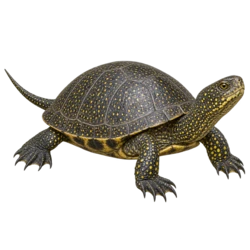
European Pond TerrapinE
The Danube's backwaters, the Călărași lakes and the delta channels have terrapins basking on every half-sunk log from April to October.
Catatan spotting: Common in slow water; they slip off the log when a boat gets close.
Baca panduan spesies
Fire SalamanderE
Fire salamanders are abundant in the wet beech forests of the Carpathians and appear on trails around Sinaia, Zărnești and the Apuseni after rain.
Catatan spotting: Common on damp spring and autumn days; look on the path after a shower.
Baca panduan spesies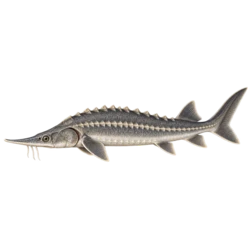
Sterlet SturgeonD
The sterlet is the smallest Danube sturgeon and the one still regularly recorded in the lower river between Călărași and the delta, where sturgeon fishing has been banned since 2006.
Catatan spotting: Rarely seen alive by visitors; the Tulcea museum aquarium and conservation releases are the realistic view.
Baca panduan spesies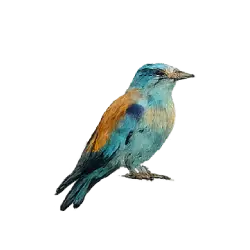
European RollerD
Rollers nest in roadside trees and nest boxes across Dobrogea and the southern plain, flashing turquoise over the fields between Călărași and Constanța.
Catatan spotting: Regular in the south-east from May to August.
Baca panduan spesies
Eurasian MagpieD
The magpie is in the Romanian capture record already and is the loud, obvious bird of every village, orchard and roadside poplar line in the country.
Catatan spotting: Abundant everywhere, all year.
Baca panduan spesiesPaling cocok untuk
Gunakan bagian ini untuk menilai apakah lokasi tersebut cocok dengan gaya perjalanan, level pengalaman, dan target AnimalDex kamu.
- Pelicans, herons and spoonbills by boat in the Danube Delta
- Brown bears from hides in Harghita and Covasna counties
- Chamois and alpine hiking in Piatra Craiului and the Făgăraș mountains
- Tortoises, rollers and jackals in the dry Dobrogea hills
Tips spotting
Tips ini dibuat agar halaman ini benar-benar berguna di lapangan, bukan hanya enak dibaca di layar.
- 01For the delta base yourself in Murighiol or Crișan rather than Tulcea and take small boats into the side channels at dawn; the big tourist boats stay on the main arms where birds are fewer.
- 02Bear hides work best from late May to September; book through a licensed operator, arrive before 5 pm and expect to stay until dark.
- 03Drive the Transfăgărășan early in the morning in July or August and stop at the hairpins above Bâlea Lac to scan the cliffs for chamois.
- 04In Dobrogea walk the Măcin Mountains National Park trails in April or May for tortoises and rollers, then wait at the park edge at dusk for jackals to start calling.
Wildlife Guides virtual
Panduan satwa liar ke Romania
AnimalDex membuat panduan virtual dari penampakan satwa liar milik para penjelajah sendiri: satwa apa yang mereka temukan, seberapa langka, dan kapan. Panduan adalah saran dari orang yang pernah ke sana, bukan tur. Membelinya membuka catatan penulis untuk setiap satwa, obrolan dengan penulis, dan perkenalan dengan warga lokal yang mereka temui. Penampakan satwa tidak pernah dijamin.
Memeriksa panduan virtual ke Romania...
Cara memilih pemandu satwa liar lokal di Romania
- Tanyakan apa yang biasanya mereka temukan pada musim kunjunganmu. Pemandu yang baik memberi jawaban jujur, bukan janji pasti melihat satwa tertentu.
- Perhatikan cara mereka memperlakukan satwa: tanpa umpan, tanpa memanggil satwa, tanpa memegang, dan tanpa flash dari jarak dekat demi foto.
- Pastikan titik temu, durasi, ukuran grup, total harga, dan cara pembayaran sebelum hari kegiatan, termasuk izin atau biaya taman yang diperlukan.
Lacak hewan yang kamu temukan di Romania
Bangun koleksimu sambil menjelajahi Romania, dari spesies yang mudah ditemukan sampai target yang layak direncanakan khusus.
Tier list terkait
Tier list ini memberi konteks yang lebih luas untuk spesies yang membuat lokasi ini menarik.
Biggest Animals in the World
A structured ranking of the biggest animals in the world, using the AnimalDex size stat to compare body scale across sea, land, and air.
Baca tier listBest Hunters in the Animal World
A structured ranking of the best hunters in the animal world, balancing success rate, kill efficiency, tracking ability, coordination, and finishing power.
Baca tier listLokasi terkait
Lanjutkan eksplorasi dengan destinasi yang mirip atau berdekatan dan mendukung gaya discovery AnimalDex yang sama.
Animals in Bulgaria: What You Can Spot, Learn, and Collect
Bulgaria's wildlife: bears and chamois in Rila and Pirin, the Via Pontica stork migration, pelicans at Srebarna, red-breasted geese at Durankulak and dense jackals.
Baca panduan lokasiAnimals in Hungary: What You Can Spot, Learn, and Collect
Hungary's wildlife guide: autumn crane roosts on the Hortobágy puszta, spoonbills and wels catfish at Lake Balaton, red deer in Gemenc and golden jackals in the south.
Baca panduan lokasiAnimals in Ukraine: What You Can Spot, Learn, and Collect
Ukraine's wildlife: saiga and demoiselle cranes on the Askania-Nova steppe, pelicans in the Danube Biosphere Reserve, Carpathian bears and lynx, and Black Sea porpoises.
Baca panduan lokasiFAQ lokasi
Jawaban singkat dan langsung untuk pertanyaan yang biasanya ditanyakan traveler sebelum memilih destinasi satwa liar atau hari kebun binatang.
What wildlife is there in Romania?
Romania has Europe's largest populations of brown bears, wolves and lynx outside Russia, plus chamois, wildcats and red deer in the Carpathians. The Danube Delta holds huge colonies of pelicans, herons, spoonbills and ibis, and Dobrogea has tortoises, rollers and golden jackals.
What animals can be found in Romania?
Bears, wolves, lynx and chamois in the mountains; great white and Dalmatian pelicans, spoonbills and pond terrapins in the Danube Delta; red-breasted geese on the Black Sea coast in winter; and jackals, Hermann's tortoises and rollers in Dobrogea.
Is it safe to see bears in Romania?
From a hide with a licensed guide, yes, and that is how most visitors do it. On hiking trails carry food sealed, make noise on blind corners and never feed roadside bears on the Transfăgărășan, which is where almost all problem encounters happen.
When is the best time to visit the Danube Delta?
May and June for breeding pelicans, herons and spoonbills with the willows in leaf and mosquitoes still tolerable. September is quieter with large pelican flocks gathering before migration.
Apakah pengguna AnimalDex pernah menemukan hewan di Romania?
Ya. Pengguna AnimalDex telah mencatat 3 capture publik dari 3 spesies berbeda di Romania, termasuk domestic pigeon, eurasian magpie, shield & stink bug. Semuanya difoto di aplikasi pada saat penampakan.
Bagaimana cara menemukan panduan satwa liar ke Romania?
Lihat bagian Wildlife Guides di halaman ini atau jelajahi Wildlife Guides di AnimalDex. Setiap panduan adalah panduan virtual yang dibuat dari penampakan satwa liar milik seorang penjelajah di sekitar Romania: satwa yang mereka temukan, seberapa langka, dan kapan. Ini saran dari orang yang pernah ke sana, bukan tur. Jika kamu ingin ditemani seseorang di lokasi, bandingkan pemandu lokal dari pengetahuan satwanya, cara mereka memperlakukan satwa, dan kejelasan harganya sebelum berangkat.