How can you identify birds from a photo or sighting?
Bird identification is strongest when a quick photo scan is checked against shape, plumage, behavior, and habitat.
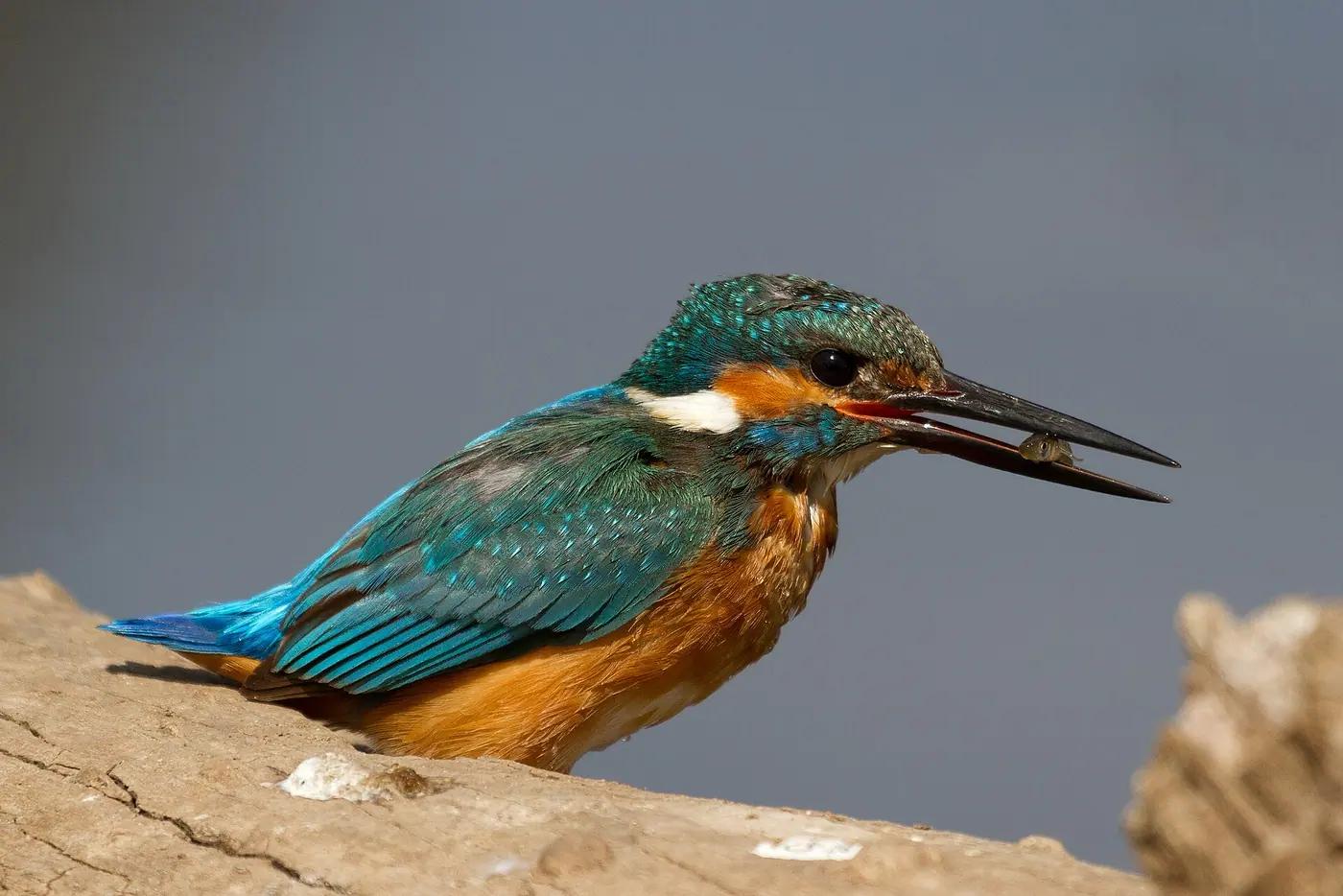
Photo: Вых Пыхманн, CC BY-SA 3.0, via Wikimedia Commons.
Guide preview
AnimalDex can help users identify birds by starting with an AI-assisted scan and then using field-guide style clues to verify the result.
Summary
Direct answer
AnimalDex can help users identify birds by starting with an AI-assisted scan and then using field-guide style clues to verify the result.
Birds often require more than color matching. Silhouette, beak shape, wing shape, tail shape, posture, call, flight style, location, and season can all change the answer.
AnimalDex turns bird sightings into collectible entries, making it useful for bird-curious users who want a simple way to remember what they saw.
Workflow
How does it work?
Capture a clear image or record a sighting note, then compare likely matches against body shape, head pattern, bill, wings, tail, habitat, and behavior.
Save the result as a bird entry so future sightings build a personal field guide across local parks, zoos, wetlands, beaches, and travel routes.
Eligible bird posts already on Instagram can join the same list after you review species and a historical location.
Positioning
Why is AnimalDex different?
What typical apps do
What AnimalDex adds
Fit and tools
Feature breakdown
Who it is for
- Casual bird watchers and wildlife learners
- Families identifying birds in parks and zoos
- Travelers recording bird sightings
- Photographers adding context to bird photos
- Collectors building a real-world bird list
Bird scanning
Use AI-assisted suggestions as a starting point for bird ID.
Plumage and shape
Check color, silhouette, bill shape, tail, wings, and posture.
Habitat context
Connect birds to wetlands, forests, coasts, grasslands, cities, or zoo habitats.
Saved sightings
Build a personal bird record from repeated discoveries.
Next paths
Explore related species and guides
Use these links to go deeper into species pages, practical blog guides, and related answer pages.
How to Keep a Wildlife Photography Life List
How photographers keep a species life list that stays honest: what counts, how to handle uncertain IDs, where old archives fit, and which fields matter.
Read article
Turn an Instagram Wildlife Archive Into a Species Collection
What survives in an Instagram wildlife post and what is lost, how to review each post honestly, and how to keep the originals in a species collection.
Read articleRelated answer pages
Answers
Frequently asked questions
Short, direct answers to common questions on this topic.
Can AnimalDex identify birds?+
Yes. AnimalDex can support bird identification by combining photo scanning with bird traits such as shape, plumage, bill, wings, tail, habitat, and behavior.
What is the easiest way to identify a bird?+
Start with shape and size, then check color pattern, beak, posture, location, behavior, and season before finalizing a match.
Is this only for expert birders?+
No. AnimalDex is designed for casual animal discovery, so bird identification can stay approachable while still encouraging careful checks.
Start talking
Bring a real problem to a real animal
Every animal answers from its own Power, takes a side, and gives you one step. Talk to one on the web now, or capture your own in the app.