Animals in Iceland: What You Can Spot, Learn, and Collect
A practical Iceland wildlife guide built around seabirds, marine mammals, cold coasts, and the smaller but high-quality species list that makes the island feel distinctive.
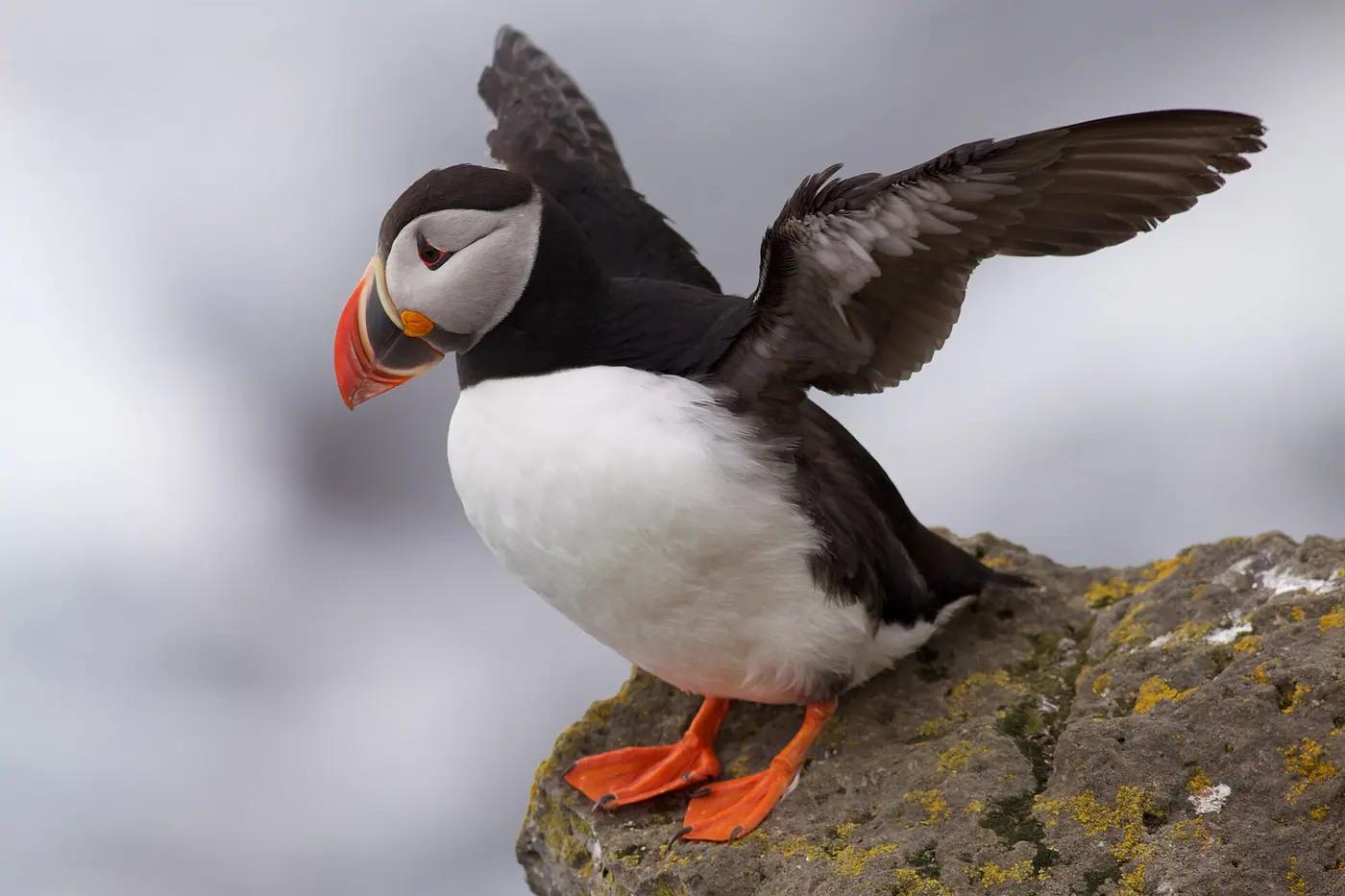
Quick answer
Start with the direct answer, then use the sections below to see why the location matters and which animals are actually realistic to spot there.
Iceland is strongest when you value quality, coast, and atmosphere over raw species count. Puffins, seals, whales, seabirds, and cold-water specialists make the island feel clean, memorable, and biologically coherent.
Iceland rewards travelers who prefer a few strong sightings over nonstop variety.
Coasts, cliffs, and offshore life matter far more than inland mammal expectations.
Why this location matters
Good location pages explain why the place is worth your time, not just which names belong on a destination checklist.
It is one of the clearest examples of a marine-and-seabird destination with strong visual identity.
Iceland also teaches how atmosphere and habitat can make a modest list feel high-value.
Where to find each animal in Iceland
Iceland's wildlife is a coast-and-cold story: seabird cliffs around the edge, whale water off the north and west, glacial rivers and lakes inland, tundra and ice in the highland interior, and a thin band of farmland and towns holding everything else.
Habitat zone
Seabird cliffs & shoreline
Basalt cliffs, skerries and black-sand shores holding the breeding colonies and hauled-out seals.
4 animals mapped here
Habitat zone
Whale water — Skjálfandi & Faxaflói
Cold, productive bays off the north and west coast where the whales and orca feed through summer.
4 animals mapped here
Habitat zone
Highland interior & tundra
Glacier margins, lava desert and open tundra in the uninhabited middle of the island.
7 animals mapped here
Habitat zone
Glacial rivers & lakes
Braided glacial rivers and Mývatn's shallow lake system, which pull in the ducks and swans.
2 animals mapped here
Habitat zone
Farmland, gardens & towns
Reykjavík, the coastal towns and the grazed lowland belt behind them.
13 animals mapped here
Zones are habitat guidance, not guarantees. Pin positions mark the part of the region each animal is realistically worked for; the coastline is simplified for legibility.
Where to look
Wildlife map of Iceland
This guide covers the region shown below. Zoom in to get your bearings before planning a trip.
Positions are geocoded from OpenStreetMap. Habitat access and opening times change — check locally before travelling.
Animals to spot
These are intentionally practical species picks, balancing accessibility, excitement, and what travelers can realistically notice in the location.
Atlantic PuffinC
The signature seabird that gives Iceland immediate wildlife recognizability.
Spotting note: Excellent cliff and coast highlight.
Read species guide
Harbor SealC
A practical coastal mammal that makes shoreline wildlife feel active fast.
Spotting note: Strong marine supporting species.
Read species guide
Humpback WhaleA
A dramatic marine animal that can turn a boat session into the trip's anchor memory.
Spotting note: High-value marine target.
Read species guide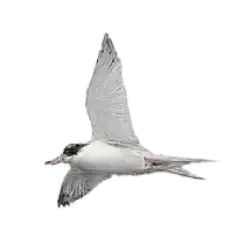
Arctic TernC
A clean cold-region bird that suits Iceland's season-led wildlife identity very well.
Spotting note: Distinctive coastal bird.
Read species guide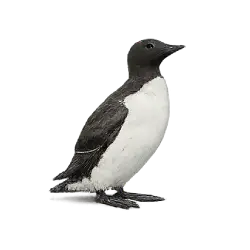
Common MurreC
Common Murre adds realistic depth to the Iceland animal list without forcing the page around one headline encounter.
Spotting note: Useful supporting species with the right habitat and timing.
Read species guide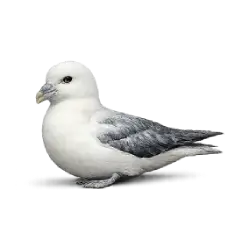
Northern FulmarC
Northern Fulmar broadens the Iceland page beyond the obvious targets and makes habitat-led spotting feel more complete.
Spotting note: Better treated as a realistic secondary target than a guaranteed sighting.
Read species guide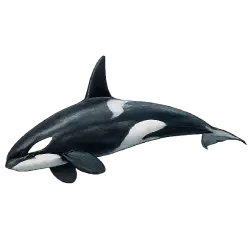
OrcaS
Orca is a strong supporting species that helps Iceland feel richer than a one-animal destination.
Spotting note: Strong add when you pay attention to habitat instead of chasing one flagship animal.
Read species guide
WalrusA
Walrus gives the Iceland page more ecological range, not just more raw checklist count.
Spotting note: Meaningful supporting sighting rather than the only reason to choose the location.
Read species guide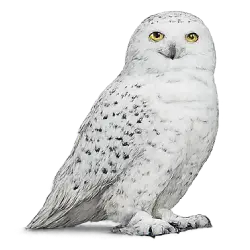
Snowy OwlB
Snowy Owl adds realistic depth to the Iceland animal list without forcing the page around one headline encounter.
Spotting note: Useful supporting species with the right habitat and timing.
Read species guide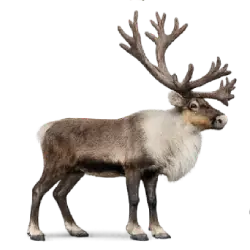
ReindeerC
Reindeer broadens the Iceland page beyond the obvious targets and makes habitat-led spotting feel more complete.
Spotting note: Better treated as a realistic secondary target than a guaranteed sighting.
Read species guide
Whooper SwanC
Whooper Swan is a strong supporting species that helps Iceland feel richer than a one-animal destination.
Spotting note: Strong add when you pay attention to habitat instead of chasing one flagship animal.
Read species guide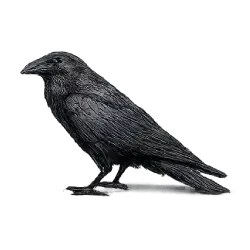
Common RavenC
Common Raven gives the Iceland page more ecological range, not just more raw checklist count.
Spotting note: Meaningful supporting sighting rather than the only reason to choose the location.
Read species guide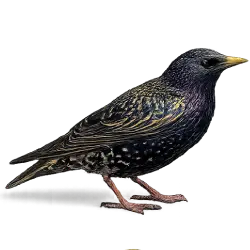
European StarlingD
European Starling adds realistic depth to the Iceland animal list without forcing the page around one headline encounter.
Spotting note: Useful supporting species with the right habitat and timing.
Read species guide
Snow BuntingD
Snow Bunting broadens the Iceland page beyond the obvious targets and makes habitat-led spotting feel more complete.
Spotting note: Better treated as a realistic secondary target than a guaranteed sighting.
Read species guide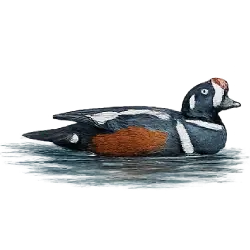
Harlequin DuckC
Harlequin Duck is a strong supporting species that helps Iceland feel richer than a one-animal destination.
Spotting note: Strong add when you pay attention to habitat instead of chasing one flagship animal.
Read species guide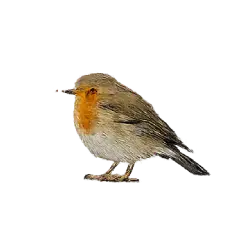
European RobinD
European Robin gives the Iceland page more ecological range, not just more raw checklist count.
Spotting note: Meaningful supporting sighting rather than the only reason to choose the location.
Read species guide
Arctic FoxC
Arctic Fox adds realistic depth to the Iceland animal list without forcing the page around one headline encounter.
Spotting note: Useful supporting species with the right habitat and timing.
Read species guide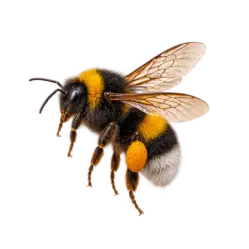
BumblebeeE
Bumblebee broadens the Iceland page beyond the obvious targets and makes habitat-led spotting feel more complete.
Spotting note: Better treated as a realistic secondary target than a guaranteed sighting.
Read species guide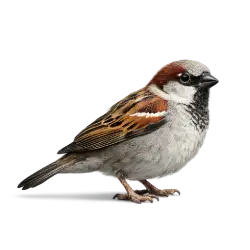
House SparrowE
House Sparrow is a strong supporting species that helps Iceland feel richer than a one-animal destination.
Spotting note: Strong add when you pay attention to habitat instead of chasing one flagship animal.
Read species guide
House MouseE
House Mouse gives the Iceland page more ecological range, not just more raw checklist count.
Spotting note: Meaningful supporting sighting rather than the only reason to choose the location.
Read species guide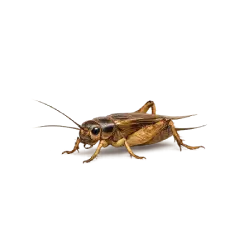
Two-spotted CricketE
Field Cricket adds realistic depth to the Iceland animal list without forcing the page around one headline encounter.
Spotting note: Useful supporting species with the right habitat and timing.
Read species guide
Western Honey BeeE
Western Honey Bee broadens the Iceland page beyond the obvious targets and makes habitat-led spotting feel more complete.
Spotting note: Better treated as a realistic secondary target than a guaranteed sighting.
Read species guide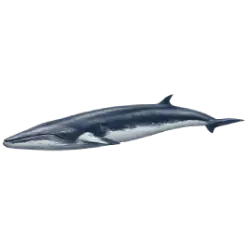
Common Minke WhaleA
Common Minke Whale is a strong supporting species that helps Iceland feel richer than a one-animal destination.
Spotting note: Strong add when you pay attention to habitat instead of chasing one flagship animal.
Read species guide
Common House SpiderE
Common House Spider gives the Iceland page more ecological range, not just more raw checklist count.
Spotting note: Meaningful supporting sighting rather than the only reason to choose the location.
Read species guide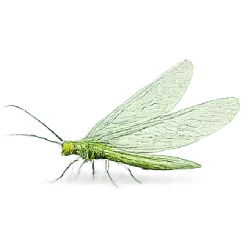
Green LacewingE
Green Lacewing adds realistic depth to the Iceland animal list without forcing the page around one headline encounter.
Spotting note: Useful supporting species with the right habitat and timing.
Read species guide
Jumping SpiderE
Jumping Spider broadens the Iceland page beyond the obvious targets and makes habitat-led spotting feel more complete.
Spotting note: Better treated as a realistic secondary target than a guaranteed sighting.
Read species guide
House FlyE
House Fly is a strong supporting species that helps Iceland feel richer than a one-animal destination.
Spotting note: Strong add when you pay attention to habitat instead of chasing one flagship animal.
Read species guide
SnailE
Snail gives the Iceland page more ecological range, not just more raw checklist count.
Spotting note: Meaningful supporting sighting rather than the only reason to choose the location.
Read species guide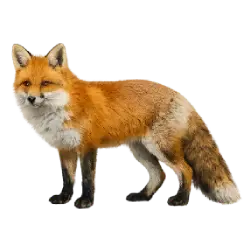
Red FoxC
Red Fox adds realistic depth to the Iceland animal list without forcing the page around one headline encounter.
Spotting note: Useful supporting species with the right habitat and timing.
Read species guide
Mountain HareD
Mountain Hare broadens the Iceland page beyond the obvious targets and makes habitat-led spotting feel more complete.
Spotting note: Better treated as a realistic secondary target than a guaranteed sighting.
Read species guideBest for
Use this section to decide whether the location fits your travel style, skill level, and AnimalDex goals.
- Travelers who enjoy coasts, cliffs, and marine wildlife.
- Birders who prefer quality over checklist size.
- Photographers working with atmosphere and open water.
- Collectors who like strong identity from a compact list.
Spotting tips
These tips are meant to make the page useful in the field, not just readable on the page.
- 01Treat coasts and boat sessions as the core of the trip.
- 02Weather matters heavily, so build flexibility into expectations.
- 03Seabirds often carry more of the wildlife story than land mammals.
- 04A short, clean list is a strong Iceland result.
Virtual Wildlife Guides
Wildlife guides to Iceland
AnimalDex builds virtual guides from explorers' own wild sightings: which animals they found, how rare they are, and when. A guide is advice from someone who has been there, not a tour. Buying one unlocks the author's notes for every animal, a chat with the author, and introductions to local people they met. Wildlife is never guaranteed.
Checking for virtual guides to Iceland...
How to choose a local wildlife guide in Iceland
- Ask what they usually find in the season you are visiting. A good guide gives an honest answer, not a promised sighting.
- Check how they treat animals: no baiting, calling in, handling, or close flash photography for a better shot.
- Confirm the meeting area, duration, group size, total price, and how you pay before the day, plus any permits or park fees the place requires.
Track the animals you find in Iceland
Build your collection while you travel through Iceland, from easy wins to the species worth planning around.
Related locations
Keep exploring with nearby or similar destinations that support the same kind of AnimalDex discovery.
Animals in Norway: What You Can Spot, Learn, and Collect
A practical Norway wildlife guide built around cold coasts, northern atmosphere, and the species that make the country feel clean, open, and seasonally distinctive.
Read location guideAnimals in Russia: What You Can Spot, Learn, and Collect
A practical Russia wildlife guide built around scale, cold-region animals, forests, and the species that make the country feel ecologically vast rather than easy to summarize.
Read location guideAnimals in the UK: What You Can Spot, Learn, and Collect
A practical UK wildlife guide built around coasts, woodlands, wetlands, and the familiar-but-rewarding species that make local observation richer than many travelers expect.
Read location guideLocation FAQ
Short direct answers to the questions travelers usually ask before choosing a wildlife destination or zoo day.
What animals are easiest to notice in Iceland?
Seabirds, some marine mammals, and coastal wildlife are among the strongest practical answers.
Is Iceland more about marine wildlife than land wildlife?
Usually yes. Coasts, cliffs, and marine animals define much of the country's wildlife character.
How do I find a wildlife guide to Iceland?
Check the Wildlife Guides section on this page or browse Wildlife Guides on AnimalDex. Each one is a virtual guide built from an explorer's own wild sightings around Iceland: the animals they found, how rare they are, and when. It is advice from someone who has been there, not a tour. If you want someone with you on the day, compare local guides on wildlife knowledge, how they treat animals, and clear pricing before you go.