Animals in Kenya: What You Can Spot, Learn, and Collect
A practical Kenya wildlife guide built around open-country species, clean visibility, and the animals that make East African travel feel immediately iconic.
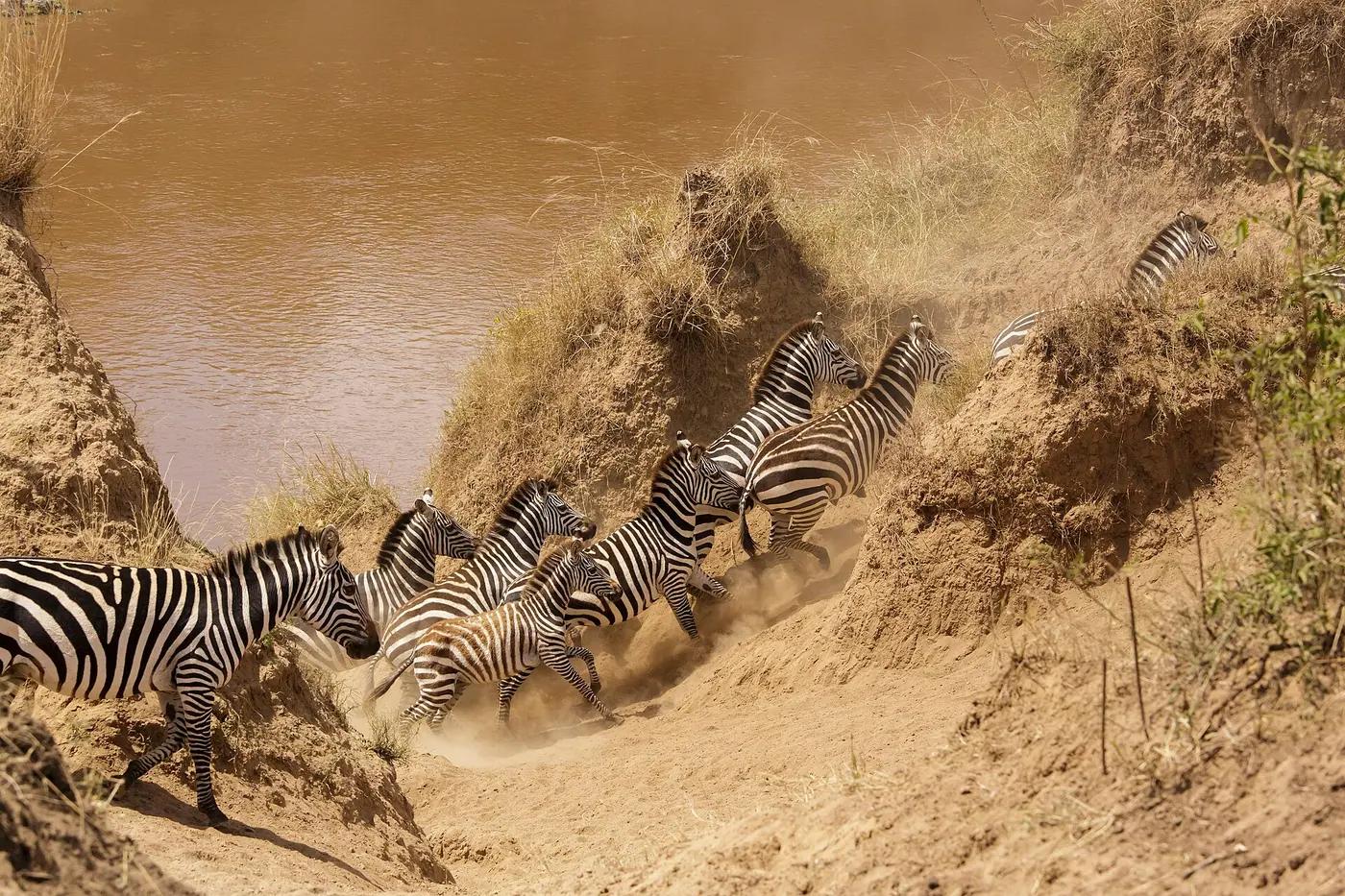
Quick answer
Start with the direct answer, then use the sections below to see why the location matters and which animals are actually realistic to spot there.
Kenya is one of the cleanest countries for turning wildlife travel into a memorable collection because the species are both famous and realistically visible. Lions, giraffes, cheetahs, and secretary birds give even a first safari real biological depth.
Kenya works because the format is legible. Open-country habitats make many animals easier to read, compare, and remember.
That makes it excellent for AnimalDex users who want both excitement and meaningful learning.
Explore animal places in Kenya
Open a curated guide to animal-focused attractions or protected habitats connected to this location.
Why this location matters
Good location pages explain why the place is worth your time, not just which names belong on a destination checklist.
It is one of the strongest beginner-friendly serious wildlife countries.
Kenya also makes animal behavior easier to watch because visibility is often strong.
Where to find each animal in Kenya
Kenya sorts by altitude and rainfall: short-grass plains in the south-west, hot thorn bush through Samburu and the north, alkaline lakes down the Rift Valley, montane forest on the central highlands, and the towns and farmland where the everyday species live.
Habitat zone
Maasai Mara & southern plains
Short-grass savanna and acacia country carrying the migration herds and their predators.
13 animals mapped here
Habitat zone
Samburu & the northern drylands
Thorn bush, lava rock and dry riverbeds north of the highlands — gerenuk and dry-country specialists.
2 animals mapped here
Habitat zone
Rift Valley lakes
Alkaline and freshwater lakes down the Rift — flamingo flats, hippo pools and waterbird cover.
2 animals mapped here
Habitat zone
Aberdares & Mount Kenya forest
Montane forest, bamboo belt and moorland on the central highlands.
10 animals mapped here
Habitat zone
Nairobi, towns & farmland
City edges, smallholdings and lodge gardens — where the commensal species actually live.
4 animals mapped here
Zones are habitat guidance, not guarantees. Pin positions mark the part of the region each animal is realistically worked for; the coastline is simplified for legibility.
Where to look
Wildlife map of Kenya
Each pin is a real place you can visit, with the animals worth working for there.
Positions are geocoded from OpenStreetMap. Habitat access and opening times change — check locally before travelling.
Animals to spot
These are intentionally practical species picks, balancing accessibility, excitement, and what travelers can realistically notice in the location.
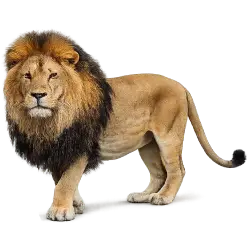
LionB
A classic predator anchor and one of the strongest emotional safari species.
Spotting note: Core high-value target.
Read species guide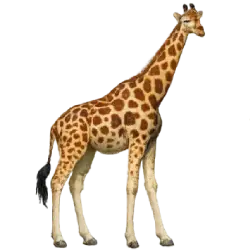
GiraffeB
An elegant open-country species that is easy to identify and hard to forget.
Spotting note: Excellent practical safari win.
Read species guide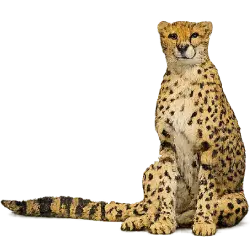
CheetahA
A speed-linked specialist that adds tension and open-ground drama to the trip.
Spotting note: High-excitement highlight.
Read species guide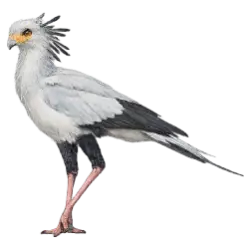
SecretarybirdB
A distinctive bird that makes the list feel wider than mammal-only safari thinking.
Spotting note: Outstanding specialist bird.
Read species guide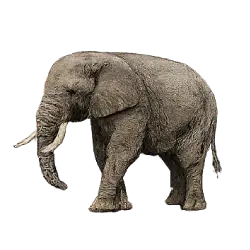
ElephantB
Elephant adds realistic depth to the Kenya animal list without forcing the page around one headline encounter.
Spotting note: Useful supporting species with the right habitat and timing.
Read species guide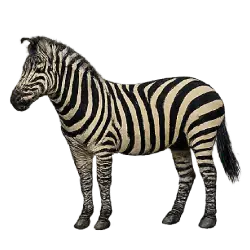
Plains ZebraB
Plains Zebra broadens the Kenya page beyond the obvious targets and makes habitat-led spotting feel more complete.
Spotting note: Better treated as a realistic secondary target than a guaranteed sighting.
Read species guide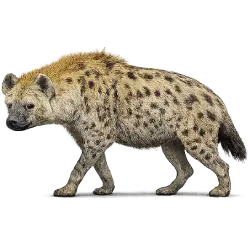
Spotted HyenaA
Spotted Hyena is a strong supporting species that helps Kenya feel richer than a one-animal destination.
Spotting note: Strong add when you pay attention to habitat instead of chasing one flagship animal.
Read species guide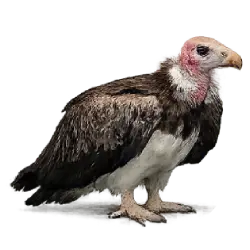
White-headed VultureB
White Headed Vulture gives the Kenya page more ecological range, not just more raw checklist count.
Spotting note: Meaningful supporting sighting rather than the only reason to choose the location.
Read species guide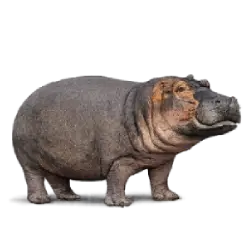
HippopotamusB
Hippopotamus adds realistic depth to the Kenya animal list without forcing the page around one headline encounter.
Spotting note: Useful supporting species with the right habitat and timing.
Read species guide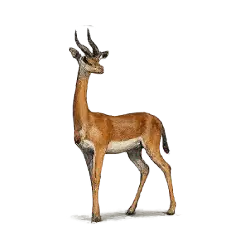
GerenukB
Gerenuk broadens the Kenya page beyond the obvious targets and makes habitat-led spotting feel more complete.
Spotting note: Better treated as a realistic secondary target than a guaranteed sighting.
Read species guide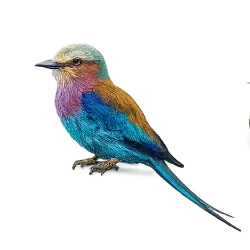
Lilac-breasted RollerD
Lilac Breasted Roller is a strong supporting species that helps Kenya feel richer than a one-animal destination.
Spotting note: Strong add when you pay attention to habitat instead of chasing one flagship animal.
Read species guide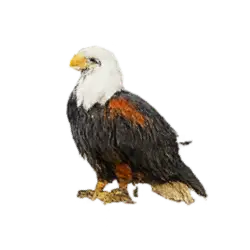
African Fish EagleB
African Fish Eagle gives the Kenya page more ecological range, not just more raw checklist count.
Spotting note: Meaningful supporting sighting rather than the only reason to choose the location.
Read species guide
House CrowD
House Crow adds realistic depth to the Kenya animal list without forcing the page around one headline encounter.
Spotting note: Useful supporting species with the right habitat and timing.
Read species guide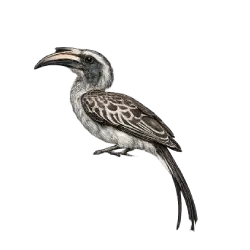
African Grey HornbillC
African Grey Hornbill broadens the Kenya page beyond the obvious targets and makes habitat-led spotting feel more complete.
Spotting note: Better treated as a realistic secondary target than a guaranteed sighting.
Read species guide
African Harrier-HawkC
African Harrier Hawk is a strong supporting species that helps Kenya feel richer than a one-animal destination.
Spotting note: Strong add when you pay attention to habitat instead of chasing one flagship animal.
Read species guide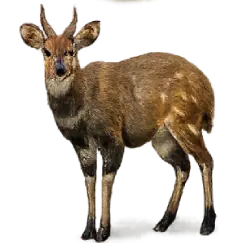
BushbuckC
Bushbuck gives the Kenya page more ecological range, not just more raw checklist count.
Spotting note: Meaningful supporting sighting rather than the only reason to choose the location.
Read species guide
Vervet MonkeyD
Vervet Monkey adds realistic depth to the Kenya animal list without forcing the page around one headline encounter.
Spotting note: Useful supporting species with the right habitat and timing.
Read species guide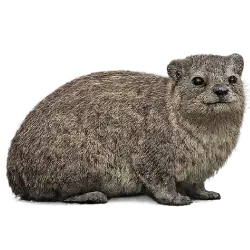
Rock HyraxD
Rock Hyrax broadens the Kenya page beyond the obvious targets and makes habitat-led spotting feel more complete.
Spotting note: Better treated as a realistic secondary target than a guaranteed sighting.
Read species guide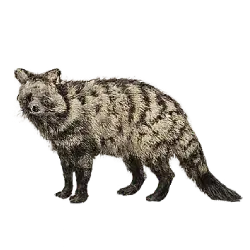
African CivetC
African Civet is a strong supporting species that helps Kenya feel richer than a one-animal destination.
Spotting note: Strong add when you pay attention to habitat instead of chasing one flagship animal.
Read species guide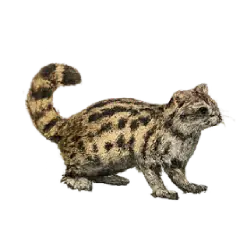
Common GenetC
Common Genet gives the Kenya page more ecological range, not just more raw checklist count.
Spotting note: Meaningful supporting sighting rather than the only reason to choose the location.
Read species guide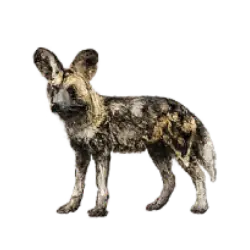
African Wild DogA
African Wild Dog adds realistic depth to the Kenya animal list without forcing the page around one headline encounter.
Spotting note: Useful supporting species with the right habitat and timing.
Read species guide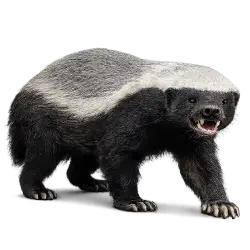
Honey BadgerC
Honey Badger broadens the Kenya page beyond the obvious targets and makes habitat-led spotting feel more complete.
Spotting note: Better treated as a realistic secondary target than a guaranteed sighting.
Read species guide
Egyptian MongooseC
Egyptian Mongoose is a strong supporting species that helps Kenya feel richer than a one-animal destination.
Spotting note: Strong add when you pay attention to habitat instead of chasing one flagship animal.
Read species guide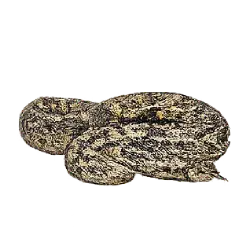
African Rock PythonB
African Rock Python gives the Kenya page more ecological range, not just more raw checklist count.
Spotting note: Meaningful supporting sighting rather than the only reason to choose the location.
Read species guide
Green MambaB
Green Mamba adds realistic depth to the Kenya animal list without forcing the page around one headline encounter.
Spotting note: Useful supporting species with the right habitat and timing.
Read species guide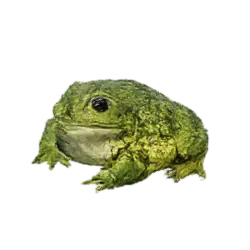
African BullfrogD
African Bullfrog broadens the Kenya page beyond the obvious targets and makes habitat-led spotting feel more complete.
Spotting note: Better treated as a realistic secondary target than a guaranteed sighting.
Read species guide
House FlyE
House Fly is a strong supporting species that helps Kenya feel richer than a one-animal destination.
Spotting note: Strong add when you pay attention to habitat instead of chasing one flagship animal.
Read species guide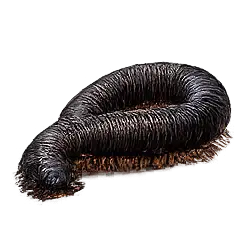
Giant African MillipedeE
Giant African Millipede gives the Kenya page more ecological range, not just more raw checklist count.
Spotting note: Meaningful supporting sighting rather than the only reason to choose the location.
Read species guide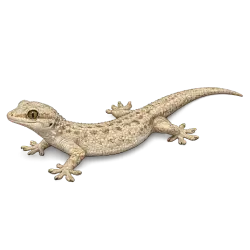
Common House GeckoE
Common House Gecko adds realistic depth to the Kenya animal list without forcing the page around one headline encounter.
Spotting note: Useful supporting species with the right habitat and timing.
Read species guide
House CentipedeE
House Centipede broadens the Kenya page beyond the obvious targets and makes habitat-led spotting feel more complete.
Spotting note: Better treated as a realistic secondary target than a guaranteed sighting.
Read species guide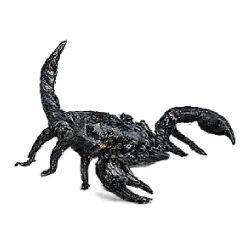
Emperor ScorpionE
Emperor Scorpion is a strong supporting species that helps Kenya feel richer than a one-animal destination.
Spotting note: Strong add when you pay attention to habitat instead of chasing one flagship animal.
Read species guideBest for
Use this section to decide whether the location fits your travel style, skill level, and AnimalDex goals.
- First-time serious wildlife travelers.
- Photographers who want clear visibility.
- Families who want iconic animals without dense-forest difficulty.
- Collectors who want a strong list quickly.
Spotting tips
These tips are meant to make the page useful in the field, not just readable on the page.
- 01Do not reduce Kenya to lion-only travel.
- 02Large birds and herbivores make the trip feel fuller and smarter.
- 03Use behavior and spacing as much as species labels.
- 04Early and late light matter a lot.
Virtual Wildlife Guides
Wildlife guides to Kenya
AnimalDex builds virtual guides from explorers' own wild sightings: which animals they found, how rare they are, and when. A guide is advice from someone who has been there, not a tour. Buying one unlocks the author's notes for every animal, a chat with the author, and introductions to local people they met. Wildlife is never guaranteed.
Checking for virtual guides to Kenya...
How to choose a local wildlife guide in Kenya
- Ask what they usually find in the season you are visiting. A good guide gives an honest answer, not a promised sighting.
- Check how they treat animals: no baiting, calling in, handling, or close flash photography for a better shot.
- Confirm the meeting area, duration, group size, total price, and how you pay before the day, plus any permits or park fees the place requires.
Track the animals you find in Kenya
Build your collection while you travel through Kenya, from easy wins to the species worth planning around.
Related locations
Keep exploring with nearby or similar destinations that support the same kind of AnimalDex discovery.
Animals in Tanzania: What You Can Spot, Learn, and Collect
A practical Tanzania wildlife guide built around open-country density, famous safari mammals, and the supporting species that make the trip feel biologically complete.
Read location guideAfrican Safari Animals: What You Can Spot and Why It Matters
A structured African safari guide built around practical safari species, real spotting expectations, and the animals that make open-country wildlife travel so iconic.
Read location guideAnimals in South Africa: What You Can Spot, Learn, and Collect
A practical South Africa wildlife guide built around safari-scale visibility, strong mammal encounters, and the supporting species that keep trips rich even between predator moments.
Read location guideLocation FAQ
Short direct answers to the questions travelers usually ask before choosing a wildlife destination or zoo day.
What animals are easiest to see in Kenya?
Large herbivores, several famous predators, and standout birds are among the strongest practical safari answers.
Is Kenya good for beginners?
Yes. It is one of the best countries for visible, memorable wildlife without especially obscure spotting conditions.
How do I find a wildlife guide to Kenya?
Check the Wildlife Guides section on this page or browse Wildlife Guides on AnimalDex. Each one is a virtual guide built from an explorer's own wild sightings around Kenya: the animals they found, how rare they are, and when. It is advice from someone who has been there, not a tour. If you want someone with you on the day, compare local guides on wildlife knowledge, how they treat animals, and clear pricing before you go.