Back to Powers

Animal Powers

Burrowing

Listen underground.

Animals grouped here express a similar power through their behavior in nature. Each species still has its own principle, lesson, meaning, and field-guide page.

15 species

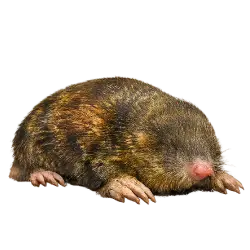
Cape Golden Mole animal lesson image on AnimalDex

Cape Golden Mole

Species principle: Gold-Burrow Listening

Listen underground.

Perception becomes power when it works without needing daylight.

Golden Moles are subterranean mammals with reduced eyes, sensitive vibration detection, and powerful digging forelimbs for moving through sandy soils.
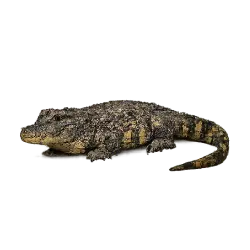
Chinese Alligator (Alligator sinensis) thumbnail image on AnimalDex

Chinese Alligator

Species principle: Ancient Belonging

Let old armor belong.

Old designs still belong when they know where to hide, wait, and return.

Chinese Alligators are small alligators that use wetlands, ponds, and burrows, representing an ancient crocodilian lineage surviving in highly altered landscapes.

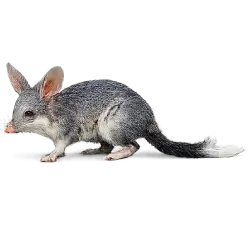
Greater Bilby (Macrotis lagotis) thumbnail image on AnimalDex

Greater Bilby

Species principle: Desert Provision

Work after dark.

The future is fed by quiet work done under cool darkness.

Greater Bilbies are nocturnal marsupials that dig burrows in arid regions and forage for seeds, insects, bulbs, and other food using strong claws and long ears.

Madagascar Hognose Snake (Leioheterodon madagascariensis) thumbnail image on AnimalDex

Madagascar Hognose Snake

Species principle: Burrowing

Dig with the nose.

The right shape opens a path under the surface.

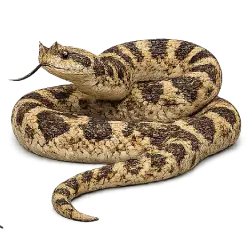
Madagascar Hognose Snakes have upturned snouts and sturdy bodies used for digging through soil, sand, or leaf litter while searching for prey and shelter.

Middle East Blind Mole-rat animal lesson image on AnimalDex

Middle East Blind Mole-rat

Species principle: Burrowcraft

Build below.

Security can come from patient work no one sees.

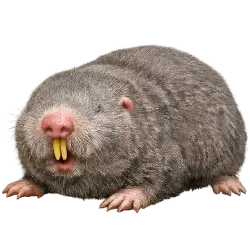
Blind Mole-rats live mostly underground, excavating tunnels and relying on touch, smell, and vibration more than vision.

Mongolian Gerbil animal lesson image on AnimalDex

Mongolian Gerbil

Species principle: Burrowed Reserve

Store before scarcity.

Preparedness becomes real when small stores are built before pressure arrives.

Mongolian Gerbils are desert-adapted rodents that dig burrows, store food, conserve water, and stay active in harsh open habitats.

Mountain Beaver (Aplodontia rufa) thumbnail image on AnimalDex

Mountain Beaver

Species principle: Primitive Fit

Fit the old ground.

An old design survives when it still fits the ground perfectly.

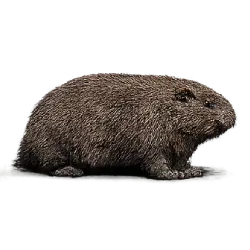
Mountain Beavers are primitive rodents that live in burrows in moist forests and feed on vegetation using strong teeth and digging ability.

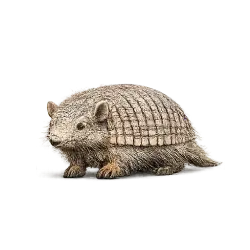
Pink Fairy Armadillo animal lesson image on AnimalDex

Pink Fairy Armadillo

Species principle: Soft Armor

Swim the sand.

Protection can be gentle, hidden, and almost unseen.

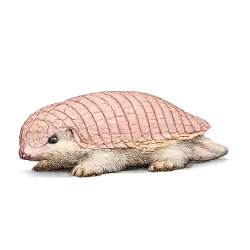
Pink Fairy Armadillos are tiny burrowing armadillos with pink dorsal armor and strong foreclaws, adapted to moving through loose sandy soils.

Screaming Hairy Armadillo animal lesson image on AnimalDex

Screaming Hairy Armadillo

Species principle: Armorcall

Squeal behind armor.

A humble body can still have a clear defensive voice.

Screaming hairy armadillos are small armadillos with armor, digging habits, and loud distress calls when threatened.

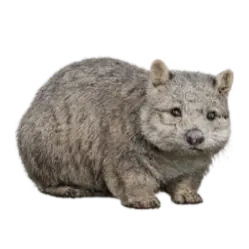
Southern Hairy-nosed Wombat (Lasiorhinus latifrons) thumbnail image on AnimalDex

Southern Hairy-nosed Wombat

Species principle: Dryland Shelter

Dig for cool.

Safety becomes stronger when the refuge is deep enough for harsh seasons.

Southern Hairy-nosed Wombats dig extensive burrow systems in dry regions, using the shelter to avoid heat, conserve moisture, and live in social warrens.

Southern Marsupial Mole animal lesson image on AnimalDex

Southern Marsupial Mole

Species principle: Sandswim

Swim the sand.

Hidden movement can turn an obstacle into a route.

Marsupial Moles are desert-adapted burrowers that move through sand with strong forelimbs and reduced eyes.

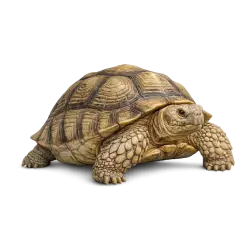
Sulcata Tortoise animal lesson image on AnimalDex

Sulcata Tortoise

Species principle: Desert Refuge

Build below heat.

When the world burns above, wisdom builds below.

Sulcata Tortoises dig deep burrows to escape extreme heat and dryness in arid African habitats, using strong legs and heavy bodies.

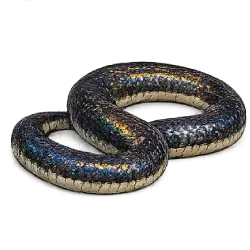
Sunbeam Snake (Xenopeltis unicolor) thumbnail image on AnimalDex

Sunbeam Snake

Species principle: Hidden Radiance

Shine low.

Quiet beauty still shines, even close to the ground.

Sunbeam Snakes are burrowing snakes with smooth iridescent scales that reflect rainbow colors when exposed to light.

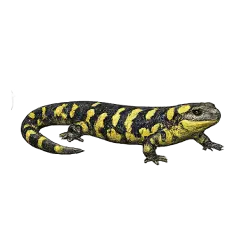
Tiger Salamander (Ambystoma tigrinum) thumbnail image on AnimalDex

Tiger Salamander

Species principle: Two-World Belonging

Belong in both.

Flexibility lets one life belong underground and in water.

Tiger Salamanders live much of the year underground or under cover and migrate to ponds or wetlands to breed, with aquatic larval stages.

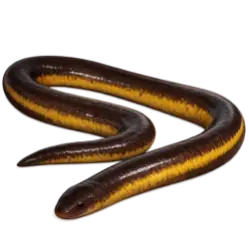
Yellow-banded Caecilian animal lesson image on AnimalDex

Yellow-banded Caecilian

Species principle: Underground Navigation

Read the soil.

Hidden direction belongs to the body that knows how to read the dark soil.

Yellow-banded Caecilians are limbless amphibians adapted for burrowing in moist soil, using elongated bodies and sensory tentacles to navigate underground environments.

Explore related indexes