
Back to Powers

Animal Powers

Survival

Keep the old armor.

Animals grouped here express a similar power through their behavior in nature. Each species still has its own principle, lesson, meaning, and field-guide page.

22 species

Alligator Gar (Atractosteus spatula) thumbnail image on AnimalDex

Alligator Gar

Species principle: Ancient Strength

Keep the old armor.

Old designs endure when they still solve the world in front of them.

Alligator Gars are ancient-looking predatory fish with long toothy jaws, ganoid armor-like scales, air-breathing ability, and slow-water ambush habits.
American Cockroach animal lesson image on AnimalDex

American Cockroach

Species principle: Survivability

Outlast the problem.

Survival is a skill.

Cockroaches adapt to harsh conditions, reproduce quickly, and persist almost everywhere.

Argus Monitor (Varanus panoptes) thumbnail image on AnimalDex

Argus Monitor

Species principle: Scanning Readiness

Stand and scan.

Many chances open for the body ready to stand, scan, dig, swim, and strike.

Argus Monitors are active, versatile lizards that can rear into a tripod stance to scan surroundings and use digging, swimming, climbing, and predation across varied habitats.

Bowfin animal lesson image on AnimalDex

Bowfin

Species principle: Air-Breathing Survivor

Keep the backup breath.

Resilience grows from having more than one way to continue.

Bowfins are ancient freshwater fish that can gulp air, survive low-oxygen conditions, and use stealthy predatory behavior in weedy waters.

Brown Rat animal lesson image on AnimalDex

Brown Rat

Species principle: Urban Survivability

Use every opening.

Adaptability becomes power when it learns every hidden route.

Brown Rats are highly adaptable rodents that thrive around human settlements through intelligence, reproduction, and opportunistic feeding.

Chinese Water Dragon (Physignathus cocincinus) thumbnail image on AnimalDex

Chinese Water Dragon

Species principle: Escape Timing

Leap to water.

Endurance can begin with one clean leap away from danger.

Chinese Water Dragons are arboreal and riverbank lizards that can leap into water and swim to escape threats.

Coelacanth (Latimeria chalumnae) thumbnail image on AnimalDex

Coelacanth

Species principle: Living Relic

Drift from deep time.

Some bodies carry ancient stories because they never stopped moving.

Coelacanths are ancient lobe-finned fish once thought extinct, using fleshy lobed fins and slow deep-water movement.

Crab-eating Fox (Cerdocyon thous) thumbnail image on AnimalDex

Crab-eating Fox

Species principle: Generalism

Eat the edge.

A flexible hunger survives where fixed plans fail.

Crab-eating Foxes are omnivorous canids that forage in wetlands, savannas, forests, and human-edge habitats, eating crabs, fruit, insects, small animals, and carrion.

Crocodile Icefish animal lesson image on AnimalDex

Crocodile Icefish

Species principle: Bloodless Cold

Stay clear in cold.

Adaptation can look strange when the environment is extreme.

Crocodile Icefish live in cold Antarctic waters and have unusual pale blood with little or no hemoglobin, supported by oxygen-rich cold seas.

Eastern boxelder bug animal lesson image on AnimalDex

Eastern boxelder bug

Species principle: Seasonal Gathering

Gather for warmth.

Sometimes survival means clustering around the right place at the right time.

Eastern Boxelder Bugs often gather in large numbers on warm surfaces and overwinter around sheltered human structures.

Emperor Penguin (Aptenodytes forsteri) thumbnail image on AnimalDex

Emperor Penguin

Species principle: Huddled Warmth

Hold the huddle.

Warmth becomes possible when the circle keeps moving for everyone.

Emperor Penguins survive Antarctic breeding conditions by forming dense huddles that rotate individuals between the colder outside and warmer center.

Epaulette Shark animal lesson image on AnimalDex

Epaulette Shark

Species principle: Improvisation

Walk the reef.

When the water leaves, invent another way to move.

Epaulette Sharks can use paired fins to walk or crawl over reef flats and tide pools, and tolerate low-oxygen conditions during low tides.

Helmeted Guineafowl (Numida meleagris) thumbnail image on AnimalDex

Helmeted Guineafowl

Species principle: Ground Flock

Run noisy.

A hard place grows safer when many feet and voices move together.

Helmeted Guineafowl are social ground birds that move in flocks, run quickly, and use loud calls to maintain contact and warn of danger.

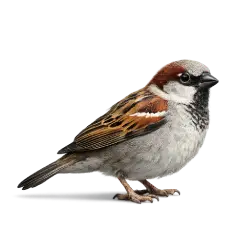
House Sparrow animal lesson image on AnimalDex

House Sparrow

Species principle: Adaptability

Use what is near.

Everyday success often comes from noticing small opportunities quickly.

House sparrows are highly adaptable birds that live closely alongside human settlements.

Indo-Pacific Tarpon animal lesson image on AnimalDex

Indo-Pacific Tarpon

Species principle: Silver Ascent

Rise for air.

Adaptability includes knowing when to use a different element.

Megalops cyprinoides, the Indo-Pacific tarpon, can tolerate varied waters and gulp air in low-oxygen conditions.

Javan myna animal lesson image on AnimalDex

Javan myna

Species principle: Urban Cleverness

Use the city.

Adaptability sharpens when intelligence notices ordinary openings quickly.

Javan Mynas are adaptable, vocal birds that thrive in urban and human-modified habitats.

Nile Lechwe (Kobus megaceros) thumbnail image on AnimalDex

Nile Lechwe

Species principle: Marsh Footing

Run the marsh.

The right feet make waterlogged ground feel like home.

Nile Lechwe are wetland antelope adapted to swamps and floodplains, with elongated hooves and strong legs for moving through shallow water.

Nile Monitor (Varanus niloticus) thumbnail image on AnimalDex

Nile Monitor

Species principle: Versatility

Use every door.

The world opens when one body knows many doors.

Nile Monitors are large adaptable lizards that can swim, climb, dig, raid nests, eat varied prey, and move along riverbanks and wetlands.

Explore related indexes