

What should an animal breed grading app track?
A useful animal breed grading app should explain the quality of the evidence behind a profile, not just assign a flashy score.
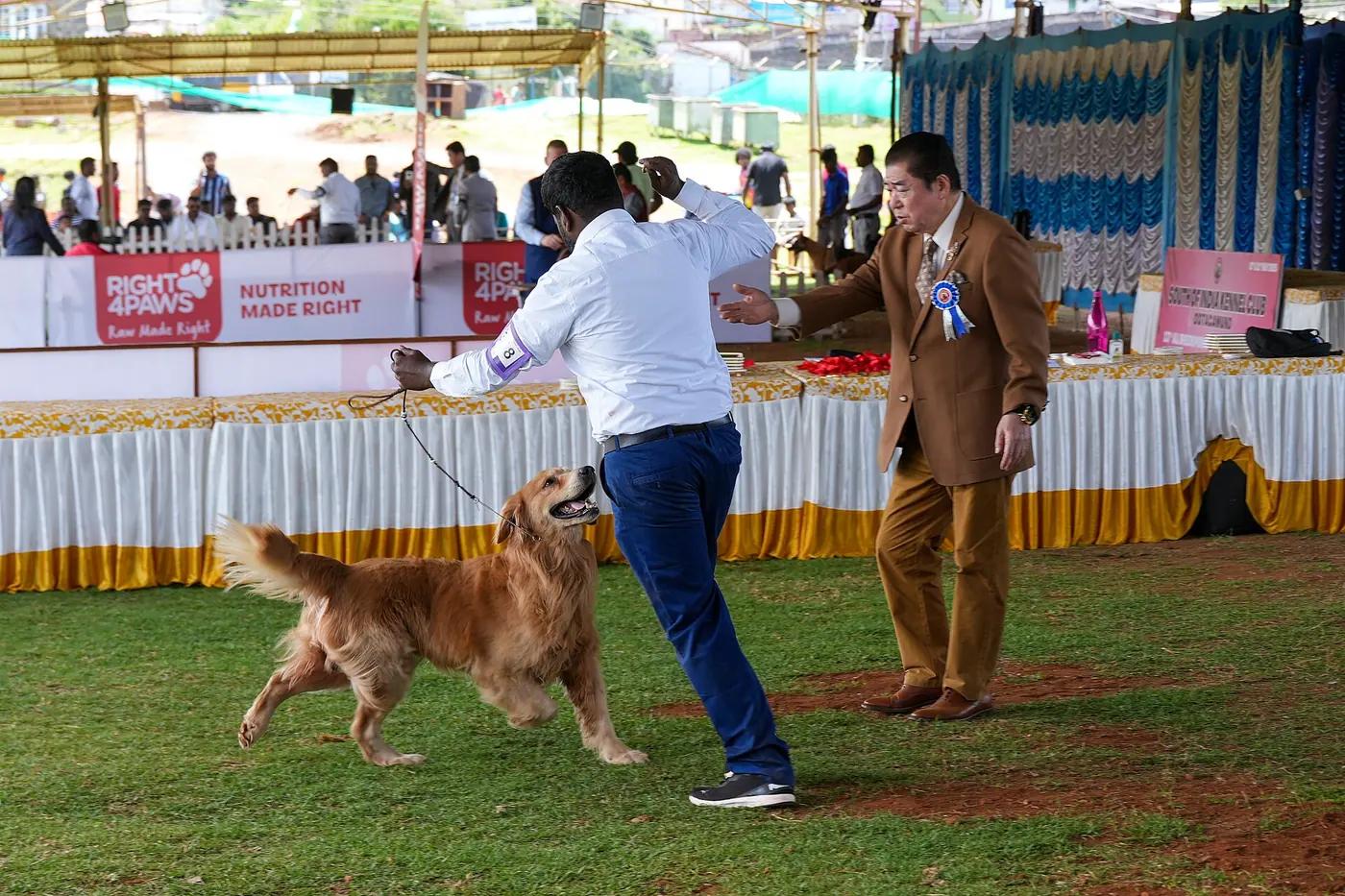
Photo: Timothy A. Gonsalves, CC BY-SA 4.0, via Wikimedia Commons.
Guide preview
Animal breed grading should track likely breed signals, image quality, trait confidence, documentation, condition, age, rarity, and profile completeness.
Summary
Direct answer
Animal breed grading should track likely breed signals, image quality, trait confidence, documentation, condition, age, rarity, and profile completeness.
For breeders and buyers, grading is useful because it makes the animal record easier to evaluate and compare.
AnimalDex can support this by combining breed-aware identification, collectible animal profiles, notes, and market context in one workflow.
Workflow
How does it work?
Start with a scan or profile entry, then record the visible traits and supporting details that make the breed claim stronger or weaker.
A grading workflow can then separate strong evidence from weak guesses, helping buyers, sellers, and breeders discuss value more clearly.
Positioning
Why is AnimalDex different?
What typical apps do
What AnimalDex adds
Fit and tools
Feature breakdown
Who it is for
- Breeders comparing animal profiles within a litter or program
- Buyers checking whether a listing has enough evidence
- Sellers preparing more credible animal records
- Rescues documenting breed-curious profiles
- Collectors who want clearer rarity and profile quality signals
Trait confidence
Track which visible traits support or weaken a breed match.
Profile completeness
Separate complete animal records from thin listings.
Documentation
Keep pedigree, health, age, and owner notes beside the animal profile.
Rarity context
Understand whether rarity is meaningful, local, documented, or only claimed.
Next paths
Explore related species and guides
Use these links to go deeper into species pages, practical blog guides, and related answer pages.

How to estimate animal breed prices without guessing
How to estimate animal breed prices: the factors that move a puppy or kitten price (pedigree, health tests, colour, demand, region), with a table.
Read article
What makes an animal rare? Range, population and endemism
What makes an animal rare: IUCN Red List categories, range size versus population, endemism, fragmentation, and why rare to see is not always rare.
Read articleAnswers
Frequently asked questions
Short, direct answers to common questions on this topic.
Is breed grading the same as breed identification?+
No. Identification suggests what breed or mix an animal may be. Grading explains how strong the supporting evidence and profile quality are.
Can AnimalDex certify a breed?+
No. Certification depends on official documentation and relevant breed organizations. AnimalDex should be positioned as a grading and evidence-support tool.
Why does grading matter for pricing?+
Pricing depends partly on confidence and documentation. A better documented animal profile can make pricing discussions clearer and less arbitrary.
Start collecting
Ready to scan and start collecting?
Open AnimalDex to identify animals, build your collection, and keep learning from every sighting.