

wildlife-experiencesherping
How to Find Ethical Herping Tours and Local Reptile Guides
How to find an ethical herping tour: what a good reptile guide listing shows, red flags like guaranteed snakes or handling, and what to bring.
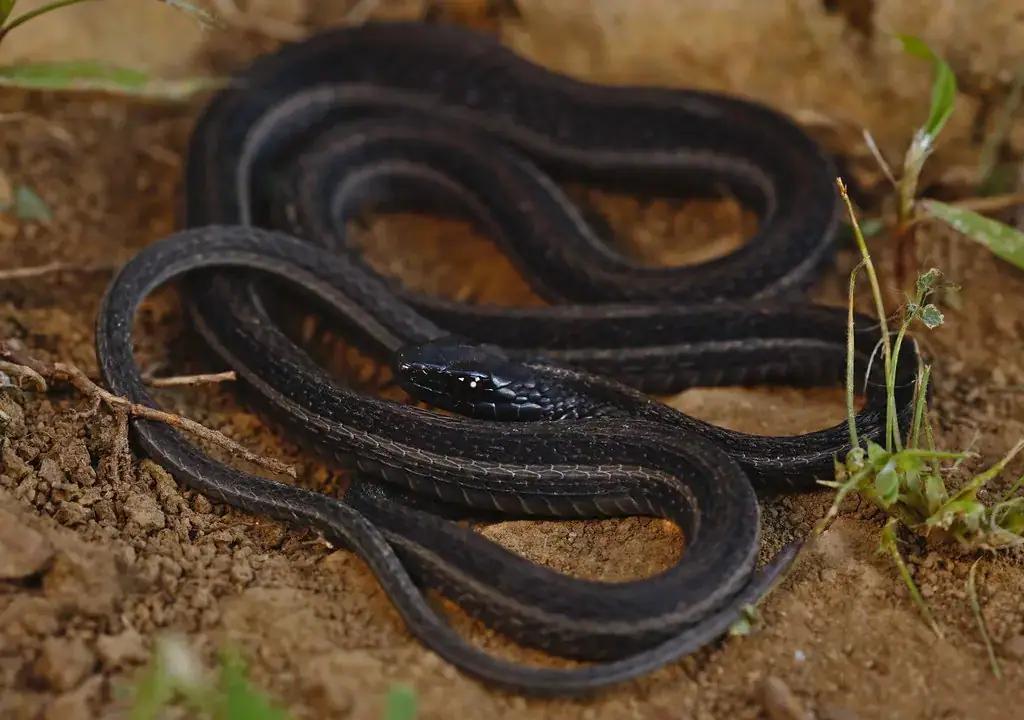
A good herping trip is still a walk
Herping is the hobby of looking for reptiles and amphibians in the field. Done well it is slow: a public path after rain, a stone wall at dusk, a pond edge with a torch held low. The animal decides whether it appears. If a listing promises a snake, a catch, or a posed photo, keep walking, because the only way to guarantee those things is to keep animals in a bag or bait them to a spot.
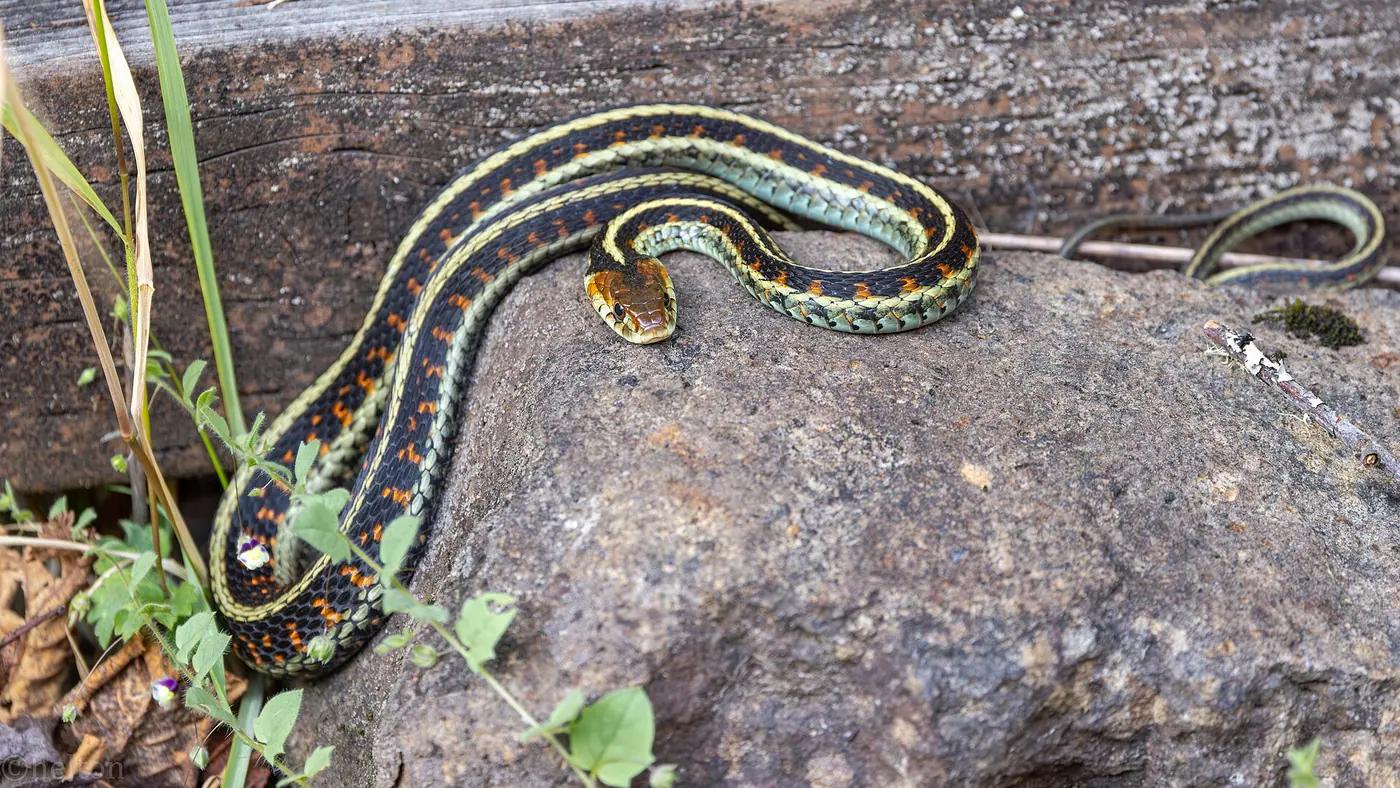
The ethics are simple and worth stating plainly. No handling, so the animal is not stressed and so nobody gets bitten. No baiting or playback. No pulling animals out of cover or flipping every rock on a hillside. Lights are used to see, not to pin an animal in place. And sightings are never guaranteed, because a garter snake on a trail is weather, luck, and knowledge, not a product.
AnimalDex does not list, book or run tours. Its Wildlife Guides are virtual: a guide to a place, built from the wild animals its author logged there. A buyer gets the author's notes on every animal (where, when and how they found it), a direct chat with the author, and introductions to local people the author met, where they can help. Buying is coming soon. For threatened species, no spot or timing is shared; buyers are pointed to a licensed local guide instead.
Virtual Wildlife Guides on AnimalDexWhat makes a great ethical Wildlife Guide
What a trustworthy listing shows
You can learn most of what you need from the copy before you message anyone. Read it the way you would read a job advert: what is stated, what is vague, and what is quietly promised.
The table below is a checklist for any herping listing, wherever you find it.
| Look for | Red flag |
|---|---|
| A named public area in general terms (a reserve, a river path, a coastal road) | A secret spot, private land with no owner mentioned, or no area at all |
| A duration and a start time tied to dusk, dawn, or rain | A fixed daytime slot sold year-round regardless of weather |
| A small guest cap, typically a handful of people | Open numbers, minibus groups, or a price that drops as the group grows |
| Copy that says sightings are not guaranteed | Species named as if they were on a menu, or photos of people holding snakes |
| A clear no-handling, no-baiting rule | Handling offered as the highlight, or hooks and bags in the photos |
| Mention of road safety, protected species, and local rules | Silence on all three |
| A clear price paid to the person leading you | Upfront transfers to a third party with no refund terms |
Questions to ask before you book
A Guide who answers these plainly is easier to trust than one who talks only about rare animals. Ask in writing, so the answers are on record.
Where, roughly, do we meet and walk?
You want a general public area and the distance you will cover. A Guide who refuses to name even the reserve is protecting a spot from you, not from poachers.
What happens if it rains, or does not?
For amphibians, rain is good news. For many lizards and snakes, a cold wet night means a short walk. A good answer explains the trade-off and names a fallback.
What is off-limits?
Expect to hear: no handling, no flipping cover without replacing it, no lights in eyes for long, no approaching protected species, no entering private land.
How do you handle roads?
Warm, wet nights put amphibians and snakes on tarmac. A responsible Guide walks the verge, wears a reflective layer, and never stops in a live lane for a photo.
Do I need my own transport?
Many good sites are a drive from town. Ask whether the meeting point is reachable by foot or public transport, and whether you will drive between stops.
What do you do about disease hygiene?
Amphibian chytrid fungus spreads on wet boots and nets. A Guide who asks you to arrive with clean footwear, or carries disinfectant, knows the subject.
Why sightings change with season and rain
Reptiles and amphibians are ectotherms: their activity tracks the temperature and moisture around them. That is why an honest Guide talks about conditions before species. In temperate regions, spring is the busiest window, when frogs and newts move to breeding ponds on mild wet nights and snakes emerge to bask. Hot midsummer afternoons push many species into cover; the same path can be empty at 2 pm and busy at 9 pm.
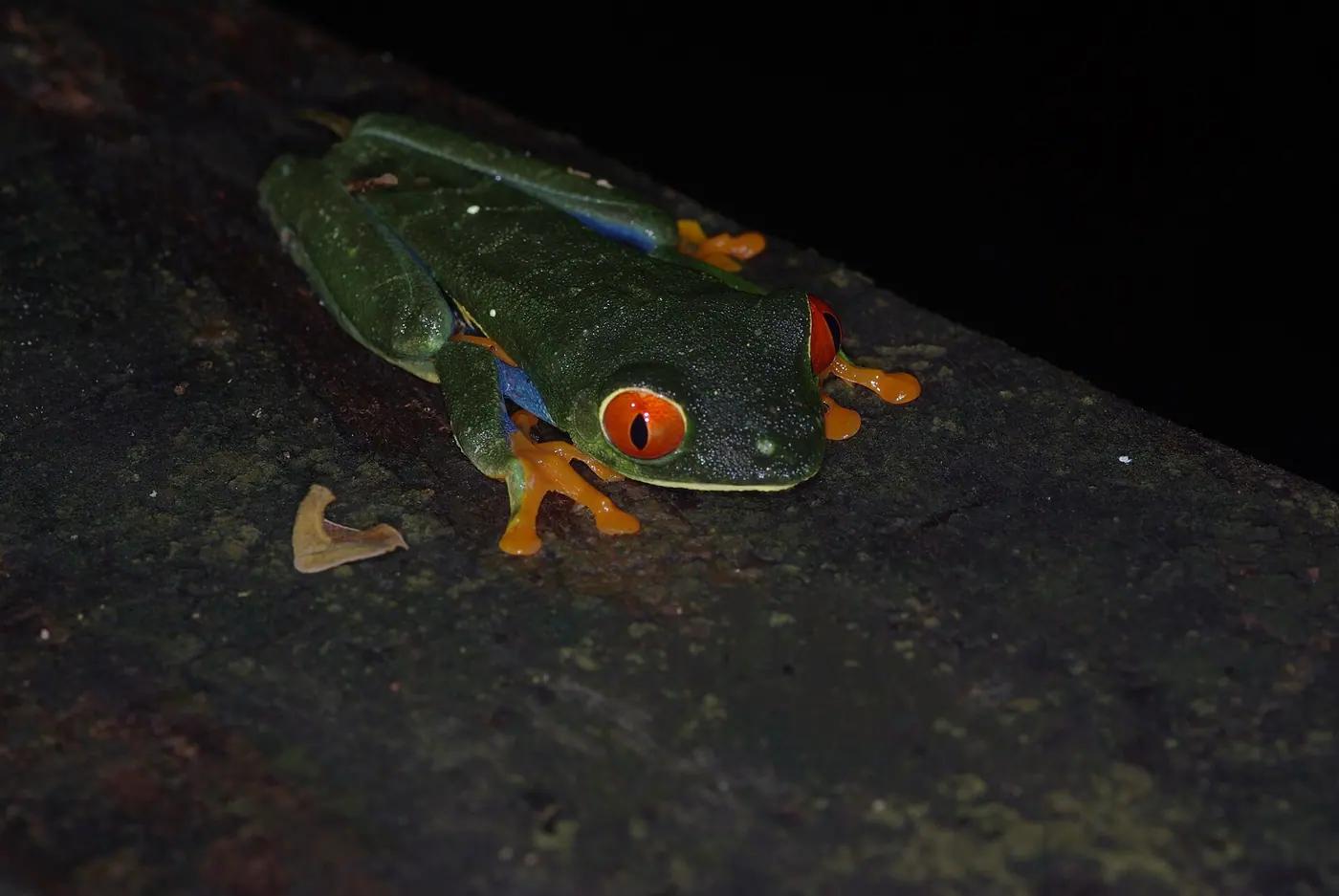
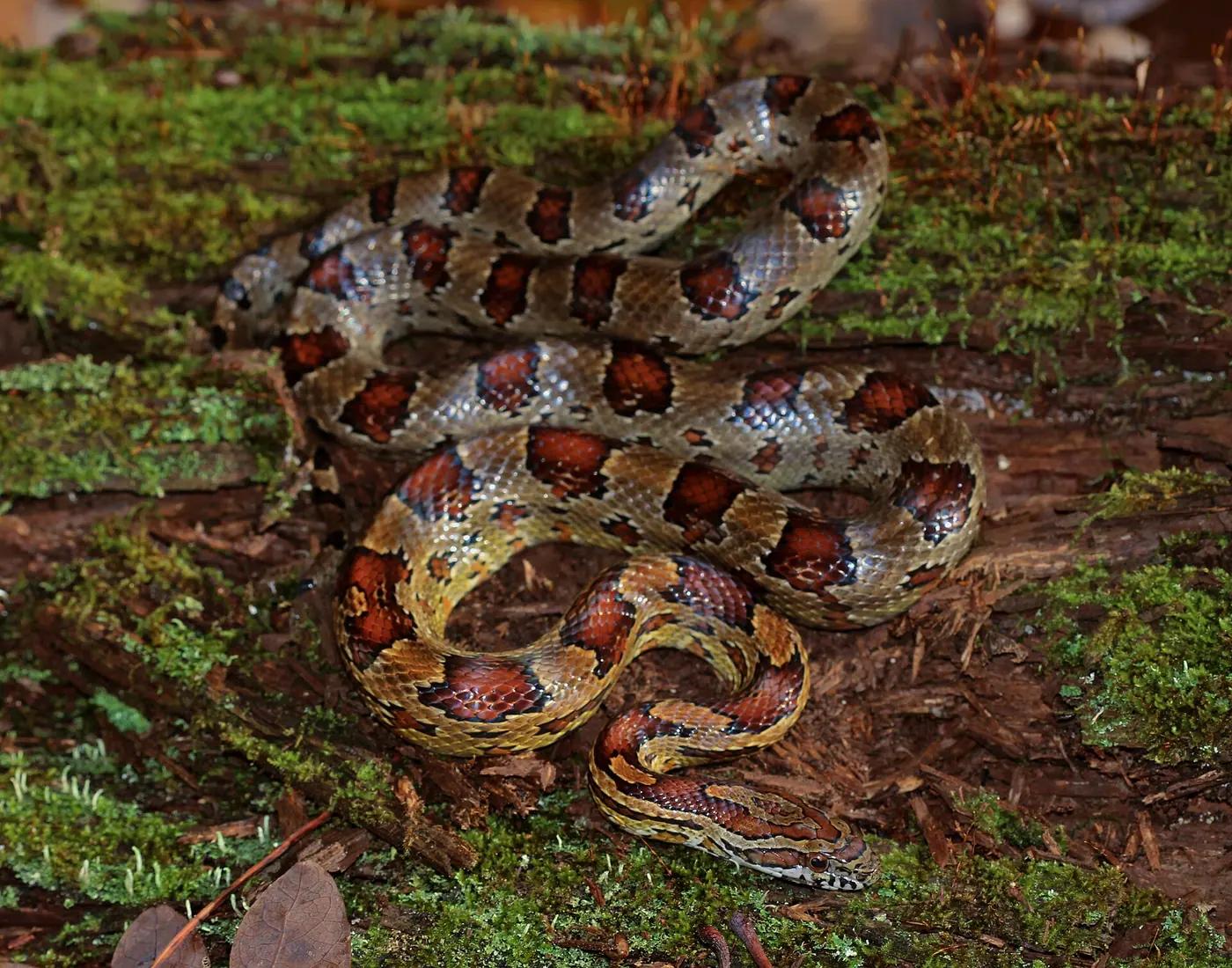
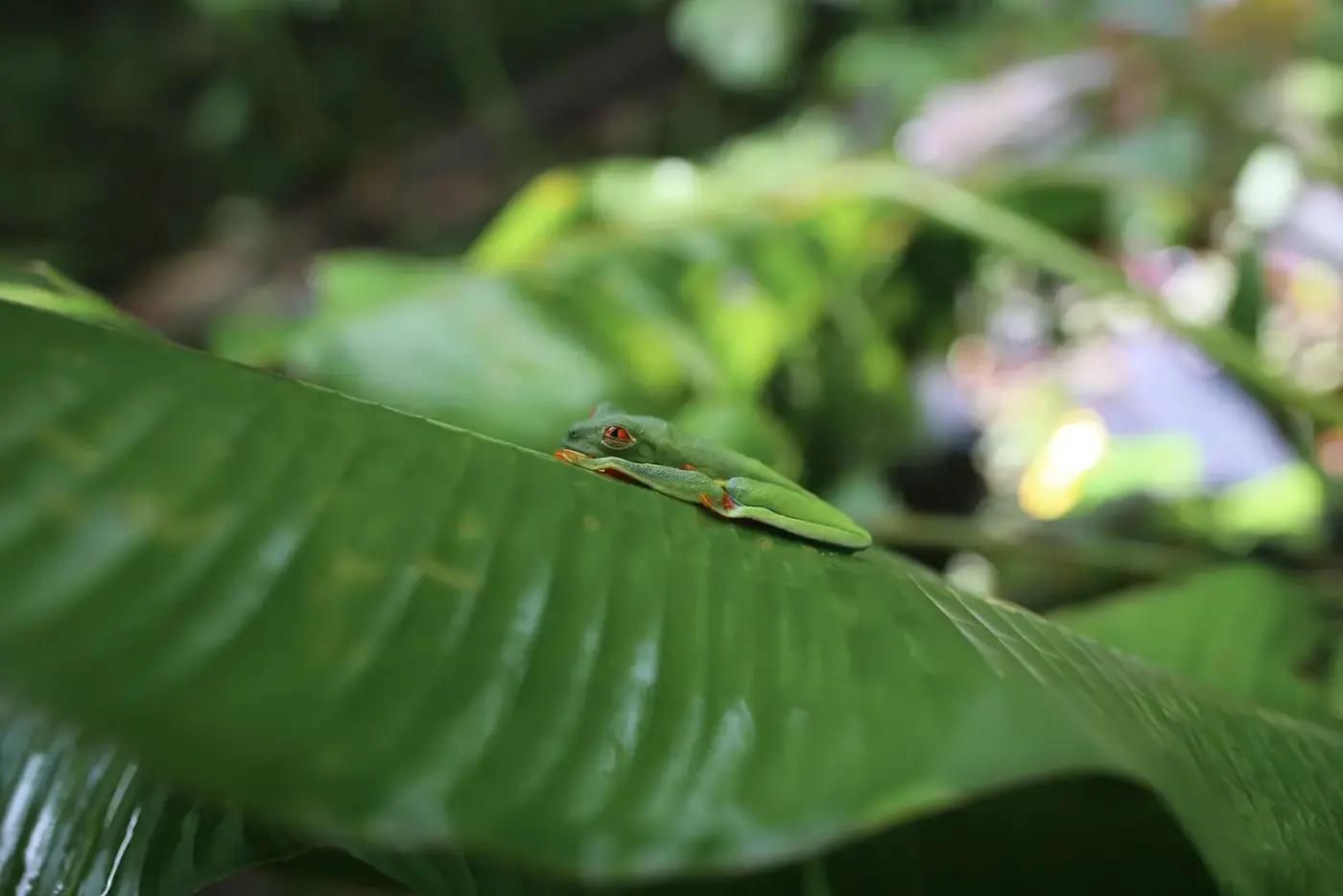
In the tropics the rhythm is wet season and darkness. A red-eyed tree frog, about 5 to 7 cm long, spends the day asleep under a leaf and only climbs out after dark, so a listing that offers tree frogs on a sunny afternoon walk is selling something it cannot deliver. A corn snake in the south-eastern United States, usually 60 to 120 cm long and harmless to people, is most often found on warm evenings crossing a trail or a quiet road.
Fire salamanders in Europe are the classic rain animals: they stay underground in dry weather and walk out onto forest floors and wet lanes after dark on mild, rainy nights. Their yellow-and-black warning colours advertise toxic skin secretions, which is another reason nobody should pick one up. Realistic expectations look like this: a two-hour spring walk might produce a few frogs, a newt, and if conditions line up, one snake. A dry cold night might produce a gecko on a wall and a lesson in where to look next time.
Red-eyed Tree FrogCorn SnakeFire Salamander
What to bring and what to leave behind
Pack for standing still in the dark, not for a hike. The list is short.
Bring
Closed shoes or boots, long trousers, a headlamp with a red mode plus a spare torch, water, insect repellent, a phone with charge for photos and the app, and clean footwear if you are moving between wetlands.
Leave behind
Snake hooks, bags, nets, and any plan to pick something up. Also leave behind the expectation of a trophy photo. Your phone camera at a respectful distance is enough to identify most animals later.
On the night
Keep lights low and brief on any animal you find, step where the Guide steps, replace anything that is lifted, and let the Guide decide when to move on. If a road is involved, stay on the verge.
Where AnimalDex fits
AnimalDex does not list, book or run tours. Its Wildlife Guides are virtual: a guide to a place, built from the wild animals its author logged there. A buyer gets the author's notes on every animal (where, when and how they found it), a direct chat with the author, and introductions to local people the author met, where they can help. Buying is coming soon.
A virtual guide is advice from someone who has been there, not a tour. The author is not with you, and wildlife is never guaranteed. Any local guide or operator the author introduces is independent of AnimalDex; agree terms with them directly. A herping walk itself is booked and paid with the guide who runs it, so read their copy and ask the questions above.
How buying a Wildlife Guide worksVirtual Wildlife Guides on AnimalDex
Log what you find, not what you were promised
A guided walk is different from keeping your own herping field journal in the app, but the two fit together. On the walk, take a live photo of each animal from a distance and let AnimalDex identify it; captures are live in-app photos, so a gallery upload later is not the same record. Note the time, the weather, and the general habitat, because those are what explain your next sighting. A log of three frogs and a newt on a wet April night is a real record. A guaranteed snake is not.
The only way to guarantee a snake is to keep one in a bag. Nobody should pay for that.
Herping field journalWhat to expect on a guided herping trip
Quick questions
Short answers to common questions readers ask on this topic.
- What is a herping tour?
- A herping tour is a guided walk to look for reptiles and amphibians, usually at dusk or at night along public paths, pond edges, and quiet roads. A good one teaches you where and when to look and does not handle, bait, or guarantee animals. Sightings depend on temperature, rain, and season, so the honest version is described as a walk, not as a list of species.
- Can you touch animals on an ethical herping trip?
- No. Handling stresses reptiles and amphibians, spreads skin disease between amphibians, and is illegal for protected species in many places. Ethical Guides keep everyone at a distance, use lights briefly, replace any cover they lift, and let you photograph from where you stand. If handling is advertised as the highlight, the trip is built around disturbance.
- How do I know if a reptile guide is legitimate?
- Look for a named public area, a small guest cap, a duration tied to dusk or rain, and copy that says sightings are not guaranteed. Ask how they handle roads, private land, and protected species. A local guide met through an AnimalDex virtual guide is independent of AnimalDex, so the same checks apply.
- What should I bring on a herping walk?
- Closed shoes, long trousers, a headlamp with a red mode and a spare torch, water, insect repellent, and a charged phone for photos. Arrive with clean boots if you will visit wetlands, because amphibian chytrid fungus travels on mud. Leave hooks, bags, and nets at home; you will not be catching anything.
- What is the best time of year for a herping tour?
- In temperate regions, spring and early summer are best: mild wet nights bring frogs and newts to ponds and snakes out to bask. In the tropics, the wet season and the hours after dark are the productive window. Cold, dry, or very hot conditions reduce activity, so a good Guide will tell you when to come back rather than sell a poor night.
Animals mentioned
Jump from this article into the species pages behind the examples, systems notes, and field-guide references.
Answer guides related to this topic
If you want direct comparisons and clear recommendations, continue with these answer-focused pages.
Best Animal Identification Apps
Compare the best animal identification apps by features like photo/video identification, species coverage, collection capabilities, offline use, and more.
What Is Animal Collecting
Learn what animal collecting means in modern apps and how AnimalDex turns real-world sightings into cards, sets, rarity, and species learning.
Pokemon-Like Animal App
Looking for a Pokemon-like animal app with real species? AnimalDex combines creature-collection energy with AI scanning and wildlife learning.
Related guides
wildlife-experiences
What to Expect on a Guided Herping Trip
What a guided herping trip is actually like: the pace, a typical evening hour by hour, what the Guide should refuse, what to bring, and how to log finds.
7 min read
What Happens on a Night Wildlife Walk?
What a night wildlife walk is really like: how lights are used, who is active after dark, what to bring, how weather changes the night, and how to log it.
7 min read
How to Choose a Local Wildlife Guide
How to choose a local wildlife guide: the facts a listing should show, questions to ask, group size, honesty about sightings, and where AnimalDex fits.
7 min read