

wildlife-experiencesherping
What to Expect on a Guided Herping Trip
What a guided herping trip is actually like: the pace, a typical evening hour by hour, what the Guide should refuse, what to bring, and how to log finds.
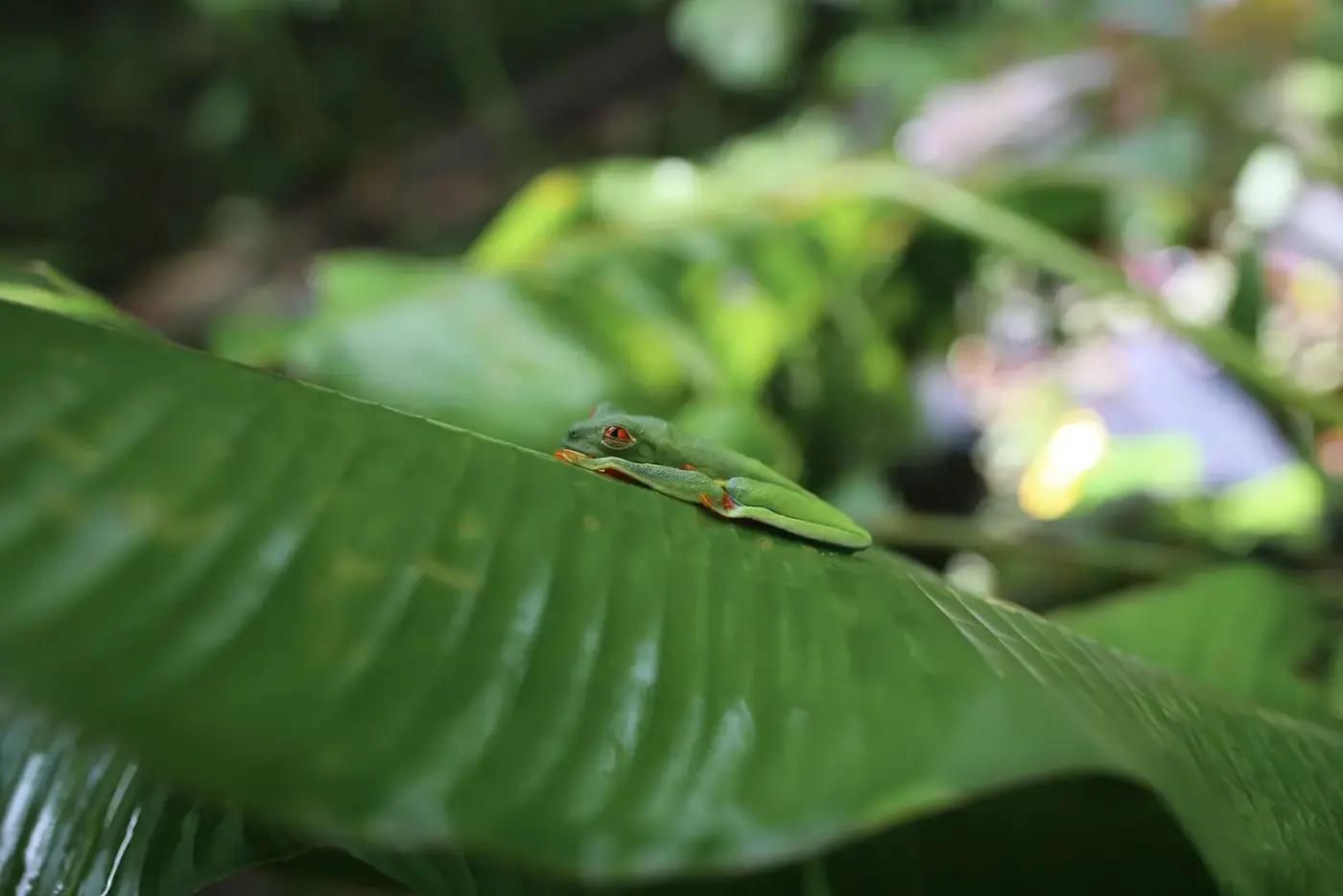
Pace, not a checklist
Most herping time is walking, listening, and checking edges. You stop at a drystone wall, a culvert, the lit side of a building, the margin of a pond. The Guide points a torch low across the ground, you look for eyeshine or a shape that does not match the leaves, and then you move on. You may see a gecko on a wall and nothing else. That is still a successful outing if the Guide taught you where and why to look, because the knowledge transfers to every walk you take afterwards.
Expect a small group, usually a handful of people, and a Guide who sets the pace rather than the loudest guest. A good listing tells you the general public area, the duration, and the guest cap before you book, and says the walk is for frogs, snakes and other reptiles without handling. That last phrase is the one to hold the Guide to.
Virtual Wildlife Guides on AnimalDex
A typical evening, hour by hour
Trips differ by region and season, but a temperate spring evening tends to run like this. Treat the species as possibilities, never promises.
| Time | What usually happens | What you might see |
|---|---|---|
| Meet, last light | Briefing: route, rules, lights, where the road is, what to do if someone finds something first | Lizards or snakes basking on the last warm stone of the day |
| First hour | Slow walk along walls, hedges, and the lit side of buildings; the Guide shows how to sweep a torch low | Geckos near lights in warm regions; toads starting to move |
| Second hour | Pond or stream edge, standing still; listening for calls before looking | Frogs and newts in shallows; with rain, salamanders on the path |
| Final stretch | Return by a different edge; quick checks of culverts and verges | A snake crossing, if the night is warm enough; moths and spiders either way |
| Wrap-up | Recap of what was found and why, in the app if you want it logged | Nothing new, and that is normal |
What the Guide should refuse
Baiting, flipping every rock, pulling animals from cover, or lining up a photo that stresses the animal. If that is the product, it is not an experience worth taking, anywhere. The honest version is slower and leaves everything exactly where it was.
Here is how the two kinds of trip look in practice.
| An ethical Guide | A Guide to avoid |
|---|---|
| Lifts a stone, looks, replaces it the same way up | Flips every rock along a wall and leaves them upturned |
| Keeps the torch beam off an animal's eyes after a few seconds | Holds a bright light on a frog while six phones take photos |
| Points, explains, keeps everyone at a distance | Picks the animal up and passes it round for photos |
| Says 'nothing tonight, here is why' when it is cold | Produces an animal from a bag or a known hide-box |
| Walks the verge, stops only where it is safe | Stops the car in a live lane for a road-crossing snake |
| Asks you to arrive with clean boots for wetlands | Moves between ponds with muddy nets and no hygiene |
What makes a great ethical Wildlife Guide
The animals you are most likely to meet
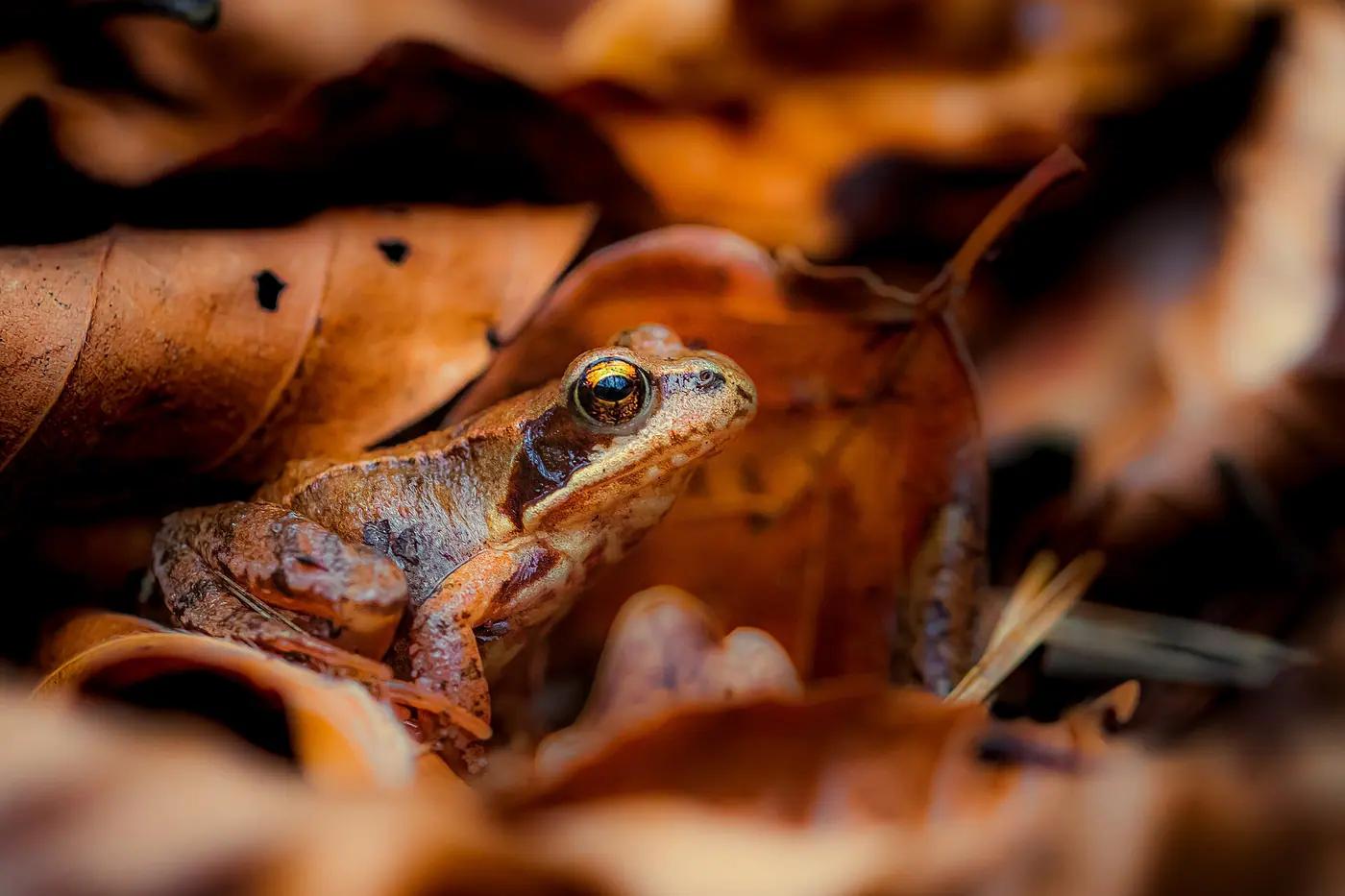
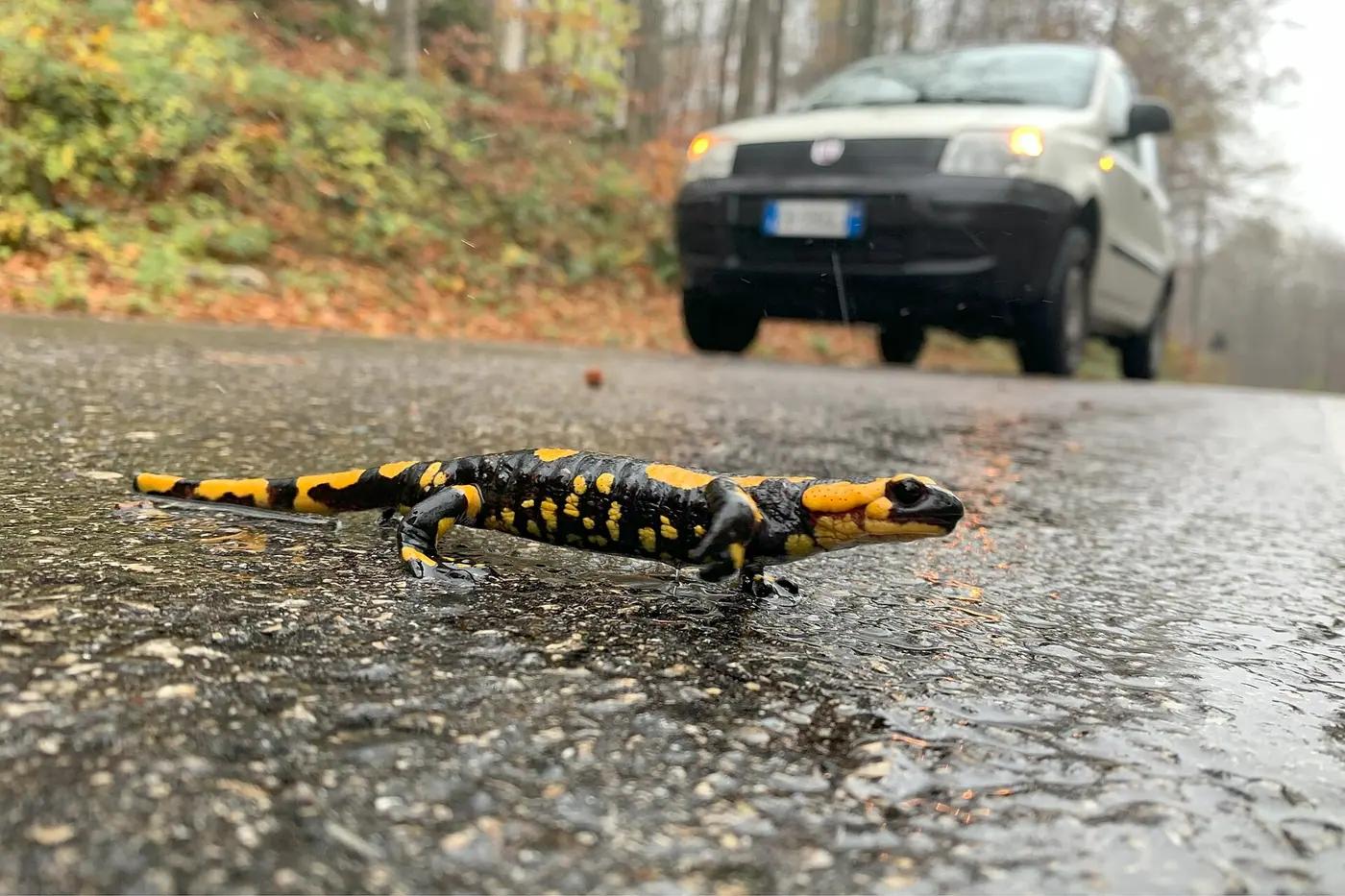
The realistic cast depends on where you are, but a few groups turn up again and again. Common frogs are 6 to 9 cm long and move to ponds early in spring, often on the first mild wet nights of the year. Fire salamanders, 15 to 25 cm with bold yellow-and-black markings, stay hidden in dry weather and walk out onto forest floors and lanes on rainy nights; their skin secretions are toxic, so nobody should touch one. In warm regions the first find of the night is often a Mediterranean house gecko, 10 to 13 cm long, hunting insects on a wall beside a light.
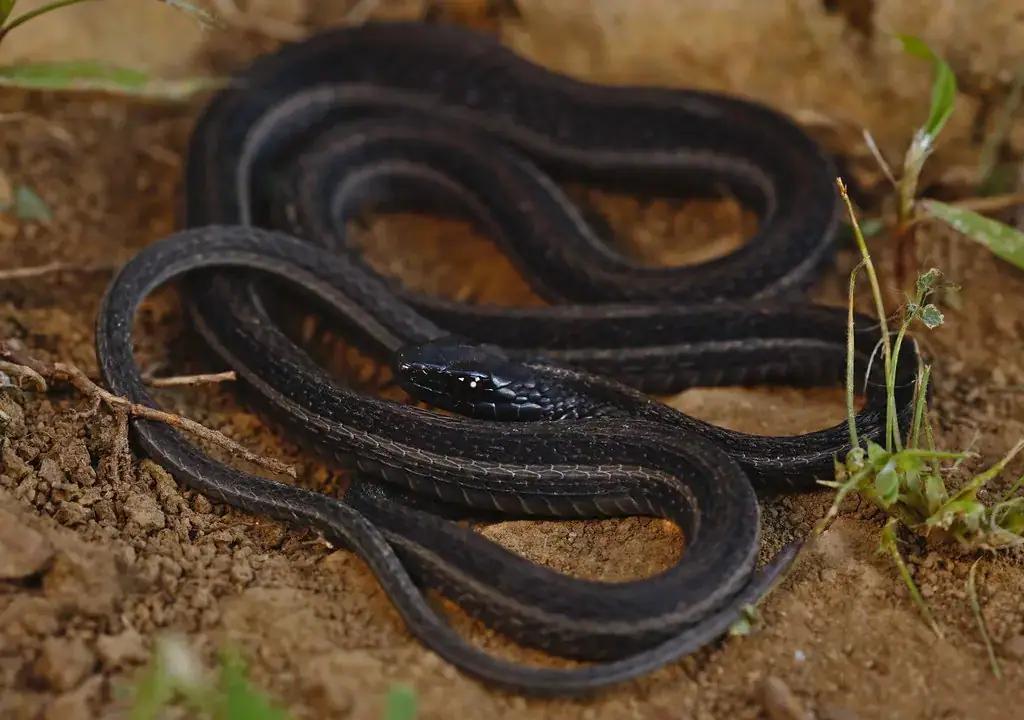
Snakes are the least predictable. A corn snake, usually 60 to 120 cm and harmless to people, is most likely on a warm evening crossing a trail or a quiet road, and a cold snap will keep it underground. A good Guide tells you that in the briefing so that an evening of frogs and no snake lands as a normal night, not a failure.
Rain, roads, and why the weather sets the night
Reptiles and amphibians are ectotherms, so a few degrees change everything. Mild and wet brings amphibians out; warm and dry suits lizards and snakes; cold shuts most activity down. Expect the Guide to check the forecast and to tell you honestly that a cold, dry night will be a short, quiet walk. That is not a reason to cancel, but it is a reason to reset expectations.
Rain also pushes animals onto roads, where warm tarmac and open space make them easy to see and easy to kill. Many herpers walk quiet lanes after rain for exactly that reason. The rule on a guided trip is simple: stay on the verge, wear something reflective, never stop in a live lane, and let the Guide move an animal off the road only if it is in immediate danger and local rules allow it.
What to bring
Bring closed shoes, a light if it is a night walk, and the expectation that you will not handle anything. The full list is short.
Footwear and clothing
Boots or closed shoes that can get wet, long trousers, and a layer for standing still. Clean the mud off your boots before the trip if you are visiting wetlands; amphibian chytrid fungus travels on it.
Light
A headlamp with a red mode and a hand torch as backup. Red light keeps your own night vision and is less disturbing to animals. Point it low and keep it off eyes.
Phone and app
A charged phone for live photos from a distance. AnimalDex captures are live in-app photos, so take the shot on the night rather than planning to upload later.
Not needed
Hooks, bags, nets, a big flash, or a long lens. Phone photos from a metre or two away identify most finds.
After the walk: how to log it
Add each animal to your herping field journal in the app while the night is fresh: the live photo, the time, the weather, and the general habitat. Keep the Guide's area general in your notes too; publishing a precise location for a sensitive species helps collectors more than it helps you. Over a season the pattern in your own log, which nights produced which animals, becomes the field craft you paid the Guide to start.
If you want the notes before the next trip, an AnimalDex virtual guide to the place, when one exists, gives you its author's notes on every animal they found there and a chat with them. It is advice, not a tour, and buying is coming soon.
A gecko on a wall and a lesson in where to look is a good night. A snake pulled from a bag is not.
Quick questions
Short answers to common questions readers ask on this topic.
- What happens on a herping tour?
- You meet at dusk, get a short briefing on route and rules, then walk slowly along edges such as walls, hedges, verges, and pond margins while the Guide sweeps a torch low across the ground. Finds are photographed from a distance, never handled, and the Guide explains why each animal was where it was. Most trips last two to three hours.
- How many animals will I see on a guided herping trip?
- It varies with temperature, rain, and season. A mild wet spring night can produce several frogs, a newt or two, and sometimes a salamander or snake; a cold dry night may produce one gecko. Honest Guides say so in advance. The outing is a lesson in where and when to look, not a fixed species count.
- Is a herping trip safe for beginners?
- Yes, if the Guide keeps the group on public paths and verges, keeps everyone at a distance from animals, and handles nothing. Wear closed shoes and long trousers, keep your light low, and follow the Guide's instructions near roads and water. Venomous species are observed from where you stand, never approached.
- Do I need special equipment for herping?
- No. A headlamp with a red mode, a backup torch, closed shoes, long trousers, and a charged phone cover it. Clean boots matter if you visit wetlands, because amphibian chytrid fungus spreads in mud. Hooks, bags, and nets are not needed because an ethical trip does not catch anything.
- Can I log what I see on a herping trip in AnimalDex?
- Yes. Take a live photo in the app from a distance and let it identify the animal, then add the time, weather, and general habitat to your herping field journal. Captures are live in-app photos, so a gallery upload afterwards is not the same record. Keep sensitive locations general in anything you publish.
Animals mentioned
Jump from this article into the species pages behind the examples, systems notes, and field-guide references.
Answer guides related to this topic
If you want direct comparisons and clear recommendations, continue with these answer-focused pages.
Best Animal Identification Apps
Compare the best animal identification apps by features like photo/video identification, species coverage, collection capabilities, offline use, and more.
What Is Animal Collecting
Learn what animal collecting means in modern apps and how AnimalDex turns real-world sightings into cards, sets, rarity, and species learning.
Pokemon-Like Animal App
Looking for a Pokemon-like animal app with real species? AnimalDex combines creature-collection energy with AI scanning and wildlife learning.
Related guides
wildlife-experiences
How to Find Ethical Herping Tours and Local Reptile Guides
How to find an ethical herping tour: what a good reptile guide listing shows, red flags like guaranteed snakes or handling, and what to bring.
8 min read
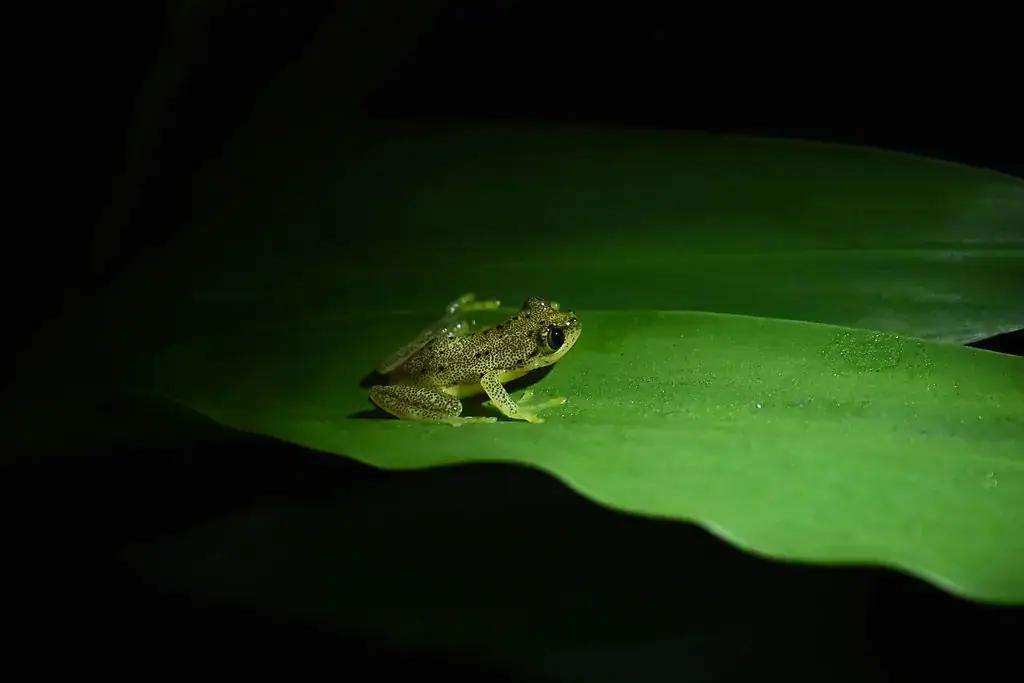
What Happens on a Night Wildlife Walk?
What a night wildlife walk is really like: how lights are used, who is active after dark, what to bring, how weather changes the night, and how to log it.
7 min read
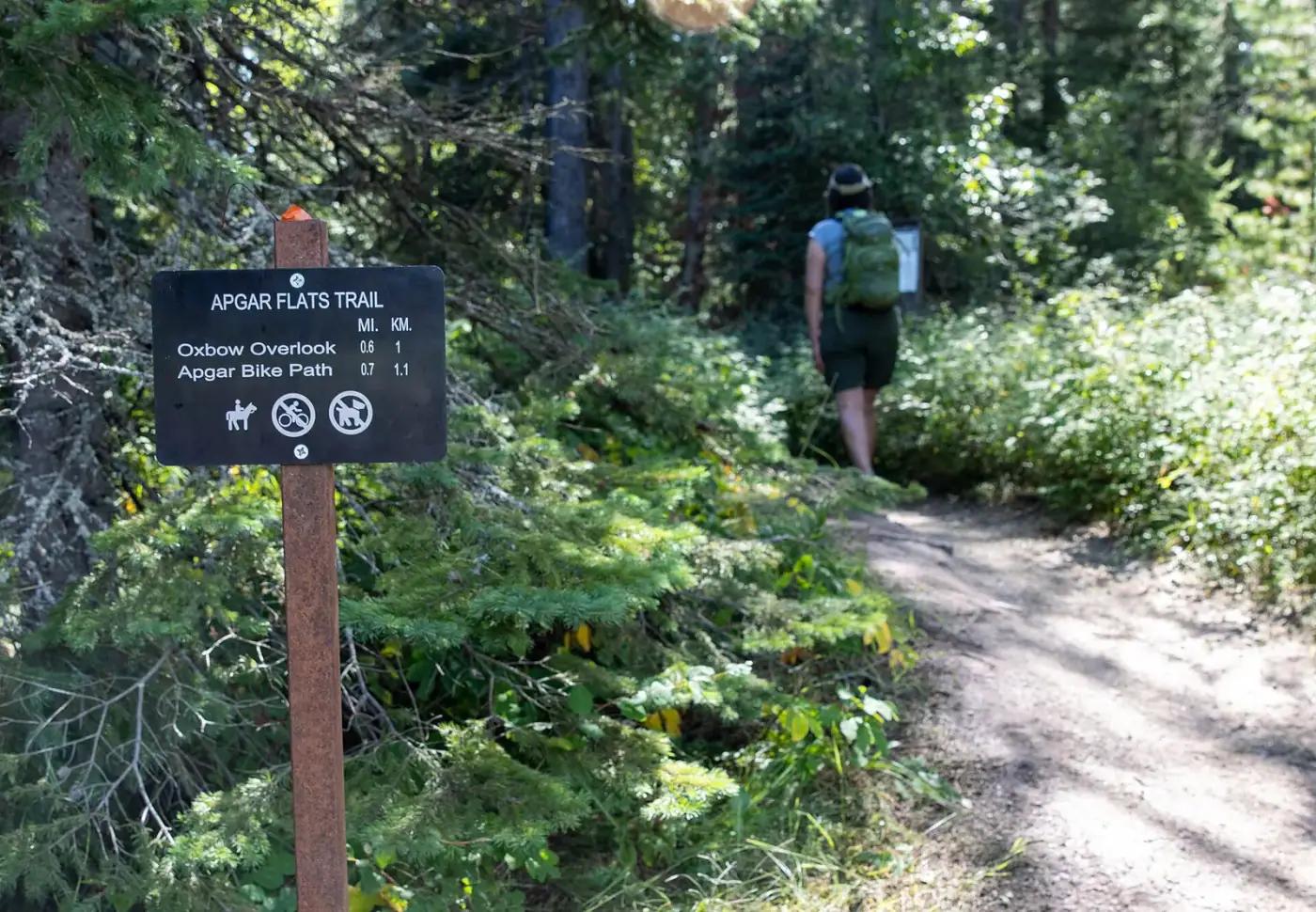
How to Choose a Local Wildlife Guide
How to choose a local wildlife guide: the facts a listing should show, questions to ask, group size, honesty about sightings, and where AnimalDex fits.
7 min read