

wildlife-guideswildlife photography
How Wildlife Photography Guides Can Find New Clients
Photo clients pay for field time and identification context, not a baited perch. How to shape an ethical session, price it and reach new clients.
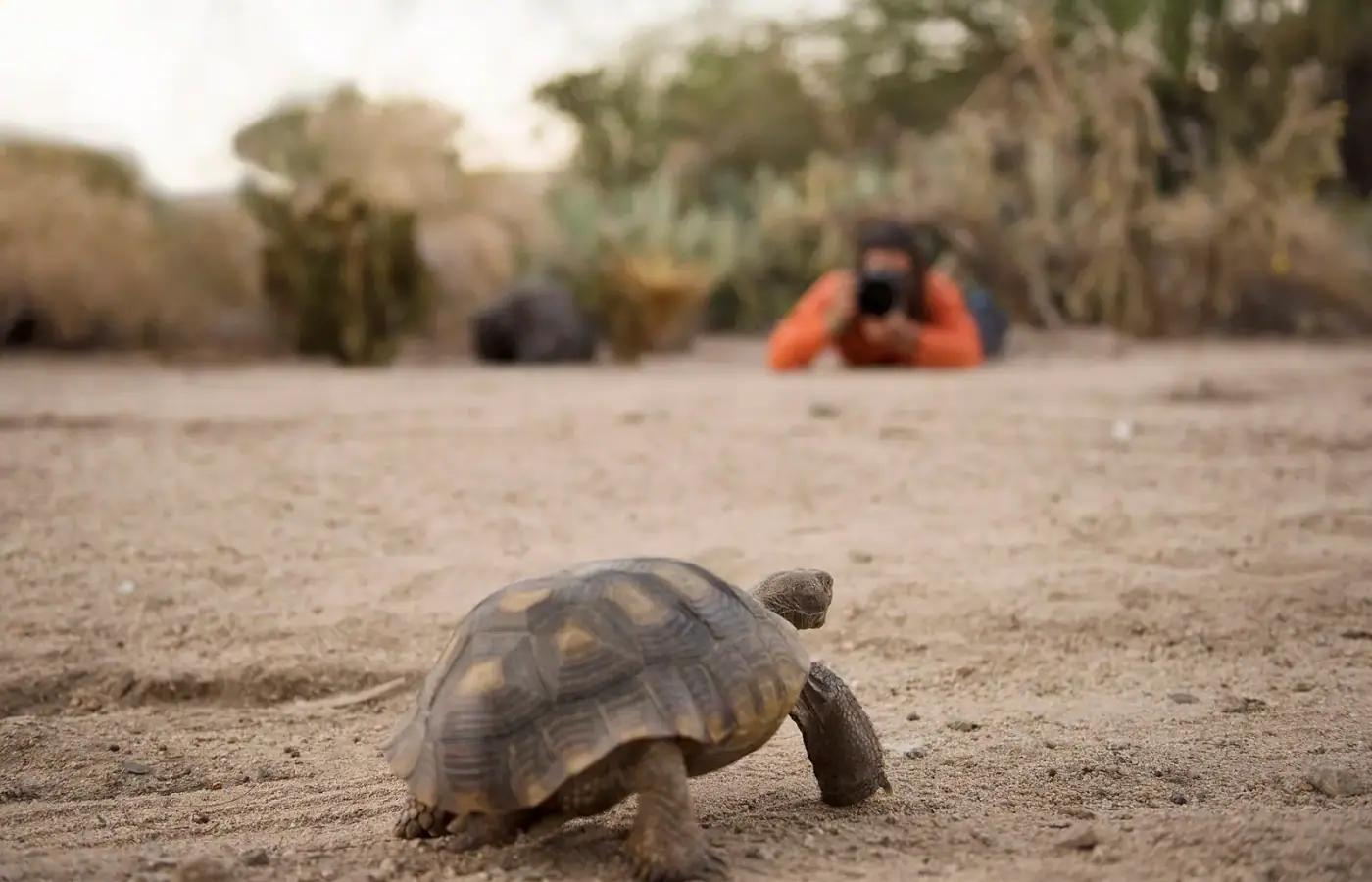
Your wild record is a portfolio
The first thing a prospective photography client asks is whether you actually find animals where you say you do. A dated record of wild captures, species by species and place by place, answers that before you have said a word, and a public AnimalDex collection is one way to keep that record.
Keep it honest. A record of animals photographed in place, at a distance, with no bait in the frame, is the portfolio of a guide people can trust with their own morning.
Virtual Wildlife Guides on AnimalDex
Sell the session you can keep ethical
A slow public-path morning with identification talk is a session worth selling. A baited owl perch, a kingfisher pool with a stocked fish tank, or a fox fed at a fixed spot is not: no baiting, luring, calling in, cornering or handling. If your current photo-tour product depends on disturbance, consider whether it is the product you want your name on anywhere.
The ethical session is also the better teaching session. Fieldcraft, light, position and patience are what a client takes home. A set of identical photographs from a hide with a bait log is what they could have bought anywhere.
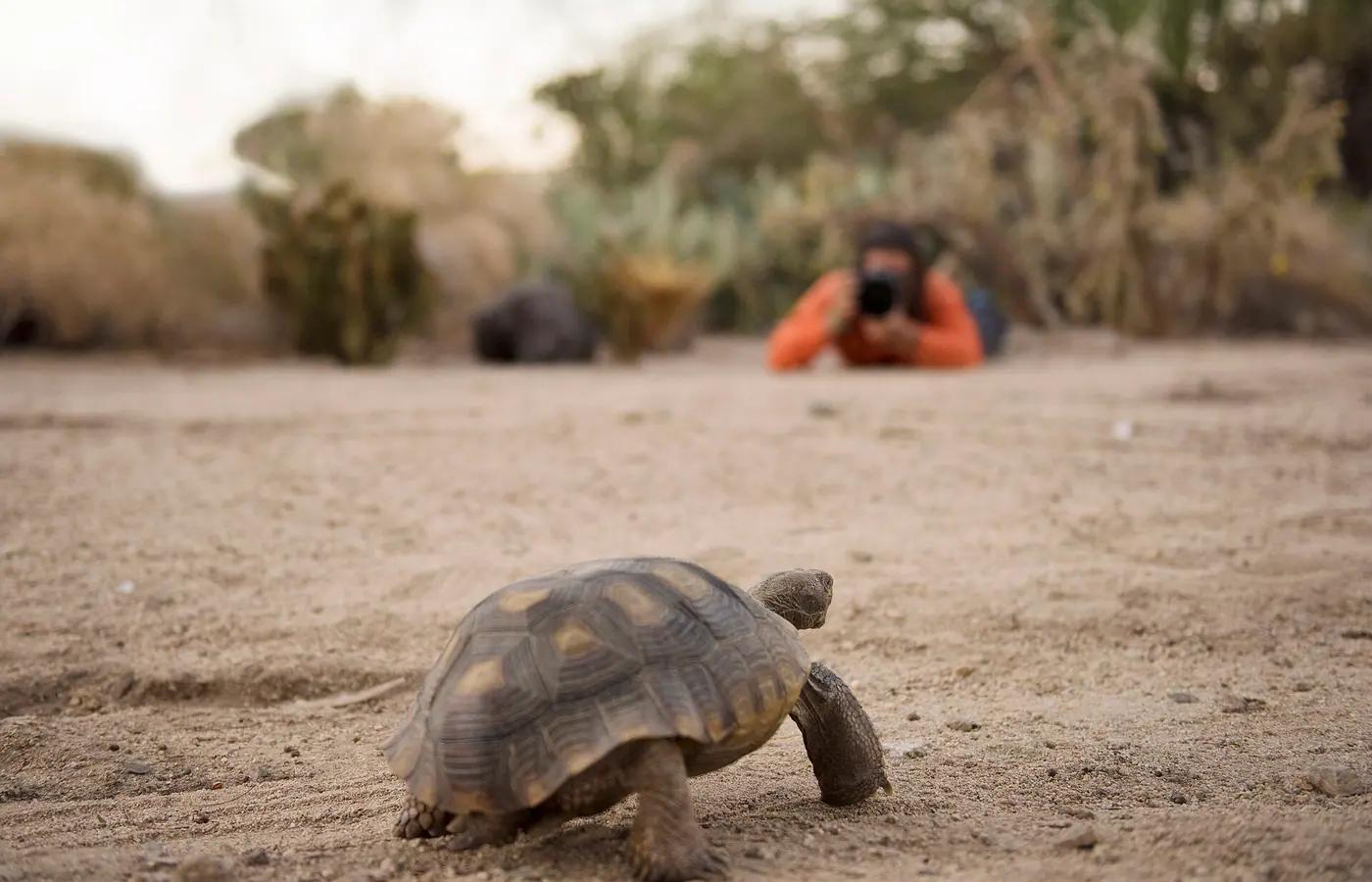
What makes a great ethical Wildlife Guide
What photography clients actually want
Ask people who book photo guides what they paid for and the answers are consistent: a place they would not have found, a time of day they would not have chosen, help with settings in the moment, and someone to tell them what the bird was. Guaranteed subjects come far down the list, and the clients who demand them are the ones who leave the worst reviews when the weather wins.
| What they ask for | What to offer |
|---|---|
| Good light | Start times built around sunrise and the hour after, or the last two hours before sunset |
| A subject that stays | Habitats where animals feed or rest in the open at that hour, approached from a distance and downwind |
| Help with the camera | Shutter speed, focus mode and exposure advice in the field, not a classroom |
| Knowing what it was | Identification and behaviour context for every frame they take |
| A clean background | Positions chosen for angle and distance rather than closeness |
| A promise | An honest no, and a description of what the morning actually involves |
Shaping a session: light, distance, pace
Plan the session around light first. The hour after sunrise and the two before sunset give low, warm light and the most animal activity; midday is for scouting and lunch. Choose two or three stops where the subject is likely to be in the open and the group can set up without approaching, such as a field edge for deer and foxes at dusk, a tide line for waders, or a rough grassland where owls hunt in the last hour of daylight.
Keep the pace slow and the group small. Four photographers with tripods take a lot of space on a path and a lot of time to set up, and a fifth person moving while the others are shooting costs everyone the frame. Brief distance before the first stop: the animal sets it, long lenses close it, and nobody steps forward.
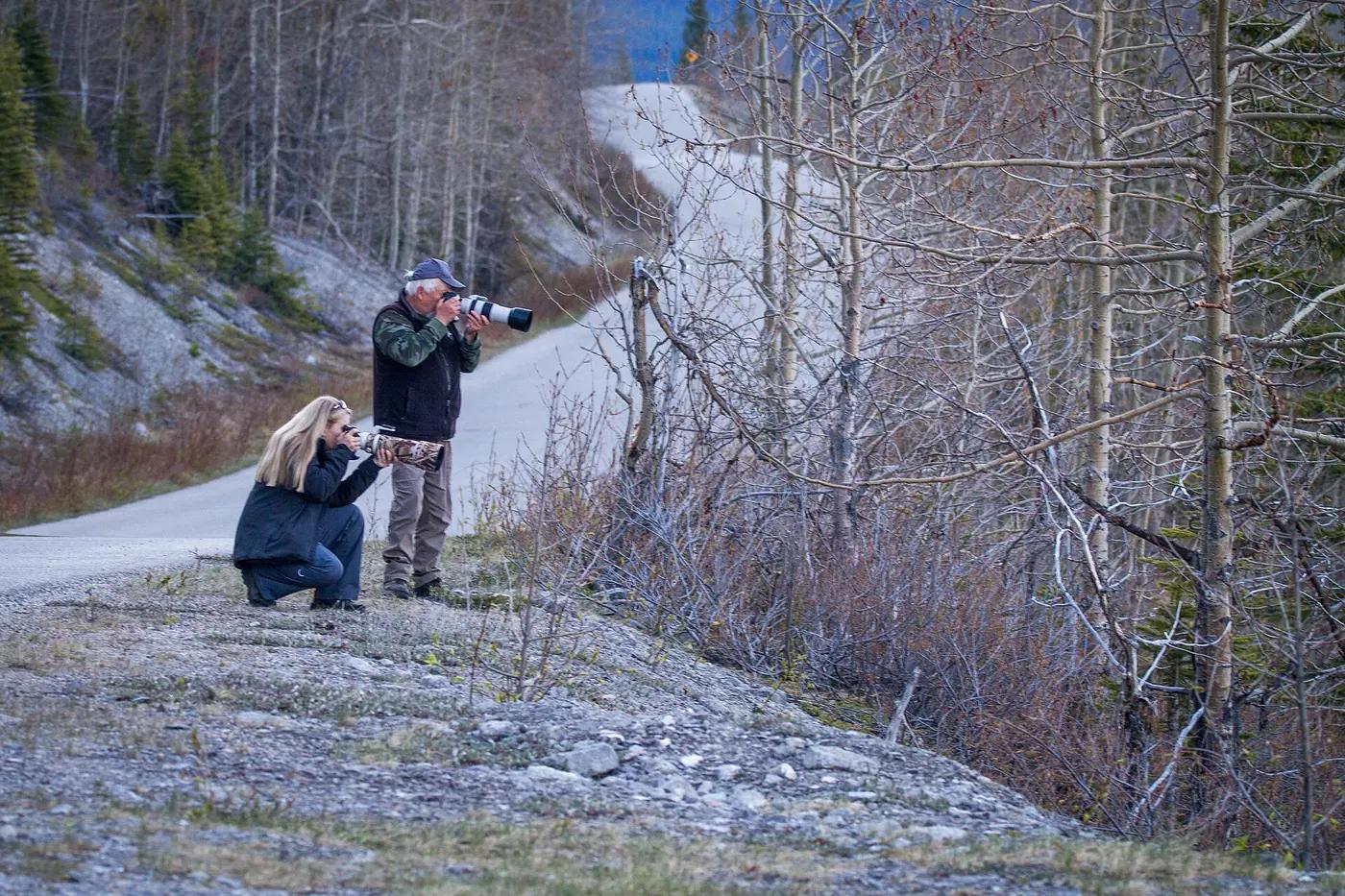
Pricing a photography session
Photography sessions cost more to run than a birding walk: they are longer, earlier, slower, and clients expect one-to-one time with their camera. Price per person with a small cap and a minimum charge, and compare against what a local photography workshop or a private lesson costs rather than against a nature walk.
| Factor | How it shows up in the price |
|---|---|
| Three to five hours including scouting | The largest line; a dawn session starts well before dawn for you |
| Cap of three or four | Fewer people to divide fixed costs over, so per-person is higher |
| One-to-one camera help | Justifies the step up from a walking tour price |
| Weather and no-show mornings | Spread across the season; flat light cancels fewer sessions than rain |
| Permits and insurance | Commercial photography permits exist in many parks and are separate from guiding permits |
| Local comparison | A half-day photography workshop or a private lesson in your area |
Where else clients come from
Most photography clients come from the same few places: your own published work with honest captions, a camera club talk, a reserve's events list, and past clients who had a good morning. Your AnimalDex wild collection is itself a portfolio with dates and species attached, which answers the question every prospective client asks first: does this person actually find animals here.
Keep sensitive locations out of all of it. A caption that names the roost is a caption that empties it.
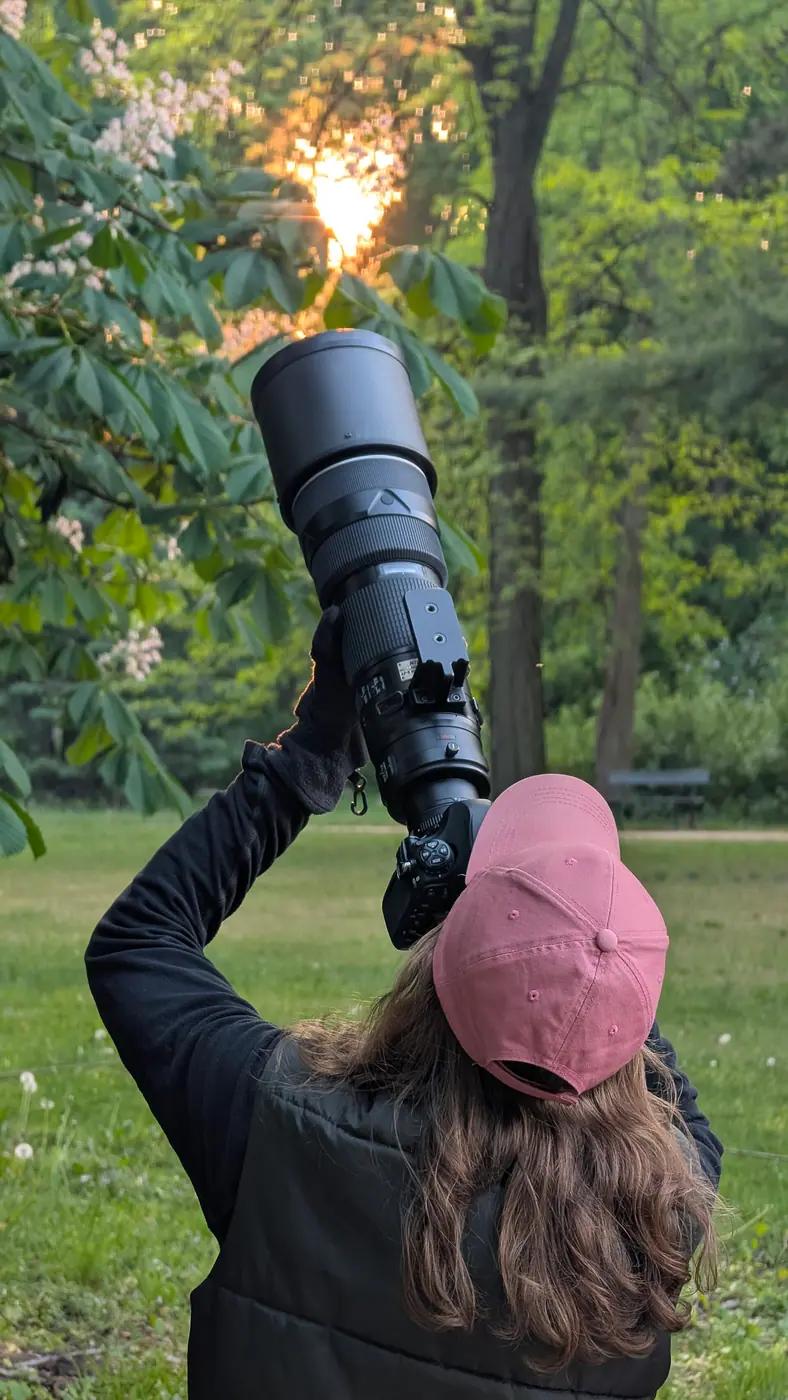
Wildlife photography tours: what to look forWildlife photography companion app
Where AnimalDex fits
AnimalDex does not list or book photography sessions; a session you lead is your own business, arranged and paid directly with your client. What AnimalDex does is turn your sightings into a virtual guide. Each place where you log 3 or more wild species, with a public photo, becomes a guide visitors will be able to buy for a small fee: your notes on every animal, a direct chat with you, and introductions to local people you met. It is advice, not a tour, buying is coming soon, and Credits are not used.
How virtual Wildlife Guides workHow buying a Wildlife Guide works
Your first three sessions
Run the session before you sell it, then sell it small.
Session one: your own dawn
Shoot your listed route at the listed time with the kit a client would carry, not your best lens. Time the stops, note where the light actually falls, and check the background at each position.
Session two: one client
Take your first paying client alone, or two at most. Spend the morning on their camera, not yours. Write down every settings question and every moment you wanted to step closer and did not.
Session three: the corrected listing
Set the cap, the duration, the start time and the price from the first two mornings. Rewrite the pitch around light, distance and teaching. Leave the species list out.
Quick questions
Short answers to common questions readers ask on this topic.
- How do wildlife photography guides find clients?
- Mostly through reputation: published work with honest captions, camera club talks, reserve event listings and past clients who had a good morning. A dated public record of the wild animals you have photographed, place by place, helps a new client trust that you find animals where you say you do.
- What is wrong with baited photography hides?
- Food put out on a schedule habituates wild animals to people and to a place, which ends with roadkill, nuisance shootings and abandoned natural feeding. It also produces identical photographs. An ethical session skips baiting, luring, calling in, cornering and handling, even where a baited hide is legal.
- How much should a wildlife photography guide charge?
- There is no standard rate. Start from real costs: three to five hours including scouting, a cap of three or four people, weather cancellations, permits and insurance. Compare the result with a local half-day photography workshop or private lesson rather than a nature walk, because the one-to-one camera help is what clients are paying for.
- Can a photography guide get paid through AnimalDex?
- Not for sessions: AnimalDex does not list or book in-person photography sessions. What it can pay for is a virtual guide built from your sightings. Once buying opens, your share of each sale is released to Earnings 8 days after the purchase, in real money. Credits are not used.
Animals mentioned
Jump from this article into the species pages behind the examples, systems notes, and field-guide references.
Answer guides related to this topic
If you want direct comparisons and clear recommendations, continue with these answer-focused pages.
Best Animal Identification Apps
Compare the best animal identification apps by features like photo/video identification, species coverage, collection capabilities, offline use, and more.
What Is Animal Collecting
Learn what animal collecting means in modern apps and how AnimalDex turns real-world sightings into cards, sets, rarity, and species learning.
Pokemon-Like Animal App
Looking for a Pokemon-like animal app with real species? AnimalDex combines creature-collection energy with AI scanning and wildlife learning.
Related comparisons
Continue with structured animal-vs-animal comparison pages connected to the species in this guide.
Related guides
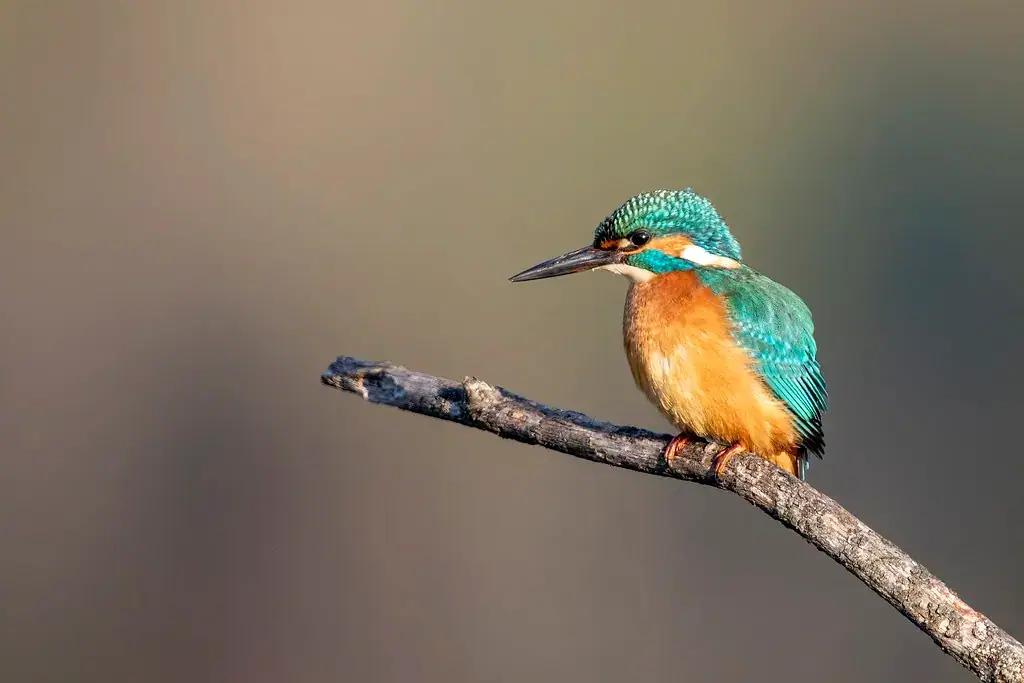
wildlife-experiences
Wildlife Photography Tours: What to Look For
What to look for in a wildlife photography tour: honest listings, questions to ask, ethics behind the lens, realistic subjects by season, and kit.
7 min read
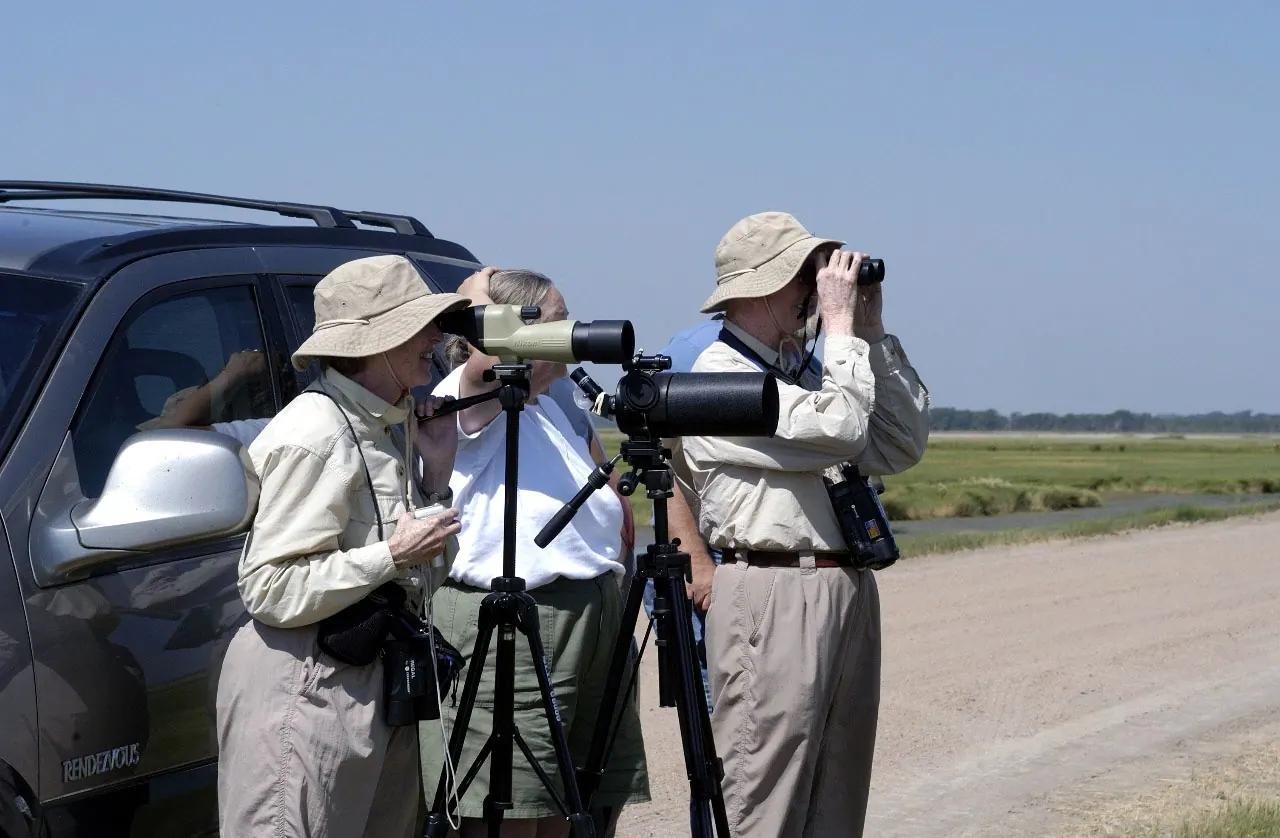
What Makes a Great Ethical Wildlife Guide?
An ethical wildlife guide sells orientation, not a guaranteed animal. Distance rules, no baiting or handling, honest pitches, safety and permits.
6 min read
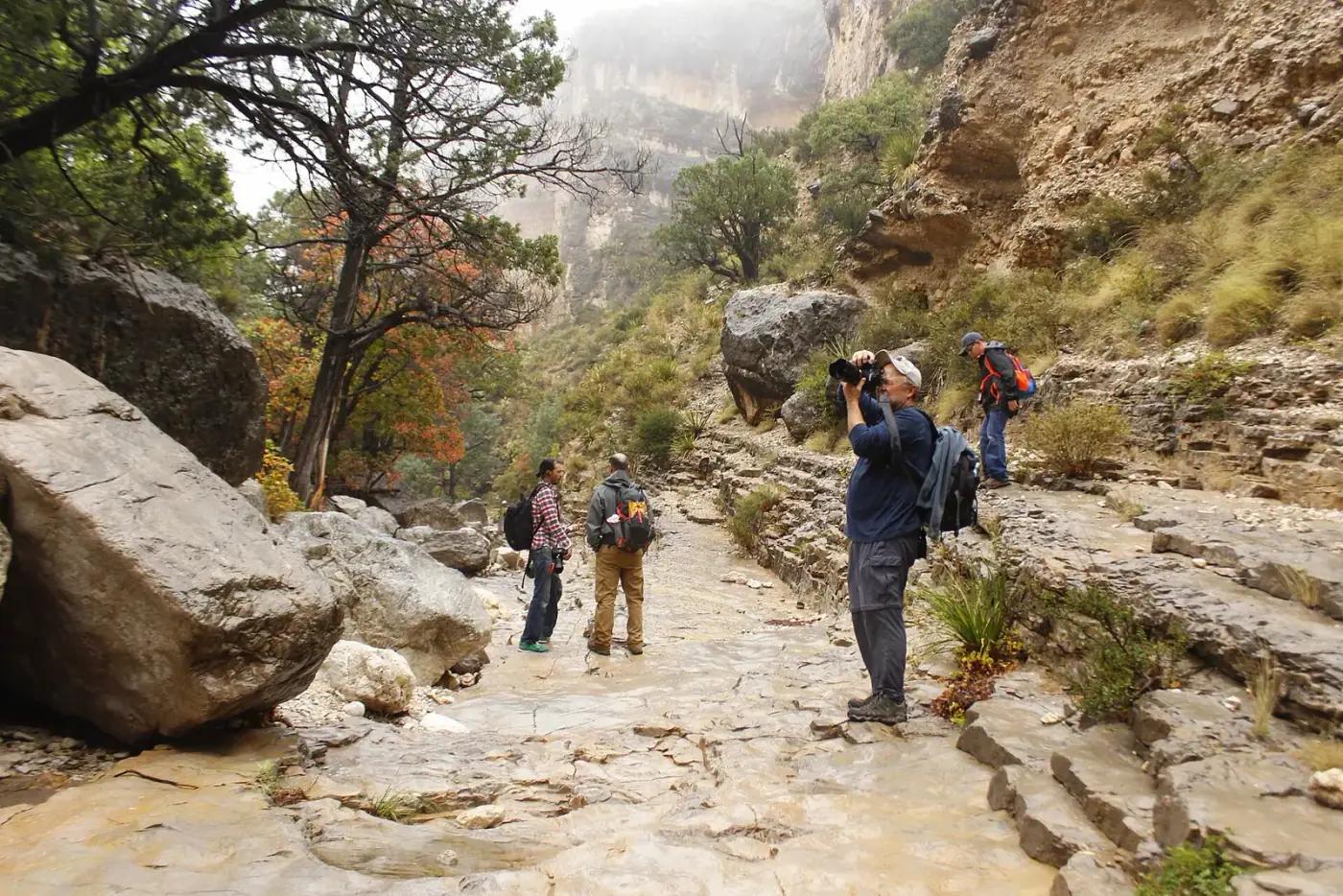
How to Become a Wildlife Guide With AnimalDex
There is no application. Each place where you log 3 or more wild species, with a public photo, becomes a virtual guide you can check, price and share.
6 min read