

wildlife-experienceswildlife photography
Wildlife Photography Tours: What to Look For
What to look for in a wildlife photography tour: honest listings, questions to ask, ethics behind the lens, realistic subjects by season, and kit.
Field time, not a studio
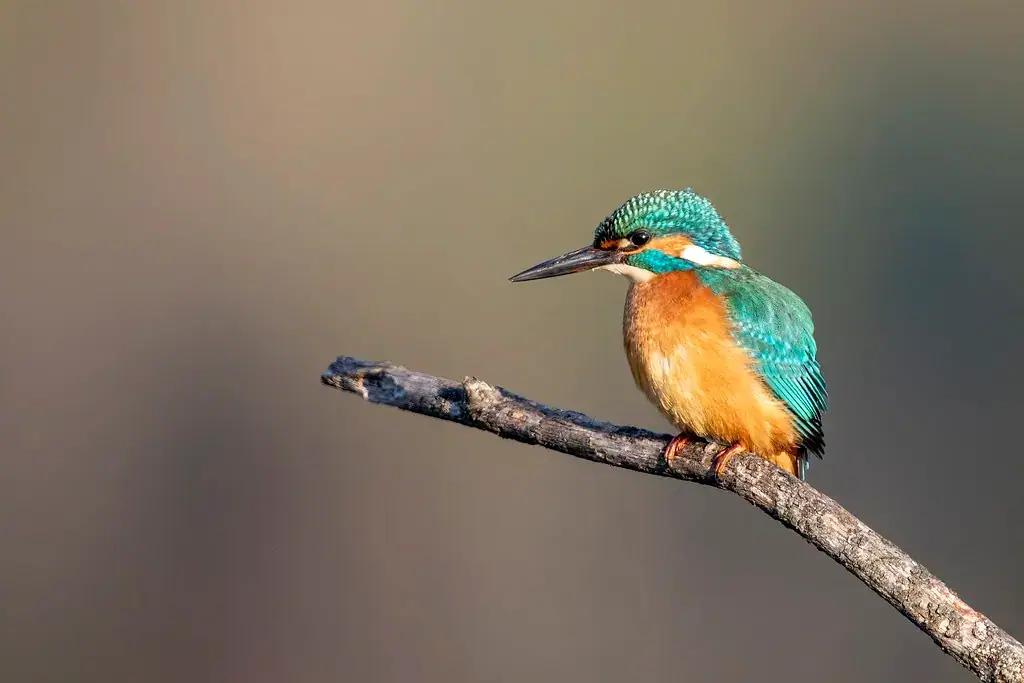
The useful listing tells you the public area, how long you will be out, and how many people share the path. It will not promise a leopard or a perfectly perched kingfisher. A wildlife photography tour should buy you two things: time in the right place at the right light, and someone who can tell you what you are looking at and what it will do next. That identification context is what separates a photo of a bird from a record of a species.
A good photography outing is field time for people who want identification context while they shoot, on public ground, with a small group and a clear per-person price. AnimalDex does not list, book or operate photography tours; its Wildlife Guides are virtual guides to a place, built from the wild animals their author logged there.
Virtual Wildlife Guides on AnimalDexWildlife photography companion app
What to look for and what to walk away from
Photography tours attract the staged-encounter business model more than any other category, because a guaranteed frame sells. Read the listing against this table.
| Look for | Walk away from |
|---|---|
| A named public area and a start time tied to light (dawn, golden hour, dusk) | Midday slots sold year-round, or a hide on undisclosed private land |
| 'Sightings not guaranteed' and a realistic species list for the season | 'Guaranteed owl', 'kingfisher dive every time', or a portfolio of identical poses |
| A small guest cap so everyone has a clean angle | Eight tripods on one perch |
| Natural perches, natural behaviour, distance | Baited perches, live or dead animals placed for the shot, call playback |
| A Guide who talks about identification and behaviour | A Guide who talks only about settings and 'the shot' |
| A clear per-person price, paid to the person leading you | Deposits elsewhere, or 'image fees' added later |
Questions to ask before you book
Ask in writing so the answers are on record. These six cover most of it.
How do you get the animals close?
The honest answer is 'we don't; we get you to where they already are, at the right time'. Bait, lures, and playback are the wrong answers.
What is likely this week, and what is not?
You want a seasonal answer: who is nesting, who is migrating, what the light is doing. A Guide who names the same star species every month is reading from a brochure.
How many photographers, and how do we share the angle?
The guest cap is on the listing. Ask how the Guide positions a group so nobody has to step closer to get a clean frame.
What do you refuse to do?
Expect: no nests, no flushing for flight shots, no flash on nocturnal animals, no leaving the path on sensitive ground, no moving an animal.
What lens is realistic here?
An honest Guide says whether 300 mm will do or whether you will be cropping. That tells you how close you will really be, which tells you about ethics.
What happens if the light or weather fails?
Rain and flat light happen. Ask whether the plan changes, shortens, or reschedules.
Realistic subjects by season and light
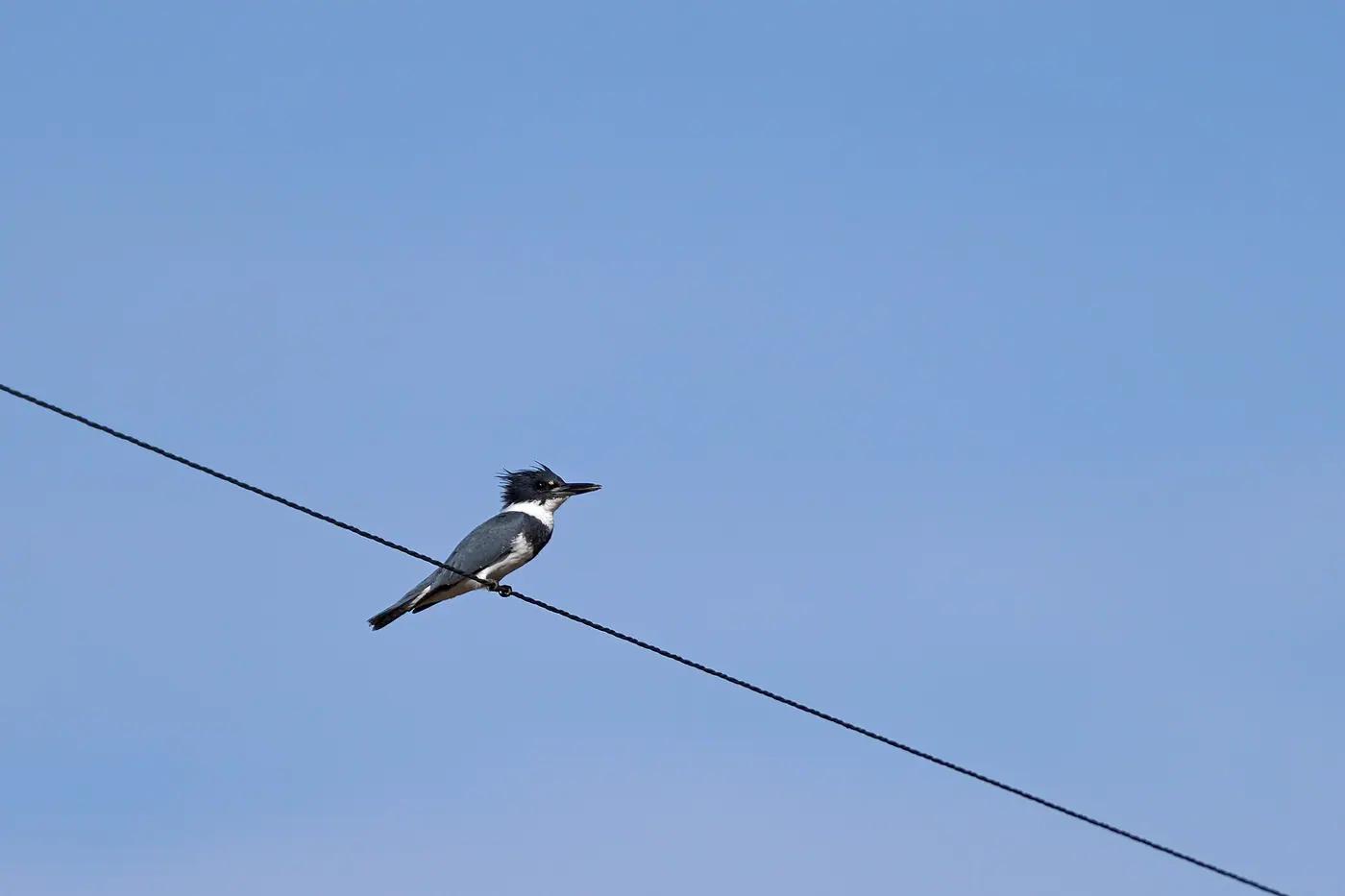
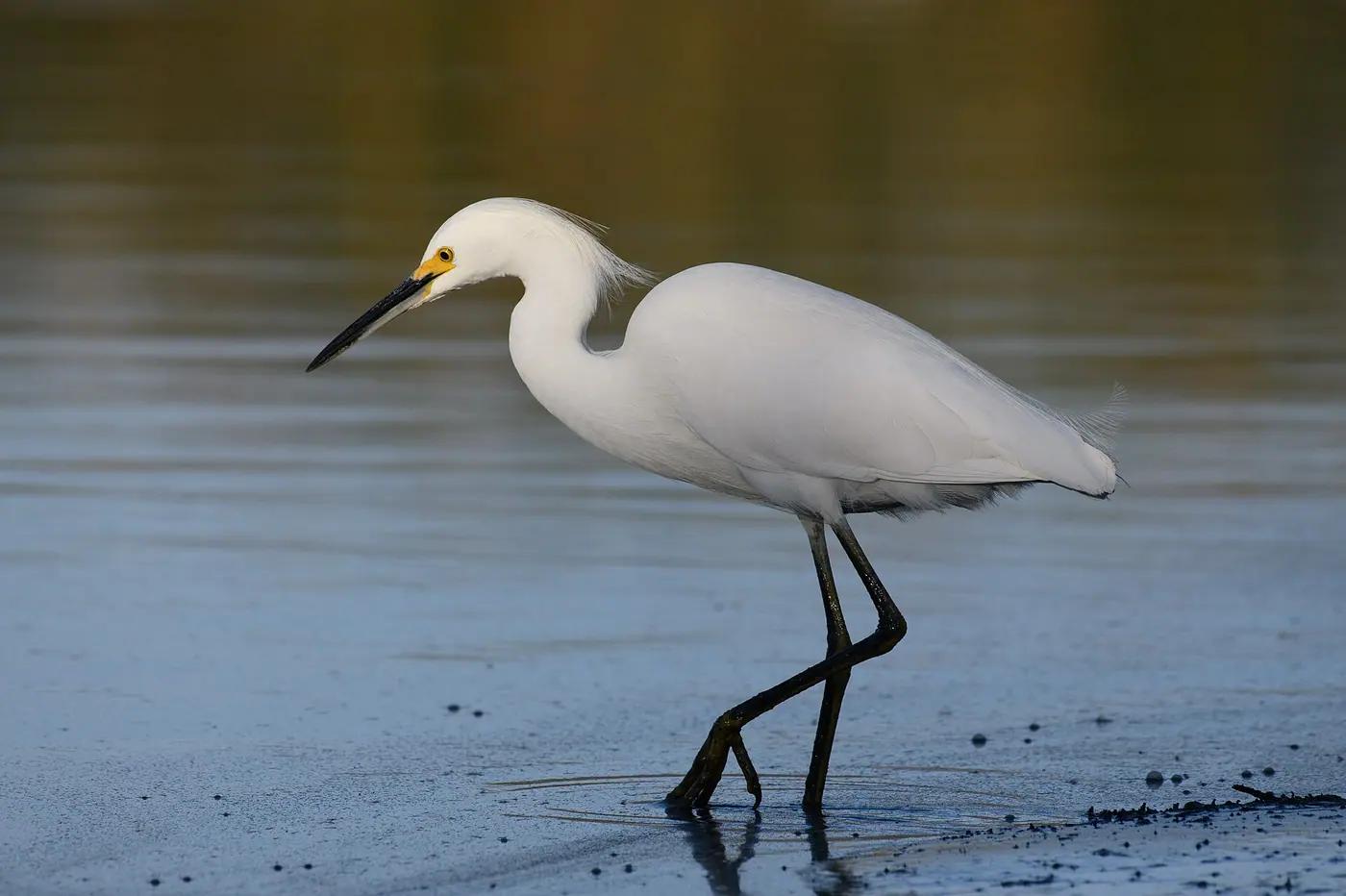
Wetland birds are the bread and butter of ethical photography tours because they are large, visible, and predictable in habitat without being approached. A belted kingfisher, about 30 cm with a loud rattling call, hunts from exposed perches over water and is one of the few birds where the female is more colourful than the male, with a rusty belly band. A snowy egret hunts shallows by shuffling its bright yellow feet to stir prey, which is behaviour you can photograph from a bank without moving. A great blue heron, standing around 1.2 m, works dawn and dusk margins and will hold a pose for minutes if nobody walks closer.
The honest expectation: a two-hour dawn session on a good wetland might give you a heron, an egret, and a distant kingfisher, with one usable frame in twenty. Mammals are rarer and more dependent on season. Owls are mostly heard. Any listing that reads like a shot list has solved that problem with bait.
Belted KingfisherSnowy EgretGreat Blue Heron
Ethics behind the lens
The pressure to get the frame is the whole ethical problem with photography tours. The rules that keep an outing honest are the same ones birding and herping use, with a few additions for cameras: no baiting perches, no live bait for raptors or owls, no playback to pull a bird in, no flash on nocturnal animals, no approaching nests or dens, no flushing a bird for a flight shot, and no moving an animal to a better background. Distance plus patience is the product.
A slow public-path morning with identification talk is worth paying for. A baited owl perch is not. If the Guide's own portfolio shows the same owl on the same stump in twenty frames, you know how those frames were made.
A tour that can guarantee the frame has already decided to disturb the animal.
What makes a great ethical Wildlife Guide
What to bring
Pack for standing still in cold light, not for a hike.
Camera kit
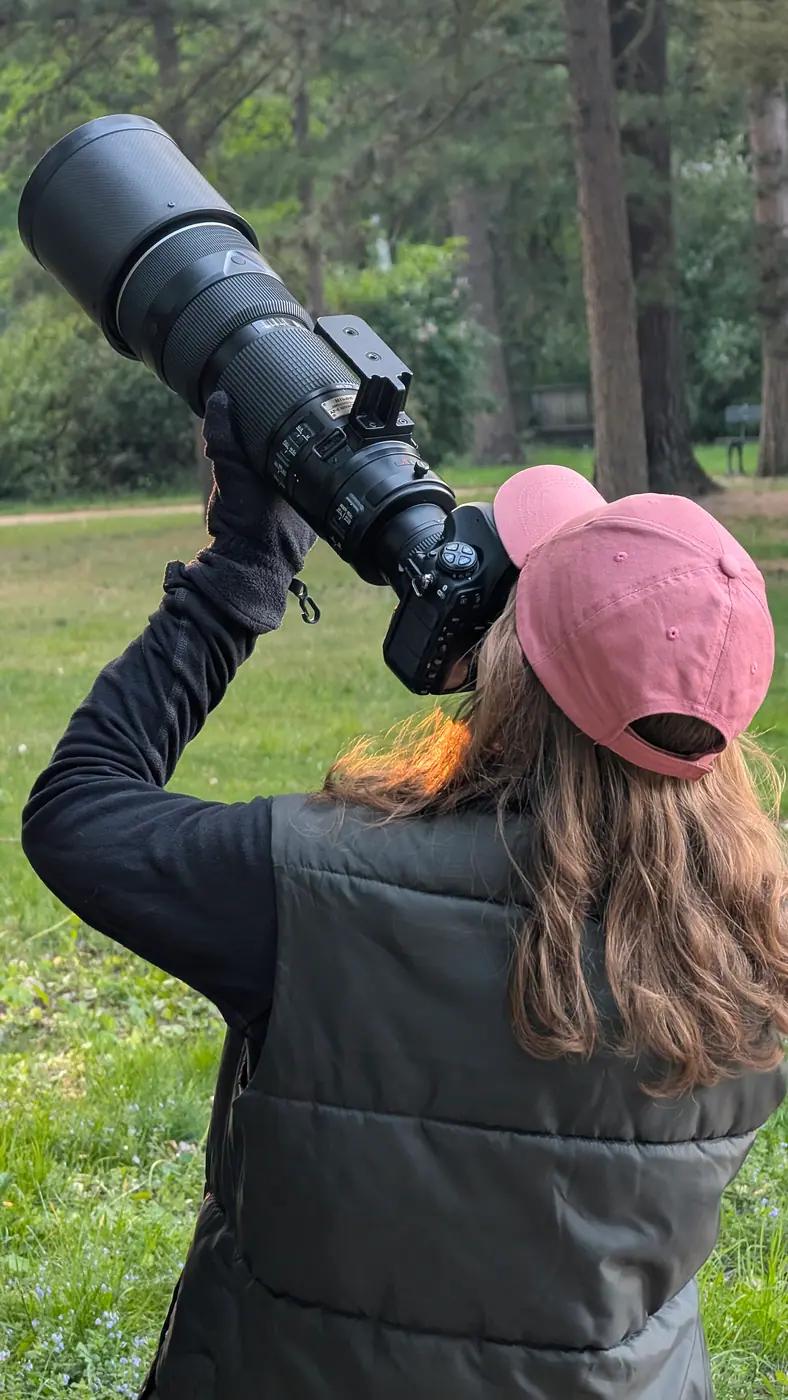
The longest lens you own, a spare battery and card, and a beanbag or monopod rather than a wide tripod footprint in a small group. Check with the Guide whether a hide is involved.
Phone and app
A charged phone for live AnimalDex captures of the species you actually photographed. Captures are live in-app photos, so take the record shot on the day as well as the camera frame.
Clothing
Muted colours, a warm layer, waterproof trousers for kneeling on wet ground, and shoes that cope with mud. Early light is cold light.
Leave behind
Flash for nocturnal animals, speakers, drones unless the Guide and the site allow them, and food intended for animals.
After the outing
Use the same app to identify and keep the species you actually photographed. That is a collection, not a proof of a paid sighting. A live capture from the day, with the time and the general place, sits in your Dex next to the camera frame you will edit later. Keep the exact perch out of anything you publish for sensitive species.
How wildlife photographers can build a species collectionHow buying a Wildlife Guide works
Quick questions
Short answers to common questions readers ask on this topic.
- What should I look for in a wildlife photography tour?
- A named public area, a start time tied to light, a small guest cap, a seasonal and honest species outlook, and a Guide who talks about identification and behaviour rather than only settings. Avoid listings that guarantee a species, use baited perches, play calls, or show the same animal in the same pose across a whole portfolio.
- Are baited wildlife photography hides ethical?
- Baiting perches, using live prey for owls or raptors, and playing calls to pull birds in all alter behaviour and are not ethical, whatever the resulting frame looks like. An ethical tour sells distance, timing, and patience: a slow public-path morning, never a baited perch.
- What lens do I need for a wildlife photography tour?
- Bring the longest lens you own; 300 mm is a practical minimum for birds and you will often crop. Ask the Guide what is realistic at their site, because the answer tells you how close you will actually be. A beanbag or monopod is easier in a small group than a wide tripod.
- Can a photography guide guarantee a kingfisher or an owl?
- No. Kingfishers fish from favourite perches and owls are mostly heard, so a Guide can put you in the right place at the right light but cannot promise the bird. Guarantees are only possible with bait or playback. Expect a realistic outlook and one usable frame in many, not a shot list.
- How do I record the species I photograph on a tour?
- Take a live capture in AnimalDex of each species on the day, from where you stand, and let the app identify it. Captures are live in-app photos, so a camera file uploaded later is not the same record. Keep the general place and time, and leave precise perches out of anything you publish.
Animals mentioned
Jump from this article into the species pages behind the examples, systems notes, and field-guide references.
Answer guides related to this topic
If you want direct comparisons and clear recommendations, continue with these answer-focused pages.
Best Animal Identification Apps
Compare the best animal identification apps by features like photo/video identification, species coverage, collection capabilities, offline use, and more.
What Is Animal Collecting
Learn what animal collecting means in modern apps and how AnimalDex turns real-world sightings into cards, sets, rarity, and species learning.
Pokemon-Like Animal App
Looking for a Pokemon-like animal app with real species? AnimalDex combines creature-collection energy with AI scanning and wildlife learning.
Related comparisons
Continue with structured animal-vs-animal comparison pages connected to the species in this guide.
Related guides
wildlife-experiences
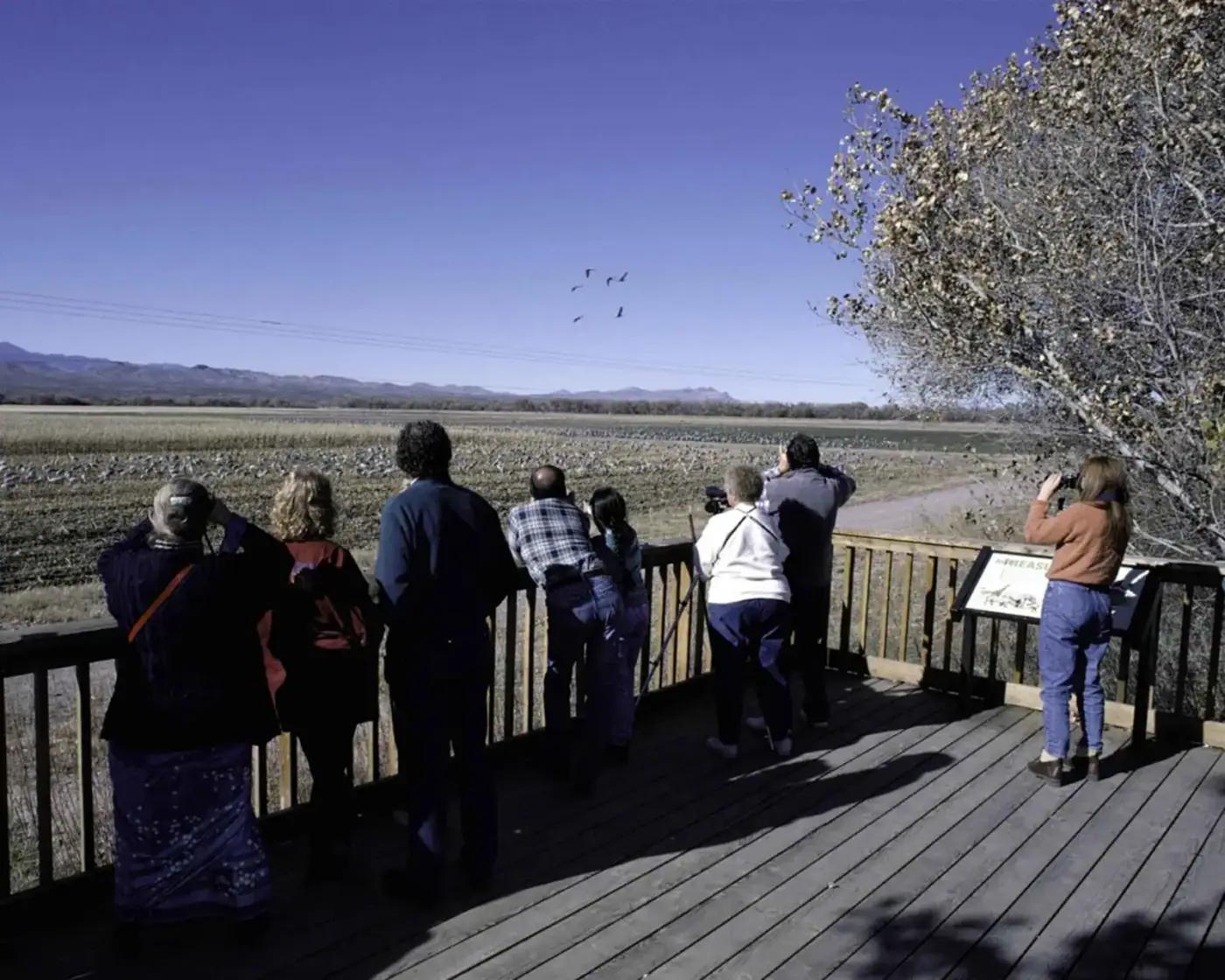
Birding Guide vs Going Alone: When a Local Guide Helps
Birding guide or go alone? When local timing and habitat knowledge are worth paying for, what a good birding Guide does on the day, and what to bring.
6 min read
How to Choose a Local Wildlife Guide
How to choose a local wildlife guide: the facts a listing should show, questions to ask, group size, honesty about sightings, and where AnimalDex fits.
7 min read

How to Find Ethical Wildlife Experiences While Traveling
How to find ethical wildlife experiences when you travel: the tells of a staged encounter, tourist traps that look harmless, and questions to ask.
7 min read