

herping apptoolsfield journal
Tools for Tracking Herping Finds: Notebook to App
Notebook, spreadsheet, iNaturalist, HerpMapper, eBird and AnimalDex compared for logging snakes, lizards and frogs, with what to record whichever you use.
Use the right tool for the job
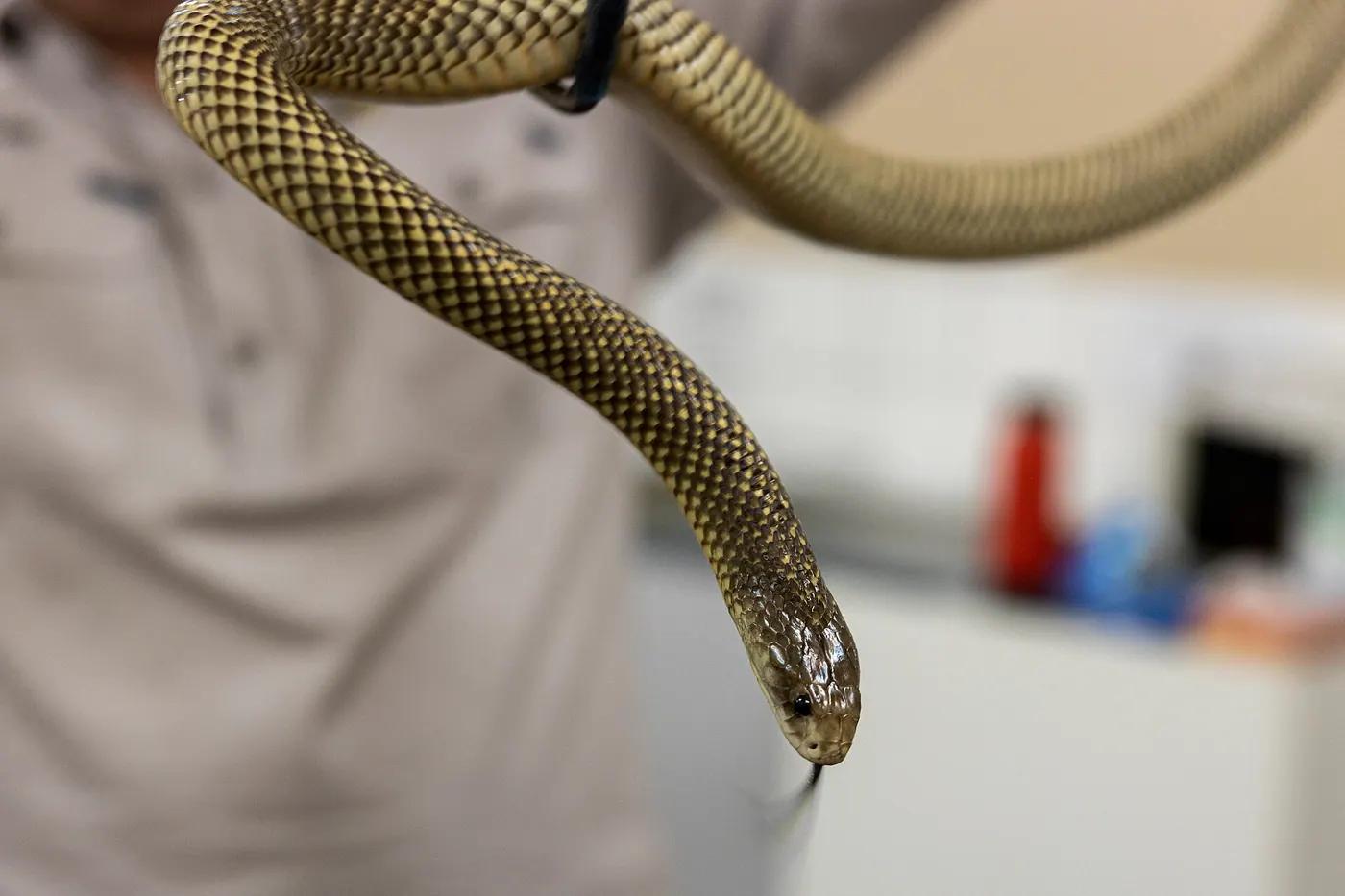
A herp record needs six things: an identity, a place, a time, the conditions, some evidence and a way to find it again. Almost every tool does two or three of those well. None does all six, which is why most serious herpers run a notebook plus one platform plus a photo collection, and why the question which app is best has no honest single answer.
Maps, weather and local regulations live outside any collection app. Community science platforms are built for research-grade sharing. Galleries are built for files. AnimalDex is built for identification-assisted collecting. Knowing which lane each tool is in saves you from expecting one of them to be all of them.
Six tools compared
This is a fair reading of what each tool is designed for. None of the limitations are criticisms; they are the lane the tool chose.
| Tool | Best at | Weak at | Sensitive locations |
|---|---|---|---|
| Paper notebook | Fast, offline, conditions and sketches | Searching, sharing, photos | Private by default |
| Spreadsheet | Sorting, counting, custom fields | Identification help, evidence | Private; you control sharing |
| iNaturalist | Community ID, research-grade records to GBIF | Keeping anything private or personal | Auto-obscures threatened taxa; manual obscuring available |
| HerpMapper | Herp-only records shared with vetted researchers | Public display, social features | Records not shown publicly |
| eBird | Bird checklists, effort data, life lists | Anything that is not a bird | Sensitive species hidden from output |
| AnimalDex | Live captures, a species Dex, Instagram import after review | Expert ID, permits, maps, weather | You confirm location; Discover publishing is per post |
Notebook and spreadsheet
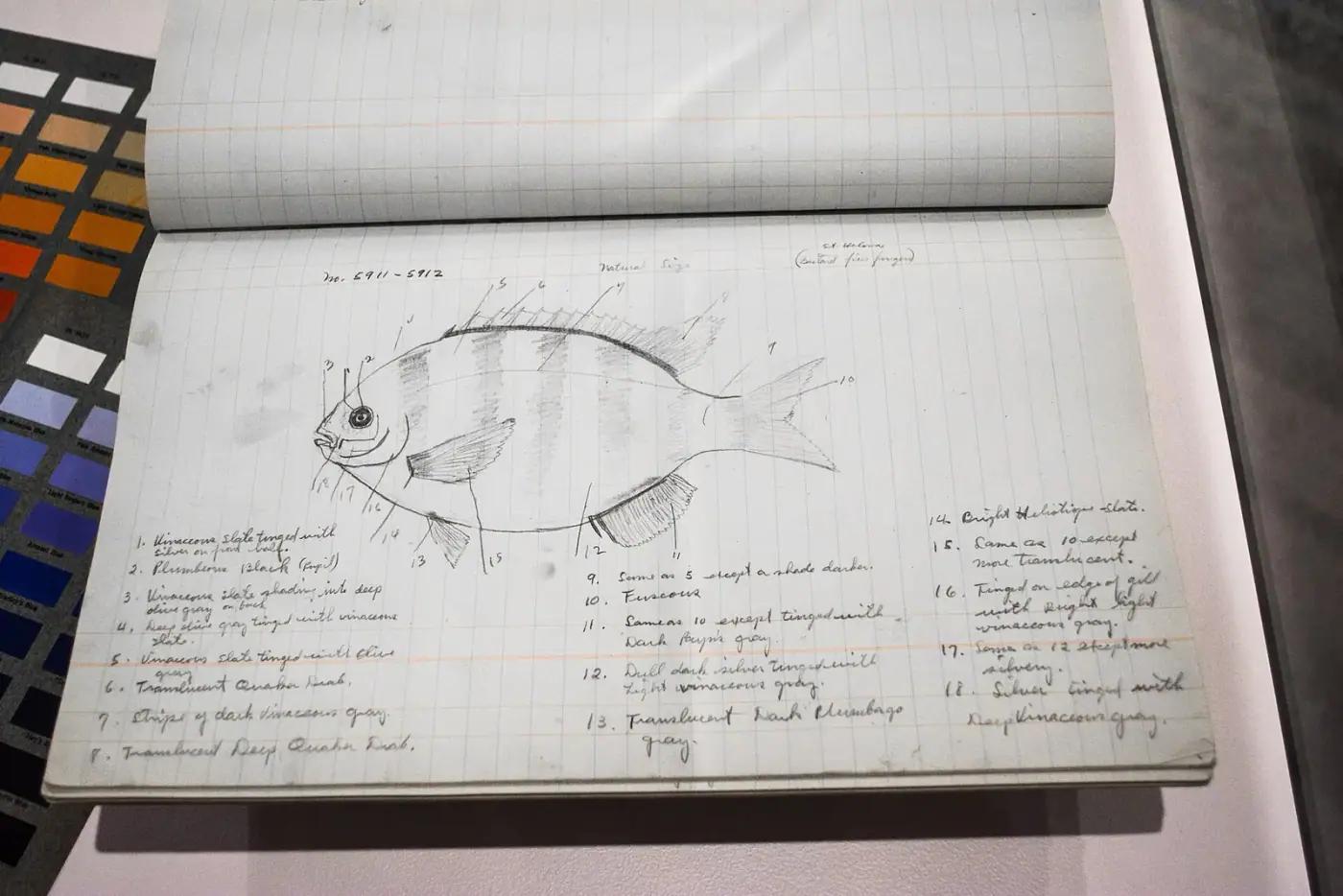
The notebook is older than every app and still the best tool at the moment of the find. The Grinnell method, developed by Joseph Grinnell at Berkeley's Museum of Vertebrate Zoology in the early 1900s, formalised it: a running journal of where you went and what conditions were like, separate species accounts, and a catalogue of specimens or photographs. Museums still use notebooks written that way a century ago because the format forces you to record weather, habitat and behaviour, not just a name.
A spreadsheet is the notebook with sorting. One row per encounter, one column per field, and you can count lifers, filter by county or pull every DOR record from July in about ten seconds. Its weakness is evidence: a spreadsheet cell cannot show you the photo, and it cannot tell you whether the identification was right.
The practical pairing is a notebook in the field and a spreadsheet or Dex at home. Transcribe within a day, while the smell of the road is still in your memory.
Community science platforms
iNaturalist is the default for herpers who want their records to count. An observation becomes research grade when the community agrees on a species-level identification, and research-grade records flow to GBIF where scientists use them. iNaturalist automatically obscures coordinates for taxa that are threatened or heavily collected, and you can obscure any record yourself, which matters for snakes and salamanders that poachers target.
HerpMapper is narrower and quieter: a herp-only database where your records are not displayed publicly but are shared with vetted partners such as state agencies and researchers. Many herpers log to both.
eBird, from the Cornell Lab of Ornithology, is the standard for birders and worth knowing even as a herper, because its effort-based checklists and life-list rules are the model everyone else borrows from. It does not take herp records.
Where AnimalDex fits
AnimalDex is a collection tool. A field find is a live capture: a photo taken in the app, with species or group-level identity, a setting (wild, zoo, farm, domestic) and a confirmed location attached, filed into a Dex you can browse by animal. Old finds on a compatible Instagram professional account can join the same Dex, but each post is reviewed before it becomes a capture.
It is not a replacement for expert identification, permits or safety practice, and it will not invent a species name when the honest catalogue result is a group. If you need research-grade community review, use iNaturalist alongside it. If you need a species collection with import and live capture, this is the lane AnimalDex is built for.
Whatever tools you settle on, the fields below are the ones that survive a change of app. Record them every time.
Identity
Species or group. Write down why: pattern, scale count, call, size.
Place and time
Locality you could return to, date, clock time. Night finds need the time.
Conditions
Air temperature, cloud, rain in the last 24 hours, road or substrate temperature if you carry a thermometer.
Behaviour and microhabitat
Basking, crossing, under cover, calling. What it was on and what it was under.
Evidence
At least one record photograph, even a poor one. Audio for calling frogs.
Distance and handling
How close you were and whether the animal was touched. Honest journals note both.
Quick questions
Short answers to common questions readers ask on this topic.
- What is the best app for tracking herping finds?
- There is no single best app, because the job has several parts. iNaturalist is best for community identification and research-grade records, HerpMapper for sharing herp records privately with researchers, a notebook for conditions at the moment of the find, and AnimalDex for a species collection built from live captures and reviewed Instagram imports. Most herpers use two or three.
- Is iNaturalist safe for rare snakes and salamanders?
- Mostly, if you use its tools. iNaturalist automatically obscures coordinates for taxa flagged as threatened or heavily collected, and you can obscure or make private the location of any observation yourself. For very sensitive sites, HerpMapper keeps records off public display entirely.
- How do I keep a herping journal in a spreadsheet?
- One row per encounter and one column per field: date, time, locality, species or group, alive or DOR, behaviour, microhabitat, air temperature, weather, photo reference and notes. Keep identity and place in separate columns from the trip name so you can sort by animal. Transcribe from a field notebook within a day.
- Does AnimalDex replace iNaturalist?
- No. AnimalDex is a collection tool: live captures in the app, a species Dex, setting and confirmed locations, plus Instagram import after review. iNaturalist is a community-science platform with expert identification and research-grade data. They do different jobs and work well together.
- What is the Grinnell method?
- A field-notebook system from the Museum of Vertebrate Zoology at Berkeley, dating from the early 1900s. It separates a daily journal (route, weather, habitat), species accounts (what each animal was doing) and a catalogue of specimens or photographs. Its lasting lesson is that conditions and behaviour belong in the record, not just the name.
Animals mentioned
Jump from this article into the species pages behind the examples, systems notes, and field-guide references.
Answer guides related to this topic
If you want direct comparisons and clear recommendations, continue with these answer-focused pages.
Best Animal Identification Apps
Compare the best animal identification apps by features like photo/video identification, species coverage, collection capabilities, offline use, and more.
What Is Animal Collecting
Learn what animal collecting means in modern apps and how AnimalDex turns real-world sightings into cards, sets, rarity, and species learning.
Pokemon-Like Animal App
Looking for a Pokemon-like animal app with real species? AnimalDex combines creature-collection energy with AI scanning and wildlife learning.
Related guides
herping
How to Keep a Herping Field Journal
What to record after a snake, lizard or frog find: temperature, time, substrate, behaviour and an honest ID, without handling or disturbing the animal.
5 min read

How to Build a Reptile and Amphibian Life List
A herp life list that allows group-level entries, records historical places and conditions, and brings older Instagram finds in after review.
4 min read
Turn Years of Herping Photos Into a Searchable Collection
Bring night herps, road finds and frog choruses out of Instagram and a camera roll into a species-indexed collection you can actually query.
5 min read