

Animals in Baños, Ecuador: What You Can Spot, Learn, and Collect
Wildlife in Baños, Ecuador: hummingbirds and cock-of-the-rock on the waterfall road, spectacled bears and tapirs in Llanganates, and the San Martín rescue zoo.
Jawaban cepat
Mulai dari jawaban langsung, lalu gunakan bagian di bawah untuk melihat kenapa lokasi ini penting dan hewan mana yang benar-benar realistis untuk di-spot di sana.
Baños sits where the Andes drop into the Amazon, so the wildlife changes with every kilometre of the Pastaza valley. The waterfall road to Puyo has hummingbirds, tanagers and Andean cock-of-the-rock leks near Río Verde; Llanganates National Park above town hides spectacled bears, mountain tapirs and condors; and the San Martín zoo on the gorge edge keeps capuchins, tapirs and hawks, which is where most captures in Tungurahua are logged.
Baños is famous for hot springs, swings and the Ruta de las Cascadas, but the same gorge that gives it waterfalls makes it one of the fastest elevational transects in Ecuador. In an hour you drop from 1,800 m cloud forest to 950 m Amazon foothills at Puyo, and the birds change completely.
Tungurahua volcano looms over the town and the Llanganates range sits to the north, both cloaked in cloud forest that is almost unvisited. Most travellers meet the wildlife at the Zoológico San Martín above the gorge or along the cycling road, and both are worth doing properly.
Kenapa lokasi ini penting
Halaman lokasi yang baik menjelaskan kenapa tempat ini layak dikunjungi, bukan hanya nama-nama yang cocok dimasukkan ke checklist destinasi.
The eastern Andean slope is one of the richest bird regions on the planet, and Baños is its most accessible entry point in Ecuador. A morning on the waterfall road with binoculars can produce twenty species of hummingbird and tanager without a guide.
The San Martín zoo is also a real rehabilitation site for animals confiscated from the pet trade, and the capuchins, tapirs and raptors users log there are mostly rescued Ecuadorian natives rather than imports.
Tempat mencari
Peta satwa liar Baños de Agua Santa
Panduan ini mencakup wilayah di bawah ini. Perbesar peta untuk mengenali areanya sebelum merencanakan perjalanan.
Posisi diambil dari OpenStreetMap. Akses habitat dan jam buka bisa berubah — periksa dulu sebelum berangkat. Pin yang lebih kecil adalah capture publik AnimalDex, ditempatkan sampai kilometer terdekat.
Bukti lapangan
Ditemukan di Baños de Agua Santa oleh pengguna AnimalDex
Capture nyata yang dicatat di aplikasi AnimalDex di dalam area ini dan dibagikan secara publik oleh kolektornya, dengan hewan yang dikonfirmasi oleh identifikasi aplikasi. Lokasi ditampilkan sampai tingkat wilayah, bukan titik persisnya.
- 11
- capture publik
- 10
- spesies tercatat
- 1
- kolektor
- 0
- penampakan liar
Capture terbaru dari lapangan
Spesies yang benar-benar dicatat orang di sini
Setiap nama menuju panduan spesiesnya. Angkanya adalah jumlah capture publik hewan itu di dalam area ini.
Kolektor memilih membagikan capture ini di Discover dan bisa menariknya kapan saja. Koordinat dibulatkan sekitar satu kilometer dan diperbarui setiap build situs.
Hewan untuk di-spot
Pilihan spesies di sini sengaja dibuat praktis, menyeimbangkan aksesibilitas, excitement, dan apa yang realistis untuk diperhatikan traveler di lokasi tersebut.

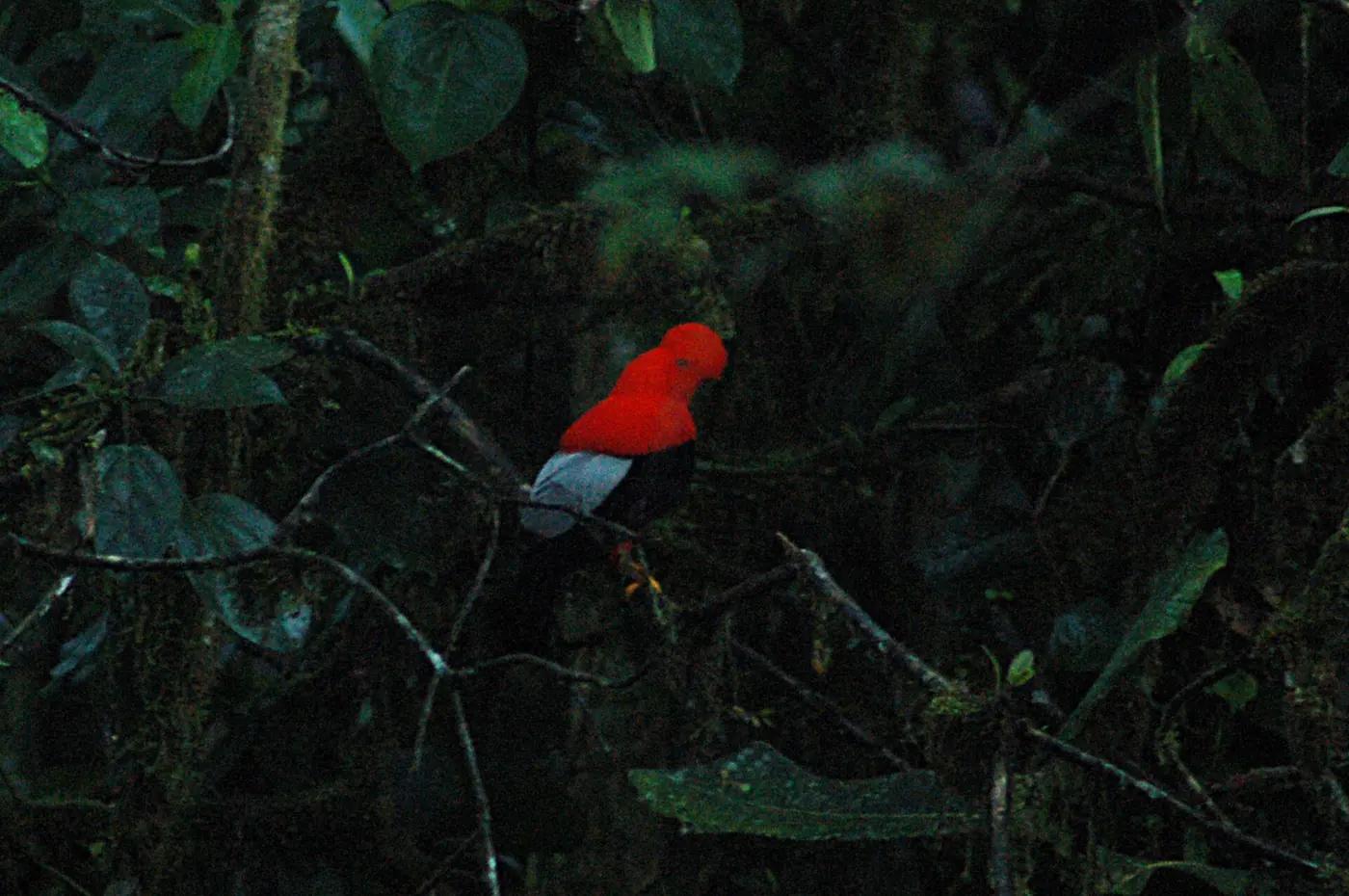
Andean Cock-of-the-rockC
The orange, crested cotinga displays at dawn leks in the cloud forest around Río Verde and Machay on the road to Puyo.
Catatan spotting: Likely with a local guide at dawn; occasional from the Pailón del Diablo trail.
Baca panduan spesies
Sword-billed HummingbirdD
The only bird with a bill longer than its body feeds on hanging datura flowers in the higher cloud forest above Baños and in Llanganates.
Catatan spotting: Uncommon; check flowering trees around 2,500 m.
Baca panduan spesies
Spectacled BearB
Bears forage the bromeliad-rich cloud forest of Llanganates National Park north of town, occasionally descending to the maize fields above Baños.
Catatan spotting: Rare; fresh claw marks and torn bromeliads are the realistic sighting.
Baca panduan spesies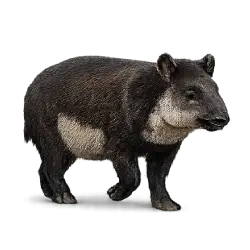
Mountain TapirB
The woolly Andean tapir survives in the páramo and cloud forest of Llanganates, one of its last Ecuadorian strongholds.
Catatan spotting: Very rare; tracks at high lakes on multi-day treks.
Baca panduan spesies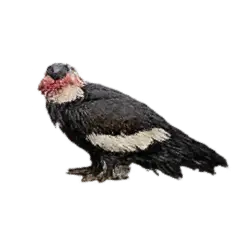
Andean CondorB
Condors soar along the Tungurahua flanks and the Llanganates ridges on clear mornings.
Catatan spotting: Uncommon; scan ridgelines from the Casa del Árbol viewpoint early.
Baca panduan spesies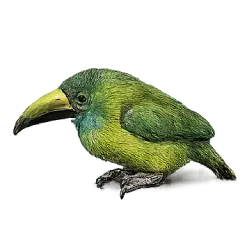
Emerald ToucanetC
Small green toucanets hop through the fruiting trees along the Ruta de las Cascadas and around Río Verde.
Catatan spotting: Regular on the lower waterfall road.
Baca panduan spesies
Paradise TanagerD
As the road drops towards Puyo the forest edge fills with mixed tanager flocks, with this seven-coloured species the showpiece.
Catatan spotting: Common below Río Negro, especially mid-morning.
Baca panduan spesies
OlinguitoC
The cloud-forest carnivore described only in 2013 lives in the wet Andean forest around Baños and comes to fruit feeders after dark at a few lodges.
Catatan spotting: Rare; night watches at lodges above 2,000 m.
Baca panduan spesies
Glass FrogC
Translucent frogs call from leaves over the fast streams that feed the Pastaza, visible by torch after dusk.
Catatan spotting: Likely on a guided night walk near Río Verde.
Baca panduan spesies
Blue MorphoE
Morphos float along the Pastaza gorge and the lower waterfall road once the sun warms the valley.
Catatan spotting: Common from Río Verde down to Puyo.
Baca panduan spesies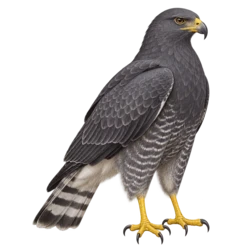
Variable HawkC
Variable hawks hang over the Pastaza canyon and the pastures above town; one of the raptors kept at the San Martín zoo too.
Catatan spotting: Regular overhead on clear days.
Baca panduan spesies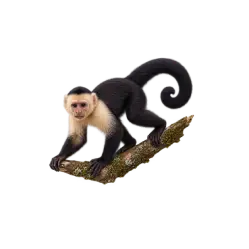
Capuchin MonkeyC
The San Martín zoo's rescued capuchins are the most-logged animal in Tungurahua; wild troops live downhill in the foothill forest towards Puyo.
Catatan spotting: Guaranteed at the zoo; wild sightings start below Río Negro.
Baca panduan spesies
South American TapirB
The zoo on the gorge edge keeps rescued lowland tapirs, the Amazon species that wild-roams the forest east of Puyo.
Catatan spotting: Guaranteed at Zoológico San Martín.
Baca panduan spesies
Common OpossumD
Common opossums raid fruit trees and bins on the edge of town after dark and are also on show at the zoo.
Catatan spotting: Common at night; often seen on the road to the Casa del Árbol.
Baca panduan spesiesPaling cocok untuk
Gunakan bagian ini untuk menilai apakah lokasi tersebut cocok dengan gaya perjalanan, level pengalaman, dan target AnimalDex kamu.
- Cloud-forest birding along the Baños to Puyo waterfall road
- Hummingbirds and tanagers without leaving the roadside
- A rescue zoo with Ecuadorian natives above the gorge
- Multi-day Llanganates treks for bears, tapirs and condors
Tips spotting
Tips ini dibuat agar halaman ini benar-benar berguna di lapangan, bukan hanya enak dibaca di layar.
- 01Cycle or taxi the Ruta de las Cascadas at first light and stop at Río Verde and Machay; the cock-of-the-rock lek is a dawn event only.
- 02Carry binoculars on the Pailón del Diablo trail; toucanets and tanagers feed in the fruiting trees beside the path.
- 03Ask in Baños for guides to the Llanganates lakes; the park has no infrastructure and bear country needs a local who knows the trails.
- 04Clear mornings are rare on Tungurahua; if you wake to a clear sky go straight up to the Casa del Árbol for condors before cloud closes in by 10:00.
Wildlife Guides virtual
Panduan satwa liar ke Baños de Agua Santa
AnimalDex membuat panduan virtual dari penampakan satwa liar milik para penjelajah sendiri: satwa apa yang mereka temukan, seberapa langka, dan kapan. Panduan adalah saran dari orang yang pernah ke sana, bukan tur. Membelinya membuka catatan penulis untuk setiap satwa, obrolan dengan penulis, dan perkenalan dengan warga lokal yang mereka temui. Penampakan satwa tidak pernah dijamin.
Memeriksa panduan virtual ke Baños de Agua Santa...
Cara memilih pemandu satwa liar lokal di Baños de Agua Santa
- Tanyakan apa yang biasanya mereka temukan pada musim kunjunganmu. Pemandu yang baik memberi jawaban jujur, bukan janji pasti melihat satwa tertentu.
- Perhatikan cara mereka memperlakukan satwa: tanpa umpan, tanpa memanggil satwa, tanpa memegang, dan tanpa flash dari jarak dekat demi foto.
- Pastikan titik temu, durasi, ukuran grup, total harga, dan cara pembayaran sebelum hari kegiatan, termasuk izin atau biaya taman yang diperlukan.
Lacak hewan yang kamu temukan di Baños de Agua Santa
Bangun koleksimu sambil menjelajahi Baños de Agua Santa, dari spesies yang mudah ditemukan sampai target yang layak direncanakan khusus.
Lokasi terkait
Lanjutkan eksplorasi dengan destinasi yang mirip atau berdekatan dan mendukung gaya discovery AnimalDex yang sama.
Animals in Ecuador: What You Can Spot, Learn, and Collect
A practical Ecuador wildlife guide built around tropical color, coast-linked species, and the short-distance habitat shifts that make the country feel dense with animal possibility.
Baca panduan lokasiAnimals in the Galápagos Islands: What You Can Spot, Learn, and Collect
Galápagos wildlife guide: marine iguanas, giant tortoises, blue-footed boobies, sea lions, Darwin's finches, penguins and hammerheads, island by island.
Baca panduan lokasiAnimals in the Amazon Rainforest: What You Can Spot, Learn, and Collect
What animals live in the Amazon rainforest: pink river dolphins, sloths, macaws, hoatzins, caimans and giant otters, and how realistic a jaguar sighting is.
Baca panduan lokasiFAQ lokasi
Jawaban singkat dan langsung untuk pertanyaan yang biasanya ditanyakan traveler sebelum memilih destinasi satwa liar atau hari kebun binatang.
What wildlife is there in Baños, Ecuador?
Cloud-forest birds dominate: Andean cock-of-the-rock, sword-billed and dozens of other hummingbirds, toucanets and tanagers along the waterfall road. The Llanganates range holds spectacled bears, mountain tapirs and condors, and the San Martín zoo keeps rescued capuchins, tapirs and raptors.
What animals can be found in Baños, Ecuador?
Easily: hummingbirds, tanagers, toucanets, morpho butterflies, variable hawks and opossums around town and on the road to Puyo. With a dawn guide, the cock-of-the-rock. With real effort, spectacled bears and tapirs in Llanganates. The zoo guarantees capuchins and tapirs.
Is the Baños zoo worth visiting?
Zoológico San Martín is a small rescue centre on the edge of the Pastaza gorge, not a modern zoo, but most of its animals are confiscated Ecuadorian natives and it is the one reliable place near Baños to see tapirs, capuchins and Andean raptors up close.
Can you see the Amazon from Baños?
Baños is the gateway: Puyo, an hour down the waterfall road, is already in Amazon foothill forest, and lodges around Puyo and further east offer monkeys, macaws and river trips. For deep Amazon wildlife continue to the Napo or Yasuní.
Apakah pengguna AnimalDex pernah menemukan hewan di Baños de Agua Santa?
Ya. Pengguna AnimalDex telah mencatat 11 capture publik dari 10 spesies berbeda di Baños de Agua Santa, termasuk capuchin monkey, bengal tiger, cockatiel, common opossum. Semuanya difoto di aplikasi pada saat penampakan.
Bagaimana cara menemukan panduan satwa liar ke Baños de Agua Santa?
Lihat bagian Wildlife Guides di halaman ini atau jelajahi Wildlife Guides di AnimalDex. Setiap panduan adalah panduan virtual yang dibuat dari penampakan satwa liar milik seorang penjelajah di sekitar Baños de Agua Santa: satwa yang mereka temukan, seberapa langka, dan kapan. Ini saran dari orang yang pernah ke sana, bukan tur. Jika kamu ingin ditemani seseorang di lokasi, bandingkan pemandu lokal dari pengetahuan satwanya, cara mereka memperlakukan satwa, dan kejelasan harganya sebelum berangkat.