

Animals in Bulgaria: What You Can Spot, Learn, and Collect
Bulgaria's wildlife: bears and chamois in Rila and Pirin, the Via Pontica stork migration, pelicans at Srebarna, red-breasted geese at Durankulak and dense jackals.
Quick answer
Start with the direct answer, then use the sections below to see why the location matters and which animals are actually realistic to spot there.
Bulgaria has brown bears, wolves and chamois in the Rila, Pirin and Balkan mountains, one of the highest golden jackal densities in the world, and vultures back in the Eastern Rhodopes and the Balkan range. The Black Sea coast lies under the Via Pontica flyway, which funnels hundreds of thousands of storks and raptors past Burgas each autumn, Srebarna lake has a pelican colony, and the Durankulak lakes host most of the world's red-breasted geese in winter.
Bulgaria is a mountain country with a Black Sea coast, and the two halves give it two different kinds of wildlife. Rila and Pirin rise above 2,900 metres with chamois on the ridges and bears in the pine forests below; the Central Balkan National Park has the same animals in beech forest; and the Eastern Rhodopes along the Greek border are vulture country, with griffon colonies at Madzharovo and Egyptian vultures in the gorges.
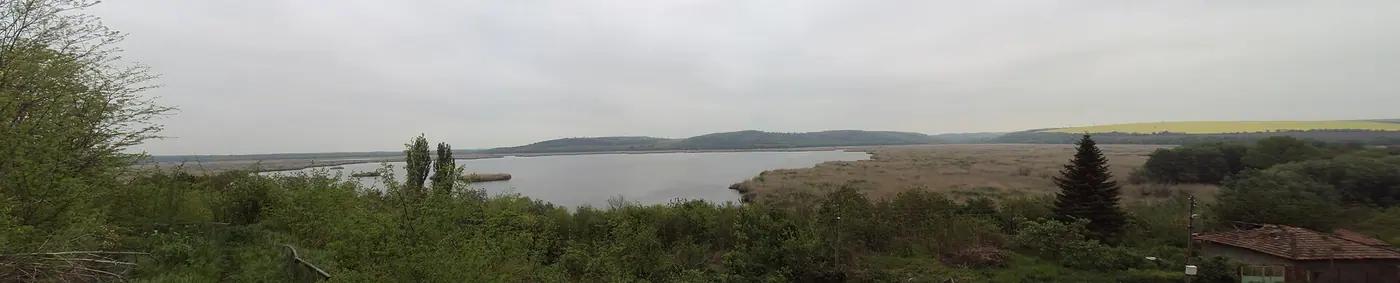
The coast is about migration. The Via Pontica is Europe's second-largest bird flyway and it narrows over Burgas, where the Atanasovsko and Pomorie salt lakes and Cape Emine concentrate white storks, pelicans and raptors in August and September. In winter the lakes at Durankulak and Shabla near the Romanian border hold the bulk of the world's red-breasted geese, and inland the Danube lake of Srebarna has a pelican colony on a reed island.
Start with these animals
Why this location matters
Good location pages explain why the place is worth your time, not just which names belong on a destination checklist.
Bulgaria's vultures are one of Europe's conservation success stories in progress. Griffons have recovered in the Rhodopes, cinereous vultures were reintroduced to the Balkan mountains near Kotel and Sliven and bred in the wild again in 2021 for the first time in decades.
The country is also cheap, uncrowded and mostly undiscovered as a wildlife destination, with national parks that see a fraction of the visitors of the Alps and a coastline where a few hours at a salt lake in September can produce tens of thousands of migrating birds.
Where to look
Wildlife map of Bulgaria
This guide covers the region shown below. Zoom in to get your bearings before planning a trip.
Positions are geocoded from OpenStreetMap. Habitat access and opening times change — check locally before travelling.
Animals to spot
These are intentionally practical species picks, balancing accessibility, excitement, and what travelers can realistically notice in the location.
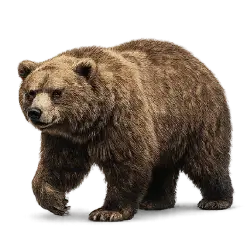
Brown BearA
Several hundred bears live in Rila, Pirin, the Central Balkan and the Rhodopes, and bear-watching hides in the Rhodopes and around Belitsa, where a sanctuary keeps rescued dancing bears, give the best views.
Spotting note: Uncommon in the wild; guided hides in the Rhodopes work in spring and autumn, Belitsa is guaranteed.
Read species guide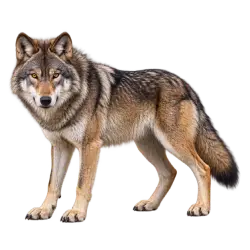
Eurasian WolfA
Bulgaria has one of the largest wolf populations in the EU, strongest in the Rhodopes, the Balkan range and the western border mountains.
Spotting note: Rarely seen; winter tracking in the Central Balkan or Rhodopes with a guide.
Read species guide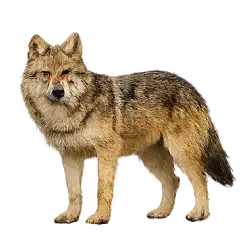
Golden JackalC
Jackal densities in Bulgaria are among the highest anywhere, with tens of thousands of animals calling from the Strandzha oak forests, the Danube plain and the Black Sea coast every dusk.
Spotting note: Heard almost nightly in the south-east; often seen on roads at night.
Read species guide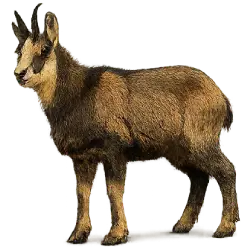
ChamoisC
Balkan chamois graze the high cirques of Rila and Pirin and the ridges of the Central Balkan, often visible from the Seven Rila Lakes trail and the Vihren hut.
Spotting note: Regular above the treeline in summer; scan the cliffs at first light.
Read species guide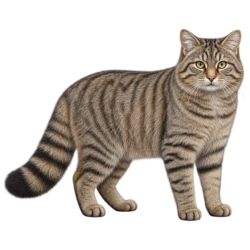
European WildcatC
Wildcats are widespread in the oak forests of Strandzha and the Eastern Rhodopes, hunting the forest edges and abandoned fields at dusk.
Spotting note: Rare and secretive; a dusk drive on Rhodope back roads gives a chance.
Read species guide
Red-breasted GooseC
The Durankulak and Shabla lakes on the northern Black Sea coast host the majority of the world's red-breasted geese in January and February, with flocks of tens of thousands feeding on winter wheat.
Spotting note: Reliable in midwinter at Durankulak; cold spells bring the biggest numbers.
Read species guide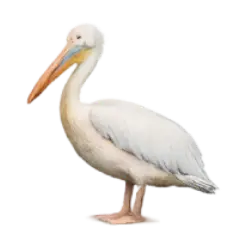
Great White PelicanC
Great white pelicans pour down the Via Pontica over Burgas in August and September and gather on the Atanasovsko and Mandra lakes, while Srebarna lake on the Danube has a breeding colony of the related Dalmatian pelican.
Spotting note: Easy at the Burgas lakes in late summer; the Srebarna Dalmatians from April to July.
Read species guide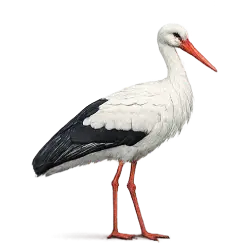
White StorkC
More than 200,000 white storks cross the Bulgarian coast each autumn on the Via Pontica, with Cape Emine and the Burgas lakes the places to stand under them.
Spotting note: Spectacular at Burgas in late August; nests in every village from April to August.
Read species guide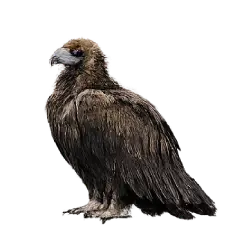
Cinereous VultureB
Reintroduced to the Eastern Balkan Mountains near Kotel and Sliven from 2018, cinereous vultures bred in the wild in Bulgaria again in 2021 and visit the Rhodope feeding stations from Greece.
Spotting note: Rare; the Kotel feeding site and the Madzharovo vulture centre are the places to try.
Read species guide
European Bee-eaterD
Bee-eater colonies dig into the loess banks of the Danube plain and the sandy cuttings of the south, and the birds hawk over vineyards across the Thracian plain all summer.
Spotting note: Common from May to August in the lowlands.
Read species guide
Hermann's TortoiseE
Hermann's tortoises are common in the Eastern Rhodopes, Sakar and Strandzha, crossing dirt roads and grazing meadow edges in spring.
Spotting note: Common in the south-east from April to June.
Read species guide
Greek TortoiseE
The spur-thighed tortoise shares the same dry south-eastern hills and the Black Sea dunes, usually a little larger and plainer than the Hermann's beside it.
Spotting note: Fairly common in the south-east; look on sunny mornings.
Read species guide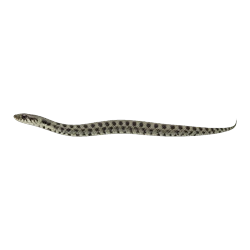
Dice SnakeE
Dice snakes swim in the Arda, Struma and Maritsa rivers and along the rocky Black Sea shore, and are the most often seen snake in the country.
Spotting note: Common at rivers and the coast from May to September; harmless.
Read species guide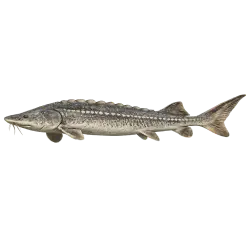
Beluga SturgeonA
The lower Danube along Bulgaria's border is one of the last rivers where beluga sturgeon still spawn naturally, and Bulgaria banned all sturgeon fishing to protect them.
Spotting note: Not realistically seen alive; conservation releases near Vidin and Silistra are the exception.
Read species guideBest for
Use this section to decide whether the location fits your travel style, skill level, and AnimalDex goals.
- Via Pontica migration at the Burgas lakes and Cape Emine in late August and September
- Chamois and alpine hiking in Rila and Pirin national parks
- Vultures at Madzharovo in the Eastern Rhodopes
- Red-breasted geese at Durankulak and Shabla in January
Spotting tips
These tips are meant to make the page useful in the field, not just readable on the page.
- 01For the Via Pontica stand at the Atanasovsko lake observation points north of Burgas from mid-morning in the last week of August; storks and pelicans leave their roosts once the thermals build.
- 02The Seven Rila Lakes chairlift gets you above the treeline in minutes; chamois are on the cliffs around the upper lakes early before the crowds arrive.
- 03Red-breasted geese feed on fields around Durankulak by day and roost on the lake; be at the lake edge at dawn in January when they lift off.
- 04Drive the Eastern Rhodopes back roads around Madzharovo and Krumovgrad at dawn and dusk for tortoises, jackals and vultures leaving the cliffs.
Virtual Wildlife Guides
Wildlife guides to Bulgaria
AnimalDex builds virtual guides from explorers' own wild sightings: which animals they found, how rare they are, and when. A guide is advice from someone who has been there, not a tour. Buying one unlocks the author's notes for every animal, a chat with the author, and introductions to local people they met. Wildlife is never guaranteed.
Checking for virtual guides to Bulgaria...
How to choose a local wildlife guide in Bulgaria
- Ask what they usually find in the season you are visiting. A good guide gives an honest answer, not a promised sighting.
- Check how they treat animals: no baiting, calling in, handling, or close flash photography for a better shot.
- Confirm the meeting area, duration, group size, total price, and how you pay before the day, plus any permits or park fees the place requires.
Track the animals you find in Bulgaria
Build your collection while you travel through Bulgaria, from easy wins to the species worth planning around.
Related tier lists
These tier lists add broader context around the species that make this location interesting.
Best Hunters in the Animal World
A structured ranking of the best hunters in the animal world, balancing success rate, kill efficiency, tracking ability, coordination, and finishing power.
Read tier list100 Most Adaptable Animals
Most adaptable animals ranked by habitat flexibility, behavioral range, and success in changing conditions — including the current AnimalDex number one.
Read tier listRelated locations
Keep exploring with nearby or similar destinations that support the same kind of AnimalDex discovery.
Animals in Romania: What You Can Spot, Learn, and Collect
Romania's wildlife: Europe's largest pelican colony in the Danube Delta, thousands of Carpathian bears, wolves, lynx and chamois, and Dobrogea's tortoises and jackals.
Read location guideAnimals in Greece: What You Can Spot, Learn, and Collect
What lives in Greece: loggerhead turtles on Zakynthos, cinereous vultures at Dadia, pelicans on Prespa, Pindos bears and the tortoises and geckos of every olive grove.
Read location guideAnimals in Turkey: What You Can Spot, Learn, and Collect
Turkey's wildlife: bald ibis at Birecik, sea turtles at Dalyan and the Göksu Delta, flamingos at the Sultan Marshes near Kayseri, Kaçkar bears and Bosphorus storks.
Read location guideLocation FAQ
Short direct answers to the questions travelers usually ask before choosing a wildlife destination or zoo day.
What wildlife is there in Bulgaria?
Bulgaria has brown bears, wolves, golden jackals, wildcats, chamois and red deer in its mountains, griffon, Egyptian and cinereous vultures in the Rhodopes and the Balkan range, pelicans at Srebarna and Burgas, and vast numbers of migrating storks and raptors on the Black Sea coast. Tortoises and dice snakes are common in the south-east.
What animals can be found in Bulgaria?
Bears and chamois in Rila and Pirin, jackals and wildcats in Strandzha, vultures at Madzharovo, pelicans and storks over Burgas in autumn, and red-breasted geese at Durankulak in winter. Hermann's and spur-thighed tortoises, bee-eaters and rollers are common in the southern lowlands.
When is the best time to see bird migration in Bulgaria?
The last week of August and the first three weeks of September for storks, pelicans and raptors over Burgas and Cape Emine. January and February for red-breasted geese and other wintering waterfowl at Durankulak and Shabla.
Are there vultures in Bulgaria?
Yes. Griffon vultures breed in the Eastern Rhodopes around Madzharovo and the Vrachanski Balkan, Egyptian vultures nest in the Rhodope gorges, and cinereous vultures were reintroduced to the Balkan mountains near Kotel and Sliven and are breeding again.
How do I find a wildlife guide to Bulgaria?
Check the Wildlife Guides section on this page or browse Wildlife Guides on AnimalDex. Each one is a virtual guide built from an explorer's own wild sightings around Bulgaria: the animals they found, how rare they are, and when. It is advice from someone who has been there, not a tour. If you want someone with you on the day, compare local guides on wildlife knowledge, how they treat animals, and clear pricing before you go.