

Animals in Portugal: What You Can Spot, Learn, and Collect
Portugal's wildlife from Gerês to the Algarve: Iberian wolves and lynx, Tagus flamingos, cliff-nesting storks, azure-winged magpies, mongooses and Sado dolphins.
Jawaban cepat
Mulai dari jawaban langsung, lalu gunakan bagian di bawah untuk melihat kenapa lokasi ini penting dan hewan mana yang benar-benar realistis untuk di-spot di sana.
Portugal packs Iberia's specialities into a small country: Iberian wolves in Peneda-Gerês and Montesinho, reintroduced Iberian lynx in the Guadiana valley, cinereous vultures over the Tejo Internacional, azure-winged magpies and bee-eaters across the Alentejo, Egyptian mongooses and genets in the cork-oak montado, chameleons in the Algarve, white storks nesting on sea cliffs at Cabo Sardão, and flamingos and resident dolphins in the Tagus and Sado estuaries.
Portugal's AnimalDex captures lean on raptors: buzzards, little owls, eagle owls and peregrines from a bird-of-prey centre near Aveiro, with yellow-legged gulls and greylag geese from the Porto coast. The wild list is far longer, and most of it is within two hours of Lisbon or Porto.
Use the Porto and Northern Portugal page for the Douro and Gerês, and the Lisbon page for the Tagus estuary, Sintra and the Sado dolphins. This page covers the country and the Alentejo and Algarve in between.
Kenapa lokasi ini penting
Halaman lokasi yang baik menjelaskan kenapa tempat ini layak dikunjungi, bukan hanya nama-nama yang cocok dimasukkan ke checklist destinasi.
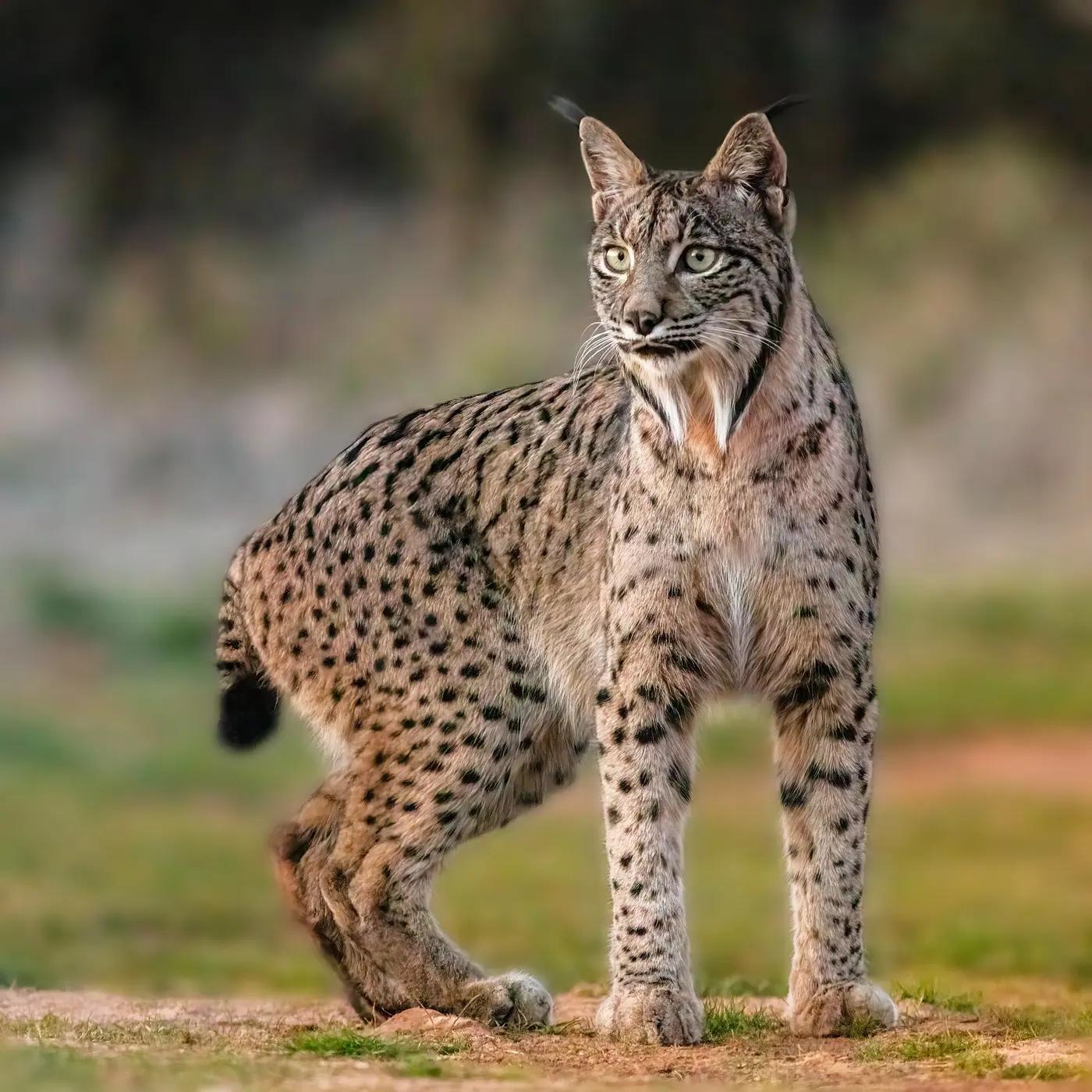
The Iberian lynx was the world's most endangered cat in 2002 with under 100 animals. Portugal began releases in the Guadiana valley near Mertola in 2015 and now has around 300, part of an Iberian total above 2,000. It is the fastest cat recovery on record.
Portugal's white storks are the only ones in the world that nest on sea cliffs, at Cabo Sardão on the Alentejo coast, and the Sado estuary holds one of Europe's last resident estuary dolphin pods.
Tempat mencari
Peta satwa liar Portugal
Panduan ini mencakup wilayah di bawah ini. Perbesar peta untuk mengenali areanya sebelum merencanakan perjalanan.
Posisi diambil dari OpenStreetMap. Akses habitat dan jam buka bisa berubah — periksa dulu sebelum berangkat. Pin yang lebih kecil adalah capture publik AnimalDex, ditempatkan sampai kilometer terdekat.
Bukti lapangan
Ditemukan di Portugal oleh pengguna AnimalDex
Capture nyata yang dicatat di aplikasi AnimalDex di dalam area ini dan dibagikan secara publik oleh kolektornya, dengan hewan yang dikonfirmasi oleh identifikasi aplikasi. Lokasi ditampilkan sampai tingkat wilayah, bukan titik persisnya.
- 19
- capture publik
- 15
- spesies tercatat
- 5
- kolektor
- 5
- penampakan liar
Capture terbaru dari lapangan
Spesies yang benar-benar dicatat orang di sini
Setiap nama menuju panduan spesiesnya. Angkanya adalah jumlah capture publik hewan itu di dalam area ini.
- Common Buzzard3 capture
- Black Vulture2 capture
- Little Owl2 capture
- Barn Funnel Weaver1 capture
- Barn Owl1 capture
- Bristlenose Pleco1 capture
- Eurasian Eagle-Owl1 capture
- Eurasian Sparrowhawk1 capture
- Muscovy Duck1 capture
- Peregrine Falcon1 capture
- Red-tailed Hawk1 capture
- Rosy Tetra1 capture
- Siamese Algae Eater1 capture
- Tadpole Shrimp1 capture
- Yellow-legged Gull1 capture
Kolektor memilih membagikan capture ini di Discover dan bisa menariknya kapan saja. Koordinat dibulatkan sekitar satu kilometer dan diperbarui setiap build situs.
Hewan untuk di-spot
Pilihan spesies di sini sengaja dibuat praktis, menyeimbangkan aksesibilitas, excitement, dan apa yang realistis untuk diperhatikan traveler di lokasi tersebut.
Iberian LynxA
Reintroduced into the Guadiana valley around Mertola from 2015; around 300 now live in Portugal and the Vale do Guadiana park runs guided trips.
Catatan spotting: Rare; dawn drives on the Mertola back roads give a real chance.
Baca panduan spesies
WolfC
Around 300 Iberian wolves survive north of the Douro in Peneda-Gerês, Montesinho and the Alvão hills; the Iberian Wolf Recovery Centre at Mafra keeps rescued animals.
Catatan spotting: Very rare to see wild; guaranteed at the Mafra centre on a guided visit.
Baca panduan spesies
Greater FlamingoC
Thousands winter in the Tagus and Sado estuaries, the Ria Formosa and the Ria de Aveiro, and the first breeding attempts have been recorded in the Algarve salt pans.
Catatan spotting: Reliable year-round in the Tagus estuary and Ria Formosa.
Baca panduan spesies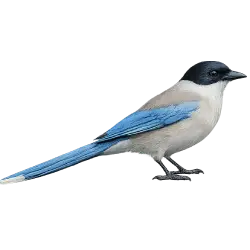
Azure-winged MagpieD
The Iberian magpie travels in chattering flocks through the Alentejo cork-oak montado and Algarve pine woods, found nowhere else in Europe.
Catatan spotting: Common in the Alentejo and inland Algarve.
Baca panduan spesies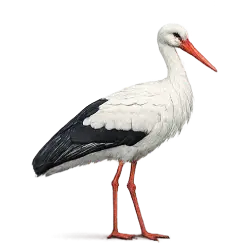
White StorkC
Nests on pylons, churches and, uniquely, on sea stacks at Cabo Sardão on the Alentejo coast; many Portuguese storks no longer migrate.
Catatan spotting: Guaranteed across the south; cliff nests at Cabo Sardão in spring.
Baca panduan spesies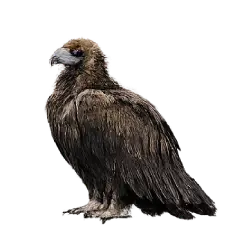
Cinereous VultureB
Breeds again in the Tejo Internacional park on the Spanish border and in the Serra de Sao Mamede, Europe's largest raptor.
Catatan spotting: Scarce; boat trips on the Tagus along the Spanish border give the best views.
Baca panduan spesies
Egyptian MongooseC
Europe's only wild mongoose trots across Alentejo and Algarve roads in family lines, tail held high.
Catatan spotting: Fairly common in the south; mid-morning on quiet montado roads.
Baca panduan spesies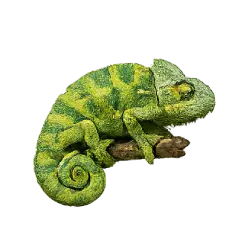
ChameleonC
The Mediterranean chameleon lives in the Algarve's coastal pines and dunes between Faro and Vila Real de Santo Antonio, one of very few wild chameleon populations in Europe.
Catatan spotting: Uncommon and well hidden; Ria Formosa dune scrub in autumn.
Baca panduan spesies
DolphinB
A resident pod of around 30 bottlenose dolphins lives in the Sado estuary at Setubal, and common dolphins are seen on boats from Lisbon, Sesimbra and the Algarve.
Catatan spotting: Near-guaranteed on Sado trips from Setubal.
Baca panduan spesies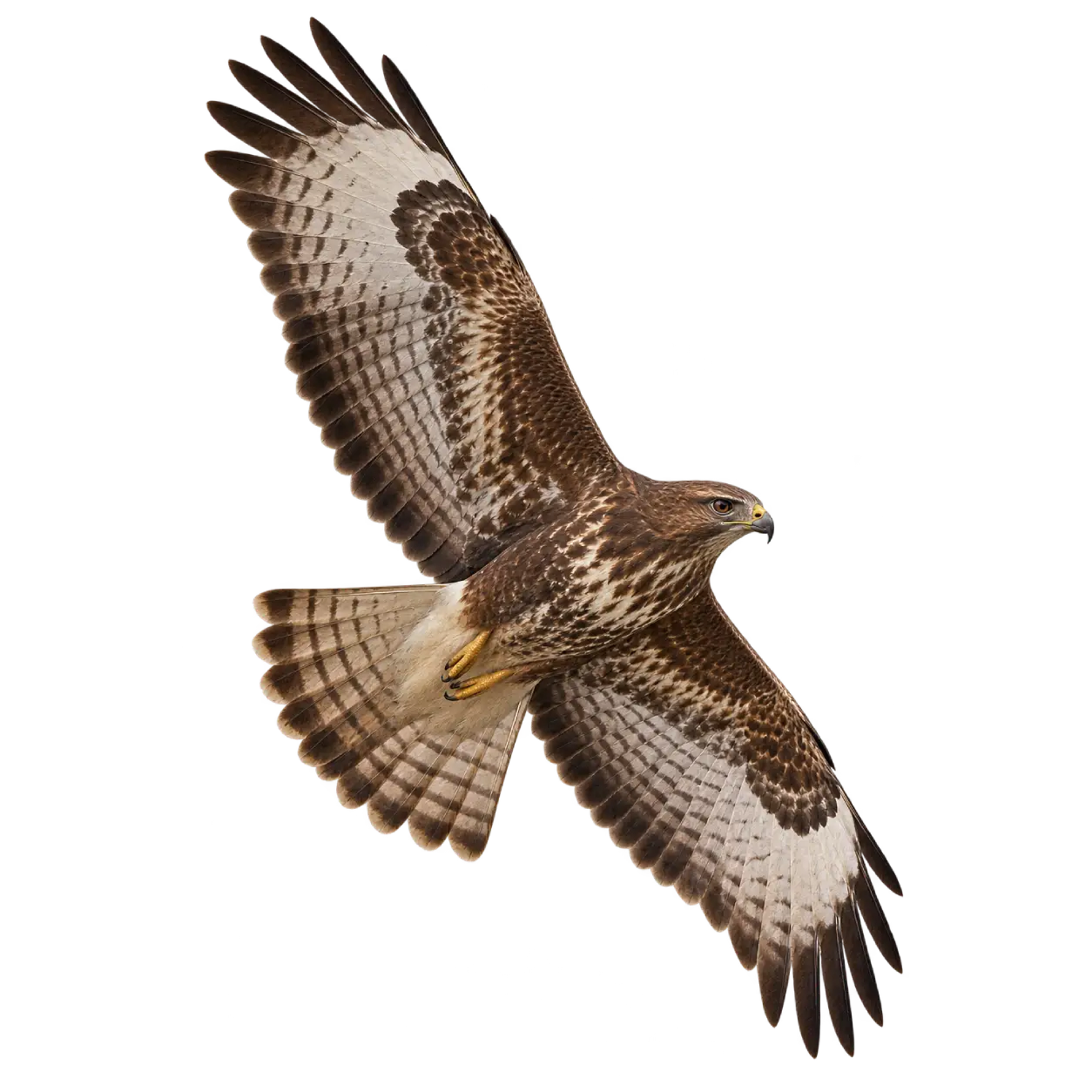
Common BuzzardC
The most captured raptor in Portugal's AnimalDex data, circling over every stretch of farmland and roadside pole from Minho to the Algarve.
Catatan spotting: Very common year-round.
Baca panduan spesies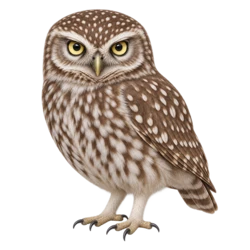
Little OwlD
Perches on stone walls, ruins and olive trees across the Alentejo in daylight; a repeat capture by Portuguese users.
Catatan spotting: Common and easy to see by day in the south.
Baca panduan spesies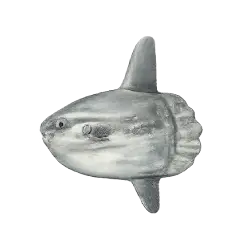
Ocean SunfishC
The Lisbon Oceanário's central tank is one of the few places in the world to see a live sunfish, and wild ones drift off the Algarve and Sesimbra in summer.
Catatan spotting: Guaranteed at the Oceanário; occasional from Algarve boats.
Baca panduan spesies
Yellow-legged GullD
The default big gull of every Portuguese harbour and beach, from Porto's Ribeira to Lagos, and a logged capture in the north.
Catatan spotting: Guaranteed.
Baca panduan spesies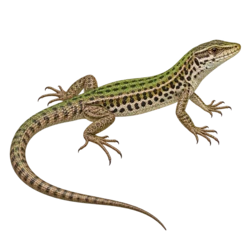
Bocage's Wall LizardD
A lizard found only in north-west Iberia, basking on granite walls in the Minho and Gerês and in Porto's parks.
Catatan spotting: Common north of the Douro from March to October.
Baca panduan spesiesPaling cocok untuk
Gunakan bagian ini untuk menilai apakah lokasi tersebut cocok dengan gaya perjalanan, level pengalaman, dan target AnimalDex kamu.
- Iberian lynx and wolf country in the Guadiana valley and Peneda-Gerês
- Estuary birds: flamingos, spoonbills and avocets on the Tagus, Sado and Ria Formosa
- Alentejo specialities like azure-winged magpies, mongooses and cliff storks
- Resident dolphins in the Sado estuary
Tips spotting
Tips ini dibuat agar halaman ini benar-benar berguna di lapangan, bukan hanya enak dibaca di layar.
- 01Lynx sightings around Mertola come to people who drive the dirt roads slowly at first light in autumn and winter.
- 02The Tagus estuary reserve south of Alcochete is best on a rising tide, when birds are pushed toward the salt-pan banks.
- 03Mongooses cross Alentejo roads in family lines mid-morning; slow down on quiet montado tracks.
- 04For storks on sea cliffs, walk the Rota Vicentina from Cabo Sardão lighthouse in April or May.
Wildlife Guides virtual
Panduan satwa liar ke Portugal
AnimalDex membuat panduan virtual dari penampakan satwa liar milik para penjelajah sendiri: satwa apa yang mereka temukan, seberapa langka, dan kapan. Panduan adalah saran dari orang yang pernah ke sana, bukan tur. Membelinya membuka catatan penulis untuk setiap satwa, obrolan dengan penulis, dan perkenalan dengan warga lokal yang mereka temui. Penampakan satwa tidak pernah dijamin.
Memeriksa panduan virtual ke Portugal...
Cara memilih pemandu satwa liar lokal di Portugal
- Tanyakan apa yang biasanya mereka temukan pada musim kunjunganmu. Pemandu yang baik memberi jawaban jujur, bukan janji pasti melihat satwa tertentu.
- Perhatikan cara mereka memperlakukan satwa: tanpa umpan, tanpa memanggil satwa, tanpa memegang, dan tanpa flash dari jarak dekat demi foto.
- Pastikan titik temu, durasi, ukuran grup, total harga, dan cara pembayaran sebelum hari kegiatan, termasuk izin atau biaya taman yang diperlukan.
Lacak hewan yang kamu temukan di Portugal
Bangun koleksimu sambil menjelajahi Portugal, dari spesies yang mudah ditemukan sampai target yang layak direncanakan khusus.
Tier list terkait
Tier list ini memberi konteks yang lebih luas untuk spesies yang membuat lokasi ini menarik.
Rarest Animals in the World
A structured ranking of the rarest animals in the world, blending scarcity, vulnerability, and conservation pressure to answer the overlap between rarest and most endangered wildlife.
Baca tier listLokasi terkait
Lanjutkan eksplorasi dengan destinasi yang mirip atau berdekatan dan mendukung gaya discovery AnimalDex yang sama.
Animals in Porto and Northern Portugal: What You Can Spot, Learn, and Collect
Wildlife of Porto, the Douro and Peneda-Gerês: Iberian wolves and garrano ponies, Douro golden eagles, otters and salamanders, Aveiro flamingos and Porto's harbour gulls.
Baca panduan lokasiAnimals in Lisbon: What You Can Spot, Learn, and Collect
Lisbon wildlife: Tagus estuary flamingos and avocets, the Oceanário's sunfish, Sado dolphins, Cabo da Roca peregrines, Sintra foxes, castle peacocks and wall geckos.
Baca panduan lokasiAnimals in Spain: What You Can Spot, Learn, and Collect
A practical Spain wildlife guide built around Mediterranean coasts, dry-country birds, wetlands, and the broad habitat mix that makes the country stronger than beach-only travel suggests.
Baca panduan lokasiFAQ lokasi
Jawaban singkat dan langsung untuk pertanyaan yang biasanya ditanyakan traveler sebelum memilih destinasi satwa liar atau hari kebun binatang.
What wildlife is there in Portugal?
Iberian wolves and lynx, wild boar, red and roe deer, Egyptian mongooses, genets and wildcats on land; flamingos, spoonbills, storks, bee-eaters and azure-winged magpies among the birds; dolphins, sunfish and loggerhead turtles at sea; and chameleons, ocellated lizards and ladder snakes in the south.
What animals can be found in Portugal?
Around 100 mammal species, 300 regularly recorded birds, and a rich reptile and amphibian list including the Iberian ribbed newt, marbled newt and Bocage's wall lizard found only in north-west Iberia. The Lisbon Oceanário adds sharks, otters, penguins and a sunfish.
Are there wolves in Portugal?
Yes, around 300 Iberian wolves live north of the Douro in Peneda-Gerês, Montesinho and the Alvão and Marão hills. They are shy and rarely seen; the Iberian Wolf Recovery Centre near Mafra offers guided visits to rescued animals.
Where can you see dolphins in Portugal?
The Sado estuary at Setubal has a resident bottlenose pod seen on most boat trips. Common dolphins are frequent from Lisbon, Sesimbra, Peniche and the Algarve, and the Azores are the place for whales.
Apakah pengguna AnimalDex pernah menemukan hewan di Portugal?
Ya. Pengguna AnimalDex telah mencatat 19 capture publik dari 15 spesies berbeda di Portugal, termasuk common buzzard, black vulture, little owl, barn funnel weaver. Semuanya difoto di aplikasi pada saat penampakan.
Bagaimana cara menemukan panduan satwa liar ke Portugal?
Lihat bagian Wildlife Guides di halaman ini atau jelajahi Wildlife Guides di AnimalDex. Setiap panduan adalah panduan virtual yang dibuat dari penampakan satwa liar milik seorang penjelajah di sekitar Portugal: satwa yang mereka temukan, seberapa langka, dan kapan. Ini saran dari orang yang pernah ke sana, bukan tur. Jika kamu ingin ditemani seseorang di lokasi, bandingkan pemandu lokal dari pengetahuan satwanya, cara mereka memperlakukan satwa, dan kejelasan harganya sebelum berangkat.