

Animals in Portugal: What You Can Spot, Learn, and Collect
Portugal's wildlife from Gerês to the Algarve: Iberian wolves and lynx, Tagus flamingos, cliff-nesting storks, azure-winged magpies, mongooses and Sado dolphins.
Quick answer
Start with the direct answer, then use the sections below to see why the location matters and which animals are actually realistic to spot there.
Portugal packs Iberia's specialities into a small country: Iberian wolves in Peneda-Gerês and Montesinho, reintroduced Iberian lynx in the Guadiana valley, cinereous vultures over the Tejo Internacional, azure-winged magpies and bee-eaters across the Alentejo, Egyptian mongooses and genets in the cork-oak montado, chameleons in the Algarve, white storks nesting on sea cliffs at Cabo Sardão, and flamingos and resident dolphins in the Tagus and Sado estuaries.
Portugal's AnimalDex captures lean on raptors: buzzards, little owls, eagle owls and peregrines from a bird-of-prey centre near Aveiro, with yellow-legged gulls and greylag geese from the Porto coast. The wild list is far longer, and most of it is within two hours of Lisbon or Porto.
Use the Porto and Northern Portugal page for the Douro and Gerês, and the Lisbon page for the Tagus estuary, Sintra and the Sado dolphins. This page covers the country and the Alentejo and Algarve in between.
Why this location matters
Good location pages explain why the place is worth your time, not just which names belong on a destination checklist.
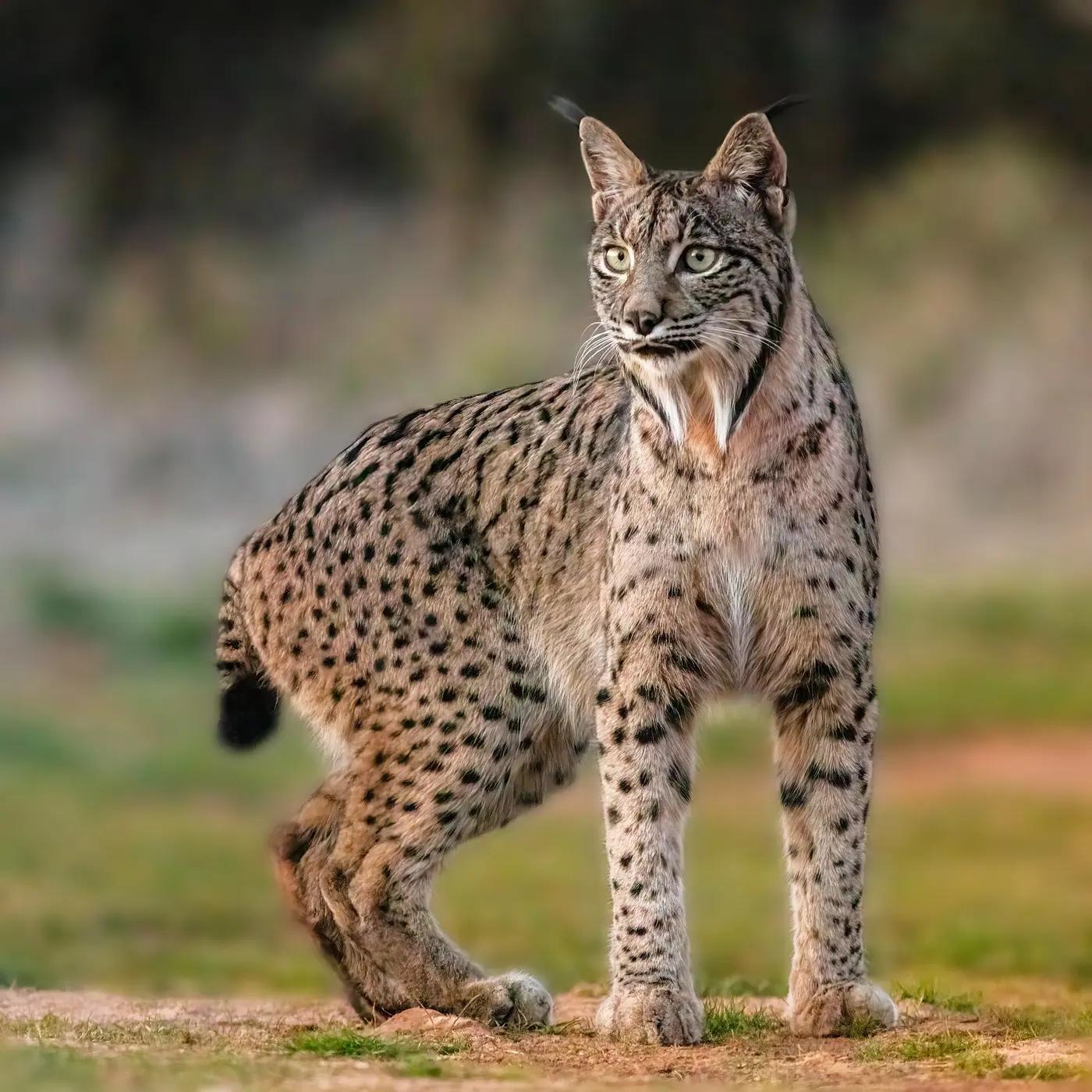
The Iberian lynx was the world's most endangered cat in 2002 with under 100 animals. Portugal began releases in the Guadiana valley near Mertola in 2015 and now has around 300, part of an Iberian total above 2,000. It is the fastest cat recovery on record.
Portugal's white storks are the only ones in the world that nest on sea cliffs, at Cabo Sardão on the Alentejo coast, and the Sado estuary holds one of Europe's last resident estuary dolphin pods.
Where to look
Wildlife map of Portugal
This guide covers the region shown below. Zoom in to get your bearings before planning a trip.
Positions are geocoded from OpenStreetMap. Habitat access and opening times change — check locally before travelling. Smaller pins are public AnimalDex captures, placed to the nearest kilometre.
Field proof
Found in Portugal by AnimalDex users
Real captures logged in the AnimalDex app inside this area and shared publicly by their collectors, with the animal confirmed by the app's identification. Places are shown to the nearest region, never the exact spot.
- 19
- public captures
- 15
- species recorded
- 5
- collectors
- 5
- wild sightings
Recent captures from the field
Species people have actually logged here
Every name links to its species guide. The count is how many public captures of that animal sit inside this area.
- Common Buzzard3 captures
- Black Vulture2 captures
- Little Owl2 captures
- Barn Funnel Weaver1 capture
- Barn Owl1 capture
- Bristlenose Pleco1 capture
- Eurasian Eagle-Owl1 capture
- Eurasian Sparrowhawk1 capture
- Muscovy Duck1 capture
- Peregrine Falcon1 capture
- Red-tailed Hawk1 capture
- Rosy Tetra1 capture
- Siamese Algae Eater1 capture
- Tadpole Shrimp1 capture
- Yellow-legged Gull1 capture
Collectors choose to share these captures on Discover and can withdraw them at any time. Coordinates are rounded to about a kilometre and refreshed with each site build.
Animals to spot
These are intentionally practical species picks, balancing accessibility, excitement, and what travelers can realistically notice in the location.
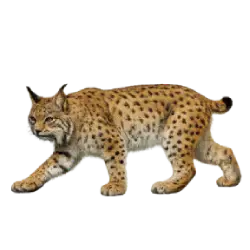
Iberian LynxA
Reintroduced into the Guadiana valley around Mertola from 2015; around 300 now live in Portugal and the Vale do Guadiana park runs guided trips.
Spotting note: Rare; dawn drives on the Mertola back roads give a real chance.
Read species guide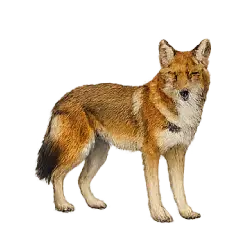
WolfC
Around 300 Iberian wolves survive north of the Douro in Peneda-Gerês, Montesinho and the Alvão hills; the Iberian Wolf Recovery Centre at Mafra keeps rescued animals.
Spotting note: Very rare to see wild; guaranteed at the Mafra centre on a guided visit.
Read species guide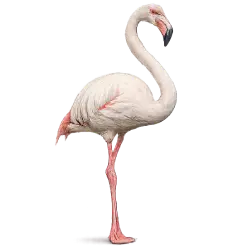
Greater FlamingoC
Thousands winter in the Tagus and Sado estuaries, the Ria Formosa and the Ria de Aveiro, and the first breeding attempts have been recorded in the Algarve salt pans.
Spotting note: Reliable year-round in the Tagus estuary and Ria Formosa.
Read species guide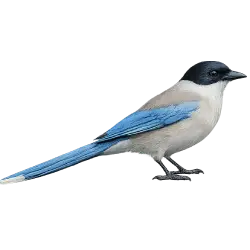
Azure-winged MagpieD
The Iberian magpie travels in chattering flocks through the Alentejo cork-oak montado and Algarve pine woods, found nowhere else in Europe.
Spotting note: Common in the Alentejo and inland Algarve.
Read species guide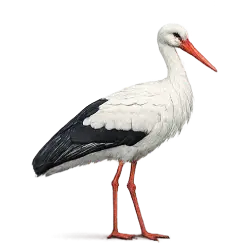
White StorkC
Nests on pylons, churches and, uniquely, on sea stacks at Cabo Sardão on the Alentejo coast; many Portuguese storks no longer migrate.
Spotting note: Guaranteed across the south; cliff nests at Cabo Sardão in spring.
Read species guide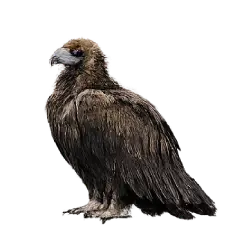
Cinereous VultureB
Breeds again in the Tejo Internacional park on the Spanish border and in the Serra de Sao Mamede, Europe's largest raptor.
Spotting note: Scarce; boat trips on the Tagus along the Spanish border give the best views.
Read species guide
Egyptian MongooseC
Europe's only wild mongoose trots across Alentejo and Algarve roads in family lines, tail held high.
Spotting note: Fairly common in the south; mid-morning on quiet montado roads.
Read species guide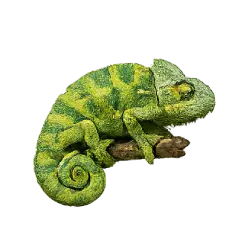
ChameleonC
The Mediterranean chameleon lives in the Algarve's coastal pines and dunes between Faro and Vila Real de Santo Antonio, one of very few wild chameleon populations in Europe.
Spotting note: Uncommon and well hidden; Ria Formosa dune scrub in autumn.
Read species guide
DolphinB
A resident pod of around 30 bottlenose dolphins lives in the Sado estuary at Setubal, and common dolphins are seen on boats from Lisbon, Sesimbra and the Algarve.
Spotting note: Near-guaranteed on Sado trips from Setubal.
Read species guide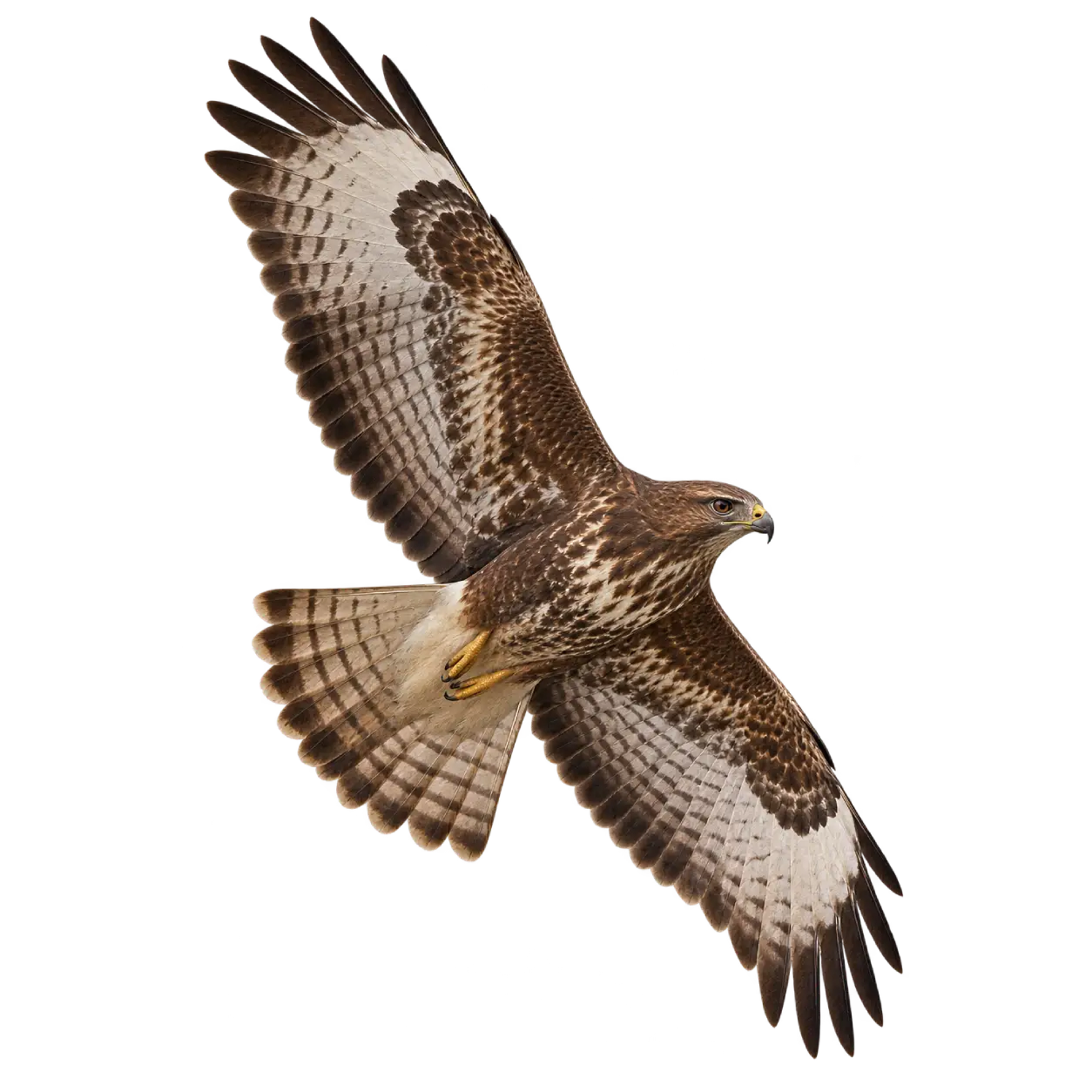
Common BuzzardC
The most captured raptor in Portugal's AnimalDex data, circling over every stretch of farmland and roadside pole from Minho to the Algarve.
Spotting note: Very common year-round.
Read species guide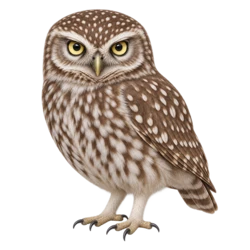
Little OwlD
Perches on stone walls, ruins and olive trees across the Alentejo in daylight; a repeat capture by Portuguese users.
Spotting note: Common and easy to see by day in the south.
Read species guide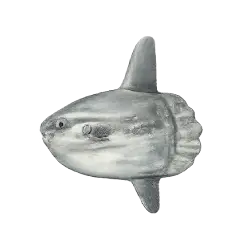
Ocean SunfishC
The Lisbon Oceanário's central tank is one of the few places in the world to see a live sunfish, and wild ones drift off the Algarve and Sesimbra in summer.
Spotting note: Guaranteed at the Oceanário; occasional from Algarve boats.
Read species guide
Yellow-legged GullD
The default big gull of every Portuguese harbour and beach, from Porto's Ribeira to Lagos, and a logged capture in the north.
Spotting note: Guaranteed.
Read species guide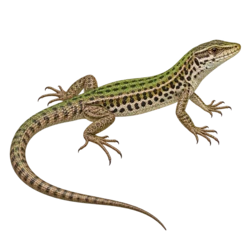
Bocage's Wall LizardD
A lizard found only in north-west Iberia, basking on granite walls in the Minho and Gerês and in Porto's parks.
Spotting note: Common north of the Douro from March to October.
Read species guideBest for
Use this section to decide whether the location fits your travel style, skill level, and AnimalDex goals.
- Iberian lynx and wolf country in the Guadiana valley and Peneda-Gerês
- Estuary birds: flamingos, spoonbills and avocets on the Tagus, Sado and Ria Formosa
- Alentejo specialities like azure-winged magpies, mongooses and cliff storks
- Resident dolphins in the Sado estuary
Spotting tips
These tips are meant to make the page useful in the field, not just readable on the page.
- 01Lynx sightings around Mertola come to people who drive the dirt roads slowly at first light in autumn and winter.
- 02The Tagus estuary reserve south of Alcochete is best on a rising tide, when birds are pushed toward the salt-pan banks.
- 03Mongooses cross Alentejo roads in family lines mid-morning; slow down on quiet montado tracks.
- 04For storks on sea cliffs, walk the Rota Vicentina from Cabo Sardão lighthouse in April or May.
Virtual Wildlife Guides
Wildlife guides to Portugal
AnimalDex builds virtual guides from explorers' own wild sightings: which animals they found, how rare they are, and when. A guide is advice from someone who has been there, not a tour. Buying one unlocks the author's notes for every animal, a chat with the author, and introductions to local people they met. Wildlife is never guaranteed.
Checking for virtual guides to Portugal...
How to choose a local wildlife guide in Portugal
- Ask what they usually find in the season you are visiting. A good guide gives an honest answer, not a promised sighting.
- Check how they treat animals: no baiting, calling in, handling, or close flash photography for a better shot.
- Confirm the meeting area, duration, group size, total price, and how you pay before the day, plus any permits or park fees the place requires.
Track the animals you find in Portugal
Build your collection while you travel through Portugal, from easy wins to the species worth planning around.
Related tier lists
These tier lists add broader context around the species that make this location interesting.
Rarest Animals in the World
A structured ranking of the rarest animals in the world, blending scarcity, vulnerability, and conservation pressure to answer the overlap between rarest and most endangered wildlife.
Read tier listRelated locations
Keep exploring with nearby or similar destinations that support the same kind of AnimalDex discovery.
Animals in Porto and Northern Portugal: What You Can Spot, Learn, and Collect
Wildlife of Porto, the Douro and Peneda-Gerês: Iberian wolves and garrano ponies, Douro golden eagles, otters and salamanders, Aveiro flamingos and Porto's harbour gulls.
Read location guideAnimals in Lisbon: What You Can Spot, Learn, and Collect
Lisbon wildlife: Tagus estuary flamingos and avocets, the Oceanário's sunfish, Sado dolphins, Cabo da Roca peregrines, Sintra foxes, castle peacocks and wall geckos.
Read location guideAnimals in Spain: What You Can Spot, Learn, and Collect
A practical Spain wildlife guide built around Mediterranean coasts, dry-country birds, wetlands, and the broad habitat mix that makes the country stronger than beach-only travel suggests.
Read location guideLocation FAQ
Short direct answers to the questions travelers usually ask before choosing a wildlife destination or zoo day.
What wildlife is there in Portugal?
Iberian wolves and lynx, wild boar, red and roe deer, Egyptian mongooses, genets and wildcats on land; flamingos, spoonbills, storks, bee-eaters and azure-winged magpies among the birds; dolphins, sunfish and loggerhead turtles at sea; and chameleons, ocellated lizards and ladder snakes in the south.
What animals can be found in Portugal?
Around 100 mammal species, 300 regularly recorded birds, and a rich reptile and amphibian list including the Iberian ribbed newt, marbled newt and Bocage's wall lizard found only in north-west Iberia. The Lisbon Oceanário adds sharks, otters, penguins and a sunfish.
Are there wolves in Portugal?
Yes, around 300 Iberian wolves live north of the Douro in Peneda-Gerês, Montesinho and the Alvão and Marão hills. They are shy and rarely seen; the Iberian Wolf Recovery Centre near Mafra offers guided visits to rescued animals.
Where can you see dolphins in Portugal?
The Sado estuary at Setubal has a resident bottlenose pod seen on most boat trips. Common dolphins are frequent from Lisbon, Sesimbra, Peniche and the Algarve, and the Azores are the place for whales.
Have AnimalDex users found animals in Portugal?
Yes. AnimalDex users have publicly logged 19 captures of 15 different species in Portugal, including common buzzard, black vulture, little owl, barn funnel weaver. Each one was photographed in the app at the moment of the sighting.
How do I find a wildlife guide to Portugal?
Check the Wildlife Guides section on this page or browse Wildlife Guides on AnimalDex. Each one is a virtual guide built from an explorer's own wild sightings around Portugal: the animals they found, how rare they are, and when. It is advice from someone who has been there, not a tour. If you want someone with you on the day, compare local guides on wildlife knowledge, how they treat animals, and clear pricing before you go.