Animals in Colombia: What You Can Spot, Learn, and Collect
A practical Colombia wildlife guide built around tropical birds, forests, wetlands, and the layered species mix that makes the country one of South America's richest wildlife destinations.
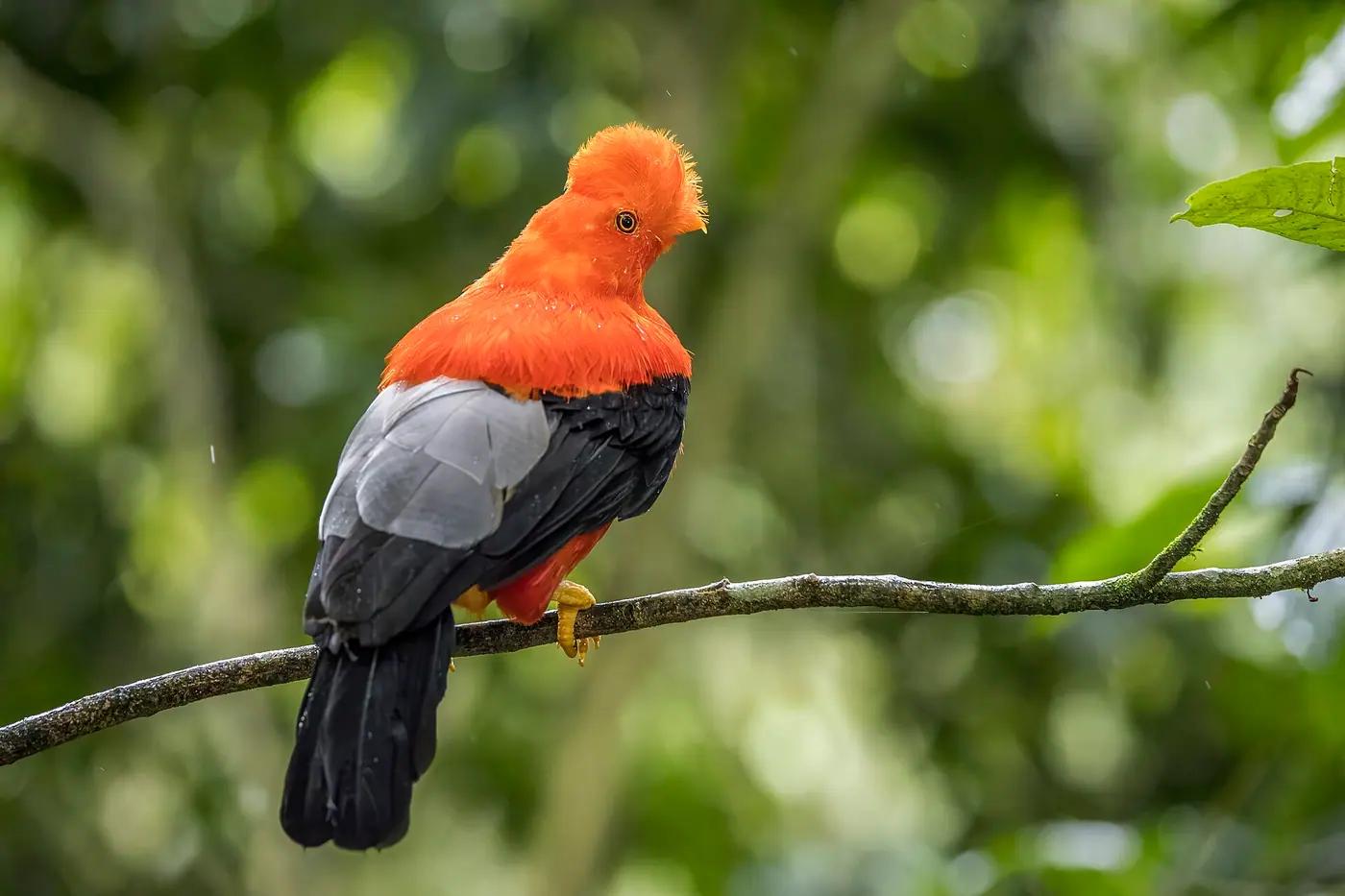
Quick answer
Start with the direct answer, then use the sections below to see why the location matters and which animals are actually realistic to spot there.
Colombia works best when you let tropical diversity lead the trip. Macaws, monkeys, frogs, toucans, sloths, and forest mammals make the country feel biologically rich very quickly, even before rare specialist targets enter the story.
Colombia rewards travelers who enjoy color, texture, and habitat variety.
Forest, wetland, river, and canopy wildlife all contribute to the sense that the country is alive with species.
Why this location matters
Good location pages explain why the place is worth your time, not just which names belong on a destination checklist.
It is one of the strongest countries in the region for building a visually varied collection.
Colombia also shows how birds, mammals, reptiles, and amphibians can all matter in the same trip.
Where to find each animal in Colombia
Colombia has more bird species than any other country, and its geography explains why: Amazon forest in the south-east, three Andean ranges through the middle, the Llanos grassland to the east, and the Magdalena's wetlands running north to the Caribbean.
Habitat zone
Amazon & Chocó rainforest
Lowland rainforest in the south-east and the wettest forest on earth on the Pacific side.
17 animals mapped here
Habitat zone
Andean cordilleras
Three mountain ranges, cloud forest and páramo above them.
1 animals mapped here
Habitat zone
Llanos grassland
Seasonally flooded savanna running east toward the Orinoco.
1 animals mapped here
Habitat zone
Magdalena wetlands & Caribbean coast
River marsh, ciénagas and mangrove on the run north to the sea.
2 animals mapped here
Habitat zone
Cities & the coffee belt
Bogotá, Medellín and the farm country on the slopes between them.
3 animals mapped here
Zones are habitat guidance, not guarantees. Pin positions mark the part of the region each animal is realistically worked for; the coastline is simplified for legibility.
Where to look
Wildlife map of Colombia
This guide covers the region shown below. Zoom in to get your bearings before planning a trip.
Positions are geocoded from OpenStreetMap. Habitat access and opening times change — check locally before travelling. Smaller pins are public AnimalDex captures, placed to the nearest kilometre.
Field proof
Found in Colombia by AnimalDex users
Real captures logged in the AnimalDex app inside this area and shared publicly by their collectors, with the animal confirmed by the app's identification. Places are shown to the nearest region, never the exact spot.
- 4
- public captures
- 3
- species recorded
- 1
- collectors
- 4
- wild sightings
Recent captures from the field
Species people have actually logged here
Every name links to its species guide. The count is how many public captures of that animal sit inside this area.
Collectors choose to share these captures on Discover and can withdraw them at any time. Coordinates are rounded to about a kilometre and refreshed with each site build.
Animals to spot
These are intentionally practical species picks, balancing accessibility, excitement, and what travelers can realistically notice in the location.
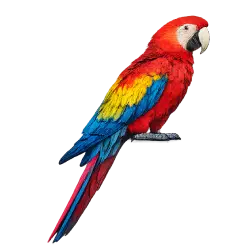
Scarlet MacawC
A vivid bird that gives Colombia instant tropical energy and visual payoff.
Spotting note: Color-rich headline species.
Read species guide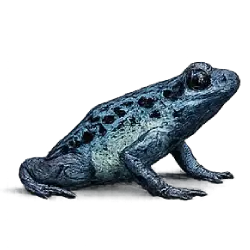
Poison Dart FrogD
A small animal with huge educational and visual value in humid tropical systems.
Spotting note: Specialist but memorable find.
Read species guide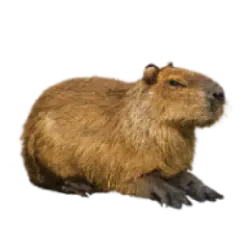
CapybaraD
A grounded wetland mammal that broadens the list beyond pure canopy or bird focus.
Spotting note: Strong practical mammal.
Read species guide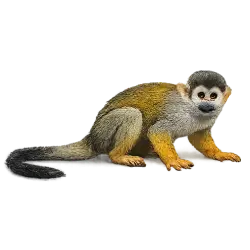
Squirrel MonkeyC
An active primate that makes forest observation feel more dynamic and engaging.
Spotting note: Behavior-rich supporting species.
Read species guide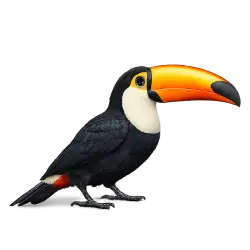
Toco ToucanC
Toco Toucan adds realistic depth to the Colombia animal list without forcing the page around one headline encounter.
Spotting note: Useful supporting species with the right habitat and timing.
Read species guide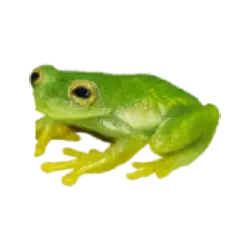
Glass FrogC
Glass Frog broadens the Colombia page beyond the obvious targets and makes habitat-led spotting feel more complete.
Spotting note: Better treated as a realistic secondary target than a guaranteed sighting.
Read species guide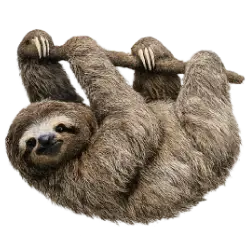
Three-toed SlothD
Three Toed Sloth is a strong supporting species that helps Colombia feel richer than a one-animal destination.
Spotting note: Strong add when you pay attention to habitat instead of chasing one flagship animal.
Read species guide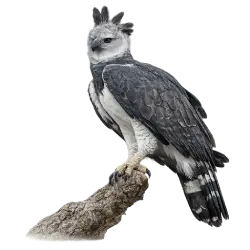
Harpy EagleA
Harpy Eagle gives the Colombia page more ecological range, not just more raw checklist count.
Spotting note: Meaningful supporting sighting rather than the only reason to choose the location.
Read species guide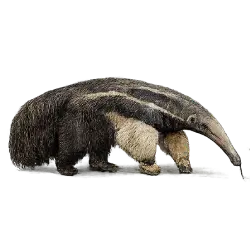
Giant AnteaterC
Giant Anteater adds realistic depth to the Colombia animal list without forcing the page around one headline encounter.
Spotting note: Useful supporting species with the right habitat and timing.
Read species guide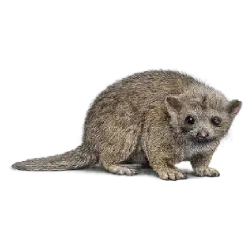
KinkajouC
Kinkajou broadens the Colombia page beyond the obvious targets and makes habitat-led spotting feel more complete.
Spotting note: Better treated as a realistic secondary target than a guaranteed sighting.
Read species guide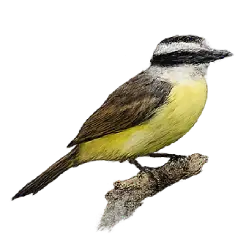
Great KiskadeeD
Great Kiskadee is a strong supporting species that helps Colombia feel richer than a one-animal destination.
Spotting note: Strong add when you pay attention to habitat instead of chasing one flagship animal.
Read species guide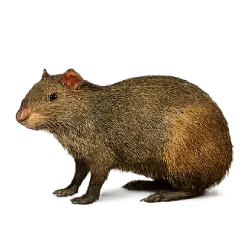
Central American AgoutiD
Central American Agouti gives the Colombia page more ecological range, not just more raw checklist count.
Spotting note: Meaningful supporting sighting rather than the only reason to choose the location.
Read species guide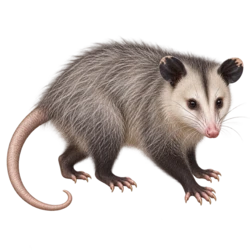
Common OpossumD
Opossum adds realistic depth to the Colombia animal list without forcing the page around one headline encounter.
Spotting note: Useful supporting species with the right habitat and timing.
Read species guide
Spectacled BearB
Spectacled Bear broadens the Colombia page beyond the obvious targets and makes habitat-led spotting feel more complete.
Spotting note: Better treated as a realistic secondary target than a guaranteed sighting.
Read species guide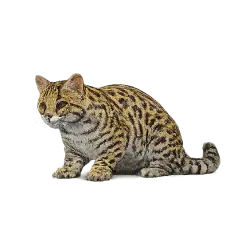
OcelotB
Ocelot is a strong supporting species that helps Colombia feel richer than a one-animal destination.
Spotting note: Strong add when you pay attention to habitat instead of chasing one flagship animal.
Read species guide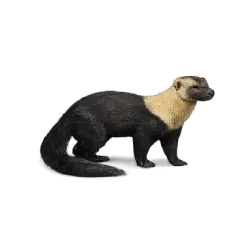
TayraC
Tayra gives the Colombia page more ecological range, not just more raw checklist count.
Spotting note: Meaningful supporting sighting rather than the only reason to choose the location.
Read species guide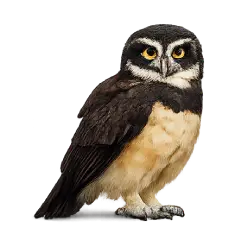
Spectacled OwlC
Spectacled Owl adds realistic depth to the Colombia animal list without forcing the page around one headline encounter.
Spotting note: Useful supporting species with the right habitat and timing.
Read species guide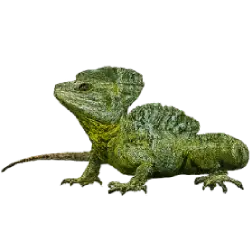
Common BasiliskD
Common Basilisk broadens the Colombia page beyond the obvious targets and makes habitat-led spotting feel more complete.
Spotting note: Better treated as a realistic secondary target than a guaranteed sighting.
Read species guide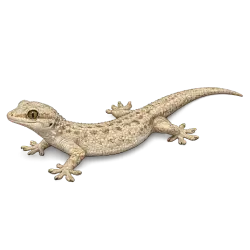
Common House GeckoE
Common House Gecko is a strong supporting species that helps Colombia feel richer than a one-animal destination.
Spotting note: Strong add when you pay attention to habitat instead of chasing one flagship animal.
Read species guide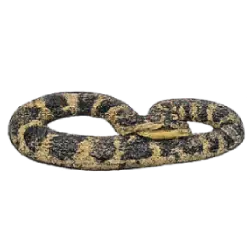
Boa ConstrictorC
Boa Constrictor gives the Colombia page more ecological range, not just more raw checklist count.
Spotting note: Meaningful supporting sighting rather than the only reason to choose the location.
Read species guide
House FlyE
House Fly adds realistic depth to the Colombia animal list without forcing the page around one headline encounter.
Spotting note: Useful supporting species with the right habitat and timing.
Read species guide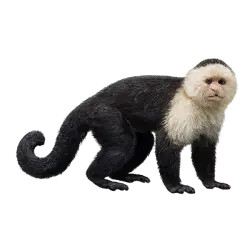
White-faced CapuchinC
White Faced Capuchin broadens the Colombia page beyond the obvious targets and makes habitat-led spotting feel more complete.
Spotting note: Better treated as a realistic secondary target than a guaranteed sighting.
Read species guide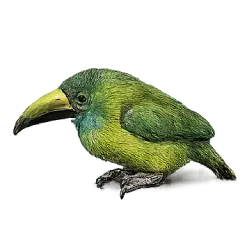
Emerald ToucanetC
Emerald Toucanet is a strong supporting species that helps Colombia feel richer than a one-animal destination.
Spotting note: Strong add when you pay attention to habitat instead of chasing one flagship animal.
Read species guide
Green AnoleE
Green Anole gives the Colombia page more ecological range, not just more raw checklist count.
Spotting note: Meaningful supporting sighting rather than the only reason to choose the location.
Read species guide
Tree FrogE
Tree Frog adds realistic depth to the Colombia animal list without forcing the page around one headline encounter.
Spotting note: Useful supporting species with the right habitat and timing.
Read species guideBest for
Use this section to decide whether the location fits your travel style, skill level, and AnimalDex goals.
- Travelers who want tropical variety rather than one flagship species.
- Birders and photographers chasing color and movement.
- Collectors who enjoy layered habitat lists.
- People who want strong wildlife identity across a broad trip.
Spotting tips
These tips are meant to make the page useful in the field, not just readable on the page.
- 01Use habitat layers as the real strategy, not just country name.
- 02Birds and frogs can carry the trip as much as bigger mammals.
- 03River and wetland additions help round out the list fast.
- 04Do not over-focus on one rare specialist when common tropical wins are already strong.
Virtual Wildlife Guides
Wildlife guides to Colombia
AnimalDex builds virtual guides from explorers' own wild sightings: which animals they found, how rare they are, and when. A guide is advice from someone who has been there, not a tour. Buying one unlocks the author's notes for every animal, a chat with the author, and introductions to local people they met. Wildlife is never guaranteed.
Checking for virtual guides to Colombia...
How to choose a local wildlife guide in Colombia
- Ask what they usually find in the season you are visiting. A good guide gives an honest answer, not a promised sighting.
- Check how they treat animals: no baiting, calling in, handling, or close flash photography for a better shot.
- Confirm the meeting area, duration, group size, total price, and how you pay before the day, plus any permits or park fees the place requires.
Track the animals you find in Colombia
Build your collection while you travel through Colombia, from easy wins to the species worth planning around.
Related locations
Keep exploring with nearby or similar destinations that support the same kind of AnimalDex discovery.
Animals in Costa Rica: What You Can Spot, Learn, and Collect
A practical Costa Rica wildlife guide built around tropical accessibility, marine add-ons, and the species that make the country so good for travel-friendly animal discovery.
Read location guideAnimals in Ecuador: What You Can Spot, Learn, and Collect
A practical Ecuador wildlife guide built around tropical color, coast-linked species, and the short-distance habitat shifts that make the country feel dense with animal possibility.
Read location guideAnimals in Brazil: What You Can Spot, Learn, and Collect
A practical Brazil wildlife guide built around wetlands, rainforest color, and the species that make the country feel big, alive, and worth collecting carefully.
Read location guideLocation FAQ
Short direct answers to the questions travelers usually ask before choosing a wildlife destination or zoo day.
What animals are most interesting in Colombia?
Tropical birds, monkeys, frogs, wetland mammals, and forest-supporting species are among the strongest answers.
Is Colombia good for AnimalDex collecting?
Yes. It is one of the richer countries for building a varied tropical wildlife list.
Have AnimalDex users found animals in Colombia?
Yes. AnimalDex users have publicly logged 4 captures of 3 different species in Colombia, including blue-fronted amazon, black ant, red-footed tortoise. Each one was photographed in the app at the moment of the sighting.
How do I find a wildlife guide to Colombia?
Check the Wildlife Guides section on this page or browse Wildlife Guides on AnimalDex. Each one is a virtual guide built from an explorer's own wild sightings around Colombia: the animals they found, how rare they are, and when. It is advice from someone who has been there, not a tour. If you want someone with you on the day, compare local guides on wildlife knowledge, how they treat animals, and clear pricing before you go.