Animals in Costa Rica: What You Can Spot, Learn, and Collect
A practical Costa Rica wildlife guide built around tropical accessibility, marine add-ons, and the species that make the country so good for travel-friendly animal discovery.
Quick answer
Start with the direct answer, then use the sections below to see why the location matters and which animals are actually realistic to spot there.
Costa Rica is one of the best countries for travel-friendly wildlife because it makes tropical animal discovery feel accessible. Bright birds, turtles, reef fish, and migration-linked species give the trip a lot of reward without extreme logistical friction.
Costa Rica succeeds because it lowers the barrier to rewarding tropical wildlife travel.
You can build a meaningful list without treating every day like a deep expedition.
Why this location matters
Good location pages explain why the place is worth your time, not just which names belong on a destination checklist.
The country is strong for travelers who want high return on attention.
It makes mixed land-and-marine wildlife collecting feel natural.
Where to find each animal in Costa Rica
Costa Rica fits a dozen life zones into a country the size of Denmark. The zones below are the ones a wildlife trip actually uses: Caribbean lowland rainforest, Monteverde's cloud forest, Guanacaste's dry forest, the Tortuguero canals and the Pacific reef.
Habitat zone
Caribbean lowland rainforest
Hot, wet lowland forest on the Atlantic slope — the country's densest canopy life.
19 animals mapped here
 Scarlet MacawC
 Red-eyed Tree FrogB
 Mantled Howler MonkeyC
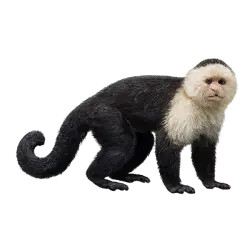 White-faced CapuchinC
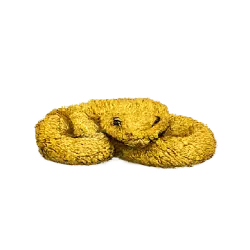 Eyelash ViperC
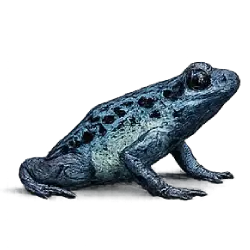 Poison Dart FrogD
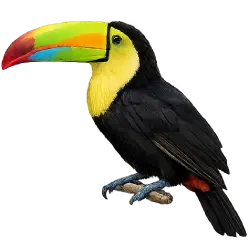 Keel-billed ToucanC
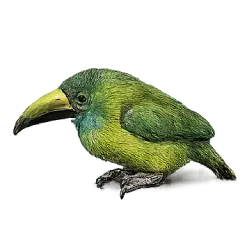 Emerald ToucanetC
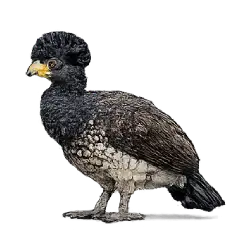 Great CurassowC
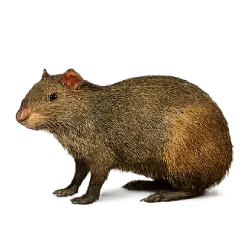 Central American AgoutiD
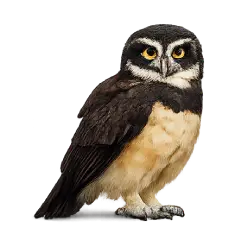 Spectacled OwlC
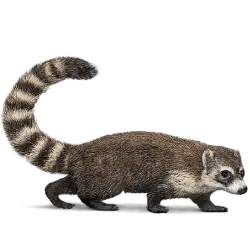 White-nosed CoatiC
 Green IguanaD
 Three-toed SlothD
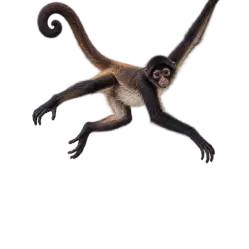 Spider MonkeyB
 Leafcutter AntE
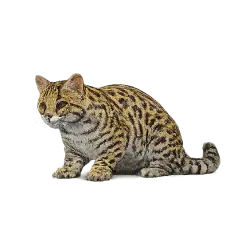 OcelotB
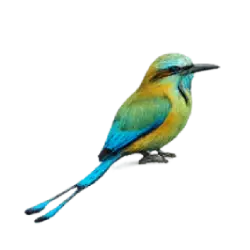 Turquoise-browed MotmotD
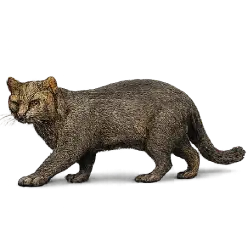 JaguarundiC
Habitat zone
Monteverde cloud forest
Wind-blown cloud forest on the continental divide, wet all year.
1 animals mapped here
Habitat zone
Guanacaste dry forest
Deciduous forest and open pasture in the north-west, which drops its leaves in the dry season.
2 animals mapped here
Habitat zone
Tortuguero canals & turtle beach
Freshwater canals behind a nesting beach, worked by boat.
1 animals mapped here
Habitat zone
Pacific coast water
Warm gulf water, rocky points and the reef patches along the southern Pacific coast.
2 animals mapped here
Habitat zone
San José & the central valley
Coffee farms, town gardens and the valley's built-up middle.
4 animals mapped here
Zones are habitat guidance, not guarantees. Pin positions mark the part of the region each animal is realistically worked for; the coastline is simplified for legibility.
Where to look
Wildlife map of Costa Rica
This guide covers the region shown below. Zoom in to get your bearings before planning a trip.
Positions are geocoded from OpenStreetMap. Habitat access and opening times change — check locally before travelling.
Animals to spot
These are intentionally practical species picks, balancing accessibility, excitement, and what travelers can realistically notice in the location.
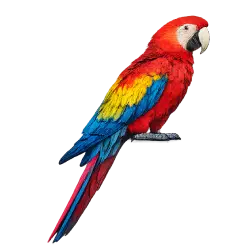
Scarlet MacawC
A signature tropical bird that makes the country feel instantly vivid.
Spotting note: Major color-rich highlight.
Read species guide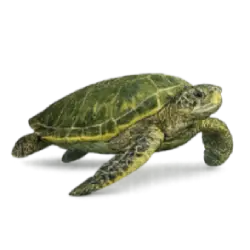
Green Sea TurtleC
A memorable marine species that gives coast days real collecting weight.
Spotting note: Excellent coastal target.
Read species guide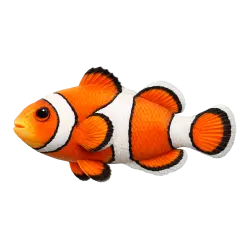
ClownfishE
A practical marine addition for snorkeling and shallow reef moments.
Spotting note: Fast marine win in the right spot.
Read species guide
Monarch ButterflyE
A migration-linked insect that helps smaller species carry real value.
Spotting note: Seasonally rewarding supporting species.
Read species guide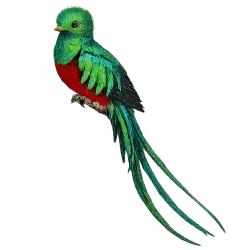
Resplendent QuetzalC
Resplendent Quetzal adds realistic depth to the Costa Rica animal list without forcing the page around one headline encounter.
Spotting note: Useful supporting species with the right habitat and timing.
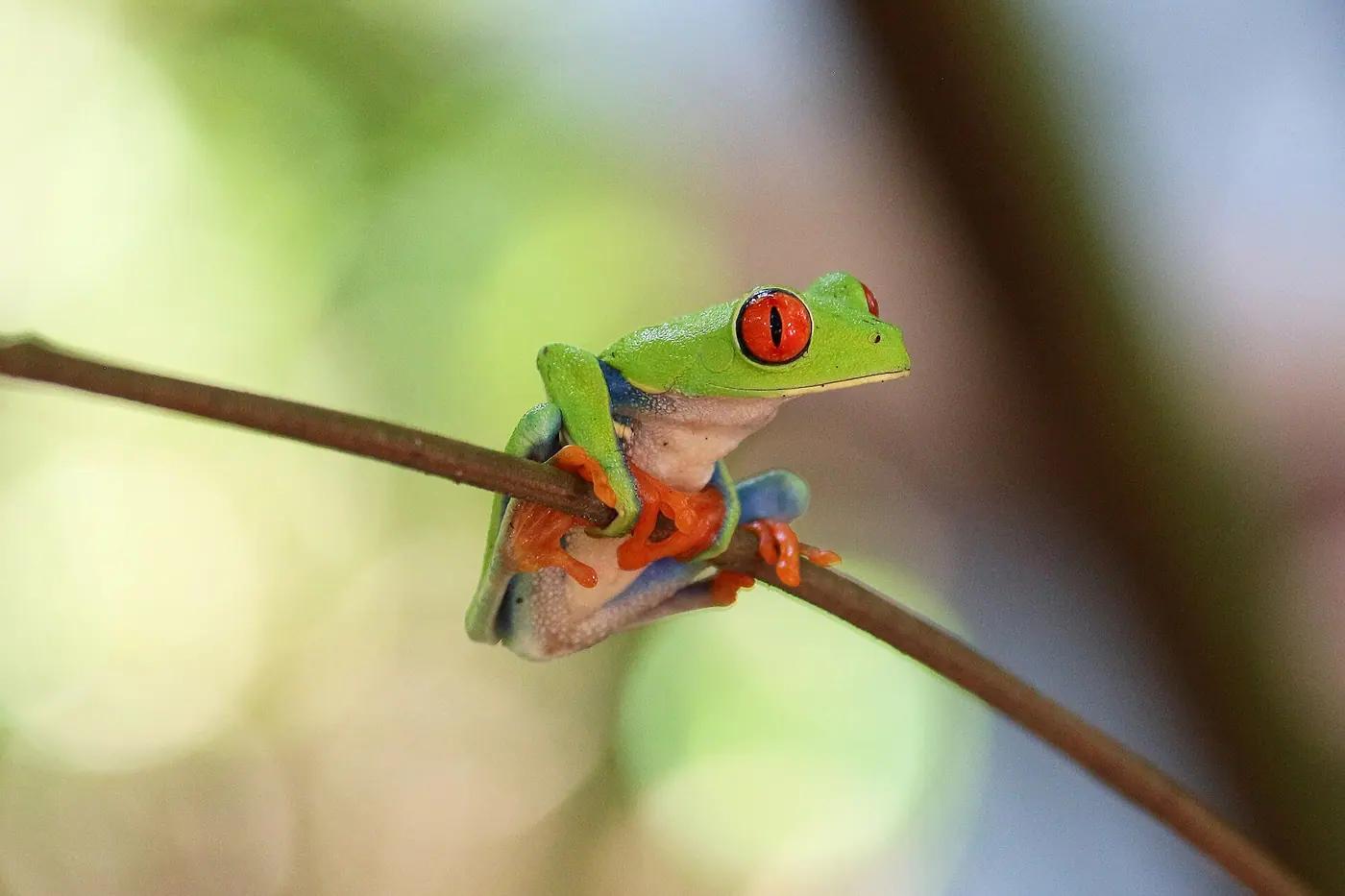
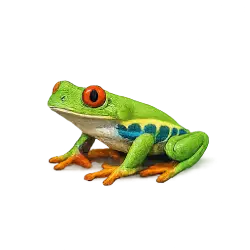
Read species guideRed-eyed Tree FrogB
Red Eyed Tree Frog broadens the Costa Rica page beyond the obvious targets and makes habitat-led spotting feel more complete.
Spotting note: Better treated as a realistic secondary target than a guaranteed sighting.
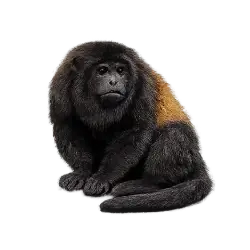
Read species guideMantled Howler MonkeyC
Mantled Howler Monkey is a strong supporting species that helps Costa Rica feel richer than a one-animal destination.
Spotting note: Strong add when you pay attention to habitat instead of chasing one flagship animal.
Read species guideWhite-faced CapuchinC
White Faced Capuchin gives the Costa Rica page more ecological range, not just more raw checklist count.
Spotting note: Meaningful supporting sighting rather than the only reason to choose the location.
Read species guideEyelash ViperC
Eyelash Viper adds realistic depth to the Costa Rica animal list without forcing the page around one headline encounter.
Spotting note: Useful supporting species with the right habitat and timing.
Read species guidePoison Dart FrogD
Poison Dart Frog broadens the Costa Rica page beyond the obvious targets and makes habitat-led spotting feel more complete.
Spotting note: Better treated as a realistic secondary target than a guaranteed sighting.
Read species guide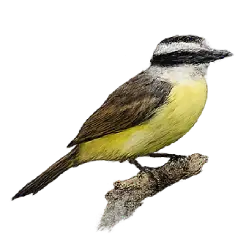
Great KiskadeeD
Great Kiskadee is a strong supporting species that helps Costa Rica feel richer than a one-animal destination.
Spotting note: Strong add when you pay attention to habitat instead of chasing one flagship animal.
Read species guideKeel-billed ToucanC
Keel Billed Toucan gives the Costa Rica page more ecological range, not just more raw checklist count.
Spotting note: Meaningful supporting sighting rather than the only reason to choose the location.
Read species guideEmerald ToucanetC
Emerald Toucanet adds realistic depth to the Costa Rica animal list without forcing the page around one headline encounter.
Spotting note: Useful supporting species with the right habitat and timing.
Read species guideGreat CurassowC
Great Curassow broadens the Costa Rica page beyond the obvious targets and makes habitat-led spotting feel more complete.
Spotting note: Better treated as a realistic secondary target than a guaranteed sighting.
Read species guideCentral American AgoutiD
Central American Agouti is a strong supporting species that helps Costa Rica feel richer than a one-animal destination.
Spotting note: Strong add when you pay attention to habitat instead of chasing one flagship animal.
Read species guideSpectacled OwlC
Spectacled Owl gives the Costa Rica page more ecological range, not just more raw checklist count.
Spotting note: Meaningful supporting sighting rather than the only reason to choose the location.
Read species guideWhite-nosed CoatiC
White Nosed Coati adds realistic depth to the Costa Rica animal list without forcing the page around one headline encounter.
Spotting note: Useful supporting species with the right habitat and timing.
Read species guideGreen IguanaD
Green Iguana broadens the Costa Rica page beyond the obvious targets and makes habitat-led spotting feel more complete.
Spotting note: Better treated as a realistic secondary target than a guaranteed sighting.
Read species guideThree-toed SlothD
Three Toed Sloth is a strong supporting species that helps Costa Rica feel richer than a one-animal destination.
Spotting note: Strong add when you pay attention to habitat instead of chasing one flagship animal.
Read species guide
Green BasiliskD
Green Basilisk gives the Costa Rica page more ecological range, not just more raw checklist count.
Spotting note: Meaningful supporting sighting rather than the only reason to choose the location.
Read species guide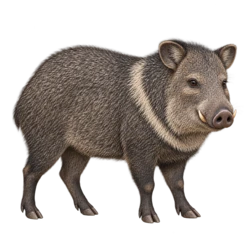
Collared PeccaryD
Collared Peccary adds realistic depth to the Costa Rica animal list without forcing the page around one headline encounter.
Spotting note: Useful supporting species with the right habitat and timing.
Read species guideSpider MonkeyB
Spider Monkey broadens the Costa Rica page beyond the obvious targets and makes habitat-led spotting feel more complete.
Spotting note: Better treated as a realistic secondary target than a guaranteed sighting.
Read species guideLeafcutter AntE
Leafcutter Ant is a strong supporting species that helps Costa Rica feel richer than a one-animal destination.
Spotting note: Strong add when you pay attention to habitat instead of chasing one flagship animal.
Read species guide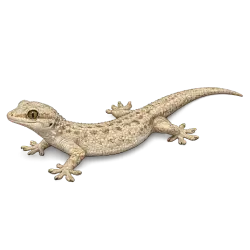
Common House GeckoE
Common House Gecko gives the Costa Rica page more ecological range, not just more raw checklist count.
Spotting note: Meaningful supporting sighting rather than the only reason to choose the location.
Read species guideOcelotB
Ocelot adds realistic depth to the Costa Rica animal list without forcing the page around one headline encounter.
Spotting note: Useful supporting species with the right habitat and timing.
Read species guide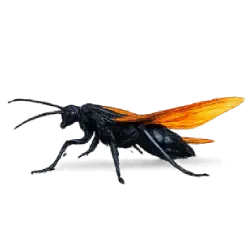
Tarantula Hawk WaspD
Tarantula Hawk Wasp broadens the Costa Rica page beyond the obvious targets and makes habitat-led spotting feel more complete.
Spotting note: Better treated as a realistic secondary target than a guaranteed sighting.
Read species guideTurquoise-browed MotmotD
Turquoise Browed Motmot is a strong supporting species that helps Costa Rica feel richer than a one-animal destination.
Spotting note: Strong add when you pay attention to habitat instead of chasing one flagship animal.
Read species guideJaguarundiC
Jaguarundi gives the Costa Rica page more ecological range, not just more raw checklist count.
Spotting note: Meaningful supporting sighting rather than the only reason to choose the location.
Read species guide
House FlyE
House Fly adds realistic depth to the Costa Rica animal list without forcing the page around one headline encounter.
Spotting note: Useful supporting species with the right habitat and timing.
Read species guide
Brown AnoleE
Brown Anole broadens the Costa Rica page beyond the obvious targets and makes habitat-led spotting feel more complete.
Spotting note: Better treated as a realistic secondary target than a guaranteed sighting.
Read species guideBest for
Use this section to decide whether the location fits your travel style, skill level, and AnimalDex goals.
- Beginner wildlife travelers.
- Families who want accessible tropical nature.
- Collectors who like land plus marine variety.
- People who want a high-reward trip without heavy expedition friction.
Spotting tips
These tips are meant to make the page useful in the field, not just readable on the page.
- 01Let easy tropical sightings build the trip instead of over-focusing on one rarity.
- 02Coastal and marine time matter a lot here.
- 03Birds and butterflies can carry as much memory as bigger animals.
- 04A balanced route often beats a hyper-specialized one.
Virtual Wildlife Guides
Wildlife guides to Costa Rica
AnimalDex builds virtual guides from explorers' own wild sightings: which animals they found, how rare they are, and when. A guide is advice from someone who has been there, not a tour. Buying one unlocks the author's notes for every animal, a chat with the author, and introductions to local people they met. Wildlife is never guaranteed.
Checking for virtual guides to Costa Rica...
How to choose a local wildlife guide in Costa Rica
- Ask what they usually find in the season you are visiting. A good guide gives an honest answer, not a promised sighting.
- Check how they treat animals: no baiting, calling in, handling, or close flash photography for a better shot.
- Confirm the meeting area, duration, group size, total price, and how you pay before the day, plus any permits or park fees the place requires.
Track the animals you find in Costa Rica
Build your collection while you travel through Costa Rica, from easy wins to the species worth planning around.
Related locations
Keep exploring with nearby or similar destinations that support the same kind of AnimalDex discovery.
Animals in Mexico: What You Can Spot, Learn, and Collect
A practical Mexico wildlife guide built around wetlands, coasts, colorful birds, and the species that make the country strong for flexible animal discovery.
Read location guideAnimals in Brazil: What You Can Spot, Learn, and Collect
A practical Brazil wildlife guide built around wetlands, rainforest color, and the species that make the country feel big, alive, and worth collecting carefully.
Read location guideAnimals in Colombia: What You Can Spot, Learn, and Collect
A practical Colombia wildlife guide built around tropical birds, forests, wetlands, and the layered species mix that makes the country one of South America's richest wildlife destinations.
Read location guideLocation FAQ
Short direct answers to the questions travelers usually ask before choosing a wildlife destination or zoo day.
Why is Costa Rica so popular for wildlife travel?
Because it makes rewarding tropical wildlife feel comparatively accessible while still offering strong species variety.
Is Costa Rica good for AnimalDex beginners?
Yes. It is one of the best places for people who want high wildlife payoff without needing extreme logistics.
How do I find a wildlife guide to Costa Rica?
Check the Wildlife Guides section on this page or browse Wildlife Guides on AnimalDex. Each one is a virtual guide built from an explorer's own wild sightings around Costa Rica: the animals they found, how rare they are, and when. It is advice from someone who has been there, not a tour. If you want someone with you on the day, compare local guides on wildlife knowledge, how they treat animals, and clear pricing before you go.