Animals in Dubai: What You Can Spot, Learn, and Collect
A practical Dubai wildlife guide built around urban-edge nature, coast, desert context, and the species that make the city more biologically interesting than a skyline-first stereotype suggests.
Quick answer
Start with the direct answer, then use the sections below to see why the location matters and which animals are actually realistic to spot there.
Dubai works best when you treat it as a city-plus-coast wildlife destination with desert edges. Camels, birds, marine species, reptiles, and smaller supporting animals can all turn a compact stay into a surprisingly useful species list.
Dubai is not about deep wilderness, but that does not mean it lacks wildlife value.
Urban green space, coast, marine access, and desert framing all contribute to what you can realistically notice.
Why this location matters
Good location pages explain why the place is worth your time, not just which names belong on a destination checklist.
It shows how city travel can still connect to meaningful wildlife observation.
Dubai also makes coast and desert-adjacent species feel more accessible to ordinary travelers.
Where to find each animal in Dubai
Dubai's wildlife sits at the edges of the built city: the desert conservation reserve inland, Hatta's mountains on the Oman border, Ras Al Khor's flamingo lagoon in the middle of town, and Gulf water offshore.
Habitat zone
Dubai Desert Conservation Reserve
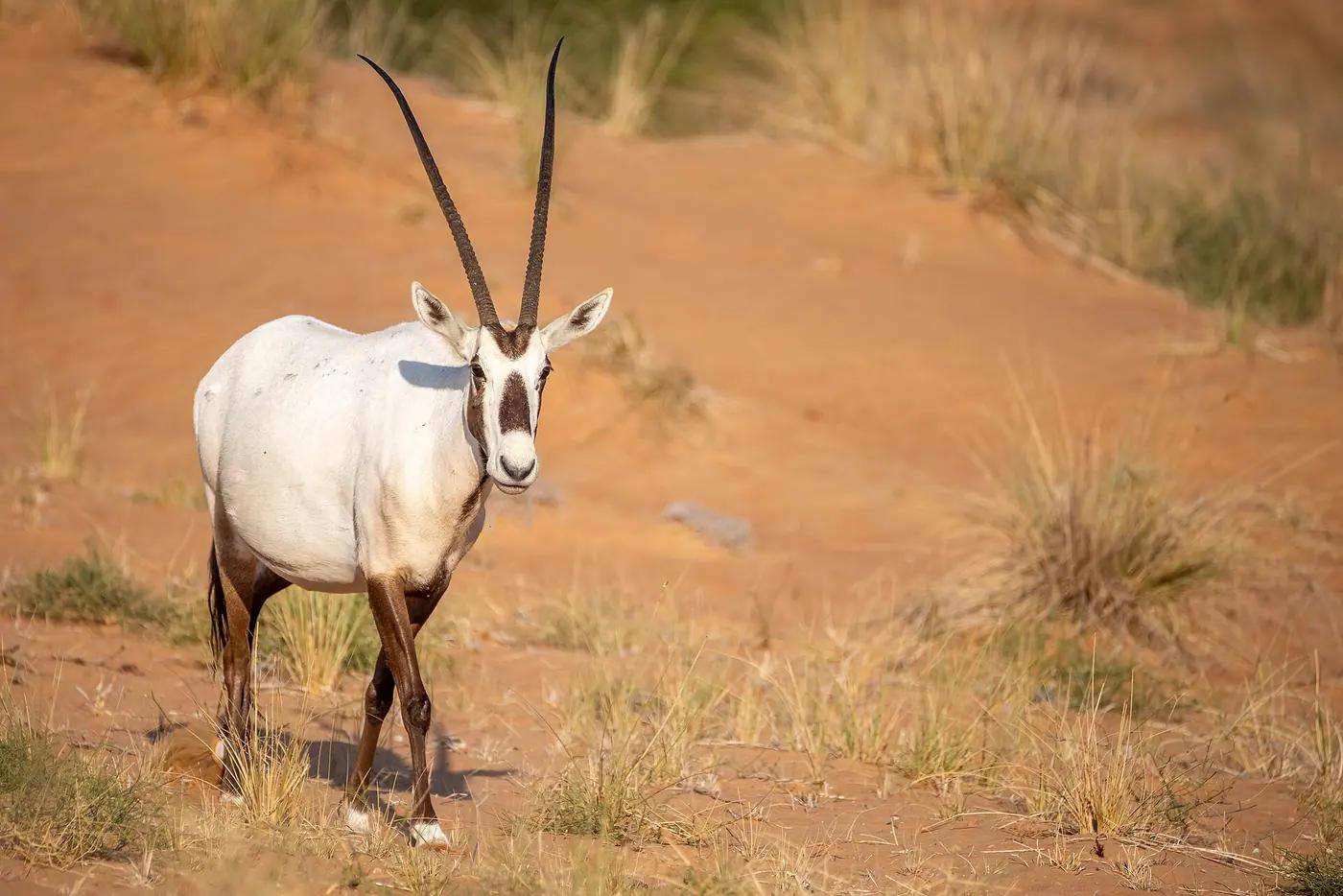
Protected dune and ghaf woodland inland, where the oryx and gazelle were reintroduced.
8 animals mapped here
Habitat zone
Hatta mountains
Bare Hajar rock, wadi pools and the falcon cliffs above them.
1 animals mapped here
Habitat zone
Ras Al Khor & the creek
Tidal lagoon and mangrove in the middle of the city — the flamingo hide is on the ring road.
3 animals mapped here
Habitat zone
Gulf water & reefs
Warm, shallow Gulf water with artificial reef and seagrass beds along the coast.
4 animals mapped here
Habitat zone
City, parks & villa gardens
Irrigated parks, villa gardens and the mall landscaping the city's birds have taken over.
9 animals mapped here
Zones are habitat guidance, not guarantees. Pin positions mark the part of the region each animal is realistically worked for; the coastline is simplified for legibility.
Where to look
Wildlife map of Dubai
This guide covers the region shown below. Zoom in to get your bearings before planning a trip.
Positions are geocoded from OpenStreetMap. Habitat access and opening times change — check locally before travelling.
Animals to spot
These are intentionally practical species picks, balancing accessibility, excitement, and what travelers can realistically notice in the location.
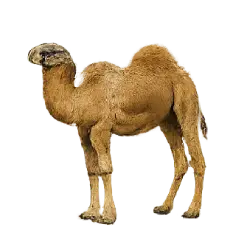
Dromedary CamelB
A regional anchor that gives Dubai immediate desert-linked animal identity.
Spotting note: Strong regional symbol.
Read species guide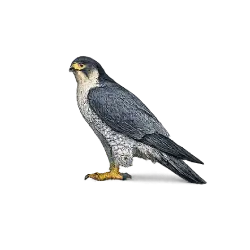
Peregrine FalconB
A fast, high-status bird that suits urban edges and open-country context well.
Spotting note: High-value supporting raptor.
Read species guide
DolphinB
A marine species that helps Dubai feel broader than land-only or skyline-only travel.
Spotting note: Memorable coastal sighting.
Read species guide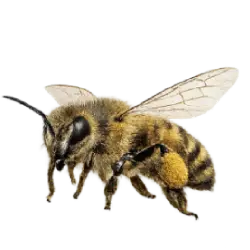
Honey BeeD
A useful smaller species that keeps everyday observation relevant even in a dense urban setting.
Spotting note: Small but worthwhile.
Read species guide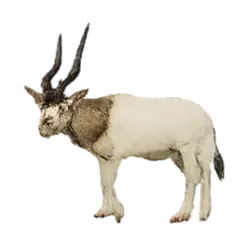
AddaxB
Addax adds realistic depth to the Dubai animal list without forcing the page around one headline encounter.
Spotting note: Useful supporting species with the right habitat and timing.
Read species guide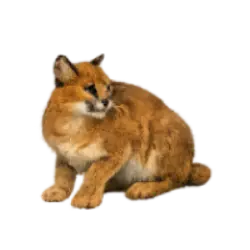
CaracalB
Caracal broadens the Dubai page beyond the obvious targets and makes habitat-led spotting feel more complete.
Spotting note: Better treated as a realistic secondary target than a guaranteed sighting.
Read species guide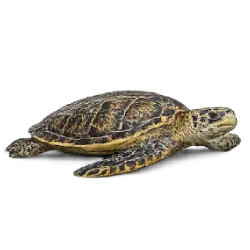
Hawksbill Sea TurtleC
Hawksbill Sea Turtle is a strong supporting species that helps Dubai feel richer than a one-animal destination.
Spotting note: Strong add when you pay attention to habitat instead of chasing one flagship animal.
Read species guide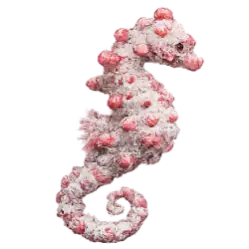
SeahorseC
Seahorse gives the Dubai page more ecological range, not just more raw checklist count.
Spotting note: Meaningful supporting sighting rather than the only reason to choose the location.
Read species guide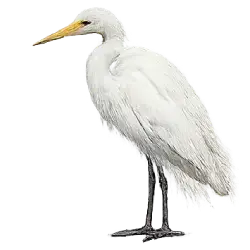
Great EgretD
Great Egret adds realistic depth to the Dubai animal list without forcing the page around one headline encounter.
Spotting note: Useful supporting species with the right habitat and timing.
Read species guide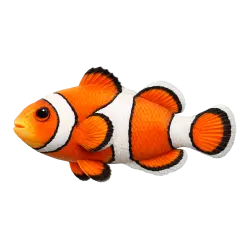
ClownfishE
Clownfish broadens the Dubai page beyond the obvious targets and makes habitat-led spotting feel more complete.
Spotting note: Better treated as a realistic secondary target than a guaranteed sighting.
Read species guide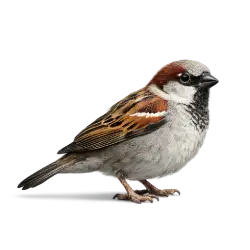
House SparrowE
House Sparrow is a strong supporting species that helps Dubai feel richer than a one-animal destination.
Spotting note: Strong add when you pay attention to habitat instead of chasing one flagship animal.
Read species guide
Eurasian Collared DoveD
Eurasian Collared Dove gives the Dubai page more ecological range, not just more raw checklist count.
Spotting note: Meaningful supporting sighting rather than the only reason to choose the location.
Read species guide
Common MynaD
Common Myna adds realistic depth to the Dubai animal list without forcing the page around one headline encounter.
Spotting note: Useful supporting species with the right habitat and timing.
Read species guide
House CrowD
House Crow broadens the Dubai page beyond the obvious targets and makes habitat-led spotting feel more complete.
Spotting note: Better treated as a realistic secondary target than a guaranteed sighting.
Read species guide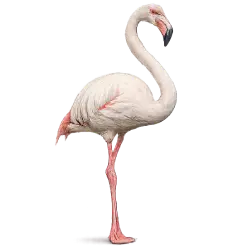
Greater FlamingoC
Greater Flamingo is a strong supporting species that helps Dubai feel richer than a one-animal destination.
Spotting note: Strong add when you pay attention to habitat instead of chasing one flagship animal.
Read species guide
Arabian OryxB
Arabian Oryx gives the Dubai page more ecological range, not just more raw checklist count.
Spotting note: Meaningful supporting sighting rather than the only reason to choose the location.
Read species guide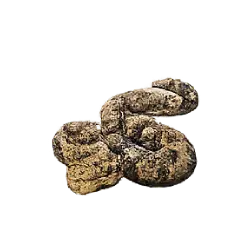
Desert Horned ViperC
Desert Horned Viper adds realistic depth to the Dubai animal list without forcing the page around one headline encounter.
Spotting note: Useful supporting species with the right habitat and timing.
Read species guide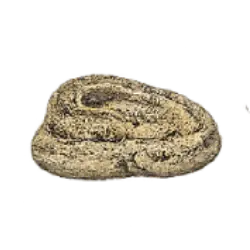
Arabian Sand BoaD
Arabian Sand Boa broadens the Dubai page beyond the obvious targets and makes habitat-led spotting feel more complete.
Spotting note: Better treated as a realistic secondary target than a guaranteed sighting.
Read species guide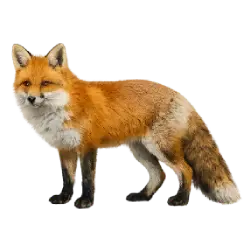
Red FoxC
Red Fox is a strong supporting species that helps Dubai feel richer than a one-animal destination.
Spotting note: Strong add when you pay attention to habitat instead of chasing one flagship animal.
Read species guide
DamselflyE
Damselfly gives the Dubai page more ecological range, not just more raw checklist count.
Spotting note: Meaningful supporting sighting rather than the only reason to choose the location.
Read species guide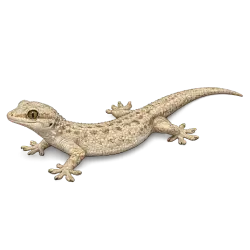
Common House GeckoE
Common House Gecko adds realistic depth to the Dubai animal list without forcing the page around one headline encounter.
Spotting note: Useful supporting species with the right habitat and timing.
Read species guide
Desert HedgehogD
Desert Hedgehog broadens the Dubai page beyond the obvious targets and makes habitat-led spotting feel more complete.
Spotting note: Better treated as a realistic secondary target than a guaranteed sighting.
Read species guide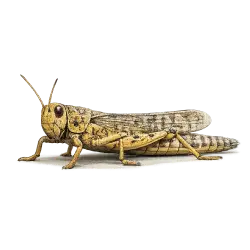
Desert LocustE
Desert Locust is a strong supporting species that helps Dubai feel richer than a one-animal destination.
Spotting note: Strong add when you pay attention to habitat instead of chasing one flagship animal.
Read species guide
House FlyE
House Fly gives the Dubai page more ecological range, not just more raw checklist count.
Spotting note: Meaningful supporting sighting rather than the only reason to choose the location.
Read species guide
SilverfishE
Silverfish adds realistic depth to the Dubai animal list without forcing the page around one headline encounter.
Spotting note: Useful supporting species with the right habitat and timing.
Read species guideBest for
Use this section to decide whether the location fits your travel style, skill level, and AnimalDex goals.
- Travelers mixing city, coast, and short wildlife sessions.
- Families who want realistic animal discovery without a long expedition.
- Collectors who enjoy urban-edge wildlife.
- People who want a practical species list from a compact stay.
Spotting tips
These tips are meant to make the page useful in the field, not just readable on the page.
- 01Use coast and marine access as major wildlife opportunities.
- 02Do not assume city travel means zero nature value.
- 03Early and late light help a lot in hotter open habitats.
- 04A Dubai list is strongest when you combine urban edges with shoreline time.
Virtual Wildlife Guides
Wildlife guides to Dubai
AnimalDex builds virtual guides from explorers' own wild sightings: which animals they found, how rare they are, and when. A guide is advice from someone who has been there, not a tour. Buying one unlocks the author's notes for every animal, a chat with the author, and introductions to local people they met. Wildlife is never guaranteed.
Checking for virtual guides to Dubai...
How to choose a local wildlife guide in Dubai
- Ask what they usually find in the season you are visiting. A good guide gives an honest answer, not a promised sighting.
- Check how they treat animals: no baiting, calling in, handling, or close flash photography for a better shot.
- Confirm the meeting area, duration, group size, total price, and how you pay before the day, plus any permits or park fees the place requires.
Track the animals you find in Dubai
Build your collection while you travel through Dubai, from easy wins to the species worth planning around.
Related locations
Keep exploring with nearby or similar destinations that support the same kind of AnimalDex discovery.
Animals in Bali: What You Can Spot, Learn, and Collect
A practical Bali wildlife guide built around animals travelers can realistically spot, from birds and coastal species to high-value sightings that make the island feel richer than a resort-only trip.
Read location guideAnimals in Israel: What You Can Spot, Learn, and Collect
A practical Israel wildlife guide built around migration routes, coasts, wetlands, and the compact habitat variety that gives the country strong observation value.
Read location guideAnimals in Singapore: What You Can Spot, Learn, and Collect
A practical Singapore wildlife guide built around urban-edge nature, parks, coasts, and the kind of compact travel that can still produce a satisfying animal list.
Read location guideLocation FAQ
Short direct answers to the questions travelers usually ask before choosing a wildlife destination or zoo day.
Can you really spot animals in Dubai?
Yes. Coastal species, birds, reptiles, and urban-edge wildlife can produce a stronger list than many travelers expect.
Is Dubai more useful for wildlife than people assume?
Usually yes, especially when coast and desert context are treated as part of the trip.
How do I find a wildlife guide to Dubai?
Check the Wildlife Guides section on this page or browse Wildlife Guides on AnimalDex. Each one is a virtual guide built from an explorer's own wild sightings around Dubai: the animals they found, how rare they are, and when. It is advice from someone who has been there, not a tour. If you want someone with you on the day, compare local guides on wildlife knowledge, how they treat animals, and clear pricing before you go.