

Animals in the Galápagos Islands: What You Can Spot, Learn, and Collect
Galápagos wildlife guide: marine iguanas, giant tortoises, blue-footed boobies, sea lions, Darwin's finches, penguins and hammerheads, island by island.
Quick answer
Start with the direct answer, then use the sections below to see why the location matters and which animals are actually realistic to spot there.
The Galápagos deliver wildlife that does not run away. Marine iguanas and sea lions cover the docks of Puerto Ayora and Puerto Baquerizo Moreno; giant tortoises graze the Santa Cruz highlands; blue-footed boobies, frigatebirds and land iguanas nest beside the trails on North Seymour; penguins and flightless cormorants live on Isabela and Fernandina; and the water holds sea turtles, hammerheads and sea lions that swim up to your mask.
No other destination puts you this close to wild animals. The islands' species evolved without land predators and treat people as scenery, so a sea lion will nap on the bench beside you and a booby will dance a metre from your feet. The national park rule is two metres; the animals ignore it.
What you see depends on which islands you reach. Santa Cruz and San Cristóbal are the inhabited bases with tortoises, iguanas and sea lions on tap. The western islands of Isabela and Fernandina have penguins, flightless cormorants and the densest marine iguana colonies. Española has the waved albatross colony, and Genovesa the great seabird cliffs.
Why this location matters
Good location pages explain why the place is worth your time, not just which names belong on a destination checklist.
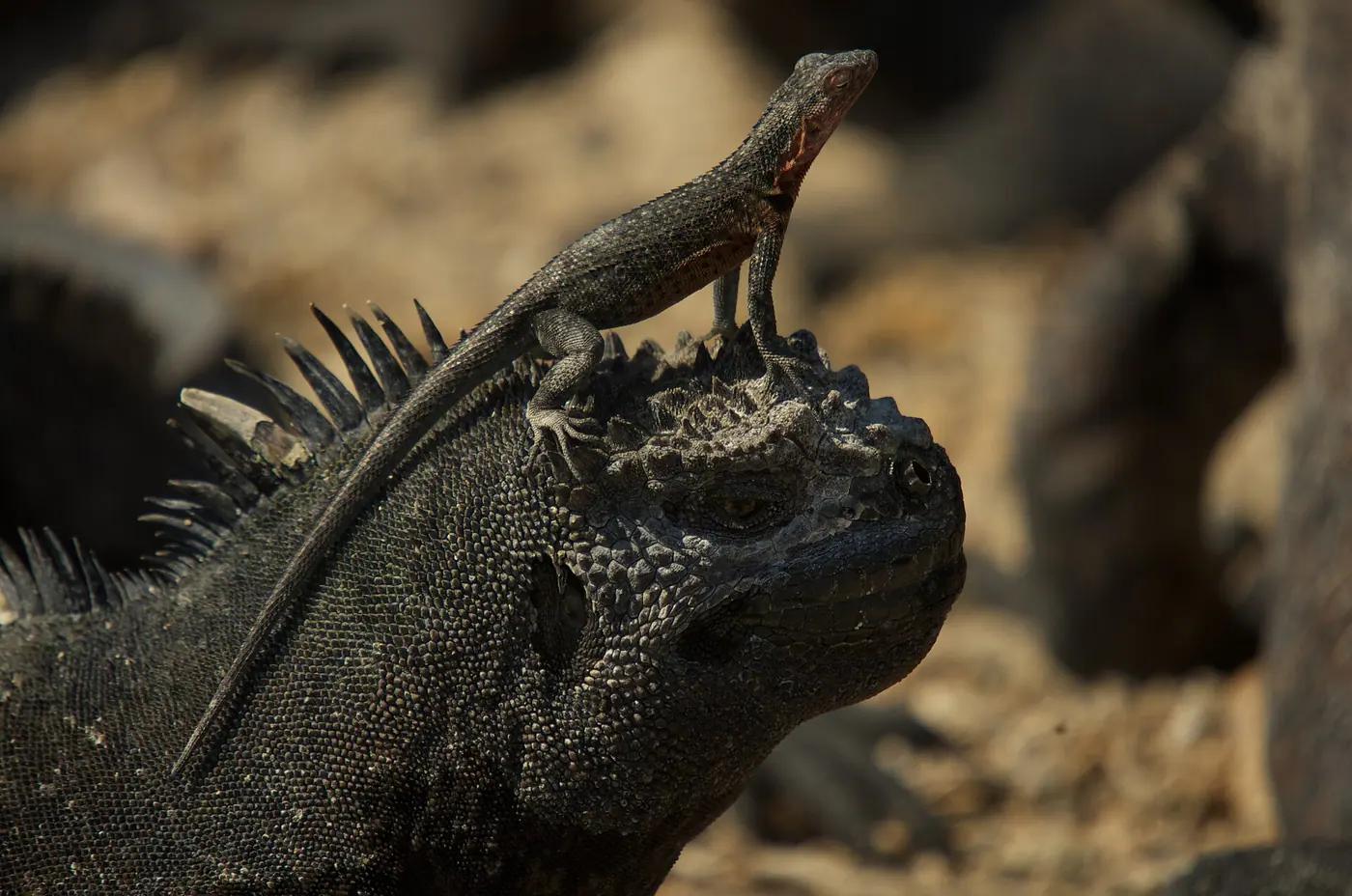
This is where the idea of evolution took shape, and the finches, tortoises and iguanas that convinced Darwin are still here to be compared island by island. A collector who logs a Santa Cruz tortoise and an Española lava lizard has recorded that argument.
The islands also face real pressure from invasive species, tourism and a warming sea, and the park's strict guiding rules exist for that reason. Visiting well, with a licensed guide and clean boots, is part of the point.
Where to look
Wildlife map of Galápagos Islands
This guide covers the region shown below. Zoom in to get your bearings before planning a trip.
Positions are geocoded from OpenStreetMap. Habitat access and opening times change — check locally before travelling.
Animals to spot
These are intentionally practical species picks, balancing accessibility, excitement, and what travelers can realistically notice in the location.
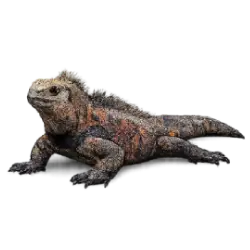
Marine IguanaC
The only sea-going lizard piles up in black heaps on the lava at Puerto Ayora, Punta Espinoza and every rocky landing in the islands.
Spotting note: Guaranteed on any island; Fernandina has the largest colonies.
Read species guide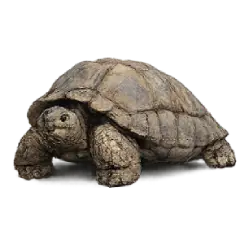
Galapagos TortoiseA
Wild tortoises graze the misty Santa Cruz highlands around El Chato and Rancho Primicias, and the Charles Darwin Station breeds them in Puerto Ayora.
Spotting note: Guaranteed in the Santa Cruz highlands and at the breeding centres.
Read species guide
Galápagos Sea LionC
Sea lions sleep on the benches, boats and beaches of Puerto Baquerizo Moreno and play with snorkellers at every landing.
Spotting note: Guaranteed; they come to you.
Read species guide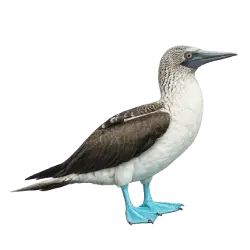
Blue-footed BoobyC
Boobies dance and whistle on the ground beside the trail on North Seymour and Española and dive in squadrons off Punta Pitt.
Spotting note: Near-certain on the seabird islands.
Read species guide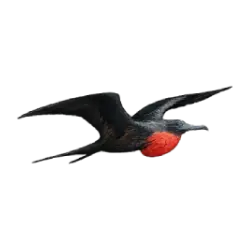
Magnificent FrigatebirdC
Males inflate scarlet throat pouches in the low trees of North Seymour and Genovesa through the breeding season.
Spotting note: Guaranteed on North Seymour; common overhead everywhere.
Read species guide
Galapagos PenguinC
The only penguin north of the equator fishes the cold western waters around Isabela, Fernandina and Bartolomé's Pinnacle Rock.
Spotting note: Likely at Bartolomé and the western islands; scarce in the east.
Read species guide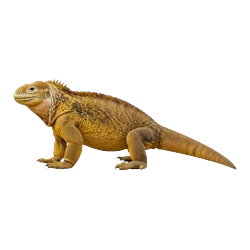
Common Land IguanaD
Yellow land iguanas eat cactus pads on North Seymour, South Plaza and the Isabela lowlands, often sitting in the middle of the path.
Spotting note: Reliable on South Plaza and North Seymour.
Read species guide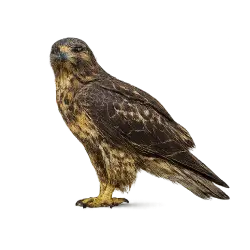
Galapagos HawkB
The islands' top predator perches on lava and trail markers on Española, Santa Fé and Fernandina, utterly unbothered by people.
Spotting note: Likely on the uninhabited islands; absent from Santa Cruz.
Read species guide
Medium Ground FinchD
The archetypal Darwin's finch hops around the Puerto Ayora cafés and the highland farms, bill size varying from island to island.
Spotting note: Abundant on Santa Cruz.
Read species guide
Sally Lightfoot CrabE
Scarlet crabs scuttle over every black lava shore, feeding alongside the marine iguanas.
Spotting note: Guaranteed on any rocky coast.
Read species guide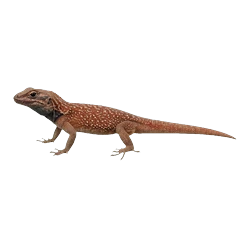
Española Lava LizardE
Española's lava lizards, with the red-throated females, show how each island has evolved its own species.
Spotting note: Common on the Española trail at Punta Suárez.
Read species guide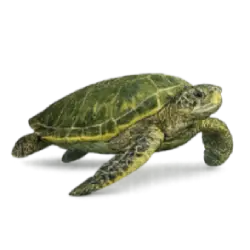
Green Sea TurtleC
Turtles graze algae in the shallow bays of Tortuga Bay, Las Tintoreras and Los Túneles and nest on Santa Cruz beaches from December to May.
Spotting note: Near-certain on any snorkel.
Read species guide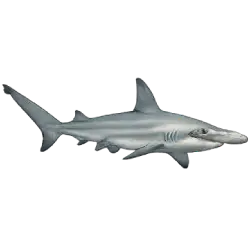
Scalloped HammerheadA
Hammerhead schools gather at Kicker Rock off San Cristóbal and in huge numbers at the remote Darwin and Wolf islands.
Spotting note: Likely at Kicker Rock on a dive or deep snorkel.
Read species guide
Red-lipped BatfishE
An endemic oddity with scarlet lips that walks on the sand at 20 m and deeper around the islands.
Spotting note: Rare; only on deeper dives with a sharp-eyed guide.
Read species guideBest for
Use this section to decide whether the location fits your travel style, skill level, and AnimalDex goals.
- Point-blank wildlife photography without a telephoto lens
- Snorkelling with sea lions, turtles and penguins
- Seabird colonies on North Seymour, Española and Genovesa
- Watching evolution island by island with tortoises, finches and lava lizards
Spotting tips
These tips are meant to make the page useful in the field, not just readable on the page.
- 01A live-aboard cruise reaches Fernandina, Genovesa and Española, which land-based trips cannot; choose a western itinerary for penguins and cormorants, a southern one for albatrosses.
- 02On a budget, base in Puerto Ayora: Tortuga Bay, the highland tortoise ranches and day trips to North Seymour and Bartolomé cover most of the headline species.
- 03Snorkel at Las Tintoreras (Isabela), Kicker Rock (San Cristóbal) and Los Túneles for turtles, sea lions, sharks and penguins in one trip each.
- 04Visit between December and May for warm water and the booby and albatross courtship season, or June to November for colder, richer seas and more active sea lions.
Virtual Wildlife Guides
Wildlife guides to Galápagos Islands
AnimalDex builds virtual guides from explorers' own wild sightings: which animals they found, how rare they are, and when. A guide is advice from someone who has been there, not a tour. Buying one unlocks the author's notes for every animal, a chat with the author, and introductions to local people they met. Wildlife is never guaranteed.
Checking for virtual guides to Galápagos Islands...
How to choose a local wildlife guide in Galápagos Islands
- Ask what they usually find in the season you are visiting. A good guide gives an honest answer, not a promised sighting.
- Check how they treat animals: no baiting, calling in, handling, or close flash photography for a better shot.
- Confirm the meeting area, duration, group size, total price, and how you pay before the day, plus any permits or park fees the place requires.
Track the animals you find in Galápagos Islands
Build your collection while you travel through Galápagos Islands, from easy wins to the species worth planning around.
Related tier lists
These tier lists add broader context around the species that make this location interesting.
100 Most Adaptable Animals
Most adaptable animals ranked by habitat flexibility, behavioral range, and success in changing conditions — including the current AnimalDex number one.
Read tier listRarest Animals in the World
A structured ranking of the rarest animals in the world, blending scarcity, vulnerability, and conservation pressure to answer the overlap between rarest and most endangered wildlife.
Read tier listRelated locations
Keep exploring with nearby or similar destinations that support the same kind of AnimalDex discovery.
Animals in Ecuador: What You Can Spot, Learn, and Collect
A practical Ecuador wildlife guide built around tropical color, coast-linked species, and the short-distance habitat shifts that make the country feel dense with animal possibility.
Read location guideAnimals in Baños, Ecuador: What You Can Spot, Learn, and Collect
Wildlife in Baños, Ecuador: hummingbirds and cock-of-the-rock on the waterfall road, spectacled bears and tapirs in Llanganates, and the San Martín rescue zoo.
Read location guideAnimals in Peru: What You Can Spot, Learn, and Collect
A practical Peru wildlife guide built around tropical birds, wetlands, coast-linked species, and the layered habitat value that makes the country feel bigger than one simple nature stereotype.
Read location guideLocation FAQ
Short direct answers to the questions travelers usually ask before choosing a wildlife destination or zoo day.
What wildlife is there in the Galápagos Islands?
Marine iguanas, land iguanas, giant tortoises, lava lizards, Galápagos sea lions and fur seals, blue-footed, Nazca and red-footed boobies, frigatebirds, waved albatrosses, Galápagos penguins, flightless cormorants, Galápagos hawks, Darwin's finches, and underwater green turtles, hammerheads, rays and reef fish.
What animals can be found in the Galápagos Islands?
On every trip: marine iguanas, sea lions, Sally Lightfoot crabs, finches, frigatebirds and sea turtles. On Santa Cruz: wild giant tortoises. On North Seymour and Española: nesting boobies and land iguanas. On Isabela, Fernandina or Bartolomé: penguins and flightless cormorants.
Do you need a cruise to see Galápagos animals?
No, but it helps. Land-based trips from Santa Cruz and San Cristóbal reach tortoises, iguanas, sea lions, boobies and turtles. Only cruises reach Fernandina, Genovesa and Española, which hold the flightless cormorants, the big seabird cliffs and the waved albatross colony.
When is the best time to visit the Galápagos for wildlife?
There is no bad season. December to May is warm and calm with courtship displays, turtle nesting and the albatross arrival in April. June to November brings the cool Humboldt Current, rougher seas, more fish, and the most active sea lions, penguins and whales.
How do I find a wildlife guide to Galápagos Islands?
Check the Wildlife Guides section on this page or browse Wildlife Guides on AnimalDex. Each one is a virtual guide built from an explorer's own wild sightings around Galápagos Islands: the animals they found, how rare they are, and when. It is advice from someone who has been there, not a tour. If you want someone with you on the day, compare local guides on wildlife knowledge, how they treat animals, and clear pricing before you go.